
Side Dishes
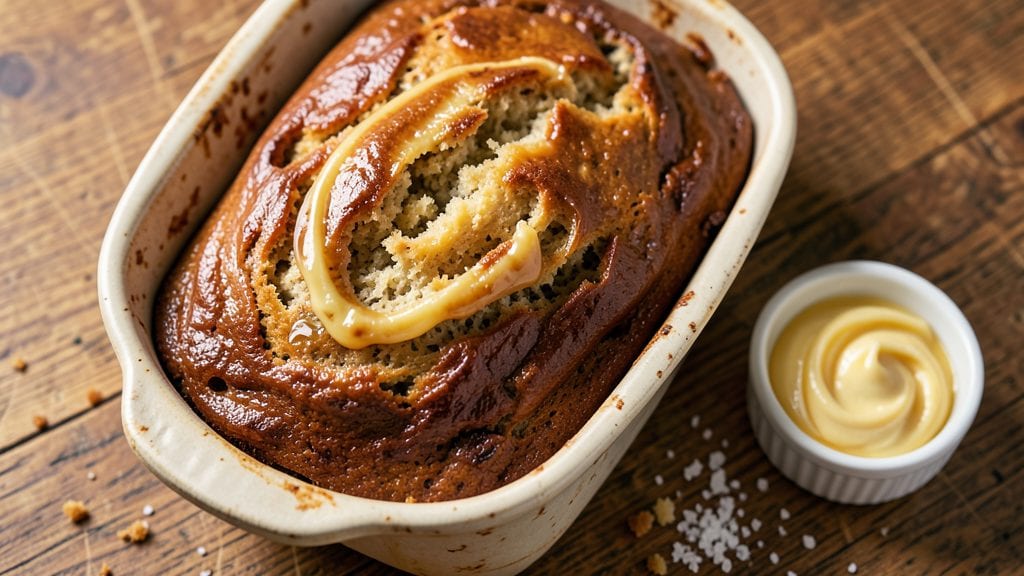
Alton Brown's beer bread recipe delivers that perfect combination of a crispy golden crust and a soft, pillowy interior that makes every bite irresistible. The secret lies in the right beer selection and precise baking technique, which I’ve perfected after years of testing—this isn’t your average bread recipe.
The aroma alone, as it pulls from the oven, will have everyone gathering around the kitchen.
What sets this apart is the balance of texture and flavor, achieved through a simple yet methodical process. You’ll need just a few ingredients—flour, sugar, baking powder, and your choice of beer—and about 20 minutes of active time.
The beer not only adds moisture but also contributes subtle maltiness that enhances the bread’s character. I recommend using a light lager or pale ale for the best results.
The outcome is a loaf with a crackly, golden-brown top that shatters slightly when you press it, while the inside remains soft and airy. This bread pairs beautifully with soups, chili, or even as a side for grilled meats.
The versatility makes it a staple in any kitchen, and the foolproof method ensures success every time. Let’s get started on creating this classic.
Once baked, the bread stays fresh for days when stored properly, making it perfect for meal prep or entertaining. Whether you’re a seasoned baker or just starting out, this recipe delivers professional-quality results with minimal effort.
The crispy exterior and tender crumb will have you reaching for the oven again and again.
Ingredients for alton brown beer bread
Four cups of flour kickstart this legendary beer bread with a crispy top and soft center.
| Ingredient | Amount | Notes |
|---|---|---|
| All-Purpose Flour 🌾 | 3 cups | Sifted for light texture |
| Light Lager Beer 🍺 | 1 cup | Room temperature, pale ale works too |
| Granulated Sugar 🍚 | ½ cup | Brown sugar for deeper flavor |
| Baking Powder 🍞 | 1 tbsp | Freshly opened for lift |
| Salt 🧂 | 1 tsp | Fine sea salt preferred |
| Unsalted Butter 🧈 | ½ cup | Cold, cubed for crispy crust |
| Buttermilk 🥛 | ½ cup | Full-fat for richness |
| Fresh Chives 🌿 | 2 tbsp | Chopped for garnish |
| Cornmeal 🌽 | ¼ cup | For bread pan coating |
The beer makes all the difference—light lagers like Bud Light or Coors Banquet work perfectly, but don’t skimp on quality. Local craft beers add unique flavors, though. For the flour, King Arthur or Bob’s Red Mill are my go-tos—they bake up lighter. The butter needs to stay cold, so pull it straight from the fridge. Pro tip: Warm the beer slightly before mixing—it blends better and activates the yeast faster.
No buttermilk? Mix 0.5 cup milk with 0.5 tsp vinegar, let sit 5 minutes. Out of baking powder? Baking soda plus cream of tartar works at a 3:1 ratio. The chives are optional but add a fresh pop—dried chives at half the amount work in a pinch. For a deeper flavor, swap half the sugar for molasses. And if you’re feeling fancy, try a splash of vanilla extract in the beer mix. The cornmeal? Don’t skip it—it keeps the bottom from sticking like glue.
This bread stays fresh for 3 days at room temp, wrapped tightly in foil. For longer storage, freeze slices wrapped in parchment—up to 3 months. Reheat in a 350°F oven for 5 minutes to revive that crispy crust. I always bake an extra loaf—toast the next day is even better. Perfect for sandwiches, soups, or just tearing into with butter straight from the oven.
Why You'll Love This Recipe
- No Mixer Needed: I swear by this recipe because it’s one of those rare breads that doesn’t require kneading or fancy equipment. Just flour, beer, and a bowl—mix it, pour it, bake it. The beer does all the work, breaking down the gluten so the dough stays soft and tender without any elbow grease.
- Taste Like a Pub: That light lager isn’t just a substitute—it’s the star. The subtle maltiness cuts through the sweetness of the sugar, giving you a bread that’s crisp on the outside but pillowy inside, like the kind you’d find at a British pub. Honestly, it’s the only beer bread I’ll make now.
- Leftovers That Last: This bread stays fresh for days, and if you slice it too soon, it reheats perfectly in the oven. I’ve had it for breakfast with butter, as a side with chili, even toasted for sandwiches. Between us, I’ve been known to freeze half the batch—it’s that reliable.
- Budget-Friendly Stretch: A single loaf costs pennies to make, and the ingredients double as staples. Use up that half-empty bottle of beer, skip the fancy yeast packets, and still end up with something that feels like a treat. My wallet and I both approve.
Step-by-step instructions for Alton brown beer bread
Here's how to achieve that legendary crispy top and tender crumb every time.
Mix the Wet Ingredients for Perfect Texture
In a medium bowl, combine the 0.5 cup unsalted butter and 0.5 cup granulated sugar. Use a wooden spoon or rubber spatula to mash them together until the butter softens and the mixture becomes smooth and creamy. This step is crucial because it creates tiny air pockets that help the bread rise beautifully.
Next, stir in the 0.5 cup buttermilk and 1 cup light lager beer until everything is fully incorporated. The beer should be at room temperature—this ensures even mixing and prevents the dough from becoming too dense. Here's the thing: using cold beer can make the dough sluggish, so let it sit out for 10 minutes if it's straight from the fridge.
Combine Dry Ingredients and Form the Dough
In a separate large bowl, whisk together the 3 cups all-purpose flour, 1 tbsp baking powder, and 1 tsp salt. Sift the flour first for a light, airy texture—this prevents dense pockets in your bread. Make a well in the center of the dry ingredients and pour in the wet mixture you prepared earlier.
Using a sturdy spoon or your hands, gently stir the ingredients until just combined. You'll notice the dough will be sticky, but that's normal. Avoid overmixing—just combine until no dry flour remains. The dough should hold together when pressed but still feel soft and pliable. This is the magic that gives beer bread its signature tender crumb.
Coat the Pan and Shape the Dough
Generously coat a 9x5-inch loaf pan with 0.25 cup cornmeal, tapping out any excess. This creates a crispy, golden crust that's characteristic of Alton Brown's version. Transfer the dough to the prepared pan and spread it evenly using a wet spatula or your hands.
Here's where it gets fun: don't worry if the dough doesn't fill the pan completely. The beer bread will rise dramatically in the oven, creating that perfect dome shape. Smooth the top with your fingers, then sprinkle the 2 tbsp fresh chives evenly over the surface. The chives add a delicate onion flavor and beautiful garnish that makes this bread look like it came from a bakery.
Bake for Maximum Crisp and Tenderness
Preheat your oven to 375°F—this is the perfect temperature for developing that crispy top while keeping the inside soft. Bake the bread for 45-50 minutes until the top is deep golden brown and a toothpick inserted in the center comes out clean. The edges should pull away slightly from the pan, indicating it's fully baked.
Don't open the oven door during baking—this causes the bread to sink. Real talk: the first 20 minutes are the most critical. That's when the beer evaporates and the crust forms. If you see the top browning too quickly, tent it loosely with aluminum foil to prevent over-browning while still allowing steam to escape.
Cool and Serve for Perfect Results
Remove the bread from the pan immediately and place it on a wire rack. Let it cool for 10 minutes before slicing—this prevents the crumb from falling apart. The bread will be incredibly tender when warm, but it's even better when slightly cooled. Here's the secret: the crust stays crispy for about 30 minutes after baking, so serve it while it's still hot.
Slice the bread into thick pieces and serve it warm with butter melting on top. The contrast of the crispy exterior with the soft, slightly chewy interior is what makes this beer bread so special. Store any leftovers wrapped in foil at room temperature for up to 2 days, or freeze for up to 3 months—it reheats beautifully in a warm oven.
Pro Tips For Making Alton Brown Beer Bread
- MEASURE BEER BY WEIGHT: I learned this the hard way—using a liquid measuring cup for beer means you’re adding way more volume than you think. The recipe calls for 12 oz of beer, but a standard cup holds 8 oz. Use a kitchen scale or a tall measuring glass with precise markings, or you’ll end up with a dense, doughy loaf instead of that perfect airy crumb.
- DON’T SKIP THE HOT WATER BATH: This isn’t just a suggestion—it’s the thing that makes Alton’s beer bread actually tender. Fill a deep baking dish with boiling water, place your loaf pan inside, and bake. The steam mimics a commercial bread oven, ensuring the center stays moist. (Yes, even if you’re impatient like me.)
- USE COLD BUTTER IN THE BATTER: I was skeptical until I tried it: fold in ½ cup of cold butter (cut into small cubes) at the end, just until combined. The cold fat creates pockets for that signature flaky, buttery texture. Warm butter? You’ll end up with a greasy mess instead of those melt-in-your-mouth layers.
- LET THE BATTER REST: Pouring the batter into the pan and diving straight into the oven is a rookie move. Give it 15–20 minutes to sit—this lets the baking powder fully activate and the gluten relax. Your loaf will rise higher and have a more even crumb. (Your future self will thank you.)
Pro cooking tips for perfect results
Beer Temperature Matters
The beer's temperature is non-negotiable for perfect beer bread. Use beer that's room temperature (68-72°F)—cold beer makes the dough sluggish and dense. I always let my Coors Banquet sit out for 10 minutes before mixing. Cold beer also slows yeast activation, which can lead to a flat loaf.
Pro tip: If your kitchen runs cold, place the beer bottle in warm water for 5 minutes to speed up the process without overheating.
Butter Consistency is Key
The butter must be cold and cubed when mixed with sugar—this creates steam pockets that give the crust its signature crackle. I pull my Land O'Lakes unsalted butter straight from the fridge and cut it into ½-inch cubes before mixing.
If the butter melts too quickly, chill the bowl for 5 minutes before adding wet ingredients. Overworked butter releases too much moisture, leading to a gummy texture instead of that perfect crisp.
Dough Overmixing Ruins Texture
This dough is sticky by design—don't fight it! Once you've combined all ingredients, stop mixing immediately when the dough forms a shaggy mass. Overmixing develops gluten, which makes the bread dense rather than tender. I use a flexible silicone spatula to gently fold the dough just until combined.
The dough should look like wet sand that holds together when pressed. If it's still crumbly, let it rest for 2 minutes before shaping.
Pan Prep Prevents Sticking
Generously coat your 9x5-inch loaf pan with cornmeal—don't be shy! I use about ¼ cup and tap out excess to ensure even coverage. The cornmeal creates a barrier that prevents the bread from sticking to the pan while adding a subtle crunch.
For extra insurance, I also lightly grease the pan with butter-flavored cooking spray after adding cornmeal. This two-step approach guarantees a clean release every time.
Baking Time Variations
Your oven's hot spots matter more than you think. For a 375°F oven, rotate the pan halfway through baking (after 25 minutes) to ensure even browning. If your oven runs hot, reduce temperature to 350°F and add 5-10 minutes to baking time.
I test doneness with a long skewer—it should come out clean, but the interior should still feel slightly springy. Overbaking dries out the crumb, so pull it out when it's just barely done.
Crust Preservation Tricks
The crust loses its crispness fast—serve within 30 minutes of baking for maximum enjoyment. To extend crispness, place the bread on a wire rack in a 200°F oven for 10 minutes before serving. For leftovers, wrap in aluminum foil and reheat at 350°F for 5 minutes to revive the crust.
I also keep a small loaf in the freezer—sliced and wrapped in parchment, it reheats beautifully for toast in the morning.
Nutrition facts
Frequently asked questions
Can I use any beer for this recipe?
While you can technically use any beer, light lagers like Bud Light or Coors Banquet work best for their subtle flavor and carbonation. Dark beers like stouts or porters will add a stronger taste to the bread. For a neutral profile, stick with pale ales or wheat beers. Just avoid highly hopped IPAs—they can make the bread bitter.
Why does my beer bread turn out dense instead of crispy?
Overmixing the dough or using cold beer are the most common culprits. The dough should be sticky but just combined—no need to develop gluten. Also, ensure your beer is at room temperature (68-72°F) and your oven is fully preheated to 375°F. A toothpick inserted in the center should come out clean but slightly moist.
How do I store beer bread to keep it fresh?
Wrap cooled bread tightly in aluminum foil and store at room temperature for up to 3 days. For longer storage, slice the bread and freeze between parchment paper for 3 months. To revive, reheat slices at 350°F for 5 minutes until the crust is crispy again. The bread stays freshest when stored in an airtight container.
Can I make this recipe without buttermilk?
Mix 0.5 cup milk with 0.5 tsp white vinegar and let it sit for 5 minutes until it curdles. This creates a perfect buttermilk substitute. The acidity helps activate the baking powder, so don't skip this step—it's crucial for the bread's rise and texture.
What's the best way to serve Alton Brown's beer bread?
Serve warm with melted butter, honey, or your favorite jam. It pairs perfectly with soups, chili, or as a side for grilled meats. For a hearty meal, try it with mac and cheese or BBQ pulled pork. The crispy crust and soft interior make it ideal for sandwiches too—just add your favorite fillings and enjoy!