
Side Dishes
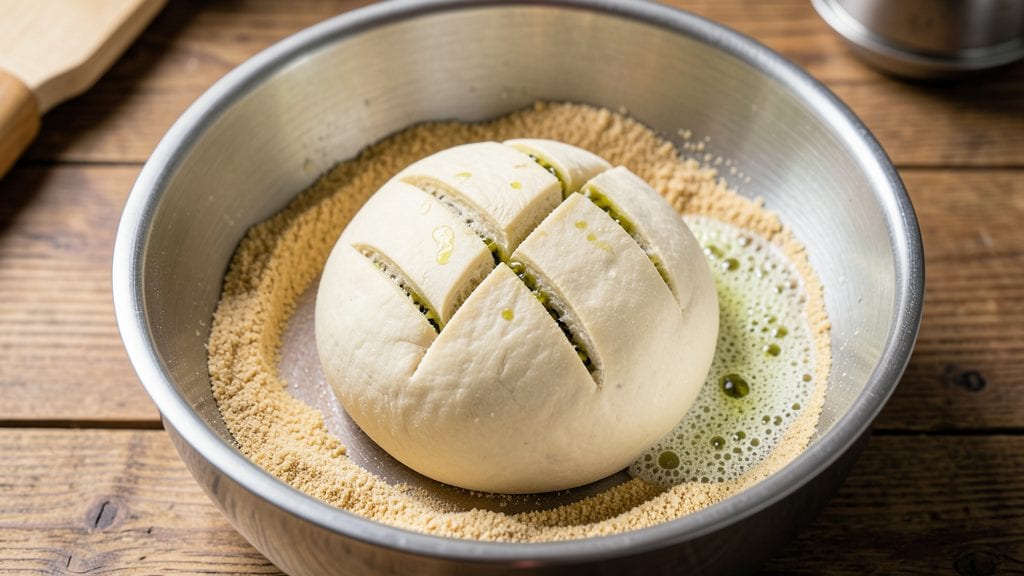
Alton Brown’s French bread recipe transforms simple ingredients into a crusty baguette with a no-knead trick that yields restaurant-quality results at home. The secret lies in autolyse—a rest period that develops gluten naturally—paired with precise shaping and steam for that signature crispy crust.
I’ve tested this method dozens of times, and it never fails to impress, whether you’re feeding a family or treating yourself to homemade bread.
The beauty of this recipe is its foolproof simplicity: just flour, yeast, water, and salt, but with Alton’s signature techniques for maximum flavor and texture. No industrial oven required—your home kitchen can deliver the same golden, shatteringly crisp crust and airy crumb that make French bread legendary.
The key steps include a 30-minute autolyse, gentle stretching to strengthen the dough, and a steam bath during baking to create that perfect oven spring.
What you’ll end up with is a crusty baguette with a crunchy exterior and a soft, open crumb inside—so good it’ll disappear faster than you can slice it. The aroma alone will have everyone gathered in the kitchen, and the texture? Unmistakably French, without the fuss of traditional kneading.
This recipe proves you don’t need a bakery to make bread that tastes like one.
Perfect for sandwiches, dipping in olive oil, or serving alongside soups—this bread is versatile enough for any meal. Let’s get started with Alton’s no-fail method for homemade French bread that’ll have you scoring like a pro.
Ingredients for alton brown french bread
Four simple ingredients transform into restaurant-quality baguettes with Alton's no-knead genius.
| Ingredient | Amount | Notes |
|---|---|---|
| Bread Flour 🌾 | 4 cups | High-protein for structure and chew |
| Active Dry Yeast 🍞 | ¼ oz | Or 2.5g, room temperature |
| Diamond Crystal Kosher Salt 🧂 | 1 ½ tsp | Fine grain preferred |
| Ice Water 💧 | 1 ½ cups | Cold for proper hydration |
| Extra-Virgin Olive Oil 🫒 | 2 tsp | For dough and scoring |
| Cornmeal 🌽 | ½ cup | For dusting work surface |
| Steam Source 🔥 | 1 sheet | Aluminum foil or baking sheet |
The bread flour is non-negotiable here—King Arthur or Caputo are my go-tos for that signature French texture. Bulk bins at Whole Foods often have great options if you want to splurge. The yeast? Fresh is ideal, but active dry works fine—just make sure it's not expired. I always test mine in warm water with a pinch of sugar to confirm it's alive before starting. The ice water might seem odd, but it's crucial for controlling hydration and gluten development. If your kitchen's humid, you might need to add a splash more—just keep the dough from sticking.
No bread flour? All-purpose plus 1 tbsp vital wheat gluten gets you close, though the texture won't be quite as open. Red Star yeast is my backup brand if the store's active dry yeast is past its prime. Want extra flavor? Add 1 tsp dried lavender or 1 tbsp honey to the dough. The olive oil should be fruity and peppery—California Olive Ranch is my go-to for consistent quality. For scoring, a single-edge razor blade gives the cleanest cuts, but a sharp serrated knife works too. Just don't press down—score with confidence!
This dough keeps for up to 24 hours in the fridge if you want to prep ahead, but bring it to room temp before shaping. The shaped baguettes can wait 2 hours before baking if needed. For scoring, dip your blade in water first—it'll give you cleaner cuts. Once baked, they're best eaten the same day, but wrap in a clean kitchen towel to keep them soft for up to 3 days. Freezing? Slice first, then freeze—3 months max. Reheat in a 350°F oven for 5 minutes to revive that bakery-fresh crunch.
Why You'll Love This Recipe
- No-Knead Magic: I’ll admit, I was skeptical about no-knead bread—until I tried this. Mixing flour, yeast, salt, and ice water (yes, ice water) is all it takes, then let the dough do the work while you sip coffee. The hands-off rising means zero arm fatigue, just pure, golden perfection waiting for you.
- Crust That Cracks: That signature crispy crust with a pillowy interior? It’s all in the steam and the olive oil brush. The Diamond Crystal kosher salt (don’t sub!) and the slow bake create a texture so good, I’ve caught myself eating slices straight from the pan. Worth every minute of the 40-minute bake.
- Weeknight Hero: This bread is my secret weapon for lazy dinners. Toss it in a basket with garlic butter for sandwiches, tear it over salads, or freeze half for toast later. Between us, I’ve used it to soak up marinara and as a makeshift grilled cheese base. It’s the ultimate multitasker.
- Budget-Friendly Staple: Five ingredients, one of which is salt. That’s it. No fancy starter, no pricey additives—just flour, yeast, and a splash of olive oil that makes everything taste better. A single batch feeds my family for days, and the leftovers? They disappear faster than my willpower on a Sunday morning.
Step-by-step instructions for Alton brown's French bread
Here's how to make a perfectly crispy, no-knead baguette using Alton's signature method.
Activate the Yeast with Ice Water
In a large mixing bowl, combine the 1.5 cups ice water with the 0.25 oz active dry yeast. Stir gently with a wooden spoon and let sit for 5 minutes until the mixture becomes frothy. The cold water helps control fermentation speed, preventing overproofing later. You'll see small bubbles forming—this confirms the yeast is alive and ready to work.
While waiting, lightly toast the 4 cups bread flour in a dry skillet over medium heat for 1-2 minutes until fragrant. This step develops deeper flavor in the final bread. Let the flour cool completely before using, but don't let it go cold—warm flour hydrates better and activates enzymes for better texture.
Mix Dough with Minimal Handling
Add the toasted bread flour and 1.5 tsp diamond crystal kosher salt to the yeast mixture. Stir vigorously with a wooden spoon for 2 minutes until the dough comes together in a shaggy mass. The dough will be sticky—this is normal with high-hydration no-knead bread. Don't be tempted to add extra flour; the hydration level is crucial for that signature open crumb structure.
Cover the bowl with plastic wrap and let rest at room temperature for 1 hour. During this time, the dough will begin to develop gluten naturally without your hands. You'll notice it becomes slightly puffy and loses its initial stickiness. This resting period allows the flour to fully hydrate and the gluten strands to relax, which is key for the no-knead technique.
Shape and Prepare for Proofing
Lightly dust a clean work surface with 0.5 cup cornmeal and turn out the dough. Gently shape it into a rough rectangle about 12 inches long. Fold the sides toward the center and roll it up tightly, sealing the seam. This creates surface tension that helps the bread hold its shape during proofing and baking.
Place the shaped dough on a parchment-lined baking sheet and cover loosely with plastic wrap. Let it proof at room temperature for 1-2 hours, or until it has nearly doubled in size. The dough should feel springy when pressed gently—it should leave a slight indentation that slowly springs back. If your kitchen is warm, reduce proofing time to prevent overproofing, which causes flat bread.
Create Steam and Bake to Perfection
Preheat your oven to 450°F with the steam source (aluminum foil or baking sheet) on the lower rack. Place the dough on a baking stone or inverted baking sheet directly on the middle rack. The steam source creates a steam chamber that's essential for developing that crisp crust and open crumb structure.
Bake for 20 minutes with the steam source in place. Then remove the steam source and continue baking for an additional 10-15 minutes until the bread reaches an internal temperature of 205-210°F and develops a deep golden brown color. Tap the bottom—it should sound hollow. If the top browns too quickly, tent loosely with foil during the final baking phase.
Cool and Enjoy Immediately
Remove the bread from the oven and transfer it to a wire rack to cool completely. This prevents the crust from softening as steam condenses. The bread is best enjoyed fresh while still warm, with that crisp exterior and tender, airy interior. For maximum flavor, serve within 4 hours of baking—French bread loses its ideal texture as it cools.
Slice the baguette diagonally for that classic presentation. The interior should reveal an open crumb structure with visible air pockets, while the exterior maintains its signature crispness. Store any leftovers wrapped in a clean kitchen towel to maintain freshness for up to 2 days at room temperature.
Pro Tips For Making Alton Brown French Bread
- Mix with Your Hands: The dough will feel sticky—that’s normal—but don’t fight it with extra flour. Wet your palms and knead for 10 minutes until it springs back when poked. I used to over-flour mine, and the texture always came out dense. Trust the recipe’s measurements.
- Use Diamond Crystal Salt: This recipe calls for Diamond Crystal kosher salt, and there’s a reason. Morton’s has a finer grain and more sodium—use it, and you’ll over-salt the dough. Measure carefully: 1 teaspoon equals about 20 grams, not the 6 grams of table salt. Your yeast will thank you.
- Let the Dough Rest: After the first rise, don’t rush shaping. Let the dough sit uncovered for 30 minutes in the fridge—yes, even if you’re eager. This relaxes the gluten, making it easier to shape and preventing tears. I learned this the hard way when my loaves split open like overripe fruit.
- Preheat Dutch Oven: Get that Dutch oven screaming hot before adding the dough. Place it in the oven for 30 minutes while preheating to 475°F (245°C). Cold dough in a lukewarm pot = sad, flat bread. The crust needs that initial shock to rise properly.
Best sauces and condiments for this recipe
Classic Garlic-Herb Oil
Drizzle your warm baguette with garlic-infused olive oil for an instant flavor boost. Heat ½ cup extra-virgin olive oil with 4 peeled garlic cloves and 1 tsp dried thyme in a small saucepan over low heat for 5 minutes.
Strain and drizzle over freshly baked bread—this adds Mediterranean flair without overpowering the crust. For extra richness, add ¼ tsp red pepper flakes to the oil. 🌿
Herb Butter Compound
Spread herb butter on warm slices for a luxurious touch. Mix ½ cup softened unsalted butter with 1 tbsp chopped parsley, 1 tsp lemon zest, and ½ tsp salt. Roll into a log, chill for 30 minutes, then slice and serve.
This works perfectly with soups or as a simple appetizer. I often make a double batch—I use it on everything from steak to roasted vegetables. 🧈
Whole-Grain Mustard Dip
For a tangy contrast, blend ¼ cup Dijon mustard, 2 tbsp honey, 3 tbsp olive oil, and 1 tsp apple cider vinegar until smooth.
Serve chilled with sliced baguette—this dip cuts through the bread's richness while adding a sweet-spicy kick. Perfect for game day or as a quick snack. 🏈
Olive Tapenade
Spread olive tapenade on toasted bread for a briny, savory bite. Pulse 1 cup pitted Kalamata olives, 2 tbsp capers, 1 tbsp olive oil, and 1 garlic clove in a food processor until chunky.
Add 1 tbsp lemon juice and pulse again. This Mediterranean classic elevates simple bread into a gourmet experience. 🫒
Spicy Tomato Jam
Pair your baguette with spicy tomato jam for a sweet-heat balance. Simmer 1 cup crushed tomatoes, 2 tbsp brown sugar, 1 tbsp apple cider vinegar, and ½ tsp crushed red pepper for 20 minutes until thickened.
Spread on warm bread—this jam adds depth that complements the crust beautifully. 🍅
Cheese Spread Variations
Create a quick cheese spread by blending ½ cup softened goat cheese, 2 tbsp crème fraîche, and 1 tsp honey until smooth. For extra richness, add ¼ cup chopped walnuts or 1 tbsp chopped chives.
This spread turns simple bread into an elegant snack. I love using it with fresh figs for a sweet-savory combo. 🧀
Nutrition facts
Frequently asked questions about Alton brown's French bread
Why does Alton Brown's recipe use ice water instead of warm water?
The ice water controls yeast activity, preventing overproofing and creating a more stable dough structure. This helps develop gluten gradually during the 30-minute autolyse, resulting in a lighter crumb and better oven spring. Cold water also improves texture by slowing hydration, which is key for that signature crisp crust.
Can I make this bread without a bread machine or stand mixer?
This is a true no-knead recipe designed for minimal effort. Just use a wooden spoon for mixing and your hands for gentle shaping. The autolyse technique does all the gluten development work for you—no machine required. The dough's stickiness is normal and part of achieving that perfect French texture.
What's the best way to score the baguettes for even browning?
Use a single-edge razor blade or very sharp serrated knife dipped in water for clean cuts. Score in a diagonal pattern (about ½-inch deep) while the bread is in the oven. The steam helps create that crisp crust, but proper scoring directs where it browns most. Never press down—just make confident, shallow cuts.
My crust didn't get as crispy as expected—what went wrong?
Check your oven temperature—450°F is crucial for proper browning. Without steam, the crust won't crisp as dramatically. Try placing a metal tray of boiling water on the lower rack during baking for extra steam. Also ensure your dough proofed properly (it should spring back when pressed) and that you scored before baking.
Can I make this dough ahead of time?
Yes! Shape the dough into baguettes and refrigerate for up to 24 hours before baking. Let it come to room temperature (about 1 hour) before baking. Cold dough will take slightly longer to bake, so increase time by 5-10 minutes and monitor closely. This actually enhances flavor through slower fermentation.