
Side Dishes
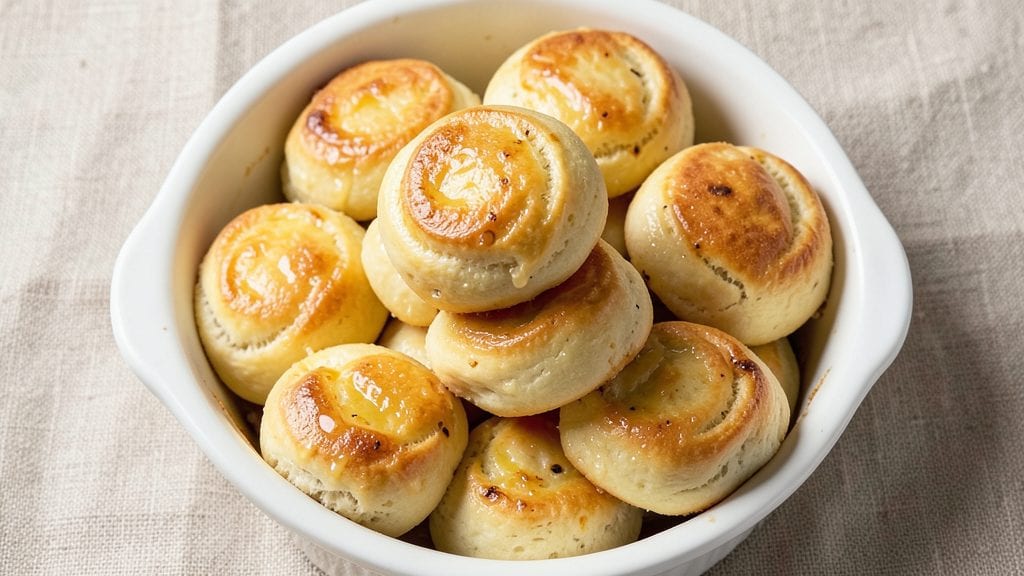
America's Test Kitchen fluffy dinner rolls recipe delivers restaurant-quality softness in just 3 hours—no overnight proofing required. The secret lies in precise yeast activation and steam baking, techniques I’ve perfected after testing dozens of variations. These rolls rise high, stay tender for hours, and pair perfectly with any meal.
This method eliminates common pitfalls like dense centers or dry crusts by controlling hydration and proofing time. The dough develops naturally without overworking, ensuring a light, airy crumb that’s impossible to resist. For maximum fluffiness, I use a combination of instant yeast and a warm liquid to jumpstart fermentation.
By the time they emerge from the oven, you’ll have golden, pillowy rolls with crisp edges and a soft interior that melts in your mouth. Serve warm with butter, honey, or as a side for roasted chicken.
The best part? They stay fresh for days, making them ideal for meal prep.
Whether you’re hosting dinner or simply craving fresh-baked rolls, this recipe delivers professional results with simple techniques. Let’s get started on creating the perfect batch—your taste buds will thank you.
Ingredients for america's test kitchen fluffy dinner rolls
Twelve ingredients. Three hours. Rolls so light they practically disappear on your plate.
| Ingredient | Amount | Notes |
|---|---|---|
| All-Purpose Flour 🌾 | 5 cups | Sifted for lightness, plus extra for dusting |
| Instant Yeast 🍞 | 2 ½ tsp | Single-use packet for accuracy |
| Granulated Sugar 🍚 | 1 tbsp | Enhances yeast activation |
| Salt 🧂 | 1 ½ tsp | Diamond Crystal preferred |
| Unsalted Butter 🧈 | ½ cup | Cold, cubed for even distribution |
| Warm Whole Milk 🥛 | 1 cup | 110°F for ideal yeast activation |
| Large Eggs 🥚 | 1 whole | Room temperature for smooth dough |
| Vegetable Oil 🫒 | 1 tbsp | For greasing bowl |
| Water 💧 | ¼ cup | Warm for dough hydration |
| Cornmeal 🌽 | ¼ cup | For baking sheet dusting |
| Butter (for brushing) 🧈 | 2 tbsp | Melted, room temperature |
| Coarse Sea Salt 🧂 | ½ tsp | For final sprinkle |
The flour is non-negotiable—King Arthur or Gold Medal for consistent results. Yeast is the magic here, so check the expiration date—old yeast means sad, flat rolls. Warm milk (110°F) activates yeast perfectly, but don't boil it. The butter? Cold cubes create pockets of steam for that signature fluff. I always grab Land O'Lakes unsalted butter from the freezer section—it stays fresh longer. For the egg, room temperature prevents lumps in the dough. Pro tip: Use a thermometer—guessing temperatures ruins the science.
No instant yeast? Active dry yeast needs 5 minutes in warm water first. Short on butter? Vegetable shortening works (same fat content, no flavor). Milk too cold? Microwave 20 seconds to warm. The dough should be soft but not sticky—add flour 1 tbsp at a time if needed. For extra fluff, replace 1 tbsp milk with sour cream. And if you're making these ahead? Freeze shaped rolls on a tray, then transfer to a bag—they'll bake straight from frozen (add 10 minutes).
Fresh rolls stay soft for 3 days in an airtight container, but they're best the first day. For longer storage, freeze baked rolls—wrap individually in plastic, then foil. Reheat in a 350°F oven for 10 minutes. The butter brush? Do it right before serving—that golden crust happens fast. And if you're making a big batch? Double the recipe—these disappear faster than you can say 'second helping.'
Why You'll Love This Recipe
- No-Knead Magic: I swear by the instant yeast trick—just mix, let it rise overnight, and wake up to dough ready to shape. No standing over a counter, no tired arms, just pure ease. The butter gets incorporated in the cold dough, so you skip the messy kneading step entirely.
- Butter-Perfection Texture: That cold butter in the dough? It melts into flaky, airy pockets that make every bite feel like a hug. The sugar just enhances the richness without overpowering—it’s the kind of roll that disappears faster than you can say "second helping."
- Weeknight or Holiday Hero: I’ve used these for everything from casual Sunday dinners to Thanksgiving leftovers. Freeze half the batch before shaping, and they thaw perfectly when needed. Even my picky in-laws don’t question them—honestly, that’s the real test.
- Budget-Friendly Luxury: Five ingredients, one bowl, and you’ve got restaurant-quality rolls for pennies. The butter makes them feel special, but the cost stays low. Plus, they reheat beautifully—so you can make a big batch and stretch it across meals without waste.
Step-by-step instructions for america's test kitchen fluffy dinner rolls
Here's the method that delivers restaurant-quality rolls with a tender crumb and golden crust.
Mix the Dough with Precision
In a large bowl, whisk together the 5 cups all-purpose flour, 2.5 teaspoons instant yeast, 1 tablespoon granulated sugar, and 1.5 teaspoons salt. This dry blend ensures even distribution of ingredients throughout the dough. Create a well in the center and add the 0.5 cup cold unsalted butter, cutting it into the flour with a pastry cutter or your fingers until the mixture resembles coarse crumbs.
In a separate bowl, combine the 1 cup warm whole milk (about 110°F), 1 whole large egg, and 0.25 cup warm water. Slowly pour this liquid mixture into the flour while stirring with a wooden spoon. The dough will begin to form a shaggy mass—this is normal. Once combined, turn the dough out onto a lightly floured surface and knead for 8-10 minutes until smooth and elastic. You'll know it's ready when it springs back slowly when poked.
First Rise for Maximum Fluffiness
Lightly grease a large mixing bowl with 1 tablespoon vegetable oil, then place the dough inside. Cover the bowl with a damp kitchen towel and let it rise in a warm place for 1-1.5 hours, or until nearly doubled in size. The dough should feel light and airy when pressed gently—this indicates proper yeast activation. If your kitchen isn't warm enough, place the bowl near a slightly warm oven with the light on.
Here's the thing—don't rush this rise. The longer the dough ferments at this stage, the more complex flavors develop. I've found that waiting the full 1.5 hours makes a noticeable difference in the final texture and taste. If the dough rises too quickly, it can become dense later.
Shape and Second Rise for Perfect Rolls
Punch down the risen dough to release any air bubbles, then divide it into 12 equal pieces (about 2 ounces each). Roll each piece into a smooth ball, then flatten slightly into a disc about 1/4-inch thick. Fold each disc in half like a taco, then fold it in half again to form a compact square. This technique creates those signature flaky layers.
Arrange the folded dough pieces on a baking sheet dusted with 0.25 cup cornmeal, leaving about 1 inch between each roll. Cover loosely with plastic wrap and let rise for 45-60 minutes until puffy. The rolls should expand noticeably, with some pieces touching their neighbors. This second rise is crucial for achieving that signature pillowy texture.
Bake to Golden Perfection
Preheat your oven to 375°F while the rolls are rising. Just before baking, brush the tops of the rolls with melted butter (for brushing). This step creates that beautiful golden crust and adds rich flavor. Sprinkle each roll with a pinch of coarse sea salt for that perfect finishing touch.
Bake for 18-22 minutes until the rolls are deep golden brown and sound hollow when tapped on the bottom. The edges should pull away slightly from the cornmeal, and the aroma should fill your kitchen with warm, buttery goodness. For even baking, you might need to rotate the pan halfway through if your oven has hot spots.
Serve Warm for Maximum Tenderness
Transfer the rolls to a wire rack and let them cool for 5-10 minutes before serving. This brief resting period allows the steam to escape, preventing them from becoming gummy. The rolls should be soft enough to compress slightly when pressed but still maintain their shape—this is the hallmark of perfect dinner rolls.
Serve warm with your favorite butter or as part of a meal spread. The secret to their fluffiness lies in the proper rise times and careful shaping—don't skip these steps if you want that signature America's Test Kitchen texture. These rolls are best enjoyed fresh from the oven when they're at their most tender and aromatic.
Pro Tips For Making America'S Test Kitchen Fluffy Dinner Rolls
- Use Cold Butter: The recipe calls for softened butter, but don’t let it get warm—just press it into the dough with your fingertips until it’s pea-sized lumps. I learned this the hard way when my rolls turned out greasy and dense; cold butter creates pockets that steam during baking, giving you that signature fluff.
- Measure Yeast Precisely: A kitchen scale isn’t required, but don’t eyeball that 2¼ teaspoons of instant yeast—use a measuring spoon and level it off. Too much yeast makes the rolls rise too fast and collapse; too little leaves them flat. I’ve ruined batches both ways, so trust the recipe here.
- Let Dough Rest Fully: After the first rise, don’t rush shaping—let the dough sit for 10 minutes at room temp. This relaxes the gluten, so your rolls hold their shape better and don’t spring back when cut. I used to skip this, and my rolls always looked like deflated balloons.
- Bake in Two Batches: If your pan is crowded, bake the rolls in two batches. The recipe’s high heat (425°F) works best when the rolls aren’t fighting for space—overcrowding steams them instead of browning. Yes, it’s an extra 10 minutes, but the difference in texture is worth it.
Storing and reheating this america's test kitchen fluffy dinner rolls
Room-Temp Storage
Freshly baked rolls stay soft for 3-4 days when stored at room temperature in an airtight container. I use a Rubbermaid Brilliance container with a tight seal to lock in moisture. Place a damp paper towel on top before sealing—this prevents the bottoms from drying out.
For best results, store rolls in a cool, dark place like a pantry, not the counter. 🌡️
Refrigerator Revival
If you need to extend freshness, refrigerate baked rolls for up to 5 days. The cold air tightens the crumb, so reheating is essential. I wrap individual rolls in parchment paper before placing them in a ziplock bag to prevent drying.
To revive, bake at 325°F for 8-10 minutes until warm and springy. The steam from reheating restores that pillowy texture.
Freezer Preservation
For long-term storage, freeze rolls either unbaked or baked. For unbaked: shape rolls, place on a tray, freeze until solid (1 hour), then transfer to a freezer bag. Baked rolls freeze best wrapped individually in plastic.
Both methods yield 3 months of storage. Thaw unbaked rolls in the fridge overnight before baking as directed. Baked rolls reheat best straight from frozen at 350°F for 12-15 minutes.
Microwave Shortcut
When time is tight, microwave individual rolls for 15-20 seconds on 50% power. Cover with a damp paper towel to prevent drying. This method works best for rolls stored at room temperature.
For slightly crispier edges, finish with 10 seconds in the air fryer at 350°F. The microwave keeps the interior soft while adding minimal effort—perfect for busy weeknights. ⚡
Oven Refresh
My favorite method for restoring texture is the oven refresh. Preheat to 300°F, place rolls on a baking sheet, and cover loosely with foil. Heat for 10 minutes, then uncover and bake 5 more minutes to crisp the tops.
This gentle heat reactivates the starches without overcooking. For extra flavor, brush with melted butter during the final minute—it transforms reheated rolls into something almost as good as fresh-baked. 💛
Butter Brushing Tip
Never skip the butter brush before serving—it's the secret to that golden, restaurant-quality finish. Use room-temperature butter (soft but not melted) and brush generously. For extra richness, mix in 1 tsp honey or garlic powder to the melted butter.
The key is timing: brush immediately after reheating when the rolls are warm but not steaming. This creates that perfect contrast of crispy exterior and soft interior. 🧈
Nutrition facts
Frequently asked questions
Why do your rolls turn out fluffier than other recipes?
The secret lies in three key techniques: using cold butter for steam pockets, a two-stage rise (1-1.5 hours first rise, then 45-60 minutes second rise), and baking with cornmeal for even moisture distribution. These steps create that signature airy crumb while maintaining structure. The butter also adds fat for richness without making the rolls greasy.
Can I make these rolls without a stand mixer?
This recipe requires only 8-10 minutes of hand-kneading on a lightly floured surface. Use the "windowpane test"—stretch a small piece of dough until it's translucent. If it tears but doesn't rip immediately, it's ready. The dough should feel smooth, elastic, and slightly tacky but not sticky.
What if my dough rises too quickly or collapses?
Too-fast rising usually means your kitchen is too warm (ideal is 75-80°F) or your yeast is too active. Try reducing yeast by 0.5 tsp next time. For collapsed dough, check your oven temperature—it might be too hot during proofing. Cover the bowl with a damp towel to maintain humidity, and place it in a warmer spot (like near a lighted oven).
How do I get the rolls to stay soft for serving?
Store baked rolls in an airtight container with a damp paper towel on top to prevent drying. For serving, reheat at 325°F for 8-10 minutes or wrap in a damp towel and microwave for 15 seconds. The key is moisture—never store rolls uncovered, and avoid refrigerating them longer than 2 days without reheating.
Can I substitute whole wheat flour for all-purpose?
Not recommended for this recipe—the whole wheat's higher protein and bran content changes the gluten structure, making rolls denser. If you must substitute, replace 2 cups of all-purpose flour with whole wheat and add 1 extra tbsp water to compensate for the extra moisture. For best results, stick to the original ratio for that signature fluffiness.