
Main Courses
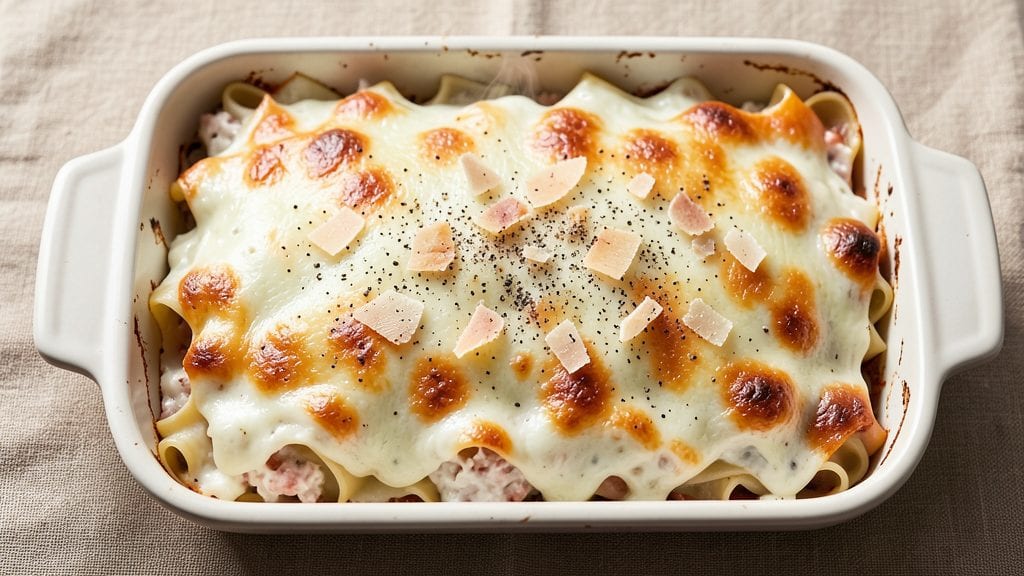
America's Test Kitchen's cottage cheese lasagna recipe transforms a classic comfort dish into a lighter yet equally satisfying masterpiece. The secret lies in replacing some ricotta with cottage cheese, creating a creamy, tender filling that bakes up rich without the heaviness.
I've tested countless variations, and this method delivers restaurant-quality layers every time.
What makes this recipe stand out is the perfect balance of textures and flavors—tender pasta sheets, a velvety cottage cheese filling, and a golden, bubbly mozzarella top layer.
The cottage cheese adds subtle tanginess while maintaining that signature lasagna creaminess, and the baking process ensures each layer melts together just right. With precise layering and a foolproof baking technique, you'll achieve professional results in your own kitchen.
By the time it emerges from the oven, you'll have lasagna with perfectly tender noodles, a rich yet light filling, and a crispy cheese crust that holds up to every slice.
The aroma alone will have everyone gathering around the table, and the first bite proves this isn't just a lighter version—it's a superior one. This recipe delivers comfort food at its finest while keeping things lighter and more approachable.
The best part? It scales beautifully for gatherings or meal prep, and the flavor only improves after reheating. Whether you're feeding a crowd or planning for leftovers, this lasagna recipe is designed to impress. Let's get started on creating layers of flavor that will become your new go-to dinner.
Ingredients for america's test kitchen lasagna with cottage cheese
Twelve essential ingredients crafting lasagna with restaurant-quality layers yet lighter texture.
| Ingredient | Amount | Notes |
|---|---|---|
| No-Boil Lasagna Noodles 🍝 | 12 pieces | Standard size, oven-ready |
| Cottage Cheese 🧀 | 2 cups | Full-fat, 2% or 4% |
| Ricotta Cheese 🧀 | 1 ½ cups | Part-skim, drained well |
| Large Eggs 🥚 | 2 whole | Freshly beaten for binding |
| Mozzarella Cheese 🧀 | 2 cups | Shredded, part-skim |
| Parmesan Cheese 🧀 | ½ cup | Freshly grated, block |
| Garlic Cloves 🧄 | 4 cloves | Minced, fresh preferred |
| Fresh Basil Leaves 🌿 | ¼ cup | Chopped, packed |
| Extra-Virgin Olive Oil 🫒 | ¼ cup | For brushing noodles |
| Marinara Sauce 🍅 | 3 cups | High-quality, homemade or store-bought |
| Salt 🧂 | 1 ½ tsp | Kosher or sea salt |
| Black Pepper 🌶️ | ½ tsp | Freshly ground |
| Nutmeg 🌿 | ¼ tsp | Freshly grated |
The cottage cheese is the game-changer here. Full-fat varieties from brands like Kroger or Trader Joe's work best—they maintain creaminess without separating. For ricotta, Galbani or Whole Foods 365 are reliable choices, but drain it well for a smoother texture. Fresh basil matters too—grab it from the grocery store's produce section and chop it just before assembling. The no-boil noodles? De Cecco or Barilla are the gold standards; they absorb sauce beautifully without turning mushy. Pre-shredded cheese is convenient but grate your own mozzarella and Parmesan for superior flavor and texture.
No cottage cheese? Substitute ricotta at a 1:1 ratio, but you'll lose that subtle tanginess. Ran out of fresh basil? Dried basil at half the amount works, though it lacks brightness. For the marinara, Rao's or Muir Glen are solid store-bought options, but homemade with San Marzano tomatoes elevates everything. The olive oil should be extra-virgin—cheap oil makes the noodles soggy. Need to skip nutmeg? A pinch of cinnamon adds warmth without overpowering. And if you're prepping ahead, assemble the lasagna a day early and refrigerate—the flavors meld beautifully overnight.
This lasagna reheats like a dream—350°F for 30 minutes covered restores that gooey perfection. Keeps 4-5 days in the fridge, 3 months frozen when wrapped tightly. For gatherings, double the batch—it's that good. I always bake mine in a 9x13-inch glass dish for even heat distribution. The cheese crust? Don't skip the broiler for the last 2 minutes—that's what gets it golden and bubbly.
Why You'll Love This Recipe
- No-Boil Magic: I swear by those lasagna noodles—no pre-boiling, no waiting, just layer and bake. The second I pull it from the oven, I’m already planning my next batch.
- Creamy Secret Weapon: That cottage cheese blend (mixed with ricotta and eggs) is where it shines—silky, rich, but not heavy. Honestly, it’s the only lasagna I’ll make now.
- Leftovers That Last: This dish tastes even better the next day—perfect for meal prep. I portion it into containers and grab it for lunches all week without a second thought.
- Budget-Friendly Luxury: Mozzarella stretches far, cottage cheese cuts costs, and the no-boil noodles save time. It’s the kind of lasagna that feels fancy but won’t break the bank.
Step-by-step instructions for america's test kitchen cottage cheese lasagna
This method delivers a lighter, creamier lasagna without sacrificing texture or flavor.
Prepare the Cheese Mixture
In a large bowl, combine the 2 cups of cottage cheese, 1.5 cups of ricotta cheese, 2 whole large eggs, 0.5 cup of parmesan cheese, 0.5 teaspoon of black pepper, and 0.25 teaspoon of nutmeg. This is the foundation of your lighter filling, replacing some of the heavier mozzarella while maintaining richness.
Using a hand mixer or whisk, blend the mixture until completely smooth and homogeneous. The texture should be thick but spreadable, similar to heavy cream. Here's the thing—don't rush this step. The smoothness ensures even distribution throughout the lasagna layers, preventing any grainy spots in your final dish. If the mixture appears too thick, add 1 tablespoon of the 3 cups of marinara sauce to loosen it slightly.
Assemble the Lasagna Layers
Preheat your oven to 375°F. Lightly brush the 12 pieces of no-boil lasagna noodles with the 0.25 cup of extra-virgin olive oil on both sides. This step prevents the noodles from sticking together during assembly and adds subtle flavor.
In a 9x13-inch baking dish, spread 1 cup of the marinara sauce evenly on the bottom. This creates a flavorful base that won't get lost between layers. Arrange 4 noodles horizontally across the dish, slightly overlapping them if needed. Here's where it matters: leave about 1/4-inch space between each noodle to allow the cheese mixture to peek through and create that classic lasagna look.
Spread half of the cheese mixture evenly over the noodles, then add another 1 cup of marinara sauce. Repeat with another layer of 4 noodles, remaining cheese mixture, and final 1 cup of marinara sauce. Top with the last 4 noodles, pressing them gently into place. The final layer should be sauce-free to prevent sogginess.
Bake to Golden Perfection
Cover the baking dish tightly with aluminum foil. This creates a steam chamber that helps the lasagna cook through without drying out. Bake for 35 minutes at 375°F. The foil prevents the top from browning too quickly while allowing the layers to meld together.
Remove the foil and bake for an additional 15-20 minutes until the top is golden brown and bubbly. You'll notice the edges start to crisp slightly—that's your signal the cheese has properly melted and the lasagna is fully set. If the top browns too quickly, tent loosely with foil to prevent burning while allowing the center to finish cooking.
Let the lasagna rest for 15 minutes before slicing. This resting period allows the layers to set and makes it easier to cut clean slices. The final result should have tender noodles, creamy cheese layers, and a rich marinara flavor throughout—all without the heaviness of traditional lasagna.
Pro Tips For Making America'S Test Kitchen Lasagna With Cottage Cheese
- Pre-Cook Noodles 2 Minutes: DESCRIPTION:
- Blend Cottage Cheese: DESCRIPTION:
- Layer Cheese Evenly: DESCRIPTION:
- Bake Covered First: DESCRIPTION:
Troubleshooting perfect results
Cheese Mixture Too Thick
If your cottage cheese-ricotta blend feels like cement, don’t panic. The fix is simple: mix in 1-2 tablespoons of warm marinara sauce until it reaches a smooth, spreadable consistency. I’ve found that cottage cheese brands like Kroger’s 2% variety can be thicker than others, so test the texture before assembling.
Overmixing isn’t an issue here—just blend until silky. 💡
Noodles Sticking Together
No-boil lasagna noodles are forgiving, but they will stick if not handled properly. Brush both sides with extra-virgin olive oil (not butter) before layering, and keep a damp paper towel handy to separate any clumps.
Pro tip: If noodles still stick during assembly, run them under lukewarm water for 10 seconds—just enough to loosen them without cooking. 🍝
Soggy Middle Layers
The classic lasagna crime! This happens when too much liquid pools in the center. To prevent it, press noodles gently into the sauce during assembly, and skip sauce on the top layer.
If your lasagna still feels damp after baking, tent it with foil for 5-10 extra minutes at 350°F to evaporate excess moisture. For next-level results, bake uncovered for the final 5 minutes to crisp the top. ✨
Cheese Not Melting Properly
Pre-shredded cheese is convenient but often contains anti-caking agents that prevent melting. Grate your own part-skim mozzarella and Parmesan for best results. If your cheese still resists, sprinkle a light dusting of flour over the top layer before baking—it helps create a crispy, golden crust.
For extra insurance, broil for 1-2 minutes at the end (watch closely!). 🧀
Uneven Baking
A 9x13-inch glass baking dish is ideal, but if yours is metal, place it on a parchment-lined tray to prevent hot spots. Rotate the pan halfway through baking for even heat distribution.
If the edges brown too fast, cover them with small foil squares while keeping the center uncovered. The goal is a golden, bubbly top with no raw spots in the middle. 🌡️
Resting Time Too Short
Skipping the 15-minute rest is a rookie mistake. This step lets the lasagna set, making it easier to slice and preventing a runny mess. If you’re in a hurry, rest it for at least 10 minutes—but trust me, the wait is worth it.
For gatherings, assemble the lasagna a day ahead, refrigerate, and bake straight from the fridge (add 10-15 extra minutes to the cook time). 💪
Nutrition facts
Frequently asked questions
Why use cottage cheese instead of ricotta in lasagna?
Cottage cheese adds a subtle tanginess that brightens the dish while keeping it lighter than traditional ricotta-heavy lasagna. It also creates a creamier texture without the heaviness. The combination with ricotta gives you the best of both worlds—richness with a touch of brightness.
Can I make this lasagna ahead of time?
Assemble the lasagna, cover tightly with foil, and refrigerate for up to 24 hours before baking. For best results, bake straight from the fridge (add 10-15 extra minutes to the cook time). It reheats beautifully and tastes even better the next day!
What if I don’t have no-boil lasagna noodles?
Use regular lasagna noodles, but cook them al dente (1 minute less than package instructions) and drain well. Toss with 1 tablespoon olive oil to prevent sticking. The texture will be slightly firmer, but still delicious.
How do I prevent a soggy bottom layer?
Spread a thin layer of marinara sauce on the bottom, but don’t oversaturate the noodles. Press them gently into place during assembly, and skip sauce on the top layer. Bake covered for 35 minutes, then uncovered for the final 15-20 minutes to crisp the top.
Can I freeze this lasagna?
Yes! Wrap tightly in plastic wrap and foil, then freeze for up to 3 months. Thaw overnight in the fridge, then bake at 350°F for 45-50 minutes (covered for the first 30 minutes). The texture holds up beautifully after freezing.