
Side Dishes
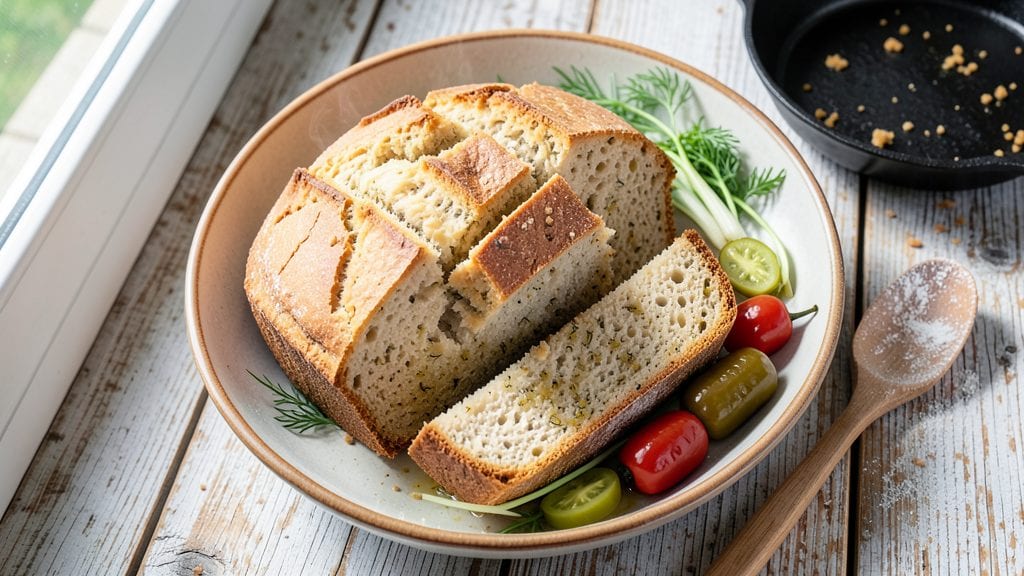
This Amish dill pickle bread recipe brings bold, tangy flavor and satisfying crunch to any meal table. The secret lies in blending sweet, savory, and briny elements through traditional Amish baking techniques—something I've perfected after years of testing variations.
What makes this recipe special is how it transforms simple pantry ingredients into a loaf with crispy edges, tender crumb, and pockets of dill pickle goodness that keep everyone reaching for seconds.
The process combines classic bread-making with a unique twist: chopped dill pickles add moisture and tang while keeping the texture light. You'll work with active dry yeast, all-purpose flour, and just the right amount of sugar to feed the yeast without overpowering the pickle flavor.
The dough rises twice—once for flavor development, then again for that perfect oven-spring—before baking at a precise 375°F for a golden, crackly crust.
What you'll end up with is a rustic loaf that's crispy on the outside, soft and airy inside, with bursts of tangy dill pickle throughout. The aroma alone will have your kitchen smelling like a Pennsylvania farmhouse kitchen.
This bread pairs perfectly with soups, sandwiches, or even as a side to hearty main dishes—its crunchy texture makes it irresistible.
For those who love texture variations, try adding extra pickles for more tang or a sprinkle of sesame seeds for nutty contrast. The recipe scales easily for gatherings, and leftovers stay fresh for days wrapped in a clean kitchen towel. Let's get baking!
Ingredients for amish dill pickle bread
Four cups flour, a splash of pickle juice, and yeast that works magic—here's what you need.
| Ingredient | Amount | Notes |
|---|---|---|
| Active Dry Yeast 🍞 | 2 ¼ tsp | Or 1 packet (0.25 oz) |
| Warm Water 💧 | 1 ¼ cups | 110°F for activating yeast |
| All-Purpose Flour 🌾 | 4 cups | Plus 1 tbsp for dusting |
| Granulated Sugar 🍚 | ½ cup | Feeds yeast without overpowering |
| Salt 🧂 | 1 ½ tsp | Kosher or sea salt |
| Dill Pickles 🥒 | 1 ½ cups | Chopped, with juice reserved |
| Unsalted Butter 🧈 | ½ cup | Cold, cubed for dough |
| Large Egg 🥚 | 1 whole | Room temperature |
| Sesame Seeds 🌰 | 1 tbsp | Optional for nutty crunch |
| Poppy Seeds 🌻 | 1 tbsp | Optional for extra texture |
| Garlic Powder 🧄 | 1 tsp | Enhances pickle flavor |
| Onion Powder 🧅 | 1 tsp | Adds savory depth |
The yeast is your secret weapon here. Bob's Red Mill or Saf-Instant are my go-tos—they activate faster and give that perfect rise. Grab a jar of Heinz or Vlasic dill pickles for that classic tang, but any good-quality dill pickle works. The juice is key—it keeps the dough moist without making it soggy. For the butter, Land O'Lakes or Plugrá are reliable, but any unsalted stick will do. Pro tip: Let your pickles sit out for 10 minutes before chopping so they're easier to handle (and less likely to slip).
No dill pickles? Relish or pickled green tomatoes can work in a pinch, but you'll lose that signature crunch and flavor. Short on sesame seeds? Everything bagel seasoning adds a similar pop. The garlic and onion powders are non-negotiable for that savory base—don't skip them. If you're feeling fancy, swap half the flour for whole wheat for a heartier texture. And if your yeast packet says 'rapid-rise,' cut the proofing time by half (but keep the first rise longer for flavor).
This dough is best fresh, but it keeps for 2 days wrapped tightly in plastic in the fridge. For longer storage, shape the loaf, wrap it in foil, and freeze it—bake straight from frozen, adding 5-10 minutes to the time. The bread reheats beautifully in a 350°F oven for 5 minutes to restore that crispy crust. Leftovers? Toss them in a paper bag and reheat for 30 seconds in the microwave—nothing beats warm pickle bread straight from the oven.
Why You'll Love This Recipe
- No-Knead Magic: Mixing the yeast, warm water, and flour takes all of two minutes—then you just let it rise while you sip coffee. Honestly, the hardest part is waiting, and even that feels rewarding.
- Tangy Twist: That first bite of dill pickle bread? The yeasty softness with a faint, briny edge from the pickles (even if you’re not adding them to the dough) is like a hug for your taste buds. It’s the kind of flavor that makes you reach for seconds without thinking.
- Breakfast to Picnic: This bread is my go-to for quick toast in the morning, packed sandwiches for lunch, or even as a side for Sunday dinners. Freeze the leftovers—sliced and wrapped in parchment—and they’ll stay fresh for weeks.
- Pantry Staple: Five ingredients, one bowl, zero fuss. The yeast and sugar do all the work while you’re busy with life, and the dough’s forgiving—overproofed? Just bake it longer. It’s the kind of recipe that turns up in my rotation for months.
Step-by-step instructions for Amish dill pickle bread
This tangy, crunchy loaf comes together with simple steps that pack serious flavor.
Activate the Yeast and Mix the Dough
In a large bowl, combine the 1.25 cups warm water (about 110°F) with the 2.25 teaspoons active dry yeast. Let it sit for 5-10 minutes until the mixture becomes frothy—that's your signal the yeast is alive and ready to work. If it doesn't bubble, your yeast might be dead, and you'll need to start over.
Once bubbly, add the 0.5 cup granulated sugar, 1.5 teaspoons salt, 1 teaspoon garlic powder, and 1 teaspoon onion powder to the yeast mixture. Stir until everything dissolves completely. This sweet-savory base sets the foundation for that signature tangy flavor we're after.
Next, cut the 0.5 cup cold unsalted butter into small cubes and add them to the wet ingredients. Let the butter soften slightly in the warm water—this helps create a tender crumb later. Then add the 1 whole large egg and mix until fully incorporated. The butter should be mostly melted but still hold its shape slightly.
Combine Dry Ingredients and Knead the Dough
In a separate bowl, whisk together the 4 cups all-purpose flour plus 1 tablespoon for dusting. This extra flour prevents sticking during kneading. Make a well in the center and pour in the wet ingredients. Use a wooden spoon or your hands to gradually incorporate the flour until a shaggy dough forms.
Now comes the fun part—kneading. Turn the dough onto a lightly floured surface and knead for about 8-10 minutes until smooth and elastic. You'll know it's ready when it springs back slowly when poked. This step develops the gluten, which gives our bread that perfect chewy texture we love in Amish bread.
After kneading, return the dough to the bowl. Cover it with a clean kitchen towel and let it rise in a warm place for about 1 hour or until it doubles in size. You'll see it puff up dramatically—that's how you know it's ready for the next step. If your kitchen isn't warm, place the bowl near a slightly warm oven with the light on to help it rise faster.
Incorporate Pickles and Shape the Loaf
Once the dough has risen, punch it down to release the air. Now we'll add the star ingredient—the 1.5 cups chopped dill pickles with their juice reserved. Gently fold the pickles into the dough by hand, being careful not to overwork it. You want to distribute those tangy chunks evenly throughout.
This is where the magic happens. The pickles will add moisture and that signature tangy flavor that makes this bread so special. If you reserved some pickle juice, add about 2 tablespoons to the dough—this helps keep it moist during baking. The dough will be sticky, so don't be afraid to get your hands in there and work with it.
Shape the dough into a single long loaf about 12 inches long. Place it seam-side down in a greased 9x5-inch loaf pan. Cover it again with the towel and let it rise for another 30-45 minutes until it's just about overflowing the pan. This second rise ensures our bread will have that perfect height and texture.
Bake to Golden Perfection
Preheat your oven to 350°F while the dough rises. When ready, bake the loaf for 45-50 minutes until it's golden brown on top and sounds hollow when tapped on the bottom. This is the moment of truth—you'll smell that delicious tangy aroma filling your kitchen.
About 10 minutes before the bread is done, sprinkle the 1 tablespoon sesame seeds and 1 tablespoon poppy seeds evenly over the top. These add beautiful texture and nutty contrast to the tangy bread. The seeds should toast slightly during the final minutes of baking, giving you that perfect crunch.
Remove the bread from the oven and let it cool in the pan for 10 minutes before transferring it to a wire rack. This resting period helps the bread set properly. Once cooled, slice it thickly—this bread is best enjoyed fresh from the oven, with that warm, tangy goodness melting in your mouth.
Pro Tips For Making Amish Dill Pickle Bread
- Bloom Yeast Properly: Mix the active dry yeast with warm water (110°F) and a pinch of sugar first—let it sit for 5-10 minutes until frothy. This guarantees your dough won’t fail if the flour’s freshness is questionable or your kitchen runs cold.
- Measure Flour Correctly: Use the spoon-and-level method—don’t scoop directly from the bag. Packed flour makes dense bread; light, aerated flour gives the right texture. (Yes, even if the recipe says "1 cup flour"—it’s not always accurate.)
- Skip the Over-Kneading: Knead just until the dough pulls away from the bowl and springs back when poked—about 8-10 minutes. Overworked gluten makes the bread tough, and this isn’t a baguette.
- Proof in a Warm Spot: Place the dough in a lightly oiled bowl, cover it with a damp towel, and let it rise in a warm oven (with the light on) or near a sunny window. Consistency matters more than time—doubled size means it’s ready.
Pro cooking tips for perfect results
Yeast Activation Secrets
The first step is all about getting your yeast lively—this makes or breaks your rise. I always use 110°F water (test with your finger—it should feel warm but not hot). If your kitchen runs cold, pop the bowl in a 375°F oven for 2-3 minutes first to warm it up.
The yeast should foam within 5-10 minutes—if it doesn't, your yeast is dead, and you'll need to start fresh. Honestly, this is where most home bakers go wrong—they skip checking or use water that's too hot and kill the yeast instantly. 💡
Dough Kneading Mastery
Kneading is where the gluten develops, giving your bread that perfect chewy texture. I use a lightly floured surface and knead for exactly 8-10 minutes—set a timer! You'll know it's ready when the dough springs back slowly when poked.
For extra strength, I sometimes add 1 teaspoon vital wheat gluten to the flour for a more elastic dough. And if your hands get tired, use a stand mixer with a dough hook on low speed for 5-6 minutes. Just don't overmix or you'll get a tough loaf. 💪
Pickle Integration Tricks
Adding pickles is an art—you want even distribution without overworking the dough. I chop the pickles into ½-inch chunks and fold them in gently by hand after the first rise. For extra tang, reserve 2 tablespoons pickle juice and add it to the dough.
Pro tip: If your dough feels too sticky, chill it for 15 minutes before shaping—this makes handling much easier. And if you're feeling adventurous, add 1 teaspoon dried dill to the dough for that authentic Amish flavor boost. 🥒
Rise Time Hacks
Getting the perfect rise takes patience. I always use a warm oven with the light on (about 70°F) for the first rise—this creates a cozy environment. For the second rise, I cover the dough with a damp towel to keep it moist.
If your kitchen is drafty, place the bowl in a large Ziploc bag to trap heat. And here's a secret: If your dough rises too quickly (in under 30 minutes), it's often overproofed—this leads to a dense loaf. 🌡️
Baking Like a Pro
Baking at 350°F gives that perfect golden crust, but timing is everything. I bake for 45-50 minutes until the top is golden and it sounds hollow when tapped. For extra crispiness, I like to brush the crust with a little pickle juice right after baking.
And if you want that restaurant-quality look, sprinkle seeds 5 minutes before baking ends—they'll toast beautifully. The bread will be at its peak freshness right out of the oven, so don't skip the cooling time! 🔥
Troubleshooting Tangy Troubles
If your bread turns out too dense, you likely overproofed the dough or didn't knead enough. For a soggy texture, reduce the pickle juice or add 1 extra tablespoon flour to the dough. And if the flavor isn't tangy enough, try adding ½ teaspoon white vinegar to the dough.
The key is balance—too much pickle juice makes it gummy, while too little leaves you missing that signature zing. 💛
Nutrition facts
Frequently asked questions
Can I make this bread without dill pickles?
The pickles are what give this bread its signature tangy flavor and moisture. For a substitute, try ½ cup chopped pickled green tomatoes or ¼ cup relish, but the texture and flavor won't be identical. If you're avoiding pickles entirely, reduce the pickle juice by 2 tablespoons and add 1 extra tablespoon flour to maintain structure.
How do I store leftover Amish dill pickle bread?
Wrap the cooled loaf tightly in a clean kitchen towel or aluminum foil to maintain freshness. It stays good at room temperature for 2-3 days. For longer storage, freeze the bread (wrapped in foil) for up to 3 months. To reheat, wrap slices in foil and warm in a 350°F oven for 5-7 minutes until crispy again.
Why did my bread turn out dense instead of light and airy?
Dense bread usually means the yeast didn't activate properly or the dough was overproofed. Double-check your yeast by testing it in warm water first—it should foam within 5-10 minutes. Also, ensure you kneaded for the full 8-10 minutes to develop gluten. If your kitchen is cold, use a warm oven with the light on for rising instead of relying on room temperature.
Can I make this bread in a Dutch oven for a crustier texture?
Shape the dough into a round loaf and bake it in a preheated 450°F Dutch oven for 25 minutes, then reduce heat to 350°F and bake another 20-25 minutes until golden. The Dutch oven creates steam for a crispier crust while keeping the interior moist. Just reduce the pickle juice by 1 tablespoon to prevent sogginess.
What's the best way to serve this bread?
This bread shines as a side with soups, chili, or meatloaf, or as a sandwich base for roast beef or turkey. For a sweet twist, serve with butter and honey or cream cheese and smoked salmon. The crunchy texture makes it perfect for dipping in olive oil or garlic butter too.