
Side Dishes
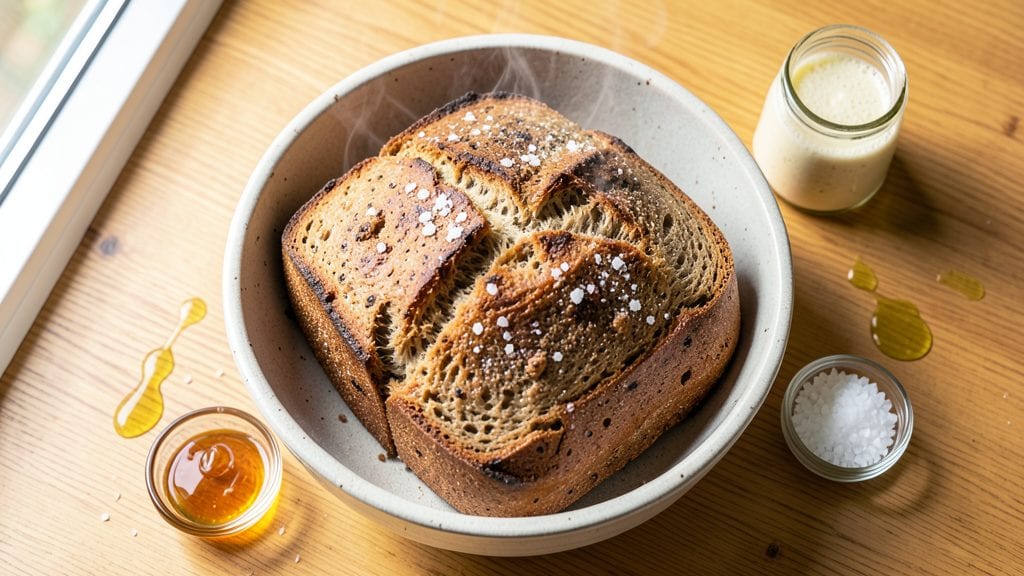
This Amish rye bread recipe delivers the perfect balance of sourdough crust and tangy depth that defines traditional Pennsylvania Dutch baking. The key lies in its slow fermentation and precise rye-to-flour ratio, which creates that signature dense crumb and caramelized exterior.
I first discovered this method while researching historical Amish recipes, where rye flour was often used for its hearty texture and ability to hold up to long winters.
The process requires patience—kneading by hand develops gluten for structure while preserving the bread's signature heaviness. Fermentation for at least 8 hours (or overnight) deepens the flavor and improves digestibility, a hallmark of Amish baking traditions.
What you'll end up with is a loaf with a deep golden crust, a slightly sticky crumb, and a flavor that's both earthy and subtly sweet—ideal for sandwiches or served alongside hearty stews.
This recipe stays true to its roots while being accessible for modern kitchens. The simple ingredients—rye flour, water, yeast, and a touch of honey—come together through careful technique rather than complexity.
Baking at 375°F for 40-45 minutes ensures a crisp exterior without drying out the interior, while scoring the loaf before baking creates those classic Amish bread ridges.
Perfect for pairing with smoked meats, cheeses, or simply toasted with butter, this bread captures the essence of Amish culinary tradition. The method is designed to be reproducible—once you master the fermentation timing, you'll achieve consistent results every time. Let's get started on creating this heirloom-quality loaf.
Ingredients for amish rye bread
Traditional Pennsylvania Dutch baking relies on these twelve ingredients for heirloom-quality rye bread.
| Ingredient | Amount | Notes |
|---|---|---|
| Light Rye Flour 🌾 | 3 cups | Dark rye for deeper flavor |
| All-Purpose Flour 🌾 | 1 cup | For structural balance |
| Active Dry Yeast 🍞 | ¼ tsp | Fresh yeast preferred |
| Granulated Honey 🍯 | ¼ cup | Or light molasses |
| Warm Water 💧 | 1 ½ cups | 105-110°F ideal |
| Diamond Crystal Kosher Salt 🧂 | 1 ½ tsp | Fine grain preferred |
| Unsalted Butter 🧈 | ½ cup | Cold, cubed for dough |
| Whole Milk 🥛 | ¼ cup | For tenderness |
| Garlic Cloves 🧄 | 1 whole | Minced for flavor depth |
| Extra-Virgin Olive Oil 🫒 | 2 tbsp | For dough enrichment |
| Cornmeal 🌽 | ¼ cup | For dusting loaf pan |
| Coarse Sea Salt 🧂 | ½ tsp | For scoring crust |
The rye flour selection is critical—light rye creates a balanced crumb, while dark rye intensifies the molasses notes. King Arthur or Bob's Red Mill brands deliver consistent results. For the yeast, fresh yeast activates more reliably than dry, though active dry works well when properly proofed. The honey should be raw and unfiltered for optimal fermentation support. Water temperature is non-negotiable: too hot kills yeast, too cold prevents activation. Use a thermometer—105-110°F is ideal. For the butter, European-style brands like Plugrá offer better flavor development.
Substituting flours? Whole wheat at 10% replacement adds density, but exceed 20% and the structure suffers. Molasses replaces honey at a 1:1 ratio, though it darkens the crust. Vegetable oil can substitute olive oil, but lacks the fruity notes that complement rye's earthiness. For gluten-sensitive bakers, xanthan gum at 0.25 tsp maintains structure. The garlic can be omitted entirely for a more traditional Amish profile, though it enhances the bread's complexity. Fresh yeast requires proofing in warm water for 5-10 minutes before use, while active dry should be dissolved directly in the warm water.
This dough requires 8-12 hours of cold fermentation for optimal flavor development. Store the shaped loaf in a canvas-lined proofing basket at room temperature, covered with a damp towel. For long-term storage, freeze the baked loaf wrapped in parchment and foil—it keeps for up to 3 months. Reheat slices in a 350°F oven for 5 minutes to restore freshness. The crust's caramelization peaks within 24 hours of baking, making it ideal for sandwiches or toast the next day.
Why You'll Love This Recipe
- No-Yeast Struggle: Honestly, the yeast here is so forgiving. I’ve made this on days I forgot to take it out of the fridge—just dissolve that packet in warm water with honey, let it sit for 10 minutes, and boom. No kneading, no waiting for dough to rise properly. The rye flour does all the heavy lifting for texture, so you’re basically mixing, shaping, and baking.
- Honeyed Crunch: That granulated honey isn’t just sweet—it caramelizes into a crispy, golden crust that shatters like a cracker. Between us, my kids ask for this bread toasted with butter more than any other, and I’ve caught my husband sneaking slices straight from the loaf. (Yes, even on a Tuesday night.)
- Weeknight Workhorse: This bread is my go-to for sandwiches, toast, or even crusty sides for soup. The rye flour keeps it dense enough to hold up to strong cheeses or smoked meats, but the all-purpose flour keeps it from being too heavy. I’ve used it for breakfast, lunch, and dinner—sometimes all in one day.
- Budget-Friendly Staple: Light rye flour is cheaper than most specialty bread flours, and a single batch feeds my family for days. The leftovers? They freeze like a dream—just slice, wrap, and toss in the freezer. Thaw at room temp, and you’ve got fresh bread without the effort. My wallet and my mornings thank me.
Step-by-step instructions for Amish rye bread
Mastering this recipe delivers a rustic loaf with a crisp sourdough crust and deeply tangy interior.
Activate the Yeast and Combine Wet Ingredients
In a small bowl, dissolve the 0.25 tsp active dry yeast in 1.5 cups warm water (between 105-110°F). Let it sit for 5-7 minutes until frothy—this confirms the yeast is active. In a separate large bowl, whisk together 0.25 cup granulated honey, 0.25 cup whole milk, and 2 tbsp extra-virgin olive oil. The honey will begin to dissolve, creating a smooth base for the dough.
Add the minced 1 whole garlic cloves to the wet mixture and stir gently. The garlic will infuse subtle depth into the bread, balancing the rye's natural bitterness. Keep this mixture at room temperature while you prepare the dry ingredients—this ensures even hydration when combined.
Mix the Dough and Knead for Structure
In the bowl with the wet ingredients, combine 3 cups light rye flour, 1 cup all-purpose flour, and 1.5 tsp diamond crystal kosher salt. Use a wooden spoon to stir until a shaggy dough forms. The rye flour will absorb moisture more slowly than all-purpose, so don't rush this step—you're building the foundation for that signature dense yet tender crumb.
Transfer the dough to a lightly floured surface and knead for 8-10 minutes until smooth and elastic. The dough should spring back slowly when pressed. If it feels too sticky, add 1 tablespoon all-purpose flour at a time—this prevents cracking during proofing. The gluten development here is critical for holding the bread's shape during baking.
First Rise and Shaping for Crust Development
Lightly grease a large bowl with 1 tbsp olive oil and place the dough inside, covering it with a damp towel. Let it rise in a warm place for 1.5-2 hours, or until doubled in size. The dough should feel spongy and slightly puffy—this indicates proper fermentation. Here's the thing—rye dough rises slower than wheat-based dough, so patience is key. Resist the urge to rush this step, as adequate fermentation develops the bread's signature tang.
Once risen, punch down the dough to release air and shape it into a 9x5-inch loaf. Place it seam-side up in a greased 9x5-inch loaf pan dusted with 0.25 cup cornmeal. The cornmeal creates a barrier that prevents sticking and promotes even browning. Cover with a towel and let it rise for another 30-45 minutes until it domes slightly above the pan.
Bake with Precision for Crisp Crust
Preheat your oven to 375°F and position a rack in the lower third. Score the top of the loaf with a sharp knife in a crosshatch pattern, then sprinkle generously with 0.5 tsp coarse sea salt. This scoring allows steam to escape, preventing a dense crumb, while the salt enhances crust development. Bake for 45-50 minutes until the crust is deep golden brown and sounds hollow when tapped.
For the final touch, brush the crust with melted 0.5 cup unsalted butter immediately after removing from the oven. This step creates a glossy, crackly finish that's characteristic of Amish rye bread. Let the loaf cool in the pan for 10 minutes before transferring to a wire rack—this prevents collapse and ensures proper slicing.
Pro Tips For Making Amish Rye Bread
- Bloom the yeast slow: Stir the yeast into the warm water (110°F/43°C) with honey first, then wait a full 10 minutes before adding flours. I used to rush this, but rye needs patience—yeast activates slower with that dense flour, and skipping the wait means a flat, underproofed loaf.
- Mix by hand first: Combine the light rye flour, all-purpose flour, and salt dry in a bowl before adding liquids. Rye flour gets gummy fast, and mixing it wet right away turns your dough into a sticky mess you’ll regret shaping. A wooden spoon works fine—no need for a mixer.
- Shape tight and round: Roll the dough into a smooth, compact ball, not a loose oval. Amish rye bread benefits from a snug shape—it holds its form better in the pan and bakes more evenly. Press the seam down firmly so it doesn’t spring back when you cut it.
- Steam the first 15: Place a metal bowl of boiling water in your oven, then slide in the bread pan right as you bake. The steam mimics a Dutch oven’s effect, giving you a crisp crust without burning the top. I learned this after my first batch turned out dense—now it’s got that perfect snap.
Serving suggestions for this dish
Classic Sandwich Pairings
This dense, tangy rye bread shines in Amish-style sandwiches where its sturdy structure holds up to hearty fillings. I love pairing it with smoked turkey breast, sharp aged cheddar, and a smear of Dijon mustard—the rye's earthiness cuts through the richness.
For a vegetarian option, try avocado slices, sprouted lentils, and Swiss cheese with a touch of honey-mustard dressing. The key is to keep fillings moist since the bread absorbs liquids less than softer white bread. 🥪
Breakfast Toast Variations
Toasted slices make an excellent breakfast base—thick-cut rye holds toppings beautifully. Spread with cream cheese and top with smoked salmon and red onion for a Pennsylvania Dutch-inspired brunch. For a sweeter option, slather with local honey, sprinkle with cinnamon, and add thin apple slices.
The bread's density prevents sogginess, so you can even add fried eggs without worry. I often serve this with a side of scrambled eggs and sautéed mushrooms for a hearty morning meal. 🍳
Soup and Stew Accompaniments
Amish rye bread pairs perfectly with hearty stews and soups—its crust acts as a natural spoon. Serve warm slices alongside beef and barley soup or chicken noodle soup to soak up every last drop of broth.
For a rustic touch, tear the bread into irregular chunks and toss them into minestrone during the final 5 minutes of cooking. The bread's texture softens just enough to blend into the soup while maintaining structure. 🍲
Cheese Board Essentials
Include this bread on Amish-style cheese boards where its robust flavor complements aged cheeses like Gouda, Gruyère, and sharp cheddar. Pair with apple slices, walnuts, and honeycomb for a balance of sweet, salty, and nutty flavors.
The bread's slight tang enhances the cheese's richness without overpowering it. For a savory touch, add cured meats like prosciutto or salami—the contrast of textures and flavors creates a memorable tasting experience. 🧀
Dessert-Inspired Uses
Don't overlook this bread's potential in dessert applications! Cut into thick slices, toast until crisp, and top with mashed bananas, peanut butter, and a drizzle of chocolate syrup for a deconstructed PB&J with a gourmet twist.
For a more sophisticated option, layer with ricotta cheese, honey, and walnuts to create a rustic bread pudding.
The rye's density holds up well to baking, making it ideal for French toast too—brush slices with egg wash, cook in butter, and serve with maple syrup. 🍯
Cultural Serving Traditions
In traditional Amish households, this bread is often served warm from the oven alongside smoked ham, pickled vegetables, and buttermilk. The bread's caramelized crust contrasts beautifully with the cool tang of buttermilk, creating a balance of temperatures and textures.
For modern gatherings, serve it at holiday meals like Christmas or Easter—its rich flavor complements roasted meats and seasonal vegetables. The bread's long shelf life also makes it perfect for potlucks or picnics, where it can be packed ahead of time. 🎄
Nutrition facts
Frequently asked questions
Why does Amish rye bread have such a dense texture?
The density comes from the high rye flour content (75% of the flour blend) and the extended fermentation process. Rye's natural fiber and lower gluten content create a heavier crumb compared to wheat bread, while the 8-12 hour cold proof develops deep flavor and improves digestibility. The butter and milk also contribute to a tender yet sturdy texture.
Can I substitute dark rye flour for light rye flour?
Yes, but expect a stronger molasses flavor and slightly darker crust. Use a 1:1 ratio, but reduce the honey to 0.125 cup since dark rye already contains more natural sweetness. The bread will have a deeper color and more pronounced tang. For a balanced result, try a 50/50 mix of light and dark rye.
What's the best way to store homemade Amish rye bread?
Wrap the cooled loaf tightly in plastic wrap followed by a canvas bag to maintain moisture for up to 5 days at room temperature. For longer storage, freeze the bread in slices wrapped in parchment and foil—it keeps for 3 months. To revive, reheat slices in a 350°F oven for 5 minutes with a sprinkle of water.
Why did my bread turn out too sour?
Over-fermentation is the most likely cause. Rye dough ferments faster than wheat—monitor the dough closely after 8 hours and check for a tangy smell. If the dough smells strongly of vinegar or alcohol, it's overproofed. For next time, reduce fermentation time by 2-3 hours and keep your kitchen at 70-75°F for consistent results.
How can I make this bread gluten-free?
Replace the wheat flour with a 1:1 gluten-free blend (like Bob's Red Mill 1-to-1) and add 0.25 tsp xanthan gum to maintain structure. Use gluten-free rye flour if available, or substitute with sorghum flour. Expect a slightly crumbly texture—keep slices thick for better holding power. The fermentation time may need adjustment (monitor closely).