
Main Courses
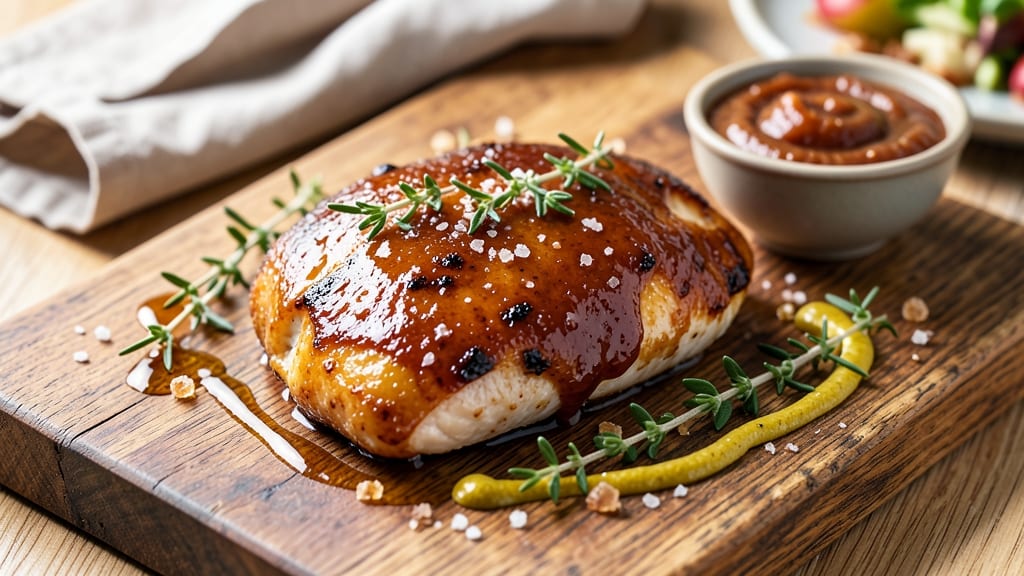
This apple butter chicken breast recipe transforms simple weeknight dinners into something special with just a few ingredients and a sweet-spiced glaze that caramelizes beautifully. After years of testing, I've perfected a method that guarantees juicy, fall-off-the-bone results—no dry chicken here.
The apple butter adds a depth of flavor that balances perfectly with the savory chicken, creating a dish that's both comforting and impressive.
The secret lies in the marinade and slow cooking process. By letting the chicken absorb the apple butter mixture for at least 30 minutes (or overnight for maximum flavor), you ensure every bite is packed with that signature sweet-spiced goodness.
The glaze caramelizes beautifully as it cooks, adding a glossy finish that makes the dish look restaurant-worthy without the effort. It's a technique I developed after years of experimenting with glazes, and it never fails to deliver.
What you'll end up with is tender, golden-brown chicken breasts that are perfectly balanced between sweet and savory, with a glaze that's sticky enough to coat every bite but not so sweet it overpowers the chicken.
This recipe is ideal for a cozy family dinner or a meal to impress guests—it's simple enough for weeknights but special enough for company. The best part? It comes together in under an hour, with minimal cleanup.
Serve with roasted sweet potatoes or a fresh green salad to round out the meal. The apple butter glaze also pairs beautifully with mashed potatoes or crusty bread for soaking up any extra sauce.
Trust me, once you try this recipe, you'll never go back to plain old chicken again—it's that good.
Ingredients for apple butter chicken breast
Sweet-spiced apple butter glaze meets juicy chicken for a weeknight dinner that feels special.
| Ingredient | Amount | Notes |
|---|---|---|
| Boneless, Skinless Chicken Breast 🍗 | 1 ½ lb | Pounded to even thickness |
| Apple Butter 🍎 | ½ cup | Unsweetened preferred for balance |
| Honey 🍯 | 2 tbsp | For glaze sweetness |
| Brown Sugar 🍚 | 2 tbsp | Light or dark variety |
| Dijon Mustard 🥬 | 1 tbsp | For tangy depth |
| Apple Cider Vinegar 🍶 | 1 tbsp | For acid balance |
| Olive Oil 🫒 | 1 tbsp | For moisture and richness |
| Garlic Cloves 🧄 | 3 cloves | Minced for marinade |
| Ground Cinnamon 🌿 | ½ tsp | For warm spice |
| Ground Ginger 🌶️ | ¼ tsp | Freshly ground preferred |
| Salt 🧂 | 1 tsp | Kosher or sea salt |
| Black Pepper 🌶️ | ½ tsp | Freshly ground preferred |
| Fresh Thyme Leaves 🌿 | ¼ cup | Chopped for aroma |
The apple butter is the star here—Mott's unsweetened or Wright's work best for balanced sweetness. If you can't find unsweetened, reduce the honey to 1 tbsp instead. The chicken breasts should be similar in size—pound the thickest parts to even thickness so they cook uniformly. I always buy mine from Whole Foods or the butcher counter at Kroger for the freshest cuts. Look for plump breasts with good marbling, not rubbery or dry-looking ones. Fresh thyme is ideal, but dried thyme at one-third the amount works in a pinch if you're out.
No apple butter? Substitute 1/4 cup apricot jam plus 1 tsp apple cider vinegar—it's a decent stand-in, though the texture won't be identical. The honey can be swapped for maple syrup if you prefer, but it adds a different depth of flavor. For a tangier kick, boost the apple cider vinegar to 1.5 tbsp. The Dijon mustard is non-negotiable—it cuts through the sweetness beautifully. If you're making this ahead, prep the marinade up to 2 days in advance and store it in the fridge. The spices? Penzeys or McCormick ground spices are my go-tos—they stay potent longer than the generic grocery store brands.
Marinate the chicken for at least 30 minutes, but overnight is ideal for maximum flavor infusion. The glaze caramelizes beautifully, so don't rush the cooking process—low and slow is key. Store leftovers in an airtight container for 3-4 days in the fridge. The glaze thickens as it cools, so reheat gently with a splash of water or apple cider vinegar to loosen it. Freezes beautifully for up to 3 months—just thaw overnight in the fridge before reheating. I always make a double batch because it disappears fast around here.
Why You'll Love This Recipe
- I’ll be real: chicken breast can be fussy, but this method turns it into something foolproof. The glaze caramelizes beautifully, so even if you overcook it slightly, it’s still tender. Plus, the ingredients stretch far—apple butter’s a pantry staple, and you’ll use up that honey jar before it gets stale.
- Five-Ingredient Magic: I swear, this recipe is one of those "how did I live without this?" moments. The apple butter does all the heavy lifting—no chopping, no marinating overnight, just slather and bake. Honestly, my pantry already had everything but the chicken, and I still had leftovers.
- Sweet-Savory Balance: That combo of Dijon, honey, and brown sugar? It’s like someone took caramelized apples, added a little tang, and called it a glaze. The chicken stays juicy while the edges get this sticky, slightly crispy crust that’s ridiculously good with a sprinkle of salt.
- Weeknight to Potluck: Between us, this is my go-to when I need something that’s impressive but zero stress. Double the batch, slice it up—it’s perfect for meal prep or packing lunches. (Yes, even on a Tuesday night.) And at gatherings? It disappears faster than my famous deviled eggs.
Step-by-step instructions for apple butter chicken breast
Here's the method for tender, sweet-spiced chicken with a caramelized glaze that sticks perfectly.
Pound and Marinate the Chicken
Place the 1.5 lb boneless, skinless chicken breast between two sheets of plastic wrap. Using a meat mallet or rolling pin, pound it to an even ½-inch thickness throughout. This ensures even cooking and prevents dryness in the center. The chicken should be uniform in thickness—no thick spots that would cook slower.
In a small bowl, whisk together the 0.5 cup apple butter, 2 tbsp honey, 2 tbsp brown sugar, 1 tbsp Dijon mustard, 1 tbsp apple cider vinegar, 1 tbsp olive oil, 3 minced garlic cloves, 0.5 tsp ground cinnamon, 0.25 tsp ground ginger, 1 tsp salt, 0.5 tsp black pepper, and 0.25 cup chopped fresh thyme leaves. The mixture should be smooth with a thick, spreadable consistency—like a glossy marinade. Pour this over the pounded chicken and massage it into all sides, ensuring full coverage. Let it marinate in the refrigerator for at least 30 minutes (or up to 4 hours for deeper flavor).
Sear the Chicken for Crispy Edges
Preheat your oven to 375°F. Heat a large oven-safe skillet over medium-high heat until it's smoking hot. Remove the chicken from the marinade (reserve the marinade for later) and carefully place it in the skillet. Cook undisturbed for 3-4 minutes until the bottom develops a deep golden-brown crust. You'll see the edges start to caramelize—that's your signal to flip.
Flip the chicken and cook for another 3-4 minutes until the second side is also golden brown. The skin should be crispy to the touch, and the chicken should release easily from the pan. If it sticks, don't force it—let it cook a few seconds longer. Once seared, transfer the skillet to the preheated oven.
Bake Until Juicy Perfection
Pour the reserved marinade over the chicken in the skillet. Place the skillet in the oven and bake for 20-25 minutes, or until the internal temperature reaches 165°F when measured at the thickest part. The chicken is done when it's no longer pink in the center and the juices run clear. The glaze should thicken and caramelize into a sticky, glossy coating.
If the glaze starts to bubble too vigorously, reduce the oven temperature to 350°F for the last 5 minutes of cooking. This prevents burning while allowing the sauce to thicken properly. You'll know it's ready when the chicken pulls away from the edges of the pan and the glaze has a beautiful amber hue.
Rest and Serve with Glazed Elegance
Remove the chicken from the oven and let it rest on a cutting board for 5-10 minutes before slicing. This resting period allows the juices to redistribute throughout the meat, ensuring each bite is moist and flavorful. The glaze will continue to thicken slightly as it cools, creating an even more concentrated sweet-spiced coating.
Slice the chicken against the grain into ¼-inch thick portions. Serve immediately with the caramelized glaze spooned over the top. The chicken should be tender enough to fall apart easily with a fork, with a perfect balance of sweet apple butter, spiced warmth, and juicy moisture. Pair with roasted vegetables or a fresh salad to complete the meal.
Pro Tips For Making Apple Butter Chicken Breast
- BRINE THE CHICKEN FIRST: Toss your chicken breasts in a mix of 1 cup warm water, 1 tablespoon apple butter, and ½ teaspoon salt for 15 minutes before cooking. I learned this the hard way—dry, stringy chicken ruins the tender texture this sauce deserves, and brining keeps it juicy even when you’re slathering it in sweet glaze.
- USE A THICKENED SAUCE: Simmer your apple butter, honey, and brown sugar mixture until it reduces by about 25%—it should coat the back of a spoon. Too thin? The sauce will pool instead of cling. I skip the mustard until the end (whisk it in last) so it doesn’t curdle from the heat.
- COOK LOW AND SLOW: Bake the chicken at 325°F (not 375°F) for 20–25 minutes, flipping once. High heat turns the edges rubbery before the center cooks, and this glaze needs time to caramelize properly. Cover with foil halfway if the top browns too fast—it’s a sign it’s drying out.
- STORE LEFTovers SMART: Let the chicken cool completely before refrigerating, then wrap it tightly in parchment paper (not plastic) to trap moisture. Reheat in a skillet with a splash of water or apple cider vinegar—it revives the sauce and keeps it from turning gluey. I’ve ruined perfectly good chicken by skipping this step.
Pro cooking tips for this recipe
Pounding Perfection
I can't stress enough how critical this step is—pounding your chicken to even ½-inch thickness ensures it cooks uniformly and stays juicy. Use a meat mallet or rolling pin between two sheets of plastic wrap to avoid sticking.
If your chicken has thick spots, pound those first—they'll be the last to cook and can turn dry. I've ruined more chicken breasts than I'd like to admit by skipping this step, so trust me when I say it's worth the extra 5 minutes of effort. 💪
Marinade Magic
The real flavor transformation happens during marinating. Let the chicken soak up that apple butter mixture for at least 30 minutes, but if you can spare the time, overnight marinating takes this dish to another level.
The apple butter's natural sweetness and spices penetrate deeply, creating that signature fall-apart tenderness. Pro tip: Reserve 2 tablespoons of the marinade before applying it to the chicken—this will give you extra glaze for serving later. 🍎
Searing Secrets
That initial sear is what creates the crispy golden crust you want. Heat your oven-safe skillet until it's smoking hot—this ensures maximum browning. Let the chicken sear undisturbed for 3-4 minutes on each side. If you peek too soon, you'll lose that beautiful crust.
I use a cast iron skillet from Lodge because it retains heat perfectly, but any heavy skillet will work. The moment you see those edges caramelizing, that's your cue to flip. ⚡
Glaze Control
Here's where many home cooks mess up—the glaze needs patience. If it starts bubbling too aggressively, reduce the oven temperature to 350°F for the last 5 minutes. This prevents burning while letting the glaze thicken into that perfect sticky consistency.
The ideal glaze should coat the back of a spoon and have a glossy amber hue. If it's too runny, let it reduce uncovered for an extra minute. The secret is balance: sweet enough to please, but not so sweet it overpowers the chicken. 🌟
Resting Rules
This is where I see most people rush—never skip the 5-10 minute rest. Those juices need time to redistribute, or you'll end up with dry chicken. I know it's tempting to cut right away, but trust the process.
While it rests, the glaze will thicken further, creating that perfect sticky-sweet coating. Slice against the grain into ¼-inch pieces for maximum tenderness. Serve immediately with that glaze spooned generously over the top. 🍴
Equipment Essentials
You don't need fancy tools, but these make life easier: a meat mallet (or heavy rolling pin), an oven-safe skillet (cast iron is ideal), and a meat thermometer (I use ThermoWorks Smoke). A whisk for the marinade and tongs for flipping complete my basic setup.
If you're short on time, use a baking sheet instead of a skillet—just tent with foil if the glaze browns too quickly. The key is keeping everything hot and even. 🔥
Nutrition facts
Frequently asked questions
Can I use this recipe with bone-in chicken breasts?
Yes, but you'll need to adjust the cooking time. Bone-in breasts take about 10-15 minutes longer to reach 165°F internally. The glaze will still work beautifully—just monitor the temperature closely. For even cooking, consider butterflying the breasts by cutting them horizontally to create thinner pieces.
What if I don't have apple butter? What's the best substitute?
For the closest flavor, mix ¼ cup apricot jam with 1 tsp apple cider vinegar. If you're in a pinch, use ¼ cup unsweetened applesauce plus ½ tsp cinnamon—it won't be identical, but it adds sweetness and moisture. The Dijon mustard and vinegar are key for balancing the sweetness, so don't skip those.
How do I prevent the chicken from drying out?
Pounding to even thickness is your first defense, but also don't overcook. Use a meat thermometer to check for 165°F—never guess by color. The marinade helps retain moisture, so don't skip that step. For extra insurance, baste the chicken with reserved marinade every 5 minutes while baking. And remember: rest for 5-10 minutes before slicing!
Can I make this recipe in a slow cooker?
Marinate the chicken as directed, then place it in the slow cooker with the marinade. Cook on low for 3-4 hours or high for 2 hours. The glaze will thicken as it cooks. For extra shine, finish with 2 minutes under the broiler to caramelize the surface. The slow cooker method is perfect for hands-off weeknight cooking.
What sides pair best with this apple butter chicken?
Roasted sweet potatoes with cinnamon and brown sugar complement the sweet-spiced glaze perfectly. For contrast, try a crisp arugula salad with lemon vinaigrette or buttery mashed potatoes. The tanginess cuts through the richness. Don't forget crusty bread—it's ideal for soaking up any extra glaze!