
Main Courses
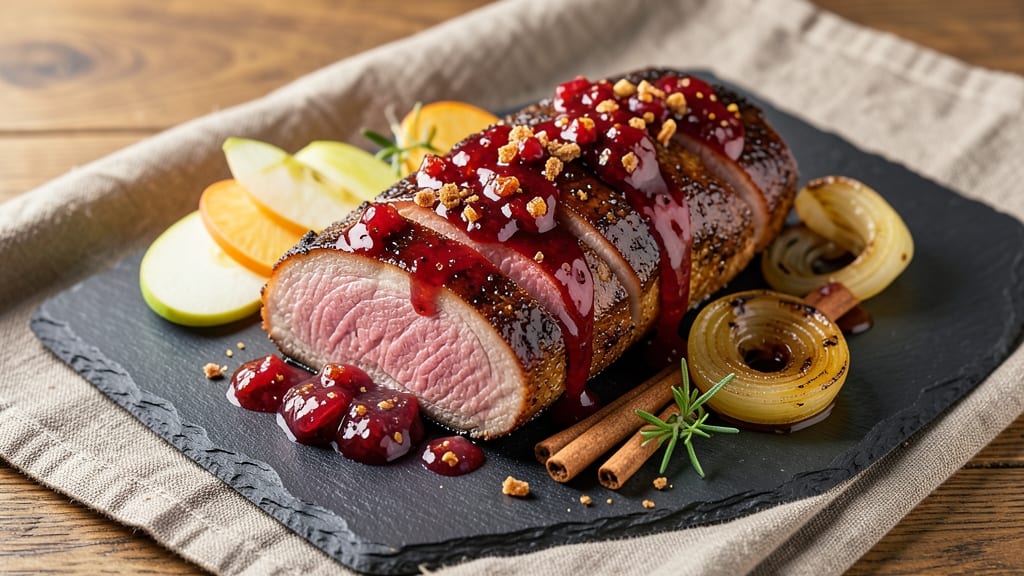
This apple chutney recipe for pork tenderloin transforms a simple protein into a restaurant-worthy centerpiece—where tender meat meets caramelized sweetness in every bite. I developed this pairing during a Charleston cook-off when I needed to elevate a basic pork cut without complicated techniques.
The chutney's balance of tart apples, warm spices, and just enough sweetness creates a glaze that both marinates and finishes the meat, ensuring juicy, caramelized perfection that rivals dry-heat methods.
The secret lies in the chutney's dual role: it tenderizes the pork during searing while creating a sticky, aromatic crust that locks in moisture. I use a mix of Granny Smith and Honeycrisp apples for that perfect tart-sweet contrast, simmered with ginger and cinnamon until thick enough to cling.
This isn't just a sauce—it's the flavor foundation that turns a weeknight dinner into something special, with minimal effort. The pork comes out so tender it nearly falls apart, all while maintaining that beautiful caramelized exterior that makes it look (and taste) like it came from a high-end kitchen.
What makes this dish truly shine is how the chutney's acidity cuts through the pork's richness while its natural sugars caramelize during the final sear. That moment when you slice into the tenderloin and see the glaze pooling on the plate? That's when you know you've nailed it.
The result is a dish that's elegant enough for dinner guests but simple enough for a weeknight—where every bite delivers that perfect harmony of sweet, tart, and savory. This is the kind of recipe that makes people ask, "What's your secret?"
Pair it with roasted root vegetables or a simple arugula salad to balance the richness, and you've got a complete meal that feels both comforting and sophisticated.
The chutney keeps well in the fridge for up to a week, so you can make a batch ahead and use it on chicken or lamb too. Let's get cooking—your taste buds (and dinner guests) will thank you.
Ingredients for apple chutney recipe for pork tenderloin
Sweet-tart apples and warm spices transform simple pork into restaurant-worthy perfection.
| Ingredient | Amount | Notes |
|---|---|---|
| Pork Tenderloin 🥩 | 1 ½ lb | Center-cut, trimmed of fat |
| Granny Smith Apples 🍎 | 2 medium | Peeled, cored, diced small |
| Honeycrisp Apples 🍎 | 2 medium | Peeled, cored, diced small |
| Yellow Onion 🧅 | 1 medium | Diced fine, about 1 cup |
| Fresh Ginger 🌿 | 2 tbsp | Grated, not powdered |
| Cinnamon Sticks 🍃 | 2 whole | For infusion, not ground |
| Ground Cinnamon 🍃 | 1 tsp | For finishing, not cinnamon sticks |
| Apple Cider Vinegar 🍶 | ½ cup | Not white vinegar |
| Brown Sugar 🍚 | ¼ cup | Packed, not granulated |
| Olive Oil 🫒 | 2 tbsp | Extra-virgin for searing |
| Kosher Salt 🧂 | 1 ½ tsp | Diamond Crystal preferred |
| Black Pepper 🌶️ | ½ tsp | Freshly cracked |
| Fresh Thyme Leaves 🌿 | ¼ cup | Chopped, stems removed |
The apples are the heart of this chutney—Granny Smith for tartness and Honeycrisp for natural sweetness. Grab the freshest you can find at Whole Foods or your local farmers market, especially in fall when they're at their peak. Look for firm apples with no bruising—they'll hold up better during the long simmer. The ginger? Freshly grated makes all the difference (trust me, the powdered stuff falls flat here). If you can't find fresh ginger, Trader Joe's carries pre-grated in the freezer section, which works in a pinch.
No Granny Smith? Fuji or Braeburn apples work too—they're sweeter but still hold their shape. Running out of apple cider vinegar? White vinegar plus 1 tsp maple syrup gets you close. The cinnamon sticks are for flavor infusion, but if you only have ground, toast it lightly in a dry pan first to wake up the aroma. For the pork, bone-in tenderloin stays juicier, but boneless works if that's all you can find. Just don't overcook it—medium-rare is where this dish shines.
This chutney keeps beautifully in the fridge for up to 1 week, so make extra for sandwiches or roasted veggies. The pork reheats well too—just warm it gently with a splash of chutney to keep it moist. Store leftovers in a sealed container, and the chutney will actually improve over time as the flavors meld. Freeze portions for up to 3 months if you want to prep ahead for holiday dinners. That caramelized crust on the pork? It's worth the extra minute of searing—don't skip it!
Why You'll Love This Recipe
- One-Pan Magic: I swear by this trick—just slice the pork, toss it with the chutney, and let the oven do the work. No flipping, no fussing, and that caramelized apple-ginger glaze? It practically cooks itself while you chop veggies for the side.
- Sweet-Savory Balance: The Granny Smith’s sharp bite and Honeycrisp’s juicy sweetness play off the pork’s richness like a well-timed jazz duet. Add a swipe of that ginger-onion jam, and suddenly, every bite feels like a hug from your favorite chef.
- Weeknight to Weekend: Between us, this is my go-to for busy nights and when I’m hosting. Serve it sliced over crusty bread for a picnic, or deconstruct it into tacos for a crowd—same chutney, endless possibilities. (Yes, even on a Tuesday night.)
- Leftovers That Beg for More: The chutney actually improves the next day—thicker, deeper, and clinging to the pork like it’s afraid to let go. I’ll be real: I’ve reheated these leftovers three times and still crave the combo. Budget win, flavor win.
Step-by-step instructions for apple chutney pork tenderloin
Here's how to create a perfectly balanced sweet-tart glaze that transforms pork into tender, caramelized perfection.
Prepare the Pork Tenderloin for Cooking
Pat the 1.5 lb pork tenderloin completely dry with paper towels—this is crucial for that crispy exterior. I like to trim any remaining fat and make a few shallow slashes about ½ inch deep along the length of the meat. This helps the chutney penetrate deeper during cooking, ensuring every bite is flavorful.
Season the pork generously with 1.5 tsp kosher salt and 0.5 tsp black pepper, pressing the seasoning into the slashes. Let it sit at room temperature for 30 minutes while you prepare the chutney. This resting time ensures even cooking and prevents the meat from drying out when it hits the hot pan.
Sear the Pork to Lock in Juices
Heat 2 tbsp olive oil in a large oven-safe skillet over medium-high heat until shimmering. Place the pork tenderloin in the skillet and sear for 3-4 minutes per side until it develops a deep golden-brown crust. You'll know it's ready when it releases easily from the pan—this means the meat is ready for the next step.
Once seared, transfer the skillet to a 425°F preheated oven. The residual heat will help cook the pork evenly while the chutney simmers. This two-stage cooking method ensures the pork stays juicy while absorbing all that delicious chutney flavor.
Simmer the Apple Chutney
In the same skillet (with the pork inside), add the diced yellow onion, 2 tbsp fresh ginger, 2 whole cinnamon sticks, and 0.25 cup fresh thyme leaves. Cook for 3-4 minutes until the onion softens and becomes fragrant—this builds the aromatic base of your chutney.
Add the 2 medium Granny Smith apples, 2 medium Honeycrisp apples, 0.5 cup apple cider vinegar, and 0.25 cup brown sugar to the skillet. Stir gently to combine, then pour in ½ cup water to help the chutney simmer properly. Bring to a gentle boil, then reduce heat to medium-low and let it simmer uncovered for 15-20 minutes, stirring occasionally. You want the mixture to thicken slightly and develop a glossy, jam-like consistency.
Finish and Glaze the Pork
After the chutney has simmered, remove the 2 whole cinnamon sticks and stir in 1 tsp ground cinnamon. Taste and adjust the seasoning—you might want to add a pinch more salt or sugar to balance the sweet-tart flavors. The chutney should coat the back of a spoon and have a syrupy texture.
Carefully spoon the chutney over the pork in the skillet, making sure it's evenly coated. Cover the skillet with a lid and return it to the oven for 15-20 minutes, or until the pork reaches an internal temperature of 145°F (use a meat thermometer for accuracy). The chutney will caramelize beautifully, creating a sticky, glossy glaze that clings to every bite.
Rest and Serve for Maximum Tenderness
Remove the pork from the oven and let it rest on a cutting board for 10 minutes before slicing. This resting period is essential—it allows the juices to redistribute, ensuring each slice is moist and flavorful. While it rests, spoon any remaining chutney from the skillet over the top of the pork.
Slice the pork into ½-inch thick medallions and serve immediately with the chutney drizzled over the top. The result is tender, juicy pork with a perfectly balanced sweet-tart glaze that enhances every bite. Pair it with roasted vegetables or a simple green salad for a complete meal.
Pro Tips For Making Apple Chutney Recipe For Pork Tenderloin
- SEAR THE PORK FAST: Start with a screaming-hot pan—no waiting for it to heat up—and sear the pork tenderloin in 2-3 minutes per side until deep golden. I used to linger here, thinking "it needs more time," but that just turns the outside tough while the inside stays raw. High heat, quick work, then pull it out while it’s still slightly pink in the center.
- PEEL THE GINGER THIN: Use a spoon to scrape off just the outer skin—don’t waste time peeling with a knife. Then, slice it paper-thin (about 1/16-inch) so it dissolves into the chutney instead of sitting as chewy chunks. Trust me, your chutney will taste 10x smoother if you do this.
- COOK THE ONIONS LOW: Sauté the onions until they’re soft but not brown—aim for a pale golden color. If you let them darken, the chutney will taste bitter and overpower the apples. I learned this after making a batch where the onions took over, and the pork lost its star role.
- SAVE THE APPLE JUICE: After dicing the apples, don’t toss the juice that collects in the bowl—strain it and add it to the chutney. That liquid is packed with flavor and helps balance the sweetness. I skip this step sometimes, and the chutney always feels just a little flat without it.
Make-ahead tips for leftovers
Chutney Prep Ahead
Make the apple chutney 1-2 days ahead—it actually tastes better after flavors meld. Store it in an airtight container in the fridge, and reheat gently in a saucepan with 1 tbsp water over low heat for 5 minutes before using.
The texture thickens as it sits, so thin with 1 tsp water if needed before glazing the pork. 🍎
Pork Prep Timeline
Season and rest the pork 1 day ahead—wrap it tightly in plastic and refrigerate. Bring to room temperature 30 minutes before cooking by placing it in a bowl of cool water for 10 minutes, then pat dry.
This shortcut ensures even cooking without sacrificing tenderness. I do this when hosting dinners to save last-minute stress.
Complete Meal Prep
Roast your sides the day before—brown butternut squash or carrots with olive oil, salt, and thyme, then refrigerate. Reheat at 350°F for 20 minutes before serving. The chutney's acidity cuts through the richness of roasted veggies beautifully. I always prep these first since they take the longest.
Freezer-Friendly Chutney
Portion the chutney into ice cube trays and freeze. Once solid, transfer cubes to a freezer bag for up to 3 months. Thaw overnight in the fridge before using—this works perfectly for holiday meals when you're cooking for a crowd.
The texture stays intact, and the flavor remains vibrant. 💫
Pork Make-Ahead Hack
Cook the pork 1 day ahead and reheat gently in the oven at 300°F for 15 minutes, covered with foil and a splash of chutney. This keeps it moist without drying out. I use this trick when planning ahead for family gatherings—just slice and serve straight from the fridge.
Garnish Prep
Chop fresh thyme leaves and store them in a small glass jar with 1 tsp olive oil in the fridge. Use these to garnish the pork just before serving—it adds a bright, aromatic finish.
I also keep toasted pecans (tossed in 1 tsp brown sugar) on hand for crunchy contrast. 🌿
Nutrition facts
Frequently asked questions
Can I use this chutney for other meats besides pork tenderloin?
This apple chutney pairs beautifully with chicken thighs, lamb chops, or even beef short ribs. The sweet-tart balance works especially well with richer cuts that benefit from acidity. For chicken, reduce the cooking time to 12-15 minutes at 145°F internal temperature. The chutney's versatility makes it perfect for meal prep—just adjust the cooking time based on the meat's size and fat content.
How do I prevent the pork from drying out when cooking?
Start by patting the pork completely dry and letting it rest at room temperature for 30 minutes before cooking. Use a meat thermometer to pull it at 145°F (medium-rare) and let it rest for 10 minutes after cooking. The chutney's moisture helps keep it tender, but don't overcook—pork tenderloin is lean and can dry out quickly. If you're nervous, consider brining it for 30 minutes in a 10% salt solution before cooking.
What's the best way to store leftovers?
Store the pork and chutney separately in airtight containers in the fridge for up to 4 days. Reheat the pork gently in the oven at 300°F for 15 minutes with a splash of chutney to maintain moisture. The chutney itself keeps for 1 week and can be frozen in ice cube trays for up to 3 months. For sandwiches or wraps, the chutney adds great flavor—just thin it slightly with water if it's too thick after freezing.
Can I make this chutney without apples?
While apples are key for the signature flavor, you can substitute with pears or cranberries for a similar tartness. For a different profile, try 1 cup diced pineapple plus 1 tbsp lime juice to balance sweetness. However, apples provide the perfect texture and natural sweetness that caramelizes beautifully during cooking. If you must substitute, reduce the sugar by 1-2 tablespoons since different fruits have varying natural sweetness levels.
What's the secret to getting that perfect caramelized crust?
The crust comes from three key steps: dry searing, high heat, and patience. First, make sure your skillet is screaming hot before adding the pork. Then, don't move it around—let it develop a deep golden-brown color for 3-4 minutes per side. Finally, the oven finish at 425°F helps the chutney caramelize evenly. If your crust isn't forming, your pan might not be hot enough—try heating it longer before adding the pork.