
Salads
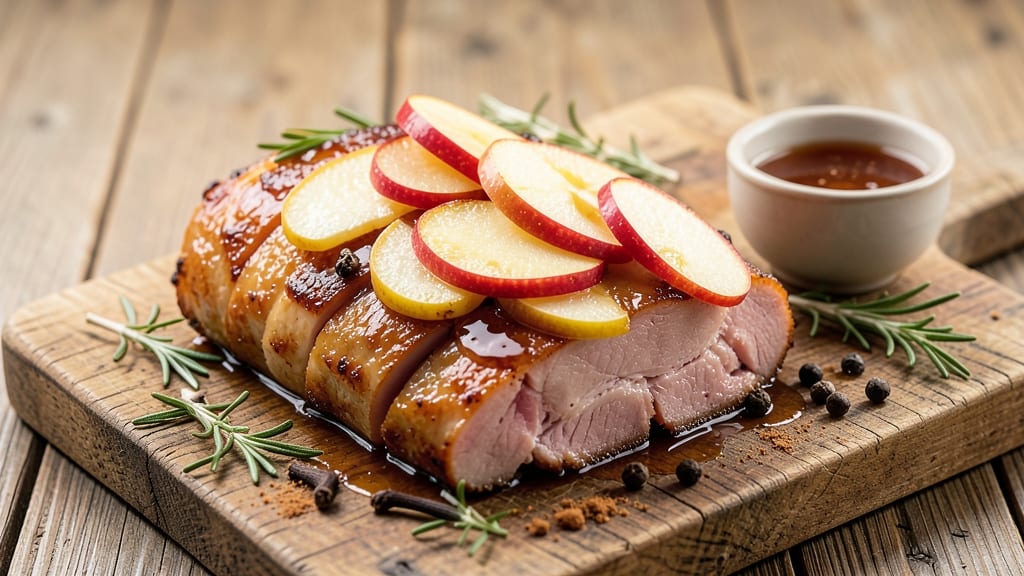
This apple cider ham recipe transforms a simple holiday centerpiece into a showstopper with its rich brown sugar crust and aromatic spiced cider glaze.
The key lies in slow-basting the ham while reducing apple cider into a glossy, caramelized sauce that clings to every slice—creating a balance of sweet, tangy, and savory flavors that’ll have your guests asking for seconds.
I’ve perfected this technique over years of holiday gatherings, ensuring the ham stays juicy inside while developing that perfect crispy crust.
The process begins with a simple brine that infuses the ham with flavor, followed by a 3-hour slow roast that guarantees tender, fall-apart meat.
What sets this recipe apart is the spiced cider glaze—simmered with brown sugar, cinnamon, and cloves until thick and glossy—then brushed on during the final hour for maximum caramelization. The result? A ham with a deep amber crust that cracks slightly when sliced, revealing moist, flavorful meat beneath.
Pair this ham with classic sides like scalloped potatoes or roasted root vegetables to complete the meal. The glaze’s tangy-sweet profile cuts through rich dishes, making every bite feel like a celebration.
Whether you’re hosting Thanksgiving or a cozy winter dinner, this recipe delivers restaurant-quality results with minimal effort—just one pan, one glaze, and a whole lot of flavor. Let’s get started on creating your most impressive ham yet.
Pro tip: For extra depth, add a splash of bourbon to the glaze while reducing—it caramelizes beautifully and adds a warm, smoky note. The ham can also be prepped ahead and reheated gently before serving, making it perfect for stress-free holiday hosting.
Your table will be the talk of the season with this standout centerpiece.
Ingredients for apple cider ham
Eight ingredients transform a holiday ham into a showstopper with caramelized crust and spiced glaze.
| Ingredient | Amount | Notes |
|---|---|---|
| Boneless Ham (Fully Cooked) 🐷 | 8 lb | Center-cut preferred for juiciness |
| Apple Cider 🍎 | 2 cups | Unfiltered, cloudy variety preferred |
| Brown Sugar 🍚 | 1 cup | Packed firmly, light or dark |
| Granulated Sugar 🍬 | ½ cup | For glaze balance |
| Ground Cinnamon 🌿 | 2 tsp | Freshly ground for warmth |
| Ground Cloves 🌶️ | 1 tsp | Whole cloves crushed preferred |
| Salt 🧂 | 1 ½ tsp | Kosher or sea salt |
| Black Peppercorns 🌶️ | 10 whole | Freshly cracked for texture |
| Unsalted Butter 🧈 | ½ cup | Cold, cubed for crust |
| Orange Zest 🍊 | 1 tbsp | Freshly grated orange peel |
| Bourbon (Optional) 🍷 | ¼ cup | For depth, 80-proof minimum |
| Water 💧 | 1 cup | For brine solution |
The ham is everything here—center-cut stays juicier than shank cuts. Costco or Whole Foods usually carry pre-boned, fully cooked hams that are perfect for this. Look for ones with good marbling, not too lean. If you're buying a whole ham, bone it yourself—it makes basting easier. For the cider, unfiltered varieties like Woodchuck or Angry Orchard add more depth than filtered brands. The brown sugar? Light or dark works, but light has a cleaner flavor. I always grab the Domino brand—it's consistent and affordable.
No bourbon? Apple brandy or even extra apple cider works in a pinch. Running short on cloves? Allspice berries crushed give a similar warmth. The butter crust is non-negotiable—it creates that perfect crackly top. If you're worried about it melting too fast, pat it on in thin layers and let it chill between additions. The orange zest might sound fancy, but it's just a quick zest from one orange. No peeling needed—just the colored part. For the glaze, if it's too runny, simmer uncovered until it thickens. If it's too thick, add a splash of hot water.
This ham reheats beautifully—just 30 minutes at 325°F wrapped in foil. The glaze keeps well too, so make extra for leftovers. Store both in the fridge for up to 5 days. For serving, I like to slice it against the grain for thinner, more elegant pieces. The glaze will thicken as it cools, so reheat it gently with a splash of water if needed. Leftovers make amazing sandwiches—just warm the ham and glaze together.
Why You'll Love This Recipe
- One-Pan Magic: Honestly, I swear by this—just dump the ham in a roasting pan, pour the apple cider over it, sprinkle the sugars and cinnamon, and let the oven do the work. No chopping, no fussing, no extra pots. That rich cider caramelizes right into the ham while you’re still deciding what to watch on TV.
- Fall in Your Mouth: Between us, the combo of warm apple cider and that smoky ham? It’s like autumn wrapped in a crispy, sticky blanket. The brown sugar melts into a glossy glaze while the cinnamon adds this cozy, spiced depth that makes every bite feel like a hug. (Yes, even on a Tuesday night.)
- Leftovers That Beg for More: I make this for Sunday dinner, and by Wednesday, the fridge is empty. The ham stays juicy for days, and the glaze thickens into a sweet, tangy sauce that’s perfect for sandwiches or scrambled eggs. My kids actually ask for it—no joke.
- Budget-Friendly Crowd-Pleaser: You’re using a pre-cooked ham, so no stress about timing or overcooking. The apple cider and spices cost pennies, and the result feeds six for less than takeout. Plus, it’s one of those dishes where everyone at the table will actually finish their plate. No leftovers going to waste here.
Step-by-step instructions for glazed apple cider ham
Here's how to transform a simple ham into a showstopper with that perfect spiced cider glaze.
Prepare the Brine for Maximum Flavor
In a small saucepan, combine the 1 cup water, 1 cup brown sugar, 0.5 cup granulated sugar, 2 teaspoons ground cinnamon, 1 teaspoon ground cloves, 1.5 teaspoons salt, and 10 whole black peppercorns. Bring to a boil over medium heat, stirring until everything dissolves completely. The mixture should turn into a thick, aromatic syrup that smells like autumn.
Pour this warm spiced syrup into a shallow dish large enough to hold the ham. Let it cool to room temperature—this ensures even flavor penetration without shocking the meat. I like to place the dish in the refrigerator for about 30 minutes while I prepare the next components. This step is what gives the ham its deep, complex flavor profile that sets it apart from store-bought glazes.
Create the Glaze Base and Butter Crust
In a medium saucepan, combine the 2 cups apple cider and 0.25 cup bourbon (if using). Bring to a simmer over medium heat and let it reduce by about half—this should take about 10-12 minutes. You're looking for a thick, syrupy consistency that coats the back of a spoon. The alcohol will cook off completely, leaving just the rich cider flavor behind.
While the cider reduces, mix together the 0.5 cup unsalted butter and 1 tablespoon orange zest in a small bowl. The butter should be cold and cubed—this creates those beautiful crackly spots on the ham's crust. Once the cider has reduced, remove it from heat and stir in the butter mixture until completely melted and smooth. The mixture should be glossy and fragrant, with visible orange flecks throughout.
Glaze and Crust the Ham
Preheat your oven to 325°F. Place the 8 lb boneless ham on a rack in a roasting pan, fat-side up. Carefully pour half of the glaze mixture over the ham, using a silicone brush to spread it evenly over the top. This initial coating helps create a good base for the crust to form.
Sprinkle the ham with additional brown sugar if desired—this creates extra caramelization spots. Place the ham in the preheated oven and bake for 45 minutes. After 45 minutes, brush the ham again with the remaining glaze, then sprinkle the cold butter cubes evenly over the top. Return to the oven for another 15 minutes until the butter melts and forms a golden, crackly crust.
Finish with Perfect Glaze Consistency
Remove the ham from the oven and let it rest for 10 minutes. During this time, pour the remaining glaze mixture into a small saucepan and bring to a gentle simmer over medium heat. Let it reduce for another 3-5 minutes until it reaches a thick, spoonable consistency—it should coat the back of a spoon but still be pourable. The glaze should be glossy and slightly syrupy, with a beautiful amber color.
Carefully brush this finished glaze over the ham, working quickly to capture that beautiful shine before it sets. The ham should have a deep amber glaze with crackly butter spots and a rich, spiced aroma. Let it rest for another 5 minutes before slicing to allow the juices to redistribute. Serve warm with the pan juices spooned over the top for maximum flavor.
Pro Tips For Making Apple Cider Ham
- Baste Like a Pro: Don’t just pour the cider over the ham—use a spoon or baster to actively spread it every 15 minutes. The caramelized bits sticking to the pan are where the flavor lives, and skipping this step means missing out on that glossy, sticky glaze. (Yes, it’s messy, but worth it.)
- Reduce the Cider First: Simmer the apple cider in a saucepan for 5–7 minutes before glaze time—this cuts down on splatter and intensifies the flavor. I learned this the hard way after watching my glaze turn watery and weak. A little prep here saves cleanup later.
- Skip the Crowding: If you’re baking this in a skillet or shallow pan, don’t cover it with foil until the last 10 minutes. Trapped steam makes the ham soggy instead of crisp. Let that cider glaze work its magic uncovered—just tent with foil if it’s browning too fast.
- Use Real Cider, Not Juice: Store-bought apple "juice" lacks the depth of actual cider. If you’re pinching pennies, at least grab the reduced-sugar kind, but for that authentic tang, splurge on a small bottle of unsweetened cider. The difference is noticeable—trust me, I’ve compared them.
Regional styles of these flavors
New England Style
In New England, apple cider ham often features a molasses-based glaze instead of brown sugar, creating a deeper, almost caramelized flavor profile. I like to add 1 cup molasses to the glaze along with the apple cider and a splash of maple syrup for that classic New England touch.
The result is a richer, slightly smoky glaze that pairs beautifully with the ham's natural sweetness. Serve it with cornbread and cranberry sauce for a true regional experience. 🍁
Southern Comfort
Southern cooks take apple cider ham to another level by incorporating peach preserves into the glaze—about ½ cup mixed with the reduced cider. This adds a fruity depth that balances the ham's saltiness perfectly.
I also recommend brushing the ham with a honey mustard mixture (½ cup honey + 2 tbsp Dijon) during the final hour. The Southern style often includes collard greens and macaroni and cheese on the side to complement the bold flavors. 🍯
Midwest Apple Orchard
The Midwest leans into fresh apple slices as a garnish, often arranged artistically on top of the ham before serving. For the glaze, I use unfiltered apple cider (like Woodchuck) and add ½ cup apple cider vinegar to the reduction for a tangy kick.
The Midwest style also frequently includes sausage stuffing in the ham's cavity and serves it with roasted potatoes and caramelized onions. This approach celebrates the region's orchard heritage. 🍎
Pacific Northwest Twist
West Coast cooks often infuse the glaze with local berries, like raspberries or blackberries, for a brighter, fruit-forward flavor. I blend ½ cup mixed berries into the reduced cider glaze and finish with a sprinkle of toasted hazelnuts for crunch.
The Pacific Northwest style pairs the ham with wild mushroom risotto and roasted Brussels sprouts to highlight the region's fresh, earthy ingredients. 🌿
Texas BBQ Fusion
For a bold Texas twist, I add ½ cup BBQ sauce (like Stark's) to the glaze and finish with a dusting of smoked paprika and crushed pecans. The ham is often smoked for 1-2 hours before glazing to enhance the smoky depth.
Serve it with cornbread, baked beans, and grilled vegetables for a true Texas-style feast. This fusion brings a unique, smoky-sweet balance that surprises and delights. 🔥
European Influence
European variations often include dried fruits like figs or apricots in the glaze, adding a sophisticated sweetness. I blend ¼ cup chopped dried figs into the reduced cider and finish with a sprinkle of fresh thyme.
This style pairs beautifully with roasted root vegetables and crusty baguettes. The European approach emphasizes balance and complexity, making it perfect for elegant gatherings. 🍷
Nutrition facts
Frequently asked questions
Can I use this recipe with a pre-cooked spiral ham?
Yes, but with adjustments! Pre-cooked spiral hams need gentler treatment—bake at 300°F for 1.5-2 hours (about 15 minutes per pound) wrapped in foil. Brush with glaze only in the final 30 minutes to prevent overcooking. The spiral cut helps the glaze distribute evenly, making it perfect for leftovers too.
What's the best way to reheat leftovers?
Slice the ham and reheat portions in a skillet with a splash of apple cider or water over medium-low heat for 5-7 minutes until warmed through. For the glaze, warm it separately in a small saucepan with a few drops of water until pourable, then drizzle over the ham. Microwaving works too—cover with a damp paper towel for 20-30 seconds. The glaze thickens when chilled, so reheating it first restores that perfect shine.
Can I make the glaze ahead of time?
The glaze keeps well in the fridge for up to 5 days or freezes for 3 months. Store it in an airtight container, and reheat gently before brushing on the ham. For extra flavor, add a pinch of cinnamon or cloves to the reheated glaze. The butter crust should be added fresh to the ham just before baking for that perfect crackly texture.
How do I adjust the sweetness for kids?
Reduce the brown sugar to ½ cup and add 1 extra teaspoon of cinnamon for warmth. For a milder glaze, use 1 cup apple juice instead of cider in the reduction. Kids love the tangy-sweet balance, and the extra spice adds depth without overpowering. Always taste-test the glaze before applying it to the ham.
What if my glaze turns out too runny?
Simmer the glaze uncovered for 3-5 more minutes until it thickens. If it's still too thin, mix 1 teaspoon cornstarch with 1 tablespoon cold water, stir into the glaze, and simmer for 1 more minute. Avoid over-reducing—you want a glossy, pourable consistency that clings to the ham. The glaze should coat the back of a spoon but still drip slowly.