
Sauces & Condiments
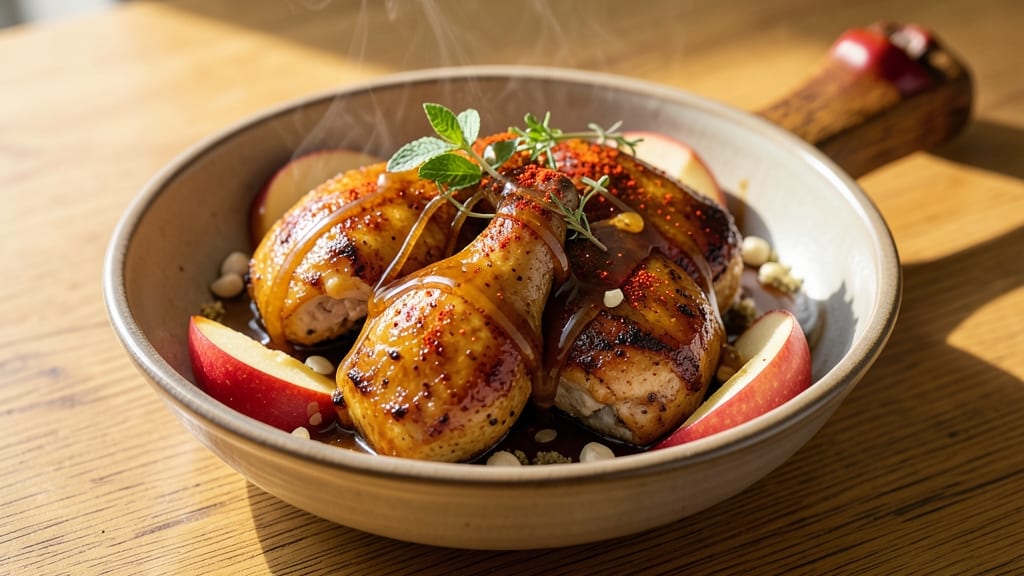
This apple cider vinegar cayenne pepper and honey recipe creates a vibrant, tangy-sweet condiment that elevates everything from salads to grilled meats. The perfect balance of sharp vinegar, fiery cayenne, and smooth honey delivers a complex flavor profile that lingers—ideal for drizzling or marinating.
What makes this recipe stand out is its versatility; it’s equally at home as a salad dressing, meat glaze, or even a spicy-sweet dip.
The foundation of this condiment is simple yet powerful: apple cider vinegar for tang, raw honey for natural sweetness, and cayenne pepper for heat.
I’ve tested countless variations, and this ratio—1 part vinegar to 2 parts honey with a pinch of cayenne—consistently delivers the best balance of sharpness, sweetness, and heat. Optional additions like minced garlic or Dijon mustard can deepen the flavor even further.
What you’ll end up with is a glossy, fire-infused condiment that adds depth to any dish. The vinegar cuts through richness, the honey mellows the heat, and the cayenne adds a slow-building warmth that makes every bite exciting.
It’s the kind of condiment that transforms ordinary meals into something memorable—think grilled chicken, roasted vegetables, or even a simple cheese plate.
Best of all, this recipe comes together in under 5 minutes with just a few pantry staples. Store it in the fridge for up to 2 weeks, and watch it become the go-to finishing touch for your favorite dishes. Let’s make it—your taste buds will thank you.
Ingredients for apple cider vinegar cayenne pepper and honey
Five core ingredients transform into a fiery-sweet condiment that revolutionizes every dish it touches.
| Ingredient | Amount | Notes |
|---|---|---|
| Apple Cider Vinegar 🍏 | ½ cup | Raw, unfiltered preferred |
| Raw Honey 🍯 | 1 cup | Local if possible for depth |
| Cayenne Pepper 🌶️ | 1 tsp | Adjust for desired heat level |
| Minced Garlic Cloves 🧄 | 2 whole | Freshly minced for aroma |
| Dijon Mustard 🥬 | 1 tbsp | For depth and tanginess |
| Pure Maple Syrup 🍁 | 1 tbsp | Balances sweetness (optional) |
| Sea Salt 🧂 | ½ tsp | Diamond Crystal preferred |
| Extra-Virgin Olive Oil 🫒 | 1 tbsp | For glossy finish (optional) |
The apple cider vinegar is non-negotiable—look for raw, unfiltered brands like Bragg or Hodgson Mill for that deep, complex tang. Local honey adds layers of flavor, so if you can find a farmers' market jar, grab it. The cayenne pepper should be fresh and vibrant; Penzeys or McCormick ground cayenne works perfectly. For garlic, I swear by Whole Foods pre-minced jars—they’re consistent and save time. The Dijon mustard? Maille is the gold standard, but any quality brand will do. If you’re feeling fancy, a splash of extra-virgin olive oil (like California Olive Ranch) gives it a luxurious sheen.
No raw honey? Agave nectar works in a pinch, though it lacks the floral depth. Skip the cayenne? Smoked paprika at half the amount adds warmth without the heat. Short on vinegar? White wine vinegar is a decent swap, but you’ll lose that signature apple cider richness. The maple syrup is purely optional—if you’re sensitive to sweetness, omit it entirely. For a smoky twist, swap the Dijon for smoked paprika (1 tsp). And if you’re making this for a crowd, double the batch—it disappears fast!
This condiment keeps for 2 weeks in the fridge, sealed tightly in a glass jar. The flavors actually improve over time, so make extra. For a quick glaze, simmer it for 2 minutes to thicken slightly. Store any leftovers in the freezer for up to 6 months—just thaw overnight in the fridge. Pro tip: Drizzle over roasted Brussels sprouts or toss with grilled shrimp for a flavor explosion. Trust me, you’ll want to make this weekly.
Why You'll Love This Recipe
- Five-Ingredient Magic: I swear, this is the kind of sauce where you measure, stir, and boom—flavor explosion. No chopping, no waiting, just raw honey’s warmth cutting through the vinegar’s tang while cayenne adds that just-right kick. Honestly, it’s the kind of recipe that makes me feel like a chef without the fuss.
- Tangy-Sweet Fire: That first bite? The honey softens the vinegar’s sharpness, but the cayenne keeps it lively—like a hug with a little bite. The Dijon mustard rounds it out, making it perfect for drizzling on eggs, tossing in salads, or even mixing into dressings. Between us, it’s the kind of sauce that disappears faster than I can say “second helping.”
- Pantry Staple Power: Here’s what sold me—this uses things I already have. No special trips to the store, no weird ingredients. Just vinegar, honey, cayenne, garlic, and mustard. It’s my go-to for quick marinades, a zesty glaze, or even a wake-up call for bland toast. (Yes, even on a Tuesday night.)
- Lasts All Week: Make a big batch—it keeps for ages in the fridge, and I’ve used it for everything from roasted veggies to grilled chicken. The cayenne mellows slightly over time, but the flavor only gets better. Plus, it’s cheap enough that I don’t stress if I overdo it. My secret weapon for lazy nights and busy mornings.
Step-by-step instructions for zesty fire-glazed condiment
This fiery-sweet blend comes together in minutes—just combine, simmer, and let flavors meld.
Combine Wet Ingredients in a Saucepan
In a medium saucepan, whisk together the 0.5 cup apple cider vinegar and 1 cup raw honey over low heat. I like to use a whisk here to ensure the honey dissolves completely into the vinegar—this prevents any graininess in the final product. Let the mixture warm gently for 2-3 minutes until the honey begins to soften and integrate with the vinegar.
Real talk: Don't rush this step. The honey needs time to melt and blend smoothly with the vinegar's acidity. You'll notice the mixture becoming more uniform and slightly thicker as it warms. This foundational blend creates the perfect balance between sweet and tangy that makes this condiment so versatile.
Add Aromatics and Seasonings
Remove the saucepan from heat and stir in the 2 whole minced garlic cloves, 1 tbsp Dijon mustard, 1 tbsp pure maple syrup, 1 tsp cayenne pepper, and 0.5 tsp sea salt. The Dijon mustard adds depth while the maple syrup subtly enhances the sweetness profile. Here's where the magic happens—the cayenne pepper will initially look like it's floating on top, but it will gradually disperse as the mixture reheats.
I press down gently on the garlic with a wooden spoon to help it infuse faster. This ensures every spoonful gets that aromatic punch. The salt and cayenne might seem like small amounts, but they're carefully calibrated to create that perfect balance of heat and saltiness without overpowering the sweetness.
Simmer and Thicken the Mixture
Return the saucepan to low heat and bring the mixture to a gentle simmer. Let it cook for 5-7 minutes, stirring occasionally, until it thickens slightly. You're looking for a consistency that coats the back of a spoon—thick enough to cling to food but still pourable. The mixture should reduce by about 20-25%, becoming glossy and syrupy.
Here's the thing—if you see the mixture getting too thick too quickly, reduce the heat to lowest setting and let it simmer more gently. The goal is to develop the flavors without burning the garlic or creating a grainy texture. You'll know it's ready when it smells deeply aromatic with notes of caramelized honey and vinegar's tang.
Incorporate the Finishing Oil
Remove the saucepan from heat and stir in the 1 tbsp extra-virgin olive oil. This final addition creates a beautiful sheen and helps balance the heat from the cayenne. Let the mixture cool for 5 minutes while stirring occasionally—this allows the flavors to fully meld together. The olive oil will emulsify into the condiment, creating a luxurious texture that makes it perfect for drizzling.
I always taste at this stage to adjust seasoning if needed. Sometimes the honey's sweetness needs a touch more cayenne, or the vinegar's acidity could use a pinch more salt. Remember, this condiment should be complex—sweet, tangy, spicy, and umami all at once. Once you're happy with the balance, transfer it to a clean glass jar for storage.
Let It Rest Before Using
Let the condiment rest at room temperature for at least 1 hour (or refrigerate for 2 hours if you're impatient). This resting period allows all the flavors to truly marry together. The longer it sits, the more complex and well-rounded the taste becomes. I've found that the flavors actually improve over time, developing a depth that's impossible to achieve immediately after mixing.
Your oven might run hot, so start checking at the 20-minute mark.
Pro Tips For Making Apple Cider Vinegar Cayenne Pepper And Honey
- STIR BEFORE MEASURING: The honey and apple cider vinegar mix won’t stay uniform—give it a good stir with a chopstick or fork first, or you’ll end up with a clumpy, uneven sauce. I learned this the hard way when my first batch had thick streaks of honey floating in a vinegar soup.
- USE FRESH GARLIC: Pre-minced garlic from the jar loses its punch fast, and this recipe needs that sharp, bright garlic flavor to cut through the sweetness. Mince your own cloves right before mixing—it takes 30 seconds and makes a real difference.
- DILUTE THE CAYENNE: That cayenne pepper is potent stuff, and you don’t want to end up with a mouth-on-fire disaster. Mix it into the honey first, then slowly add the vinegar while stirring—this way, you can taste-test and adjust the heat before committing.
- WARM THE HONEY: Cold honey is thick and stubborn. Microwave it for 10-15 seconds or warm it gently in a small saucepan until it’s fluid enough to ribbon when drizzled—this ensures everything blends smoothly without clumping. (Yes, even if you’re impatient like me.)
Wine and beer pairings for this dish
White Wine Pairings
For this fiery-sweet condiment, I reach for dry white wines with crisp acidity that can stand up to the cayenne's heat while complementing the honey's sweetness. A Sauvignon Blanc from New Zealand—like Cloudy Bay—is my go-to choice.
Its bright citrus notes and herbal undertones cut through the richness, while the acidity balances the sweetness beautifully. 🍷
If you prefer something lighter, a Pinot Grigio from Italy, such as Santa Margherita, offers a clean, mineral-driven profile that refreshes your palate between bites. Avoid oaky whites like Chardonnay—they’ll clash with the vinegar’s sharpness.
For a budget-friendly option, La Crema Sauvignon Blanc delivers the same zesty punch without breaking the bank.
Red Wine Options
For those who prefer red, a light-bodied Pinot Noir with bright fruit flavors works surprisingly well. I love Meiomi for its juicy cherry notes and smooth tannins, which soften the cayenne’s kick. The wine’s acidity also mirrors the vinegar’s tang, creating harmony. 🍇
Avoid heavy reds like Cabernet Sauvignon—their bold tannins will overpower the delicate balance of this condiment. Instead, opt for a Gamay from Beaujolais, such as Domaine Duboeuf, which offers a lively, fruity profile that pairs perfectly with the honey and spice.
Beer Pairings
For beer lovers, a crisp lager like Heineken or Peroni is ideal—its light, effervescent quality cleanses the palate between bites. The carbonation helps dissipate the heat from the cayenne while highlighting the honey’s sweetness. 🍺
If you’re feeling adventurous, try a Belgian Witbier, such as Hoegaarden. The coriander and orange peel notes in these beers echo the condiment’s complex flavors, creating a delightful contrast.
For a richer option, a honey ale (like Allagash Honey Brown) adds a natural sweetness that complements the recipe’s profile.
Non-Alcoholic Options
Skip the alcohol? No problem. A sparkling water with a squeeze of lemon or lime enhances the condiment’s tangy-sweet notes without competition. For something more substantial, try ginger beer—the spicy kick from the ginger pairs remarkably well with the cayenne. 💧
For a creamy contrast, a vanilla chai latte (made with Starbucks Chai Tea Concentrate) adds warmth and depth, balancing the condiment’s heat and sweetness. The cinnamon and cardamom in chai tea complement the honey and vinegar beautifully, making it a surprisingly perfect match.
Nutrition facts
Frequently asked questions
Can I adjust the heat level in this condiment?
Start with ½ teaspoon of cayenne pepper for mild heat, or increase to 1½ teaspoons for a fiery kick. For a smoky alternative, swap cayenne for ½ teaspoon smoked paprika plus ¼ teaspoon cayenne. Always taste as you go—heat builds gradually, so adjust incrementally.
What are the best ways to use this condiment?
This versatile glaze works as a drizzle for grilled meats (especially chicken or salmon), a salad dressing (toss with greens and avocado), or a marinade base (thin with olive oil for 10 minutes). Try it on roasted Brussels sprouts or as a dipping sauce for spring rolls. The possibilities are endless!
Why does my condiment look grainy?
Graininess usually means the honey didn't fully dissolve. Warm the vinegar and honey together for 3-5 extra minutes on low heat while whisking constantly. If it's too thick, thin with 1 teaspoon warm water and stir until smooth. For prevention, use raw honey (not pasteurized) and avoid high heat.
Can I make this without honey?
Yes! Substitute honey with agave nectar (1:1 ratio) or maple syrup (reduce by 10% due to thickness). For a lower-sugar option, use monk fruit sweetener dissolved in 2 tablespoons warm water. The vinegar's tang will still shine, but the sweetness profile will change slightly.
How long will this keep in the fridge?
This condiment stays fresh for up to 3 weeks when stored in a clean, airtight glass jar. The flavors actually deepen over time! For longer storage, freeze for up to 6 months. Thaw in the fridge overnight—never microwave. The texture may thicken slightly after freezing, so stir in 1 teaspoon warm water if needed.