
Sauces & Condiments
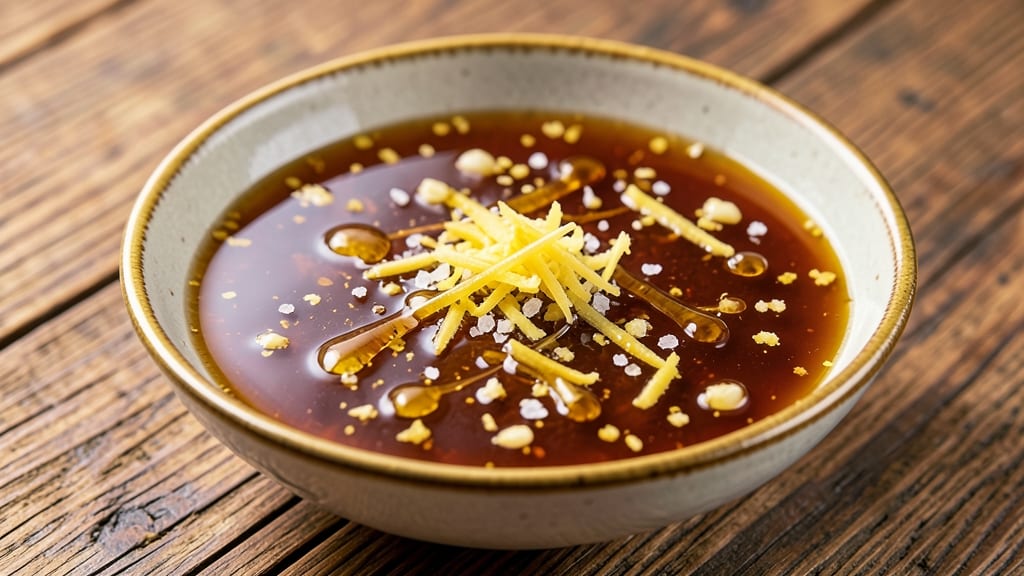
This apple cider vinegar garlic ginger recipe transforms simple pantry staples into a versatile, zesty umami base that elevates stir-fries, marinades, and dipping sauces. The tangy sharpness of apple cider vinegar cuts through heat, while fresh garlic and ginger add depth and warmth—creating a sauce that’s both bold and balanced.
I developed this after realizing how often I reached for store-bought dressings that lacked complexity, so I built my own with just five ingredients.
The magic happens in the cooking process: mincing garlic and ginger finely ensures they dissolve completely into the sauce, creating a smooth, aromatic base rather than chunks. A quick simmer with apple cider vinegar and a touch of honey or sugar mellows the acidity while enhancing the umami.
This sauce keeps well in the fridge for up to two weeks, making it a go-to for meal prep or spontaneous cooking.
What makes this sauce special is its adaptability—use it as a tangy marinade for chicken or tofu, a bright dipping sauce for spring rolls, or a zesty dressing for salads. The garlic and ginger infuse every drop with aromatic warmth, while the vinegar adds a clean, bright finish.
It’s the kind of sauce that transforms ordinary meals into something memorable with minimal effort.
For best results, let the sauce sit for at least 30 minutes before using to allow flavors to meld. Adjust the sweetness or heat to taste—this is your foundation, so make it work for your palate.
Whether you’re prepping for a week of stir-fries or craving a quick flavor boost, this recipe delivers restaurant-quality depth in just 10 minutes.
Ingredients for apple cider vinegar garlic ginger
Five simple ingredients create this zesty umami sauce that works everywhere.
| Ingredient | Amount | Notes |
|---|---|---|
| Apple Cider Vinegar 🍎 | ½ cup | Raw, unfiltered preferred |
| Fresh Garlic Cloves 🧄 | 6 cloves | Finely minced for smooth texture |
| Fresh Ginger Root 🌿 | 2 tbsp | Grated, not powdered |
| Honey 🍯 | 2 tbsp | Wildflower or clover variety |
| Sesame Oil 🫒 | 1 tbsp | Toasted for nutty aroma |
| Salt 🧂 | 1 tsp | Kosher or sea salt |
| Black Pepper 🌶️ | ½ tsp | Freshly ground preferred |
| Water 💧 | ½ cup | For thinning if needed |
Apple cider vinegar makes or breaks this sauce. Raw, unfiltered from Bragg or Texas Pete has more complexity than the clear stuff. Fresh garlic and ginger are non-negotiable—powdered versions won't cut it. I always grab ginger root from the Asian market where it's bright and firm. For honey, local wildflower adds subtle floral notes that balance the vinegar's tang. Sesame oil? Toast it first—just heat 1 tbsp in a dry pan for 30 seconds—it makes all the difference.
No apple cider vinegar? White vinegar or lemon juice works in a pinch, but you'll lose that deep apple flavor. Short on honey? Maple syrup or agave at the same amount. The sauce needs something sweet to balance the acidity. For sesame oil, neutral oil plus a pinch of toasted sesame seeds mimics the flavor. Want more heat? Add red pepper flakes or sriracha. The water is just for thinning—skip it if you prefer a thicker sauce. And yes, you can make this with powdered garlic and ginger, but it won't be as good.
This sauce keeps for 2 weeks in the fridge, but it actually tastes better after 24 hours as flavors meld. I store it in a glass jar with a tight seal. For meal prep, I make double batches—one for stir-fries, one for marinades. Freezes beautifully for 3 months if you add an extra splash of water before freezing. Shake well before using, especially if it's been refrigerated. The garlic and ginger flavors intensify over time, so don't be afraid to let it sit.
Why You'll Love This Recipe
- Five-Ingredient Magic: I swear by this combo—just toss in the vinegar, minced garlic, grated ginger, honey, and a drizzle of sesame oil. No fancy tools, no stress, and honestly? It’s the kind of sauce that makes me feel like I’ve outsmarted a recipe book.
- Umami Bomb: That first bite of garlic and ginger sizzling in sesame oil—it’s like a flavor explosion. The apple cider vinegar cuts through the heat while the honey ties it all together into something dangerously addictive. (Yes, I’ve made it three times in a row.)
- Dress-Up Champion: Drizzle it over roasted veggies, toss it with noodles, or slather it on grilled chicken. It’s my secret weapon for turning basic meals into something special—no matter what’s on the menu.
- Pantry Goldmine: I keep this mix in my fridge for weeks, and it never lets me down. A splash here, a spoonful there—it’s the kind of recipe that saves me money and time when I’m too tired to think. Plus, ginger and garlic last forever if you store them right.
Step-by-step instructions for apple cider vinegar garlic ginger base
This bright, aromatic base comes together in minutes—perfect for elevating stir-fries or marinades.
Mince Garlic and Grate Ginger
Peel the 6 cloves fresh garlic cloves and finely mince them using a sharp knife or microplane. You want tiny, almost paste-like pieces so they dissolve smoothly into the sauce. For the 2 tablespoons fresh ginger root, use a grater or microplane to create a fine, wet pulp—this releases more flavor than pre-grated powder.
Here's the thing—raw ginger can be fibrous, so I like to press it through a fine-mesh strainer to remove any tough bits. This ensures your base stays silky smooth. Keep both the minced garlic and grated ginger in separate small bowls until ready to use. Freshness matters here, so don't skip the grating—it makes all the difference in flavor intensity.
Warm Sesame Oil and Bloom the Aromatics
Heat a small saucepan over medium-low heat and add the 1 tablespoon sesame oil. Let it warm for about 30 seconds until fragrant—you'll smell that nutty, toasty aroma. This is where the magic starts. Add the minced garlic and grated ginger to the pan and cook for 1-2 minutes, stirring constantly.
Watch carefully—the garlic should soften and turn golden without browning. If it starts to sizzle too aggressively, reduce the heat slightly. You're building flavor here, not cooking a stir-fry. Once the garlic is translucent and the ginger has lost its raw bite, remove the pan from heat—you're ready for the next step.
Combine Wet Ingredients
Return the pan to medium heat and add the 0.5 cup apple cider vinegar, 2 tablespoons honey, 1 teaspoon salt, and 0.5 teaspoon black pepper. Stir everything together and let it simmer gently for 3-4 minutes. You'll see the mixture bubble softly as the flavors meld together.
I like to taste it at this stage—it should be tangy from the vinegar, sweet from the honey, and aromatic from the garlic and ginger. If it's too thick for your liking, you can add up to the 0.5 cup water now, 1 tablespoon at a time, until you reach your desired consistency. The sauce should coat the back of a spoon but still be pourable.
Simmer and Finish
Continue simmering for another 2-3 minutes until the sauce reduces slightly and becomes glossy. The heat helps the honey blend completely with the vinegar, creating a balanced sweet-tangy flavor. Taste again and adjust seasoning if needed—you might want to add a pinch more salt or a splash of water for perfect consistency.
Once you're happy with the flavor, remove from heat and let it cool for 5 minutes. This resting time allows all the flavors to fully integrate. Store any leftovers in an airtight container in the refrigerator for up to 1 week. This versatile base works wonders in stir-fries, as a marinade, or even drizzled over grilled meats and vegetables.
Pro Tips For Making Apple Cider Vinegar Garlic Ginger
- PEEL GINGER LIKE A PRO: Use a spoon’s back or a microplane to scrape off the skin—no peeler needed. I learned this the hard way when my first attempt left behind bitter residue and uneven chunks. The goal is thin, even slices that cook down smoothly.
- MASH GARLIC FIRST: Crush the cloves with the flat side of your knife before mincing—this releases more flavor faster. I used to just chop them, and the aroma never hit the same. Do it right, and the vinegar will sing when you combine them.
- WARM THE VINEGAR: Heat the apple cider vinegar gently (just until steaming) before adding garlic and ginger. Cold vinegar dulls the sharpness of the garlic and makes the ginger taste raw. A 30-second simmer changes everything.
- SWEETEN HONEY LAST: Stir in honey only at the very end—if you add it too early, the acid in the vinegar will make it taste bitter. I used to rush this, and the balance was always off. Let the ginger and garlic develop first, then sweeten.
Storing and reheating this recipe
Fridge Storage
Transfer your apple cider vinegar garlic ginger sauce to a clean glass jar with a tight-sealing lid—this preserves flavor and prevents contamination. The sauce actually improves over time, so I recommend storing it in the fridge for up to 2 weeks for maximum depth of flavor.
The acidity helps extend shelf life while keeping the garlic and ginger fresh. Always let it cool completely before sealing to avoid condensation, which can dilute the sauce. 💧
Freezer Preservation
For longer storage, freeze the sauce in 1-cup portions using silicone ice cube trays or small glass jars. Leave ½-inch headspace to account for expansion, and seal tightly with plastic wrap before adding the lid.
Thaw overnight in the fridge—never microwave directly from frozen, as it can break down the delicate garlic and ginger flavors. The frozen sauce maintains quality for 3 months, though I find it works best within 2 months for peak freshness.
Reheating Methods
For fridge-stored sauce, simply stir it well before using—no reheating needed. If you prefer warmed sauce, heat it gently in a small saucepan over low heat for 1-2 minutes until just warm. Avoid boiling, as this can intensify the vinegar's sharpness.
For frozen portions, thaw first, then warm gently if desired. The sauce's consistency may thicken slightly after refrigeration or freezing—just add 1-2 teaspoons of water to restore pourability.
Reviving Flavor
If your sauce tastes flat after storage, revive it by adding ½ teaspoon of fresh minced garlic or ½ teaspoon of grated ginger per ½ cup of sauce. A splash of apple cider vinegar (start with ½ teaspoon) can also sharpen the tang.
For extra depth, stir in ½ teaspoon of toasted sesame oil just before using. This little boost brings back that fresh-made brightness every time. ✨
Portion Control
Use 2-ounce glass jars or small ramekins for single-serving portions—perfect for meal prep. Label containers with the date and intended use (e.g., "Marinade" or "Dipping Sauce") to track freshness. I keep one jar in the fridge for quick stir-fry drizzles and another in the freezer for backup.
The sauce's versatility makes portioning a breeze—just grab what you need without waste. 📅
Safety Reminders
Always check for mold or off smells before using stored sauce—discard immediately if anything seems wrong. The vinegar's acidity helps preserve safety, but proper storage is key. Never leave the sauce at room temperature for more than 2 hours, and avoid cross-contamination by using clean utensils when scooping.
When in doubt, make a fresh batch—it takes just 10 minutes and tastes amazing. 💪
Nutrition facts
Frequently asked questions
Can I use this sauce as a marinade for meat?
This apple cider vinegar garlic ginger sauce makes an excellent marinade for chicken, pork, or tofu. The acidity helps tenderize proteins while infusing them with bold flavor. For best results, marinate for 2-4 hours in the fridge—never leave it longer than 6 hours as the vinegar can start to "cook" the meat. Always reserve some marinade for basting or a sauce by straining it through a fine-mesh sieve before using.
What if I don't have sesame oil?
No problem! Swap it for neutral oil like vegetable or avocado oil and add ½ teaspoon of toasted sesame seeds at the end for that nutty aroma. If you're avoiding oil entirely, simply omit it—the sauce will still taste great, though it'll be slightly less rich. The key is to warm the garlic and ginger in some fat to develop their flavors properly.
How can I adjust the heat level?
For more heat, add ½ teaspoon of red pepper flakes or 1 teaspoon of sriracha when simmering. If you prefer milder flavor, reduce the ginger to 1 tablespoon or omit the black pepper. Remember, the sauce will intensify in flavor after resting, so start with less spice if you're unsure. Taste as you go—this is your flavor foundation!
Can I make this without honey?
Yes, but you'll need to balance the acidity differently. Replace the honey with 1 tablespoon of maple syrup or agave, or add ½ teaspoon of sugar to counteract the vinegar's sharpness. Without sweetness, the sauce may taste overly tangy. If you're avoiding sweeteners, try adding 1 extra teaspoon of salt to round out the flavors.
Why does my sauce look cloudy after refrigerating?
That's completely normal! The natural oils from garlic and ginger separate when cold, creating a cloudy appearance. Just stir it well before using—it'll return to a smooth consistency. If it's too thick after refrigeration, add 1-2 teaspoons of water to restore pourability. The flavor won't be affected, just the texture.