
Sauces & Condiments
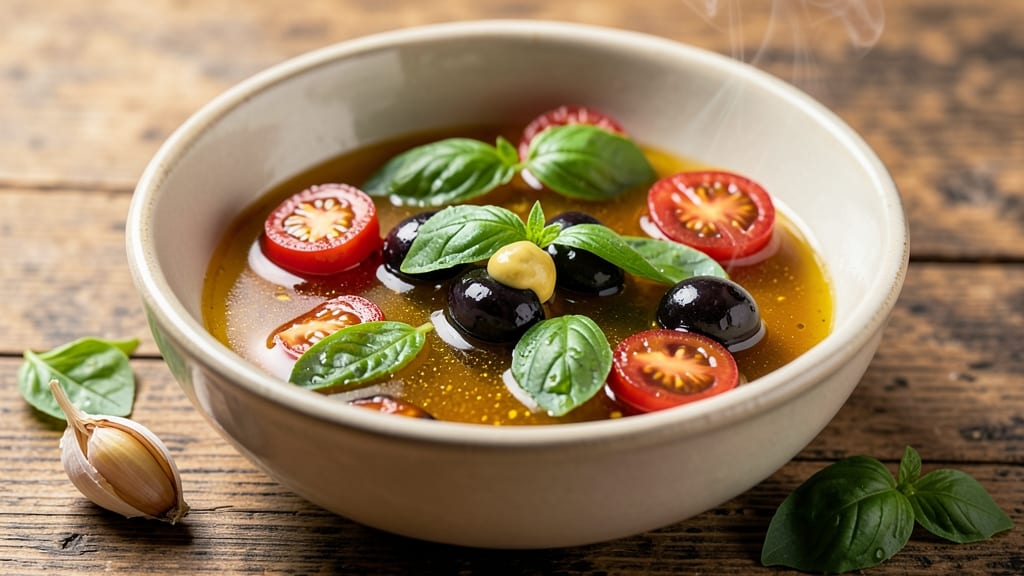
This apple cider vinegar Italian dressing recipe transforms simple salads into restaurant-quality meals with its bright, herby zing. The tangy vinegar base cuts through rich ingredients while the fresh herbs and garlic create layers of Mediterranean flavor that elevate everything from grain bowls to roasted vegetables.
What makes this dressing special is its perfect balance—sharp enough to cut through creamy avocados but mild enough to complement delicate greens.
The secret lies in the ratio of vinegar to oil, which prevents the dressing from becoming overly acidic while maintaining that signature Italian brightness. Fresh basil and oregano provide the classic Italian profile, while a touch of Dijon mustard adds depth without overpowering.
I developed this recipe after years of testing—it’s the one that finally made my homemade salads taste as good as my favorite Italian bistro sides.
What you’ll end up with is a versatile dressing that stays fresh for up to a week in the fridge, ready to transform any meal. Use it on Caprese salads, drizzle over grilled chicken, or toss with pasta for instant flavor.
The herbs stay vibrant, and the acidity mellows just enough to work with both bold and delicate flavors.
For extra versatility, adjust the garlic to taste or add a pinch of red pepper flakes for heat. This dressing is the perfect bridge between simple and sophisticated—easy to make but impossible to resist. Let’s get started on creating your new go-to flavor booster.
Ingredients for apple cider vinegar italian dressing
Nine simple ingredients blend into a dressing that tastes like your favorite Italian bistro.
| Ingredient | Amount | Notes |
|---|---|---|
| Apple Cider Vinegar 🍏 | ½ cup | Raw, unfiltered preferred |
| Extra-Virgin Olive Oil 🫒 | ¾ cup | Light, fruity variety |
| Fresh Basil Leaves 🌿 | ½ cup | Packed, stems removed |
| Fresh Oregano Leaves 🍃 | ¼ cup | Or dried oregano (1 tbsp) |
| Garlic Cloves 🧄 | 3 cloves | Minced or finely chopped |
| Dijon Mustard 🥬 | 1 tbsp | Mild or strong variety |
| Honey 🍯 | 1 tbsp | Or maple syrup for vegan |
| Kosher Salt 🧂 | ½ tsp | Fine grain preferred |
| Freshly Ground Black Pepper 🌶️ | ¼ tsp | Adjust to taste |
| Red Pepper Flakes 🔥 | ¼ tsp | Optional for heat |
The apple cider vinegar is the heart of this dressing—raw, unfiltered has more depth, but regular works fine. Trader Joe's and Whole Foods carry good options, or grab a small bottle from the salad bar. Fresh basil and oregano make all the difference (I always grab extra basil—half goes in the dressing, half gets torn over salads). For the olive oil, anything light and fruity works—California avocado oil is my go-to, but Bertolli is a solid budget pick. The garlic? Freshly minced is best, but jarred works in a pinch—just rinse it first.
No fresh herbs? Dried oregano at one-third the amount gets you close, but fresh is ideal. Short on honey? Maple syrup works perfectly (same amount). Want more tang? Add 1 extra tbsp vinegar. For heat, red pepper flakes are the way to go—start with ¼ tsp and adjust. The Dijon mustard adds depth without overpowering, but if you're out, yellow mustard works too. This dressing keeps its vibrancy for up to a week, so make extra—you'll want it on everything.
Store in an airtight jar in the fridge, and it’ll stay fresh for 7-10 days. The herbs might wilt, but the flavor stays bright. For longer storage, freeze in ice cube trays—just thaw and shake before using. I always keep a jar in the fridge because it’s the perfect quick flavor booster. Drizzle over roasted veggies, toss with pasta, or use it as a marinade. It’s that versatile.
Why You'll Love This Recipe
- No-Fuss Assembly: I swear by this dressing because it’s three ingredients plus herbs—no measuring cups, no fuss. Just toss the vinegar, olive oil, and minced garlic into a jar, add the basil and oregano, give it a shake, and let it sit. Honestly, I’ve made it while chatting on the phone.
- Herb-Packed Punch: That tangy apple cider vinegar cuts through the richness of the olive oil, while the basil and oregano bloom into something bright and complex. The garlic? Oh, it’s the secret weapon—just a quick smash with the side of your knife, no chopping required.
- Salad Game Changer: This dressing turns a basic bowl of greens into a restaurant-worthy meal. But it doesn’t stop there—drizzle it over roasted veggies, toss it with pasta, or even use it as a marinade. I’ve even used it to deglaze a pan for a quick sauce. (Yes, even on a Tuesday night.)
- Lasts All Week: Make a big batch—it keeps in the fridge for ages without separating. I’ve had this dressing survive three lunches, two dinners, and still taste fresh. Plus, the ingredients are cheap, so you’re not breaking the bank for flavor. My wallet and taste buds thank me.
Step-by-step instructions for apple cider vinegar Italian dressing
This vibrant dressing comes together in minutes with fresh herbs and bright flavors.
Blend the Fresh Herbs and Garlic
Start by combining the 0.5 cup fresh basil leaves and 0.25 cup fresh oregano leaves in a food processor or blender. These herbs should be packed and stem-free for the best flavor. Add the 3 cloves garlic cloves (minced or finely chopped) and pulse until you achieve a finely chopped consistency—you want the herbs to be small but not completely pureed. The texture should resemble a rough herb paste.
This step is where the dressing gets its signature bright, herby character. If you're using dried oregano instead, reduce the amount to 1 tablespoon as dried herbs are more concentrated. Pulse just until combined—over-processing can turn the mixture bitter.
Whisk Together Wet Ingredients
In a medium bowl, whisk together the 0.5 cup apple cider vinegar, 0.75 cup extra-virgin olive oil, 1 tablespoon Dijon mustard, and 1 tablespoon honey. The vinegar should be raw and unfiltered for that tangy depth. Start with a slow whisk to emulsify the oil and vinegar, then gradually increase speed until the mixture becomes smooth and slightly thickened.
Here's the thing—adding the honey at this stage balances the acidity of the vinegar while adding a subtle sweetness. The Dijon mustard acts as an emulsifier, helping the oil and vinegar blend seamlessly. If the mixture starts to separate, just whisk vigorously for another 30 seconds—it should come back together.
Combine and Season
Transfer the herb mixture from the food processor to the bowl with the wet ingredients. Add the 0.5 teaspoon kosher salt, 0.25 teaspoon freshly ground black pepper, and 0.25 teaspoon red pepper flakes (if using). Stir well with a wooden spoon until everything is fully incorporated and the dressing is smooth.
The red pepper flakes are optional but add a nice kick—start with a small amount and adjust to taste. Taste the dressing now to check the balance of flavors. It should be tangy, herby, and slightly sweet with a hint of peppery heat. If it needs more acidity, add another ½ teaspoon of apple cider vinegar. If it needs more sweetness, add a little more honey.
Rest and Adjust
Let the dressing sit at room temperature for 10-15 minutes before using. This resting period allows the flavors to meld together beautifully. Give it a final taste and adjust the seasoning if needed—perhaps a pinch more salt or a splash more vinegar.
This dressing is incredibly versatile—use it on salads, drizzle it over grilled vegetables, or toss it with pasta. The apple cider vinegar gives it a unique depth that sets it apart from traditional Italian dressings. Store any leftovers in an airtight container in the refrigerator for up to 1 week, shaking well before each use.
Pro Tips For Making Apple Cider Vinegar Italian Dressing
- STEAM THE GARLIC: I learned this the hard way—raw garlic in dressing tastes harsh and bitter. Instead, crush the cloves and let them sit in warm oil (not hot) for 5 minutes before adding vinegar. The heat softens the edges without burning, and the flavor mellows into something rich and aromatic.
- PULVERIZE THE BASIL: Skip the whole leaves if you want a dressing that actually blends. Tear or lightly pulse the basil in a food processor first—just until it loses its shape but doesn’t turn to paste. This releases the oils without making the dressing slimy, and the texture stays bright.
- MEASURE THE VINEGAR FIRST: Pour the apple cider vinegar into the bowl before the oil. Vinegar is heavier than oil, so adding it last means you’ll end up with a watery, uneven mix. Start with vinegar, then whisk in oil gradually—this guarantees a smooth, emulsified dressing every time.
- USE COLD OIL: I was skeptical until I tried it—cold extra-virgin olive oil blends better and keeps the dressing from separating. Warm oil can break the emulsion faster, especially with fresh herbs. Just measure it cold, then whisk it in room temperature. No waiting, no fuss.
Regional styles of this dish
Classic Tuscan Style
In Tuscany, this dressing evolves into a rustic pesto-inspired version by adding 1 cup fresh basil and ½ cup toasted pine nuts to the base recipe.
The Italians use extra-virgin olive oil from their region (like Frantoio or Leccino) and reduce the honey to ½ tablespoon for a more traditional balance. Add ½ teaspoon grated Parmesan for umami depth—this version pairs perfectly with roasted artichokes or grilled lamb chops. 🌿
Southern Italian Calabrian Twist
Calabria’s version leans into bold flavors with 1 teaspoon dried hot chili flakes (like ’Nduja) and 1 tablespoon capers for briny contrast. Swap the honey for 1 tablespoon orange zest to mimic the citrus notes of Sicilian cuisine.
This dressing shines on seafood salads or as a marinade for swordfish steaks. The Calabrian touch? A splash of white wine vinegar (½ cup) replaces half the apple cider vinegar for a lighter acidity. 🍊
Roman Rustic Adaptation
Rome’s take is simpler but richer: omit the honey and replace it with 1 tablespoon balsamic glaze (reduced from 2 tablespoons balsamic vinegar).
Add 1 teaspoon dried rosemary for an earthy note, and use garlic-infused olive oil (infuse ½ cup oil with 4 garlic cloves for 10 minutes at low heat). This version works wonderfully with Roman-style cacio e pepe or grilled eggplant dishes.
The balsamic adds a caramelized sweetness that balances the vinegar’s sharpness. 🍷
Venetian-Inspired Version
Venice’s coastal influence shines through in this adaptation, where 1 tablespoon lemon juice replaces half the apple cider vinegar, and 1 teaspoon dried marjoram joins the oregano. Add ½ cup finely chopped shallots (sautéed in 1 tablespoon butter) for a subtle sweetness.
This dressing pairs beautifully with seafood risotto or grilled calamari. The lemon brightens the flavor, making it ideal for spring and summer dishes. 🍋
Sicilian Sun-Kissed Variation
Sicily’s version is all about bold, sunny flavors: 1 tablespoon tomato paste (cooked down with 1 garlic clove) replaces the Dijon mustard, and 1 teaspoon dried basil joins the oregano. Add ½ teaspoon ground fennel seeds for a licorice-like depth.
This dressing is perfect for pasta alla Norma or grilled vegetables. The tomato paste adds a subtle umami that complements the apple cider vinegar’s tang. 🌞
Nutrition facts
Frequently asked questions
Can I use white vinegar instead of apple cider vinegar?
White vinegar works in a pinch, but it lacks the rich, fruity depth of apple cider vinegar. The dressing will still taste good, but you’ll miss that subtle sweetness and complexity. If you must substitute, use the same amount of white vinegar, but consider adding ½ teaspoon honey or 1 teaspoon maple syrup to compensate for the lost flavor.
How do I prevent the dressing from separating?
Emulsifying the oil and vinegar properly is key! Whisk vigorously when combining the wet ingredients, and add the Dijon mustard—it acts as a natural emulsifier. If separation happens, just whisk or shake the dressing before using. For extra insurance, pulse the herbs and garlic in a food processor until finely chopped before mixing.
What’s the best way to store leftovers?
Transfer the dressing to an airtight container and refrigerate for up to 1 week. The herbs may soften, but the flavor stays bright. For longer storage, freeze in ice cube trays—thaw and shake before using. Always store it in the fridge, never at room temperature, to prevent spoilage.
Can I make this dressing without fresh herbs?
Yes! Use 1 tablespoon dried oregano and 1 teaspoon dried basil (not basil leaves) for a similar flavor. The texture will be less vibrant, but the taste remains authentic. If you’re missing basil entirely, add ½ teaspoon dried thyme for a close substitute.
Is this dressing gluten-free?
All the ingredients in this recipe are naturally gluten-free. The Dijon mustard is the only potential concern—always check the label to confirm it’s gluten-free. This dressing is safe for most gluten-sensitive diets as long as you verify the mustard.