
Sauces & Condiments
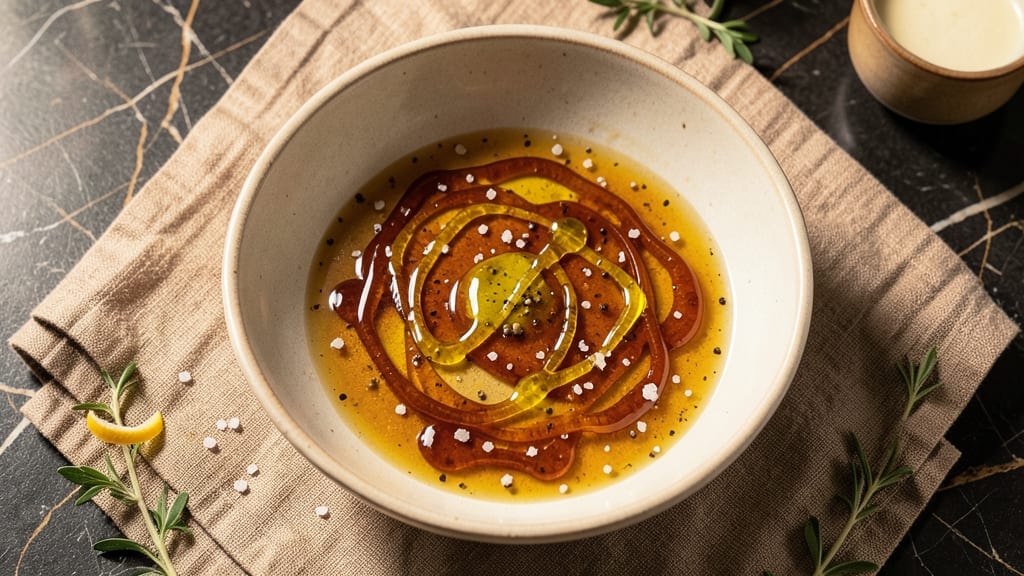
This apple cider vinegar sauce recipe transforms simple ingredients into a versatile, tangy-sweet condiment that elevates everything from salads to roasted vegetables. The secret lies in balancing sharp apple cider vinegar with smooth honey, creating a harmonious blend that brightens dishes without overpowering them.
I developed this sauce after realizing how often I reached for store-bought versions—until I realized homemade tastes infinitely better.
The magic happens with just five ingredients: apple cider vinegar, honey, olive oil, Dijon mustard, and a pinch of salt. The vinegar provides that signature tang, while honey softens the acidity and adds subtle sweetness.
Olive oil creates a silky texture, and Dijon mustard adds depth. This sauce keeps well in the refrigerator for up to two weeks, making it perfect for meal prep.
What makes this sauce truly special is its versatility. Drizzle it over mixed greens for a restaurant-quality salad dressing, use it as a marinade for grilled chicken, or serve it alongside roasted vegetables for extra flavor.
The balance of sweet and tangy notes works equally well in savory and slightly sweet applications, making it a pantry staple.
Unlike many dressings, this sauce doesn’t separate or lose its vibrancy over time. The emulsion stays smooth, and the flavors deepen as it sits. Whether you’re dressing up a simple lunch or adding complexity to a dinner, this apple cider vinegar sauce delivers consistent, professional-quality results every time.
Ingredients for apple cider vinegar sauce
Five simple ingredients transform into a tangy, versatile sauce that brightens any dish effortlessly.
| Ingredient | Amount | Notes |
|---|---|---|
| Apple Cider Vinegar 🍏 | ½ cup | Raw, unfiltered preferred |
| Honey 🍯 | ⅓ cup | Raw or wildflower preferred |
| Extra-Virgin Olive Oil 🫒 | ⅓ cup | Light or fruity variety |
| Dijon Mustard 🌶️ | 1 tbsp | High-quality, smooth type |
| Kosher Salt 🧂 | ½ tsp | Fine grain preferred |
The apple cider vinegar is the star here—Bragg or local orchard varieties have the most character. I always grab a glass bottle (not plastic) because it keeps better and tastes fresher. The honey should be raw or wildflower—processed honey loses that floral depth. Olive oil matters too, so don't skimp. California Early Harvest or Italian Picual varieties add brightness without overpowering. For the mustard, Maille or French's are my go-tos—they emulsify better than those cheap powdered versions.
No apple cider vinegar? White wine vinegar or lemon juice works in a pinch, but the flavor will be different. Honey substitute? Maple syrup or agave nectar—just reduce other liquids slightly since they're thicker. Olive oil short on funds? Avocado oil is a great neutral swap. Salt too salty? Add a pinch of sugar to balance. The mustard can be skipped if you dislike tang, but it adds that restaurant-quality depth. Want extra richness? Add 1 tsp of minced shallot with the mustard.
This sauce keeps beautifully—up to 2 weeks in the fridge if stored in a sealed jar. The emulsion stays smooth, unlike many store-bought versions. For meal prep, I double the batch and store it in small glass jars. It's perfect for drizzling over salads, roasted veggies, or even grilled chicken. The flavors actually improve after 24 hours as everything melds together. Freezes well too if you want to make a big batch ahead.
Why You'll Love This Recipe
- I’ll be real: I make a big batch and keep it in the fridge for weeks. The flavors only get better as it mellows, and it’s cheap enough that I’m not stressing over leftovers. Plus, it’s one of those sauces that tastes intentional, even if you’re just slapping it on sandwiches.
- Five-Ingredient Magic: Honestly, this sauce is that one recipe where you measure, stir, and—boom—it’s done. No chopping, no peeling, no waiting for anything to simmer. Just apple cider vinegar, honey, olive oil, Dijon, and salt coming together like old friends at a dinner party.
- Tangy-Sweet Balance: Here’s what sold me—the way the sharp bite of apple cider vinegar and the rich depth of Dijon mustard play off the honey’s warmth. It’s not overpowering; it’s like a well-timed joke—funny, but not trying too hard.
- Dresses Everything: Between us, I’ve drizzled this on roasted Brussels sprouts, tossed it with grilled chicken, and even stirred it into a bowl of pasta. It works for weeknight dinners, potlucks, or when you’re too tired to think. Just open the jar, pour, and go.
Step-by-step instructions for apple cider vinegar sauce
This tangy-sweet sauce comes together in minutes with just five ingredients.
Whisk Together the Wet Ingredients
In a medium bowl, combine the 0.5 cup apple cider vinegar and 0.33 cup honey. I like to use a whisk for this step—it helps dissolve the honey more quickly and creates a smoother texture right from the start. Stir until the honey fully incorporates and the mixture looks uniform.
The vinegar and honey should begin to blend almost immediately, creating a pale golden liquid. Here's the thing—raw honey blends more easily than processed, so if you're using store-bought honey, give it a few extra seconds of whisking. This is where the magic happens: the acidity of the vinegar will start to mellow as it interacts with the honey's natural sugars, creating that perfect balance we're after.
Add the Olive Oil and Mustard
Next, drizzle in the 0.33 cup extra-virgin olive oil while continuing to whisk. The oil should emulsify almost instantly with the vinegar-honey mixture, creating a silky texture. Then add the 1 tablespoon Dijon mustard and whisk vigorously for about 30 seconds until completely smooth.
This is where the sauce starts to come together properly. The mustard acts as an emulsifier, helping the oil and vinegar mixture bind more tightly. If you notice any separation at this point, keep whisking—don't worry, it will come back together. The Dijon mustard also adds depth of flavor that cuts through the sweetness and acidity beautifully. I always use a high-quality Dijon for this recipe because the flavor difference is noticeable in such a simple sauce.
Season and Adjust the Balance
Sprinkle in the 0.5 teaspoon kosher salt and whisk once more to distribute it evenly. Taste the sauce at this point—you should notice a perfect balance between sweet, tangy, and slightly savory notes. If it feels too sweet, add a splash more vinegar. If it's too sharp, stir in a bit more honey.
This is your chance to fine-tune the flavor. I usually find the initial balance works perfectly, but everyone's palate is different. The key is to adjust gradually—adding too much of one ingredient at once can throw off the entire balance. The sauce should coat your spoon with a velvety texture and leave a bright, clean finish on your tongue. That's exactly what we're aiming for here.
Let It Rest and Emulsify
Transfer the sauce to a clean jar or airtight container and let it sit at room temperature for at least 10 minutes. This resting period allows the flavors to meld completely and gives the emulsion time to stabilize. The sauce will thicken slightly as it sits, which is actually a good sign—it means the ingredients are working together properly.
Here's the crucial part: give it a good stir before using. The sauce might separate slightly during the resting period, but it will come back together beautifully when you whisk it again. This resting time also lets the acidity mellow out just enough to make the sauce more versatile for different dishes. If you're in a hurry, you can use it immediately, but the flavors will be even better after this short rest.
Use Immediately or Store for Later
For immediate use, give the sauce one final whisk to ensure everything is perfectly combined. Drizzle over salads, use as a marinade, or serve as a dipping sauce for roasted vegetables. The sauce should coat everything beautifully, adding a bright tang and subtle sweetness that complements both savory and sweet dishes.
If you're not using it right away, store the sauce in an airtight container in the refrigerator for up to 2 weeks. Before using, give it a good shake or whisk—it might separate slightly during storage, but it will come back together perfectly. The flavors actually improve with a few days of resting in the fridge, developing even more complexity. This sauce keeps well and is perfect for having on hand whenever you need a quick, flavorful dressing or sauce.
Pro Tips For Making Apple Cider Vinegar Sauce
- Whisk in Stages: Start by mixing the honey and Dijon mustard first—this keeps the mustard from curdling when you add the vinegar later. I learned this after watching my first batch separate like a sad salad dressing.
- Use Raw Honey: Raw, unfiltered honey adds depth and tiny flecks of pollen that make the sauce look (and taste) more interesting. Refined honey works, but you’ll miss that extra layer of flavor—trust me, your taste buds will notice.
- Balance the Vinegar: Taste as you go, especially if your vinegar is strong or mild. A splash of warm water (1 tsp) can mellow harsh acidity without thinning the sauce—just stir it in at the end.
- Salt Last: Add the kosher salt only after everything else is emulsified. Salt draws out moisture, and adding it too early can make your sauce split or feel unpleasantly thin. Save it for the final whisk.
Regional styles of this apple cider vinegar sauce
New England Apple Orchard Style
In the orchards of Vermont and New Hampshire, this sauce takes on a rustic charm with the addition of 1 teaspoon of finely grated fresh ginger and ½ teaspoon of ground cinnamon.
The ginger adds a subtle warmth that pairs beautifully with the sharp apple cider vinegar, while the cinnamon gives it that cozy autumnal feel. I like to use local Vermont maple syrup instead of honey for a deeper, earthier sweetness that locals swear by. 🍎
Southern BBQ Glaze Twist
Down South, this sauce becomes a sticky-sweet glaze for ribs and pulled pork. Reduce the recipe by half and simmer it with 1 tablespoon of smoked paprika and ½ teaspoon of cayenne pepper for 5 minutes until slightly thickened.
The heat from the cayenne balances the sweetness perfectly, while the paprika adds that signature smoky depth. Brush it on ribs during the last 30 minutes of cooking for an irresistible caramelized crust. 🌶️
Pacific Northwest Herb Infusion
Out West, chefs elevate this sauce with fresh rosemary and thyme—just add 1 tablespoon of finely chopped rosemary and 1 teaspoon of thyme leaves to the whisked ingredients. The herbs add an earthy, piney note that complements the tangy-sweet profile beautifully.
I love using this version as a drizzle for roasted asparagus or as a marinade for grilled salmon. The Pacific Northwest’s love of bold, fresh flavors shines through here. 🌿
Midwest Farmhouse Classic
In the heartland, this sauce often includes a pinch of black pepper and sometimes a dash of apple brandy (about ½ teaspoon) for depth.
The brandy adds a subtle warmth that enhances the apple cider vinegar’s brightness, making it perfect for roasted Brussels sprouts or as a finishing sauce for grilled corn. It’s the kind of sauce that feels like a hug—comforting and full of homestyle flavor. 🏡
Mediterranean Olive Oil Upgrade
For a Mediterranean twist, swap the extra-virgin olive oil for a blend of ½ cup olive oil and 1 tablespoon of lemon juice.
Add ½ teaspoon of dried oregano and a pinch of red pepper flakes for a bright, herby sauce that works wonders on grilled vegetables or as a drizzle for hummus. The lemon juice brightens the apple cider vinegar, creating a zesty, herbaceous profile that feels fresh and vibrant. 🍋
Nutrition facts
Frequently asked questions
Can I use this apple cider vinegar sauce as a marinade?
This sauce works beautifully as a marinade for chicken, pork, or tofu. The acidity helps tenderize the meat while adding flavor. For best results, marinate for 2-4 hours in the refrigerator. If marinating for longer than 2 hours, use a sealed bag to prevent cross-contamination.
What if my sauce separates after storing?
Don't worry—this is normal! Just give it a good whisk or shake before using. The emulsion will come back together perfectly. For extra stability, store it in a glass jar rather than plastic. If it still separates after whisking, add 1/2 teaspoon of xanthan gum to help bind it.
Can I make this sauce without honey?
Yes! Substitute honey with maple syrup or agave nectar (use 1/4 cup total). For a lower-sugar option, try date syrup or even white wine vinegar plus a pinch of sugar. The key is maintaining the same sweet-to-acid balance—taste and adjust as needed.
How can I make this sauce spicier?
Add 1/4 teaspoon of cayenne pepper or 1/2 teaspoon of hot sauce while whisking. For smoky heat, mix in 1/2 teaspoon of smoked paprika. Start with small amounts—you can always add more, but you can't take it out!
Will this sauce work with seafood?
Perfectly! This sauce pairs wonderfully with shrimp, scallops, or grilled fish. The acidity helps "cook" seafood slightly on the surface, adding texture. For delicate fish like sole, use it as a finishing sauce after cooking rather than a marinade.