
Main Courses
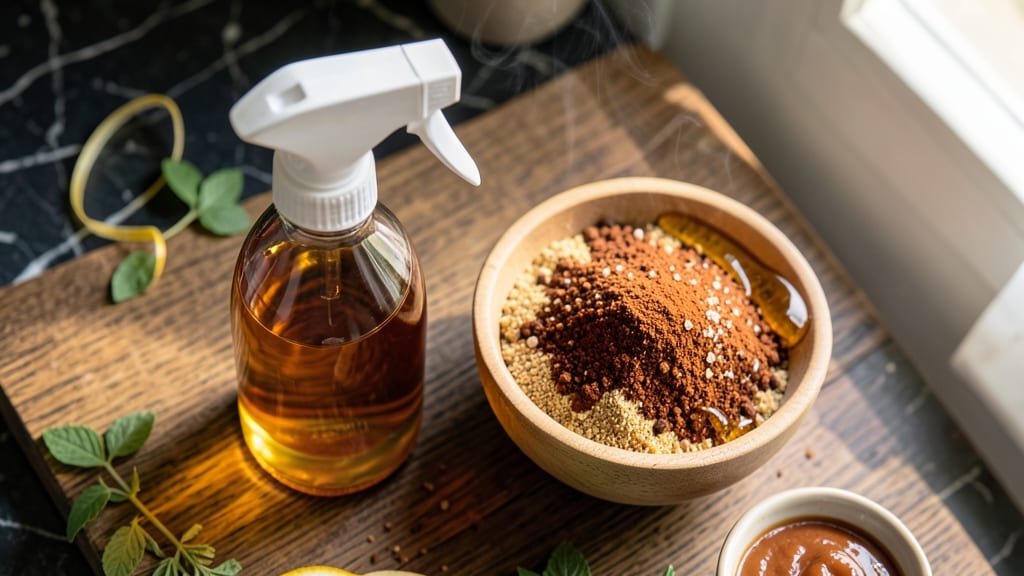
This apple cider vinegar spray for ribs recipe transforms tough cuts into fall-off-the-bone tenderness with every spritz. The magic lies in its simple yet powerful blend of tangy vinegar, aromatic spices, and just enough sweetness to caramelize into a smoky-sweet bark.
I developed this recipe after years of experimenting with different marinades and sprays, and it consistently delivers restaurant-quality results at home—no fancy equipment required.
The spray works in three key ways: as a pre-cook marinade to tenderize the meat, as a basting spray during cooking to build that coveted crust, and as a finishing glaze for extra shine and flavor.
The apple cider vinegar not only breaks down muscle fibers but also adds a subtle sweet-tart depth that complements the natural richness of ribs. For best results, use it on ribs before, during, and after cooking for maximum impact.
What sets this spray apart is its ability to create that perfect balance of smoky, sweet, and tangy flavors without overpowering the meat. The spices—like smoked paprika and garlic powder—infuse the ribs with warmth, while the honey adds just enough caramelization to create a glossy, appetizing finish.
It’s the kind of sauce that makes your ribs taste like they’ve been slow-smoked for hours, even if you’re using a grill, oven, or smoker. The best part? This spray keeps well in the refrigerator for up to two weeks, making it a versatile addition to your cooking arsenal.
Whether you’re preparing ribs for a weekend barbecue or a weeknight dinner, this recipe ensures your meat will be tender, flavorful, and impossible to resist. Let’s get started!
Ingredients for apple cider vinegar spray for ribs
Tangy, smoky, and sweet—just three spritzes make ribs unforgettable.
| Ingredient | Amount | Notes |
|---|---|---|
| Apple Cider Vinegar 🍎 | 1 cup | Raw, unfiltered preferred |
| Smoked Paprika 🌶️ | 2 tbsp | High quality for smoky depth |
| Garlic Powder 🧄 | 1 tbsp | Freshly ground preferred |
| Onion Powder 🧅 | 1 tbsp | For aromatic base |
| Honey 🍯 | ½ cup | Wildflower for floral notes |
| Brown Sugar 🍚 | ¼ cup | Light or dark variety |
| Black Pepper 🌶️ | 1 tsp | Freshly cracked |
| Salt 🧂 | 1 ½ tsp | Kosher or sea salt |
| Ground Cinnamon 🌿 | ½ tsp | For subtle warmth |
| Water 💧 | ½ cup | For thinning consistency |
The apple cider vinegar is the star here—raw, unfiltered has more depth and complexity than the filtered kind. Bragg or Texas Pete are my go-tos, but any good quality ACV works. Smoked paprika is non-negotiable for that authentic bark flavor; Penzeys or the bulk bins at Whole Foods have the best options. Honey should be wildflower if you can find it—it adds floral notes that regular honey misses. The brown sugar? Light or dark doesn't matter, but don't use powdered. Trust me on that.
No smoked paprika? Regular paprika plus a pinch of liquid smoke gets you close. Out of honey? Maple syrup works 1:1, though it's heavier. The water is key for spray consistency—too thick and it won't mist well. For extra kick, add a dash of cayenne. The spices can be pre-mixed and stored in a jar for months, so you're not scrambling when BBQ season hits. Just shake before each use to keep everything evenly distributed.
This spray keeps for 2 weeks in the fridge, but I usually make a fresh batch every time I plan to cook ribs. Store it in a glass spray bottle—plastic can get cloudy. Shake well before each use, especially if it's been sitting. The spray doubles as a marinade, so feel free to slather it on ribs 24 hours ahead of cooking. Leftovers? Toss it in a ziplock bag and freeze for up to 3 months—perfect for last-minute BBQs.
Why You'll Love This Recipe
- Five-Ingredient Magic: I swear by this spray—just shake it up in a bottle, and boom, flavor without the fuss. No measuring cups, no stress, no last-minute grocery runs for obscure spices. The apple cider vinegar cuts through the richness while the honey and smoked paprika add that perfect sweet-smoky balance.
- Tangy-Sweet Bomb: That first spray hits like a flavor revelation—bright, slightly sharp, with just enough honey to make it irresistible. The garlic and onion powders sneak in depth without overpowering, so every bite of those ribs tastes like they’ve been slow-cooked all day (even if you’re in a hurry).
- Tailgate or Tuesday: Honestly, this spray works for everything. Grilling ribs for a crowd? Done. Quick weeknight dinner? Still done. Even my picky uncle (who hates "fancy" seasoning) licks his plate clean when I use this. It’s the kind of trick that makes you look like a BBQ genius with zero effort.
- No-Waste Wonder: Between us, I’ve used the leftover spray on chicken, roasted potatoes, and even eggs. The bottle lasts forever, and the cost? Ridiculous. A few bucks for vinegar and spices, and suddenly you’ve got restaurant-quality flavor without the restaurant price tag. Plus, no leftovers to deal with—just empty the bottle and refill.
Step-by-step instructions for apple cider vinegar rib spray
Transform your ribs into tender, smoky masterpieces with this easy spray recipe that builds unbeatable bark.
Combine Dry Ingredients in a Mixing Bowl
In a medium bowl, whisk together the 2 tablespoons smoked paprika, 1 tablespoon garlic powder, 1 tablespoon onion powder, 1 teaspoon black pepper, 1.5 teaspoons salt, and 0.5 teaspoon ground cinnamon. This dry blend forms the aromatic backbone of your spray—it's what gives those ribs their deep, complex flavor profile. I like to use a whisk here to break up any clumps in the spices, ensuring everything is evenly distributed before we add the wet ingredients.
Here's the thing—don't skip the cinnamon. That tiny amount adds subtle warmth that complements the smoky notes perfectly. If you're using freshly ground spices, you'll notice an even more intense flavor in your final spray. Give this dry mixture a good stir now so we're ready for the next step without any lumps.
Gradually Add Wet Ingredients to Create the Base
In a separate container, combine the 1 cup apple cider vinegar and 0.5 cup water. This liquid base serves two crucial purposes: it carries the flavor to your ribs and helps create that signature sticky bark. I prefer using raw, unfiltered apple cider vinegar here—the mother culture adds subtle complexity that commercial versions often lack.
Now, slowly pour this liquid mixture into your dry spices while whisking continuously. You want to create a smooth, pourable consistency—think of it like making a thick syrup. If it starts looking too thick, add 1-2 tablespoons more water to reach a sprayable texture. The goal is something that will cling to your ribs without dripping off during application. This is your working base before we add the sweet components.
Incorporate Honey and Brown Sugar for Sweet-Smoky Balance
Add the 0.5 cup honey and 0.25 cup brown sugar to your mixture and whisk vigorously until completely dissolved. Here's where the magic happens—the honey provides that caramelized sweetness that pairs perfectly with the vinegar's tang, while the brown sugar adds depth and helps create that coveted dark bark. I like to use wildflower honey for its floral notes, but any good-quality honey will work.
This is the moment that matters: let the mixture sit for 5 minutes while you give it another good stir. The heat from your hands will help dissolve any remaining sugar crystals, and the vinegar will start to mellow slightly, creating a more balanced flavor profile. You'll notice the mixture darkens as the sugars begin to interact with the vinegar—this is exactly what you want for that rich, complex spray.
Test and Adjust Consistency for Perfect Application
Transfer your spray to a clean spray bottle—glass is best if you have it, but plastic will work in a pinch. Give it a good shake to ensure everything is well combined. Now comes the crucial test: lightly spray a small piece of paper or parchment paper. You're looking for a fine mist that doesn't pool or run. If it's too thick, add 1 teaspoon water at a time until you achieve that perfect spray consistency.
The reason we test on paper first is simple: you don't want to waste your entire batch figuring out the consistency. A good spray should cover ribs evenly without creating puddles that could make them soggy. Once you've got it right, give the bottle another thorough shake—this ensures the spices don't settle at the bottom between uses. Your spray is now ready to transform your ribs into fall-off-the-bone perfection.
Pro Tips For Making Apple Cider Vinegar Spray For Ribs
- Shake Before Spraying: That bottle of apple cider vinegar you’re using? Give it a good shake first—especially if you’ve had it sitting for a while. The sediment at the bottom is the good stuff (mother culture), and you want it mixed in for that deeper tang. I learned this the hard way when my first spray tasted watery and flat.
- Use Warm Vinegar: Heat the apple cider vinegar to about 100°F before mixing with the dry spices—just enough to wake up the flavors. Cold vinegar makes the spices clump like sad oatmeal, and you end up with an uneven spray. A quick microwave zap or warm water bath works; no need to boil it.
- Skip the Honey Clumps: If your honey’s thick and stubborn, microwave it for 10 seconds to loosen it up before adding to the spray. Clumps in the bottle mean clumps on your ribs, and nobody wants sticky globs ruining their bark. Stir it like you’re mixing paint—thoroughly, no lazy swirls.
- Test the Spray First: Before committing to your whole rack of ribs, spray a small piece of paper towel or foil and let it dry. If it leaves a sticky residue, your honey-to-vinegar ratio’s off—add more vinegar next time. This saves you from ruining a perfectly smoked batch because the spray turned into syrup.
Best sauces and condiments for apple cider vinegar spray for ribs
Pre-Cook Marinade
Use this spray as a marinade by generously coating ribs 24 hours before cooking. The apple cider vinegar tenderizes the meat while infusing it with smoky-sweet flavors. I like to place ribs in a ziplock bag with ½ cup spray, seal it tightly, and refrigerate.
Turn them every 6 hours for even flavor distribution. This method works especially well for tougher cuts like beef ribs that need extra time to break down. 🍖
Basting Spray
During cooking, spritz ribs every 30-45 minutes to build that coveted bark. The vinegar helps create a sticky surface that caramelizes beautifully, while the honey adds gloss and sweetness. For best results, use a glass spray bottle—it handles heat better than plastic.
I recommend spraying ribs when they're at 170-180°F internal temperature for optimal bark formation. This technique is perfect for smokers, grills, or even ovens.
Finishing Glaze
After ribs reach 203°F internal temperature, let them rest for 10 minutes, then spritz lightly with the spray. The residual heat will caramelize the sugars instantly, creating a glossy, appetizing finish. I like to do this right before serving so the glaze isn't overcooked.
For extra shine, brush on a thin layer of melted butter after spraying. This final step elevates ribs from good to restaurant-quality.
Dry Rub Alternative
If you prefer a dry rub, mix the spices from the spray recipe (2 tbsp smoked paprika, 1 tbsp garlic powder, etc.) with ¼ cup brown sugar and 2 tbsp cornstarch.
Apply this as a dry rub, then spray ribs with just the liquid portion (apple cider vinegar + water) during cooking. The cornstarch helps create a crispier bark while the spray adds moisture and depth. This two-step method works wonderfully for competition-style ribs.
Storage and Reuse
Store leftover spray in a glass spray bottle in the refrigerator for up to 2 weeks. For longer storage, freeze in ice cube trays and transfer to a ziplock bag. Thaw in the fridge overnight before using.
I often make a double batch—one for immediate use and one to freeze for future BBQs. The spray keeps its potency well, making it a versatile addition to your cooking routine. Always shake before using to maintain consistency. 💧
Nutrition facts
Frequently asked questions
Can I use this spray on other meats besides ribs?
This apple cider vinegar spray works beautifully on pork shoulder, chicken thighs, and even brisket. The tangy-sweet balance enhances any rich, fatty meat. For poultry, reduce the honey slightly (¼ cup) to prevent over-sweetening. The vinegar's acidity helps tenderize tougher cuts like brisket, while the honey adds caramelization to chicken skin.
How do I fix a spray that's too thick or too thin?
If your spray is too thick, add 1 teaspoon water at a time until it reaches a fine mist consistency. For a thinner spray, you can add 1-2 tablespoons vinegar to maintain the flavor balance. Always test on paper first! Too thin? Let it sit for 10 minutes to thicken naturally, or reduce the water slightly next time you make it.
Can I make this spray without honey?
Yes, but the flavor will be less balanced. Replace the honey with ¼ cup maple syrup for depth or 3 tablespoons molasses for a deeper, earthier taste. The brown sugar will still provide sweetness, but honey's floral notes and caramelization are key for that signature bark. If you're avoiding sugar entirely, try 1 tablespoon agave nectar instead.
Why does my spray separate or get cloudy?
This happens when spices settle or sugars crystallize. Give it a vigorous shake before each use—this keeps everything suspended. For long-term storage, use a glass bottle (plastic can react with vinegar). If it's still cloudy after shaking, let it sit for 5 minutes to allow any settled spices to resuspend naturally. The spray is still safe to use!
How often should I spray ribs during cooking?
For best results, spritz ribs every 30-45 minutes during the last 2-3 hours of cooking. The vinegar creates a sticky surface that caramelizes into bark. For smokers, spray more frequently (every 20 minutes) since smoke can dry out the surface. Avoid spraying too early—wait until ribs reach 170°F internal temperature to prevent soggy meat.