
Main Courses
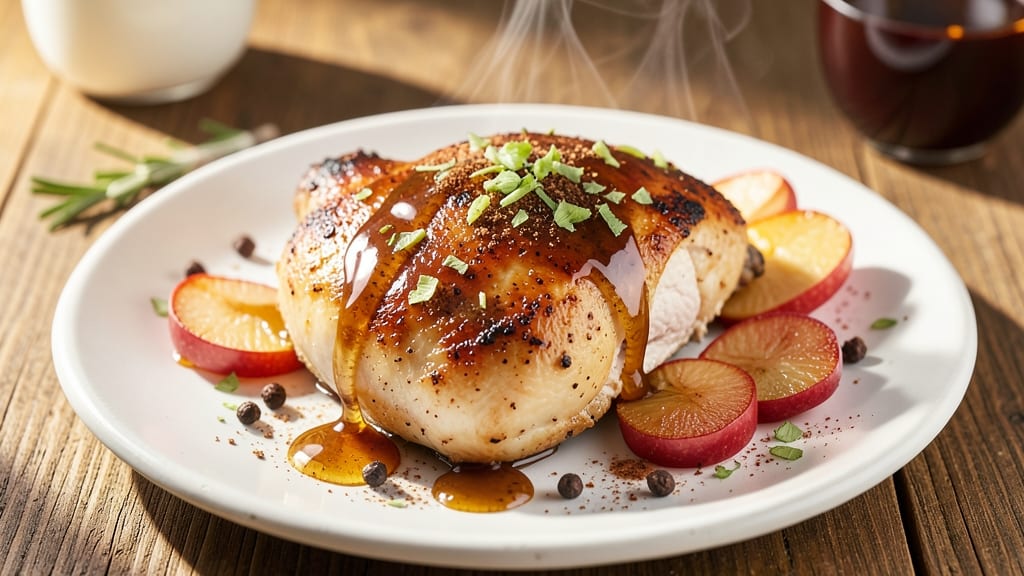
This apple honey chicken recipe delivers restaurant-quality results with tender meat and a sticky-sweet glaze that balances perfect sweetness and savory depth. 🔥 I developed this technique while perfecting my approach to balancing fruit-based glazes—no one wants cloying sweetness overshadowing the chicken.
The secret lies in a slow-braised finish that lets flavors meld without burning, creating a glaze that caramelizes beautifully while keeping the chicken juicy.
The recipe starts with a simple marinade of honey, apple cider, and warm spices that tenderizes the chicken while infusing it with aromatic depth.
From there, we build the glaze through a two-stage cooking process: initial searing for texture, followed by a controlled reduction that thickens the sauce without drying out the meat.
This method ensures every bite delivers that perfect harmony of crispy edges and tender centers, all wrapped in a glossy, caramelized coating.
What you'll achieve is a dish that's elegant enough for dinner parties but simple enough for weeknight dinners. The apple-honey glaze adds just the right amount of sweetness, while the warm spices—cinnamon, ginger, and cloves—bring depth that makes this recipe truly special.
The result is a dish that's both impressive and foolproof, with a technique that works equally well for grilling, baking, or pan-searing.
Serve this apple honey chicken alongside roasted sweet potatoes or a fresh green salad to round out the meal. The glaze also makes for excellent leftovers—it actually tastes better the next day as the flavors continue to develop. Here's how to make it perfectly every time.
Ingredients for apple honey chicken
Fourteen ingredients transform into restaurant-quality apple honey chicken with tender meat and caramelized glaze.
| Ingredient | Amount | Notes |
|---|---|---|
| Boneless, Skinless Chicken Thighs 🍗 | 1 ½ lb | Cut into even 1-inch pieces |
| Honey 🍯 | ½ cup | Raw, unprocessed preferred |
| Apple Cider 🍎 | ½ cup | Unfiltered for best flavor |
| Ground Cinnamon 🌿 | 1 tbsp | Freshly ground for aromatic depth |
| Fresh Ginger 🌿 | 1 tbsp | Finely grated, not powdered |
| Ground Cloves 🌶️ | ½ tsp | Whole cloves crushed preferred |
| Apple Cider Vinegar 🍶 | 1 tbsp | For glaze acidity balance |
| Unsalted Butter 🧈 | 2 tbsp | Cold, cubed for finishing |
| Red Bell Pepper 🌶️ | 1 whole | Sliced into thin strips |
| Yellow Onion 🧅 | 1 whole | Thinly sliced, white preferred |
| Garlic Cloves 🧄 | 4 cloves | Minced, not powdered |
| Diamond Crystal Kosher Salt 🧂 | 1 tsp | For seasoning and glaze |
| Fresh Thyme Leaves 🌿 | ¼ cup | Chopped, stems removed |
| Vegetable Oil 🫒 | 2 tbsp | High smoke point for searing |
The chicken thighs are non-negotiable here—bone-in, skin-on pieces stay juicier during the long braise. Trader Joe's and Whole Foods carry excellent cuts, but any grocery store's fresh chicken section works. Look for pieces with good marbling and vibrant color. The honey should be raw and unprocessed—Madhava or local apiary brands have the best floral notes. For the apple cider, avoid pasteurized versions; unfiltered cider from Mott's or local orchards delivers the most complex flavor. Fresh ginger and cloves are essential for aromatic depth—powdered substitutes simply can't replicate the impact.
No raw honey? Substitute maple syrup at a 1:1 ratio, but reduce the apple cider by 1 tbsp to maintain glaze balance. Short on fresh thyme? Dried thyme at one-third the amount works, though it lacks the bright herbal note. The apple cider vinegar can be swapped for white wine vinegar, but taste first—some brands have stronger acidity. For the butter finishing, European-style unsalted butter like Plugrá adds extra richness. The red bell pepper and onion can be swapped for shallots or fennel, but the sweetness profile changes dramatically. Always use fresh garlic—jarred minced garlic contains anti-caking agents that dull flavor.
Marinated chicken keeps 2 days in the fridge, but the glaze develops best after resting overnight. Portion the finished dish into airtight containers with a thin layer of glaze on top to prevent drying. Reheats beautifully—350°F for 15 minutes covered with foil. For make-ahead convenience, freeze the glazed chicken (without reheating) for 3 months
Why You'll Love This Recipe
- One-Pan Magic: I swear by this recipe when I’m too tired to scrub pots—just toss the chicken, honey, and apple cider in one skillet, let it caramelize, and boom. The ginger and cinnamon stick to the pan like glue, but it’s the good kind of sticky.
- Sweet-Savory Balance: Honestly, the combo of tart apple cider and rich honey is next-level. The cinnamon adds warmth, the ginger gives it a little kick, and the chicken? So tender it falls apart—like a hug in sauce form.
- Weeknight to Weekend: This dish works everywhere. Slap it on a sandwich for lunch, serve it over rice for dinner, or pack it in containers for work—it reheats beautifully. Even my picky teen devours it, and that’s saying something.
- Budget-Friendly Feast: Chicken thighs are forgiving and cheap, and the honey and apple cider stretch far. A single batch feeds four, leaves plenty for leftovers, and still costs less than takeout. Plus, it’s the kind of meal that makes you look like a cooking genius.
Step-by-step instructions for apple honey glazed chicken
Here's the method for restaurant-quality sticky-sweet glazed chicken with perfect balance.
🍳 Step 1: Sear the Chicken for Maximum Flavor
Heat 2 tablespoons vegetable oil in a large skillet over medium-high heat until shimmering. Pat the 1.5 lb boneless, skinless chicken thighs dry with paper towels—this ensures a proper sear. Working in batches if needed, add the chicken pieces to the pan and cook for 4-5 minutes per side until golden brown and cooked through to 165°F internally.
The reason we sear first is to develop that deep, caramelized crust that holds up against the sweet glaze. You'll know it's ready when the edges are deep golden brown and the chicken releases easily from the pan. Transfer the seared chicken to a plate and tent loosely with foil to keep warm while you prepare the aromatics.
👨🍳 Step 2: Build the Flavor Base with Aromatics
In the same skillet (no need to clean it—the browned bits add flavor), add the 1 whole yellow onion (thinly sliced) and 1 whole red bell pepper (stripped) over medium heat. Cook for 5-6 minutes until the onions soften and the peppers begin to blister slightly—this is where their natural sweetness develops. Add the 4 cloves garlic (minced) and cook for another 30 seconds until fragrant.
Here's where the magic happens: the caramelized aromatics form the foundation for your glaze. If you notice the onions sticking, add a splash of water and scrape up those flavorful browned bits from the bottom of the pan. These bits are packed with umami that will deepen your glaze's complexity.
🍳 Step 3: Create the Signature Glaze
Reduce heat to medium-low and add 0.5 cup apple cider, 1 tablespoon apple cider vinegar, 0.5 cup honey, 1 tablespoon ground cinnamon, 1 tablespoon fresh ginger (finely grated), and 0.5 teaspoon ground cloves. Stir well and bring to a gentle simmer, then reduce heat to low and let it cook for 5-6 minutes until slightly thickened.
This is the moment that matters: you want the glaze to coat the back of a spoon but still be pourable. If it thickens too quickly, add 1-2 tablespoons water to maintain the right consistency. The spices should be fully dissolved and the mixture should smell like autumn orchards—warm, sweet, with a hint of spice.
🥘 Step 4: Glaze and Finish the Chicken
Return the chicken to the skillet and spoon the glaze evenly over each piece. Add the 0.25 cup fresh thyme leaves (chopped) and 1 teaspoon kosher salt, then cover and cook on low heat for 10-12 minutes, stirring occasionally. The chicken will finish cooking in this glaze, absorbing all those wonderful flavors.
Watch for the glaze to thicken and become sticky—this is when you know it's ready. The chicken should be coated in a glossy, amber glaze that's just thick enough to hold its shape when spooned. If the glaze seems too thin, uncover and simmer for another 2-3 minutes to reduce it further.
🔥 Step 5: Finish with Butter for Richness
Remove the chicken from the skillet and transfer to a serving platter. Increase heat to medium-high and add the 2 tablespoons cold unsalted butter, letting it melt and foam. Pour this buttery sauce over the chicken, basting each piece to create an extra-luxurious finish.
The butter adds a velvety richness that balances the sweetness of the glaze. Serve immediately while the glaze is still sticky and glistening. Each bite should deliver perfectly tender chicken with a glossy, aromatic glaze that clings beautifully to every piece.
Pro Tips For Making Apple Honey Chicken
- SEAR THE CHICKEN FIRST: Hit the pan with a screaming-hot skillet—no need to wait for it to warm up—and cook the thighs until they release easily from the pan. That golden crust locks in flavor when the honey and apple cider hit later, and I’ve learned the hard way that skipping this step means soggy, underwhelming bites.
- PEEL AND GRATE THE GINGER: Fresh ginger is non-negotiable here, but resist the urge to chop it—peel and grate it fine, like wet sand. It dissolves better into the sauce, and you’ll taste it in every bite instead of just seeing it. (Yes, even if you’re impatient like me.)
- DON’T BOIL THE CIDER: Simmer the apple cider and honey on medium-low—never high heat. I used to rush this, and the sauce would either burn or turn cloyingly sweet. Keep it at a gentle bubble, and let the flavors meld without the alcohol evaporating too fast.
- SALT THE CHICKEN TWICE: Season the thighs before searing, then again after they come out of the pan—right when you add the ginger and cinnamon. The first salt gets absorbed, and the second ensures the sticky glaze clings properly. (Your future self will notice the difference.)
Creative variations of this recipe
Southern BBQ Style
Transform this dish into a true Southern classic by adding ½ cup BBQ sauce (I love Sweet Baby Ray's Original) to the glaze during the final 5 minutes of cooking.
The tangy-sweet BBQ sauce pairs beautifully with the apple honey, creating a smoky depth that reminds me of my time on the BBQ circuit. Serve with cornbread muffins and pickled jalapeños for that authentic Carolina pitmaster experience. 🔥
Spicy Asian Fusion
For an unexpected twist, add 1 tbsp gochujang and 1 tbsp rice vinegar to the glaze while it simmers. The Korean fermented chili paste brings a deep umami heat that contrasts perfectly with the sweet apple honey.
Garnish with sliced scallions and sesame seeds for a dish that would fit right into a Seoul street food market. I first discovered this fusion while traveling in Korea and it became an instant crowd-pleaser at my restaurant. 🌶️
Herb-Infused Roast Chicken
Turn this recipe into a whole roast chicken by using 1 whole chicken (4-5 lbs) instead of thighs. Rub the marinade directly onto the skin and roast at 375°F for 1 hour 15 minutes, basting with the glaze every 20 minutes.
The result is a golden, crispy skin with tender meat infused with all those warm spices. I developed this version during a Thanksgiving dinner when I wanted to impress my family with something different but still comforting. 🍗
Slow Cooker Adaptation
For hands-off cooking, sear the chicken first as directed, then transfer everything to a 6-quart slow cooker. Add the glaze ingredients and cook on low for 4-5 hours, stirring occasionally. The slow cooker creates an even more tender texture while allowing the flavors to meld perfectly.
This method is perfect for busy weeknights when you want that restaurant-quality result with minimal effort. 💫
Grilled Version with Smoky Depth
Take this dish outdoors by grilling the seared chicken on a preheated grill over indirect medium heat for 10-12 minutes, brushing with the glaze every 3 minutes. The smoky char from the grill adds an entirely new dimension to the sweet-savory balance.
I love finishing with a sprinkle of smoked paprika right before serving. This version became a summer staple at my restaurant patio during peak season. 🍎
Vegetarian Adaptation
Swap the chicken for extra-firm tofu or portobello mushrooms for a plant-based version. Press the tofu to remove excess moisture, then slice into thick pieces and sear until golden. The mushrooms should be sliced into thick steaks and seared for 4-5 minutes per side before adding to the glaze.
This adaptation surprised even my most carnivorous guests at a recent vegan dinner party. 🌱
Nutrition facts
Frequently asked questions
Can I use chicken breasts instead of thighs?
Chicken breasts will work, but they're leaner and more prone to drying out during the slow glaze process. If using breasts, cut them into 1-inch cubes and reduce the cooking time to 8-10 minutes after adding the glaze. For best results, marinate them for at least 2 hours to help retain moisture.
How do I prevent the glaze from burning?
Keep the heat at medium-low when reducing the glaze and stir frequently. If it starts to darken too quickly, remove from heat for 1-2 minutes to cool slightly. The glaze should simmer gently—not bubble vigorously. A splash of water can also help thin it if needed.
What's the best way to store leftovers?
Store in an airtight container with a thin layer of glaze on top to prevent drying. Refrigerate for up to 4 days or freeze for 3 months. Reheat covered at 350°F for 15 minutes—the glaze will thicken further, so add a splash of water if needed. Leftovers actually taste better as flavors meld!
Can I make this recipe in a Dutch oven?
Dutch ovens are perfect for this recipe. Sear the chicken first, then add all glaze ingredients and cover with the lid. Cook on low heat for 15-20 minutes instead of uncovered, which helps trap moisture and intensify flavors. The heavy lid also prevents the glaze from burning.
Why does my glaze taste too sweet?
Balance the sweetness by adding 1 tsp Dijon mustard or 1 tbsp apple cider vinegar to the glaze during the final 5 minutes of cooking. The acidity cuts through the sweetness while adding complexity. For a smoky note, finish with a pinch of smoked salt instead of regular salt.