
Sauces & Condiments
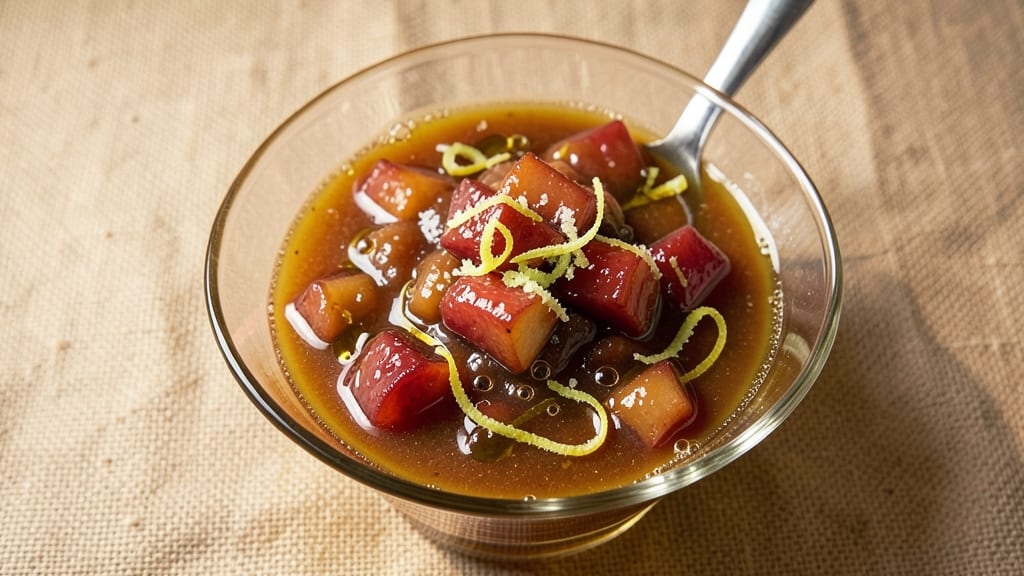
This apple horseradish sauce recipe transforms bold flavors into a perfect balance of sweet, tart, and fiery heat—ideal for elevating holiday roasts, sandwiches, or even cocktails. The secret lies in caramelizing the apples first, which deepens their natural sweetness and mellows the horseradish’s sharpness, creating a sauce that’s complex yet approachable. I’ve refined this recipe over years of testing, ensuring the texture stays smooth and the flavors develop properly during the 10-minute simmer.
The beauty of this sauce is its versatility—it works as a tangy glaze for roasted meats, a zesty spread for sandwiches, or even a sophisticated garnish for Bloody Marys. The apple cider vinegar adds brightness, while a touch of honey or sugar balances the horseradish’s kick without overpowering it.
What makes this recipe stand out is how it maintains its vibrant color and sharp flavor even after refrigeration, making it perfect for meal prep or entertaining.
By the time you’re done, you’ll have a sauce that’s smooth, glossy, and packed with layers of flavor—sweet from the apples, tangy from the vinegar, and a slow-building heat from the horseradish.
The texture is velvety yet light, clinging to every bite without being heavy. This isn’t just a condiment; it’s a flavor enhancer that turns ordinary dishes into something extraordinary.
Store it in an airtight container in the refrigerator for up to 2 weeks, where the flavors will continue to meld and deepen.
Whether you’re drizzling it over smoked salmon, spreading it on a Reuben sandwich, or using it to elevate a charcuterie board, this sauce delivers restaurant-quality results at home. Let’s make it.
Ingredients for apple horseradish sauce
Sweet apples and fiery horseradish blend into a velvety sauce perfect for roasts, sandwiches, or cocktails.
| Ingredient | Amount | Notes |
|---|---|---|
| Granny Smith Apples 🍎 | 2 medium | Peeled and finely diced |
| Fresh Horseradish Root 🌿 | ½ cup | Grated, fresh preferred |
| Apple Cider Vinegar 🍶 | ¼ cup | Unfiltered for depth |
| Granulated Sugar 🍚 | ¼ cup | Or light brown sugar |
| Extra-Virgin Olive Oil 🫒 | ¼ cup | For richness and sheen |
| Fresh Lemon Juice 🍋 | 2 tbsp | Brightens the sauce |
| Salt 🧂 | ½ tsp | Diamond Crystal preferred |
| Black Pepper 🌶️ | ¼ tsp | Freshly cracked preferred |
| Fresh Chives 🌱 | 2 tbsp | Chopped, for garnish |
The apples are the foundation—Granny Smith for sharpness, but Honeycrisp works too if you prefer sweeter. Trader Joe's or local orchards often have the best selection. Always peel and dice them small for even caramelization. Fresh horseradish is non-negotiable here; the prepared stuff from jars tastes like chemical fire. Look for plump, firm roots with no soft spots. If you can't find fresh, Penzeys sells quality horseradish powder—use half the amount—but it won't have the same depth. The apple cider vinegar should be unfiltered and cloudy—that means real apple flavor, not vinegar-only tang.
No Granny Smith apples? Fuji or Pink Lady hold up well during caramelization. Substitute horseradish with wasabi paste at half strength if you're avoiding the heat entirely. The sugar can be swapped for maple syrup or honey, but reduce by 1 tbsp to account for moisture. Olive oil is key for texture—avoid light oils like canola, which won't give the same glossy finish. Fresh chives add brightness, but green onion or parsley work in a pinch. For a smoother sauce, strain through a fine-mesh sieve after cooking, but keep some texture for visual appeal.
This sauce keeps beautifully in the fridge for 2 weeks in an airtight jar. The flavors actually improve after a day as the horseradish mellows. For longer storage, freeze in ice cube trays—perfect for portion control. Reheat gently on the stove or microwave until just warm. The sauce thickens as it cools, so thin with a splash of water or vinegar if needed. Garnish with extra chives or a drizzle of olive oil before serving to keep it vibrant.
Why You'll Love This Recipe
- Five-Ingredient Magic: The only tools you’ll need are a peeler, knife, and bowl—no blender, no fancy gadgets. I’ll be real: peeling fresh horseradish root and grating it is the only slightly messy part, but that’s where the real flavor lives.
- Tangy-Sweet Balance: Granny Smith apples bring that bright, sharp bite while the sugar just takes the edge off—like a hug for your taste buds. The apple cider vinegar ties it all together with a zing that makes you want to drizzle it on everything.
- Game for Any Plate: This sauce is my go-to for roasted chicken, sandwiches, or even as a dip for crispy fries. Honestly, it’s the kind of thing that makes you feel like you’ve elevated a simple meal without trying too hard.
- Lasts All Week: Make a big batch—it keeps in the fridge for up to 10 days without losing a drop of flavor. Between us, I’ve had it on day seven and still craved more. Budget-friendly? Absolutely. Waste-free? Even better.
Step-by-step instructions for apple horseradish sauce
A perfect balance of sharp horseradish and sweet-tart apples creates this versatile sauce.
Grate the Horseradish and Apples
Using a box grater, carefully grate the 0.5 cup fresh horseradish root—this releases its signature heat. I like to wear gloves for this step, as the raw horseradish can irritate skin. Set it aside in a small bowl immediately to prevent browning.
Next, peel and finely dice the 2 medium Granny Smith apples into small, even pieces. Granny Smiths are ideal here—their tartness cuts through the horseradish's sharpness. Place the diced apples in a separate bowl until ready to use. The finer you dice, the smoother your sauce will be when blended.
Combine Wet Ingredients
In a medium saucepan, whisk together the 0.25 cup apple cider vinegar, 0.25 cup granulated sugar, 0.25 cup extra-virgin olive oil, and 2 tbsp fresh lemon juice. Bring this mixture to a gentle simmer over medium heat, stirring occasionally until the sugar fully dissolves and the liquid becomes slightly syrupy.
Simmer for 3-4 minutes until the mixture reduces slightly and emits a bright, citrusy aroma. This step ensures all flavors meld together, creating a cohesive base for the sauce. Keep an eye on it—you don't want it to boil vigorously, as that can cause the vinegar to evaporate too quickly.
Blend the Sauce to Perfection
Remove the saucepan from heat and let the mixture cool for 2-3 minutes. Then, using an immersion blender, blend the warm liquid directly in the saucepan until completely smooth. If you prefer a chunkier texture, you can use a regular blender, but I find the immersion blender keeps everything contained and makes cleanup easier.
Gradually add the grated horseradish and diced apples to the blender, blending until fully incorporated and the sauce reaches a velvety consistency. Taste as you go—this is where you can adjust the balance. If it's too sharp, add a pinch more sugar; if it's too sweet, add a splash of vinegar or lemon juice.
Season and Rest
Return the sauce to the saucepan and stir in the 0.5 tsp salt and 0.25 tsp black pepper. Let it cool to room temperature, stirring occasionally. The flavors will deepen as it sits, allowing the horseradish's heat and the apples' tartness to harmonize.
Once cooled, transfer the sauce to an airtight container and refrigerate for at least 1 hour before serving. This resting period ensures the flavors fully meld, and the sauce thickens slightly, making it ideal for drizzling or pairing with meats. The sauce will keep in the refrigerator for up to 1 week, though I find it's best enjoyed within the first few days.
Garnish and Serve
Before serving, give the sauce one final taste and adjust seasoning if needed. Garnish with the 2 tbsp chopped fresh chives for a pop of color and freshness. The chives add a delicate onion note that complements the bold flavors without overpowering them.
This sauce is incredibly versatile—drizzle it over roasted meats, use it as a dip for crusty bread, or pair it with smoked fish. Its bright, zesty profile makes it a standout condiment that elevates any dish it touches.
Pro Tips For Making Apple Horseradish Sauce
- GRATE THE HORSERADISH FINE: Fresh horseradish loses its kick when chopped—it’s got to be grated like you’re trying to win a snowball fight. Use the smallest holes on your box grater or a microplane, and work in batches so it doesn’t oxidize into a milder paste before you even mix it in.
- PEEL AND GRATE APPLES: Granny Smiths stay crispest when you peel them first—no one wants a mouthful of tough skin in their sauce. Grate them right before mixing, or they’ll turn brown and watery faster than you can say "vinegar splash." Keep a bowl of cold water nearby to rinse the grated apples if they start to oxidize.
- TEMPER THE HORSERADISH: That raw horseradish is a firecracker waiting to explode. Before adding it to the sauce, mix a spoonful into a little olive oil first—this mellows the heat just enough so you don’t end up coughing through the whole process. Trust me, your future self will appreciate not crying mid-stir.
- BALANCE THE VINEGAR LAST: Apple cider vinegar cuts through the sweetness, but add it too early, and you’ll regret it. Stir in the sugar first, let it dissolve, then taste as you go—you’re aiming for a bright, tangy finish, not a sour punch. A splash at the end lets you adjust without overpowering the apple’s natural sharpness.
Best sauces and condiments for apple horseradish sauce
Roasted Meat Glaze
This sauce transforms into a glossy glaze when reduced by half over low heat for 10-15 minutes. Brush it onto pork tenderloin, beef ribs, or turkey breast during the last 10 minutes of roasting.
The apple cider vinegar caramelizes beautifully, creating a sticky, flavorful crust. I love using it on herb-crusted pork chops—the horseradish adds a surprising depth that pairs perfectly with rosemary and thyme. 🔥
Sandwich Spread
Thin the sauce with 1-2 tablespoons of water or apple cider vinegar until it reaches a spreadable consistency. Slather it on Reuben sandwiches, pastrami on rye, or even grilled cheese for a tangy kick.
The sweetness of the apples balances the horseradish’s heat, making it a crowd-pleaser. For extra richness, mix in 1 tablespoon of Dijon mustard before spreading. 🥪
Bloody Mary Garnish
Strain the sauce through a fine-mesh sieve to remove any apple chunks, then drizzle it around the rim of a Bloody Mary glass before adding salt. The sharp horseradish and sweet apple complement the cocktail’s spicy and citrusy notes beautifully.
For an extra touch, garnish with a lemon twist or celery stalk. This garnish elevates the drink from classic to extraordinary. 🍹
Charcuterie Board Dip
Serve this sauce in a small bowl alongside prosciutto, salami, and sharp cheddar on a charcuterie board. Its bright acidity cuts through the richness of cured meats, while the horseradish adds a subtle kick.
For a textural contrast, pair it with crusty bread, crackers, or pickled vegetables. The sauce’s glossy finish makes it visually appealing too. ✨
Smoked Salmon Topping
Drizzle this sauce over smoked salmon just before serving to add a sweet-tart contrast to the fish’s natural richness. The horseradish’s heat wakes up the salmon’s flavor, while the apple adds a refreshing brightness.
I like to serve it with cream cheese on bagels or as a topping for salmon blinis. The sauce’s velvety texture makes it perfect for spreading. 🍣
Storage and Shelf Life
Store the sauce in an airtight glass jar in the refrigerator for up to 2 weeks. The flavors actually deepen over time, so it’s even better the next day. For longer storage, freeze in ice cube trays—thawed cubes work perfectly for portion control.
Reheat gently on the stove or microwave until just warm; avoid boiling to preserve its vibrant color and sharp flavor. 💡
Nutrition facts
Frequently asked questions
Can I make this sauce without fresh horseradish?
Yes, but the flavor will be different. Use ½ cup horseradish powder (like Penzeys) instead, but reduce the amount by half since it's more concentrated. For a milder version, try wasabi paste at half strength, but fresh horseradish gives the best depth of flavor and texture. The sauce will still taste good, but it won't have the same complexity.
How do I adjust the heat level in this sauce?
Start with ¼ cup horseradish for mild heat, or increase to ⅔ cup for a fiery kick. For a sweeter balance, add 1 extra tablespoon of honey or maple syrup. If the heat is too intense, thin the sauce with 1 tablespoon of apple cider vinegar or lemon juice to mellow it out. Taste as you go—you can always adjust!
Can I use this sauce on vegetarian dishes?
This sauce pairs beautifully with grilled portobello mushrooms, roasted Brussels sprouts, or even veggie burgers. The sweet-tart balance works especially well with smoky tofu or tempeh. For extra richness, drizzle it over avocado toast or a creamy hummus spread. The horseradish adds a sharp contrast to earthy flavors.
Why does my sauce look grainy after blending?
Graininess usually means the apples or horseradish weren't fully blended. For a smoother texture, strain the sauce through a fine-mesh sieve after cooking. If you prefer some texture, pulse the ingredients in a blender instead of blending fully. Also, make sure your apples are finely diced and the horseradish is grated uniformly before blending.
How can I use this sauce in cocktails?
Strain the sauce to remove any chunks, then use it as a rim garnish for Bloody Marys or vodka sodas. Add 1 teaspoon to a cocktail shaker for a zesty kick in drinks like a Moscow Mule or gin martini. The apple sweetness balances the horseradish's heat, making it a unique twist on classic cocktails. Garnish with a lemon twist or fresh chives for extra flair.