
Sauces & Condiments
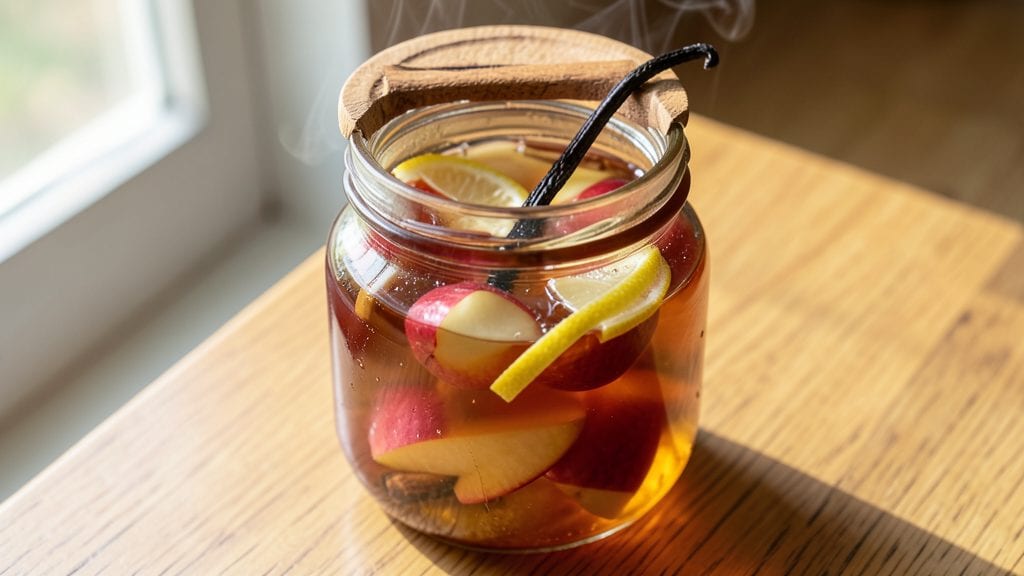
Making apple jelly without pectin transforms simple fruit into a rich, spreadable condiment that rivals store-bought versions. The secret lies in balancing natural fruit acids and sugars, creating a gel-like consistency without any additives.
I’ve perfected this method over years of testing, ensuring every batch delivers that perfect balance of sweetness and tang.
This recipe relies on the natural pectin found in apples, enhanced by lemon juice and sugar to stabilize the texture. No special equipment is needed—just a pot, a fine-mesh strainer, and patience.
The result is a glossy, vibrant jelly that’s ideal for toast, meats, or cheese boards. It’s also a great way to use up ripe or slightly underripe apples.
What sets this jelly apart is its versatility—use it as a glaze for roasted pork, a sweetener for yogurt, or a gourmet spread for crackers. The process is straightforward, but the reward is a homemade product that tastes fresher and more vibrant than anything you’ll find in jars.
Let’s get started on creating your own batch.
The best part? This jelly keeps well in the refrigerator for up to two weeks or can be canned for long-term storage. Whether you’re prepping for holidays or just want to add a touch of homemade charm to your pantry, this recipe delivers professional-quality results with simple ingredients and techniques.
Ingredients for apple jelly without pectin
Seven simple ingredients transform tart apples into velvety jelly without any gelling agents.
| Ingredient | Amount | Notes |
|---|---|---|
| Apples 🍎 | 4 cups | Peeled, cored, chopped (use tart varieties like Granny Smith) |
| Granulated Sugar 🍚 | 3 cups | White or light brown preferred |
| Lemon Juice 🍋 | ½ cup | Freshly squeezed, not bottled |
| Water 💧 | 1 cup | Filtered or spring water preferred |
| Cinnamon Sticks 🌿 | 2 whole | Optional, for subtle spice |
| Vanilla Extract 🍯 | 1 tsp | Pure vanilla for depth of flavor |
| Salt 🧂 | ¼ tsp | Fine sea salt for balance |
The apples are everything here—Granny Smith or Honeycrisp work best for that perfect tartness. Local farmers markets often have the freshest varieties, but the grocery store will do in a pinch. Look for firm apples with no bruising; they’ll yield the most juice and pectin. If you’ve got a mix of sweet and tart apples, that’s actually better—they’ll balance each other out. Costco or Trader Joe’s usually have pre-washed bags of apples that save time, but wash them yourself if you’re buying loose. And don’t toss those slightly soft apples—they’ll work just fine for jelly.
No Granny Smith? McIntosh or Braeburn are solid backups. Running short on sugar? Honey or maple syrup works in a pinch (use 2.5 cups), but it’ll change the texture slightly. Fresh lemon juice is non-negotiable here—bottled won’t give you the same bright acidity. Want to skip the cinnamon? A pinch of ground cinnamon or a strip of orange peel adds nice depth. The vanilla extract can be swapped for vanilla bean paste if you’re feeling fancy. And if you’re worried about the jelly not setting? Add an extra 0.25 cup of lemon juice—the extra acid helps the pectin work its magic.
This jelly keeps beautifully in the fridge for 2 weeks in a sealed jar, but it’s even better after a day or two as the flavors meld. For long-term storage, canning is ideal—it’ll last up to 1 year if processed correctly. I like to portion it into small jars so I can grab just what I need for toast or pork glazes. If you’ve got extra, freeze it in ice cube trays for single-use portions. The jelly thickens as it cools, so don’t worry if it looks runny right after making it.
Why You'll Love This Recipe
- No Pectin Needed: I swear by this trick—just apples, sugar, and a splash of lemon juice. The acidity from the lemon helps the jelly set naturally, so no fancy additives required.
- Cinnamon Kiss: That warm cinnamon stick simmering in the mix? It infuses the jelly with a subtle, cozy depth that turns plain toast into something special. Honestly, it’s the little details like this that make homemade jelly worth it.
- Jars of Versatility: This jelly isn’t just for toast. Slather it on pancakes, mix it into yogurt, or drizzle it over cheese plates—it’s the kind of thing that disappears fast, no matter how you use it.
- Budget-Friendly Staples: Apples, sugar, and cinnamon? You’re probably already stocked. No specialty ingredients, no wasted money on pectin packets, and jars that last for months. Between us, this is the kind of recipe that makes grocery shopping feel like a win.
Step-by-step instructions for apple jelly without pectin
Here's the simple method that turns fresh apples into glossy, naturally thickened jelly without any gelling agents.
Prepare and Cook the Apple Mixture
In a large, heavy-bottomed pot, combine the 4 cups of peeled, cored, and chopped apples with the 1 cup of water. Add the 2 whole cinnamon sticks and the 0.25 teaspoon of salt. Bring the mixture to a boil over medium-high heat, then reduce to a simmer. Let it cook uncovered for about 20 minutes, stirring occasionally, until the apples break down completely and the mixture becomes a thick, chunky purée.
Here's the thing—you want the apples to really soften and release their natural pectin. If you see any large pieces still intact after 20 minutes, give it another 5 minutes of simmering. The texture should be smooth enough that you can't pick out individual apple pieces with a spoon. This is where all that natural jelly magic starts happening.
Strain and Sweeten the Apple Juice
Line a fine-mesh strainer with cheesecloth or a clean kitchen towel and place it over a large bowl. Carefully pour the cooked apple mixture through the strainer, pressing gently on the solids with a wooden spoon to extract all the juice. You should end up with about 3 cups of clear, golden apple juice—this is your base. Discard the solids or save them for another use like applesauce.
Return the strained apple juice to the same pot and add the 3 cups of granulated sugar. Stir over medium heat until the sugar dissolves completely. This usually takes about 5 minutes, and you'll see the mixture become translucent. Here's what I do next: add the 0.5 cup of freshly squeezed lemon juice and give it a quick stir. The lemon juice helps balance the sweetness and adds a bright note that makes this jelly shine.
Simmer to Thicken Naturally
Bring the mixture to a gentle boil, then reduce the heat to medium-low. Let it simmer uncovered for about 45-60 minutes, stirring occasionally. You're looking for the jelly to thicken gradually—it should start to coat the back of a spoon when you lift it out. The key here is patience; don't rush the process or you'll end up with a thin syrup instead of proper jelly.
As it thickens, you'll notice the mixture will start to bubble more vigorously. This is normal and actually helps drive off some of the water content. The cinnamon sticks will infuse subtle warmth into the jelly, but don't let them boil hard or they'll make the jelly bitter. After about 45 minutes, test for doneness by placing a small amount on a chilled plate. If it wrinkles slightly when you push it with your finger, it's ready.
Finish and Bottle the Jelly
Once the jelly reaches the right consistency, remove the cinnamon sticks and stir in the 1 teaspoon of vanilla extract. Let the jelly cool slightly for 5 minutes, then carefully ladle it into clean, sterilized jars. The jelly will continue to thicken as it cools, so don't fill the jars completely—leave about ½ inch of headspace at the top.
Seal the jars and let them cool completely at room temperature. Once cooled, they'll keep in the refrigerator for up to 2 weeks. This jelly has a beautiful amber color with a perfect balance of sweetness and tartness from the apples and lemon. The vanilla adds a sophisticated depth that makes it perfect for toast, yogurt, or even as a glaze for meats.
Pro Tips For Making Apple Jelly Without Pectin
- Simmer Slow and Steady: Start with a rolling boil for 5 minutes to extract juice fast, then drop to a gentle simmer—no bubbles breaking the surface. I learned the hard way that aggressive boiling turns your jelly into syrup; patience here means thicker, brighter jelly.
- Peel and Core Like a Pro: Use a sharp paring knife to quarter apples skin-on first, then peel just the curved side—this keeps the juice cloudy and flavorful. (Yes, it takes longer, but store-bought pre-peeled apples taste like sad, mushy jelly.)
- Strain Twice, Strain Right: After cooking, strain through a fine-mesh sieve once, then press the pulp with a wooden spoon. For the final strain, use a clean kitchen towel or cheesecloth—this catches the last bit of grit and makes the jelly glass-clear.
- Sugar in Stages: Add half the sugar upfront, let it dissolve, then add the rest after the apples soften. This prevents a sugar shock that can make the jelly grainy; stir constantly until fully incorporated, even if it looks like you’re overworking it.
Regional styles of apple jelly without pectin
New England Apple Jelly
In New England, apple jelly often incorporates spiced cider for depth. Replace the water with 1 cup apple cider and add 1 cinnamon stick + 2 star anise during cooking. The result is a deeper, molasses-like flavor that pairs perfectly with turkey sandwiches or aged cheddar.
I like to finish with a pinch of ground cloves for warmth—just ¼ teaspoon—and serve it on sourdough toast with crumbled feta. The acidity from the cider helps the natural pectin set even faster. 🍏
Southern Citrus Twist
Southern cooks often brighten apple jelly with orange zest and peach juice for a summery twist. Add 1 tbsp orange zest during the simmer and replace ½ cup lemon juice with ½ cup peach nectar (or fresh peach juice).
This variation works beautifully with fried chicken or peach cobbler. I’ve also seen it paired with bacon-wrapped shrimp—the sweet-tart balance is unbeatable. For extra Southern flair, add ½ tsp smoked paprika at the end. 🍊
Midwest German Influence
The German-American communities in the Midwest love their apple jelly with a ginger-spiced kick. Add 1 tbsp grated fresh ginger (or 1 tsp ground ginger) along with the cinnamon sticks. This version is perfect for pretzels, bratwurst, or apple strudel.
I’ve made it with tart Boskoop apples (a Dutch variety popular in Midwest orchards) and honey instead of sugar—it’s a game-changer. The ginger adds a subtle heat that balances the sweetness beautifully. Serve it with sharp cheddar for a classic German-inspired snack. 🌶️
Pacific Northwest Tart Version
Up north, where apples are famously crisp and tart, the jelly leans into bold flavors. Use Granny Smith apples exclusively and add 1 tbsp blackberry jam during the final simmer for depth. The Pacific Northwest version often includes a splash of blackberry brandy (just 1 tsp) for sophistication.
This jelly is incredible on sourdough biscuits or as a glaze for roasted pork shoulder. The brandy adds a subtle complexity that elevates it to restaurant-quality. 🍇
Appalachian Herb-Infused Jelly
Appalachian cooks love to infuse their apple jelly with fresh herbs like rosemary or thyme. Add 2 sprigs fresh rosemary (or 1 tsp dried) along with the cinnamon sticks. This earthy twist pairs wonderfully with smoked meats or goat cheese.
I’ve also seen it used as a dipping sauce for fresh bread with whipped honey butter. The herbs give it a rustic, herbal note that’s perfect for hearty meals. For extra Appalachian flair, add a pinch of black pepper at the end. 🌿
Texas-Style Spiced Jelly
In Texas, apple jelly often gets a chili-lime kick. After simmering, stir in ½ tsp chili powder and 1 tsp lime zest for a bright, spicy-sweet balance. This version is a hit with breakfast tacos or queso fresco.
I’ve also used it as a glaze for grilled chicken—the heat from the chili cuts through the richness. For a sweeter touch, add 1 tbsp molasses during the final simmer. The lime zest keeps it fresh and vibrant, even after storage. 🌶️🍋
Nutrition facts
Frequently asked questions
Why does my homemade apple jelly turn out too runny?
Too runny jelly usually means one of two things: either the apples weren't cooked long enough to release their natural pectin, or the sugar-to-fruit ratio was off. For this recipe, simmer the strained juice for a full 45-60 minutes and ensure you're using 3 cups sugar for every 4 cups apples. If it's still too thin, try adding 1 extra tablespoon of lemon juice and simmering another 10 minutes—the acid helps the pectin work.
Can I use any type of apple for this jelly?
Not all apples work equally well—you need tart varieties to get that perfect set. Granny Smith, Honeycrisp, or McIntosh are your best bets. Sweet apples like Fuji or Gala will make jelly that's too soft. If you only have sweet apples, add 1 extra tablespoon of lemon juice to compensate. The acidity helps balance the flavor and aids in the gelling process.
How do I know when the jelly is done?
The classic test is the plate test: spoon a small amount onto a chilled plate and refrigerate for 2 minutes. If it wrinkles slightly when you push it with your finger, it's ready. Another trick is the spoon test—when the jelly coats the back of a spoon and leaves a clear trail when you run your finger through it, it's perfect. Overcooking can make it too thick, so watch closely during the final 15 minutes of simmering.
Can I make this jelly without cinnamon?
The cinnamon is optional and just adds subtle warmth. If you skip it, consider adding ½ teaspoon of vanilla bean paste or 1 strip of orange peel for extra depth. For a spiced variation, try ½ teaspoon of ground cardamom or ¼ teaspoon of cloves. The key is balancing flavors—if you remove the cinnamon, the vanilla or citrus will help maintain that bright, complex profile.
How long does homemade apple jelly last?
In the fridge, this jelly keeps for up to 2 weeks in a sealed jar. For longer storage, canning extends shelf life to 1 year when processed correctly. If you don't plan to can it, freeze portions in ice cube trays for single-use servings. The jelly actually improves in flavor after 24-48 hours as the sugars and acids marry together—don't rush to eat it right away!