
Main Courses
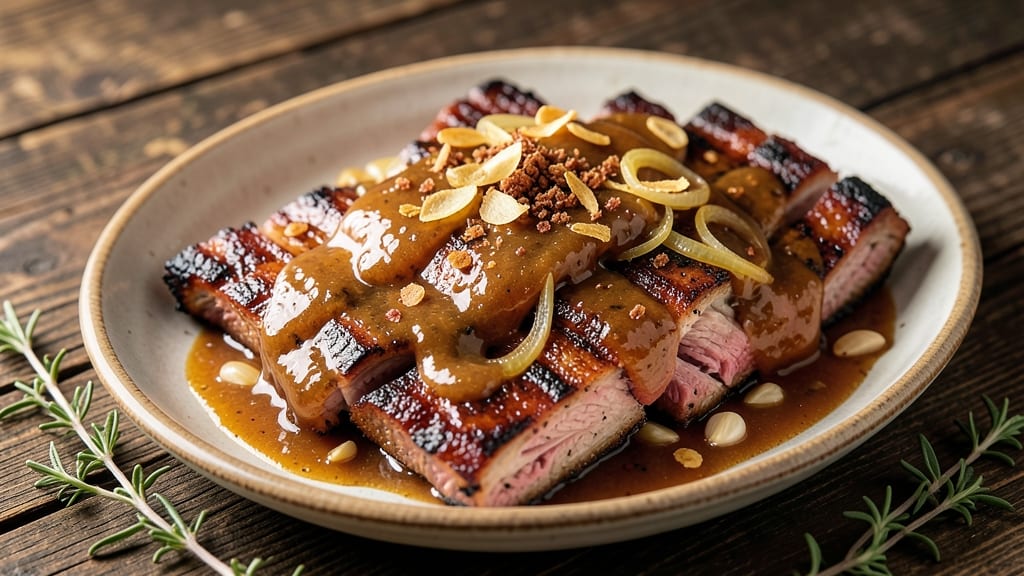
This apple juice ribs recipe transforms tough cuts into melt-in-your-mouth tenderness with a sweet, caramelized glaze that balances smoky depth. The secret lies in slow-braising the ribs in apple juice—creating a natural tenderizer while infusing them with subtle fruit sweetness that pairs perfectly with traditional barbecue flavors.
What starts as a simple marinade becomes the star of the cooking process, breaking down collagen and delivering that signature fall-apart texture.
The process begins with a dry rub of spices and salt, then a quick sear to lock in juices before slow cooking in apple juice. This method ensures the ribs stay moist while developing rich, complex flavors—no need for messy sauces or complicated techniques.
The apple juice works its magic by gently cooking the ribs until they're fork-tender, with just enough liquid remaining to create a glossy, sticky glaze when finished.
By the time you're done, you'll have ribs that are perfectly tender with a caramelized exterior, where every bite delivers that perfect balance of smoky, sweet, and savory notes. The apple juice not only tenderizes but also adds a subtle fruitiness that elevates the dish beyond traditional barbecue.
This is the kind of recipe that turns a simple weeknight dinner into a showstopping centerpiece.
Whether you're grilling, smoking, or oven-braising, this method delivers restaurant-quality results with minimal effort. The ribs are versatile enough for casual gatherings or special occasions, and the technique works equally well for pork ribs or even beef short ribs.
Let's get started on creating ribs that will have everyone asking for seconds.
Ingredients for apple juice ribs
Four pounds of ribs, two cups of apple juice, and a dry rub that transforms tough meat into tender perfection.
| Ingredient | Amount | Notes |
|---|---|---|
| Pork Baby Back Ribs 🍖 | 4 lb | Bone-in, meaty cuts preferred |
| Unsalted Butter 🧈 | ½ cup | Cold, cubed for dry rub |
| Yellow Onion 🧅 | 1 whole | Coarsely chopped, for rub |
| Garlic Cloves 🧄 | 6 cloves | Minced for dry rub |
| Apple Juice 🍎 | 2 cups | Unsweetened, 100% apple juice |
| Brown Sugar 🍚 | ½ cup | Packed, light brown preferred |
| Smoked Paprika 🌶️ | 2 tbsp | For smoky depth |
| Ground Black Pepper 🌶️ | 1 tbsp | Freshly ground preferred |
| Kosher Salt 🧂 | 2 tbsp | Diamond Crystal preferred |
| Apple Cider Vinegar 🍶 | 2 tbsp | For balance |
| Fresh Thyme Leaves 🌿 | ¼ cup | Chopped, stems removed |
| Honey 🍯 | 1 tbsp | For glaze finish |
| Vegetable Oil 🫒 | 2 tbsp | For searing |
The ribs are the foundation—look for pork baby back ribs with good meat-to-bone ratio. Costco or local butchers often carry the best quality in bulk. A whole rib rack (about 4 lbs) ensures you have enough meat for four servings with leftovers. The apple juice should be 100% unsweetened—brands like Mott's or Tree Top work well, but avoid anything with added sugar. Fresh thyme is ideal, but dried thyme at one-third the amount works in a pinch. For the brown sugar, light brown gives better caramelization than dark. If you can't find Diamond Crystal kosher salt, Morton is a fine substitute, though you may need to adjust slightly for saltiness.
No apple juice? Unsweetened apple cider works in a bind, though it has a slightly different flavor profile. Running short on honey? Maple syrup adds depth without altering the recipe's balance. The apple cider vinegar can be swapped for red wine vinegar, but the acidity level will differ slightly. If you prefer a smokier rub, add an extra tablespoon of smoked paprika. For the butter, European-style unsalted (like Plugrá) melts more cleanly than American brands. The vegetable oil should have a high smoke point—avocado or grapeseed oil are excellent alternatives to standard vegetable oil. Preferring a sweeter finish? Add an extra tablespoon of honey at the end of cooking.
Store leftover ribs in an airtight container with a paper towel pressed against the glaze to absorb moisture—keeps them tender for up to 5 days. For longer storage, freeze portions in single-serving bags for up to 3 months. The apple juice can be prepped ahead and refrigerated for up to 1 week, though it's best used fresh. The dry rub ingredients stay potent for 6 months in a sealed container. If you're making this for a crowd, double the recipe—ribs reheat beautifully, and the flavors deepen overnight. For a quicker version, use a slow cooker on low for 6-8 hours instead of oven-braising.
Why You'll Love This Recipe
- Fewer Messy Ingredients: I swear by this—just ribs, butter, onion, garlic, and apple juice. No fancy marinades or last-minute shopping trips. Honestly, my pantry always has these basics, so I’m never stuck.
- Sweet-Savory Magic: That apple juice glaze? It’s the secret weapon. The caramelized onions and garlic melt into the ribs, then the juice adds this bright, almost dessert-like sweetness that cuts through the richness. (Yes, even on a Tuesday night.)
- Leftovers That Don’t Suck: Most ribs dry out or get soggy after reheating, but these? I’ll wrap them in foil with a splash of apple juice, throw them in the fridge, and they’re just as tender the next day. My lunchbox’s new best friend.
- Weeknight Crowd-Pleaser: This is the dish I pull out when my in-laws visit or I’m hosting a last-minute BBQ. The prep is simple, the flavor is foolproof, and everyone—even the picky eaters—asks for seconds. Not the prettiest, but the taste makes up for it.
Step-by-step instructions for apple juice ribs
Transform tough baby back ribs into fork-tender masterpieces using this slow-braised method.
Prepare the Dry Rub and Sear the Ribs
In a food processor, combine the 0.5 cup unsalted butter, 1 whole yellow onion, 6 cloves garlic cloves, 0.5 cup brown sugar, 2 tbsp smoked paprika, 1 tbsp ground black pepper, and 2 tbsp kosher salt. Pulse until the mixture forms a coarse, sticky paste with visible texture. This blend creates a perfect balance of sweetness, smokiness, and savory depth.
Pat the 4 lb pork baby back ribs completely dry with paper towels—this ensures maximum crust development. Spread the dry rub evenly over both sides of the ribs, pressing firmly so it adheres. Let them sit at room temperature for 30 minutes while you prepare your cooking vessel. The longer they rest, the better the rub will penetrate the meat.
Heat a heavy oven-safe Dutch oven over medium-high heat and add 2 tbsp vegetable oil. Once shimmering, place the ribs bone-side down and sear for 8-10 minutes until they develop a deep mahogany crust. Flip carefully and sear the other side for another 8-10 minutes. This initial sear locks in juices and builds flavor foundation.
Deglaze and Braise with Apple Juice
Remove the ribs from the Dutch oven and set them aside. Reduce heat to medium and add 2 cups apple juice and 2 tbsp apple cider vinegar to the pan. Scrape up all the browned bits from the bottom with a wooden spoon—this deglazing step captures all the caramelized flavors you just created. Let the liquid simmer for 3-4 minutes until slightly reduced and slightly thickened.
Return the ribs to the Dutch oven, bone-side up, and add 0.25 cup fresh thyme leaves to the braising liquid. Cover tightly with a lid and transfer to a preheated 300°F oven. Braise for 2 hours, maintaining the 300°F temperature. The ribs should be tender but not falling apart—you're aiming for that perfect balance between tender meat and crisp edges.
Glaze and Finish for Perfect Texture
After 2 hours, remove the ribs from the oven and increase the temperature to 375°F. In a small bowl, whisk together 1 tbsp honey with 2 tbsp apple juice from the braising liquid. Brush this glaze generously over both sides of the ribs, including the meaty portions. Return them to the oven and cook uncovered for 15-20 minutes until the glaze caramelizes and forms a glossy sheen.
Check for doneness by inserting a meat thermometer into the thickest part of the meat—it should read 195-203°F. The ribs should pull apart easily with two forks, and the edges should be slightly crisp. If the braising liquid has reduced too much, add 2-4 tbsp water to maintain moisture during the final cooking stage.
Rest and Serve with Braising Liquid
Transfer the ribs to a cutting board and tent loosely with aluminum foil. Let them rest for 15 minutes before serving—this crucial step allows the juices to redistribute throughout the meat, ensuring each bite is moist and flavorful. The resting period also makes the ribs easier to slice and serve.
Ladle the braising liquid through a fine-mesh strainer into a saucepan and simmer over medium heat for 5-7 minutes to reduce slightly. Serve the ribs with the reduced apple juice braising sauce spooned over the top, garnished with additional fresh thyme leaves for color and aroma. Each serving should deliver perfectly tender meat with a balance of sweet, smoky, and tangy flavors.
Pro Tips For Making Apple Juice Ribs
- CRACK THE RIB MEMBRANE: Use a butter knife to peel back the thin membrane on the bone side of the ribs—this makes them tender faster. I learned this the hard way when my first batch stayed chewy despite hours in the oven.
- USE PASTEURIZED APPLE JUICE: Store-bought apple juice is safer and more consistent than fresh-squeezed for this recipe. Fresh juice can turn bitter or ferment during cooking, and pasteurized versions have a cleaner, sweeter balance that caramelizes better.
- DON’T SKIP THE BUTTER BATH: Melt the unsalted butter with the onions and garlic first—this creates a rich, flavorful base before the apple juice even hits the pan. Rushing this step means your ribs will taste like they’re missing something.
- BASTE WITH THE JUICE: Every 30 minutes, spoon that sticky apple juice mixture over the ribs—it’s not just for flavor, it’s for moisture. If you let the pan dry out, your ribs will end up tough instead of fall-apart tender.
Creative variations of this recipe
Sweet & Smoky Glaze
Swap the apple juice braising liquid for a honey-mustard glaze by mixing ½ cup honey, ¼ cup Dijon mustard, and 2 tbsp apple cider vinegar. Brush this over ribs during the final 20 minutes at 375°F for a tangy-sweet finish.
For extra depth, add 1 tsp ground cinnamon to the dry rub—it pairs beautifully with the glaze. 🍯
Spicy Apple Cider Twist
Increase the heat by adding 1 tbsp cayenne pepper to the dry rub and simmering the ribs with ½ cup apple cider (instead of juice) during braising. The acidity cuts through the fat while the cayenne adds a slow-building kick. Finish with a sprinkle of smoked paprika before serving. 🌶️
Beer-Braised Version
Replace 1 cup of apple juice with 1 cup light beer (like Corona or Heineken) for a malty depth. Deglaze the pan with the beer after searing, then proceed with braising. The beer adds a subtle hoppiness that complements the apple sweetness perfectly. 🍺
Slow Cooker Adaptation
For hands-off cooking, place seared ribs in a slow cooker with 2 cups apple juice, 2 tbsp apple cider vinegar, and 1 tbsp brown sugar. Cook on low for 6-8 hours until tender.
Finish with the honey glaze in the final 15 minutes on high heat. This method keeps ribs juicy with minimal effort. ⏰
Beef Short Ribs Upgrade
Use the same technique with beef short ribs (about 4 lbs bone-in). Increase braising time to 3-4 hours at 300°F for maximum tenderness. The beef absorbs the apple juice flavors differently, creating a richer, deeper taste.
Serve with a side of mashed potatoes to soak up the braising sauce. 🥩
Herb-Infused Variations
Boost the aroma by adding 1 tbsp fresh rosemary (chopped) or 1 tsp dried sage to the braising liquid. Both herbs pair wonderfully with apple and enhance the smoky-sweet profile. For a citrus twist, add zest from 1 lemon to the glaze before brushing. 🌿
Nutrition facts
Frequently asked questions
Can I use apple cider instead of apple juice in this recipe?
Yes, you can substitute apple cider for apple juice, but there will be a slight flavor difference. Apple cider has more tannins and a slightly tart edge that pairs beautifully with the smoky ribs. Use a 1:1 ratio and consider adding an extra ½ teaspoon of brown sugar to balance the acidity. The texture will be slightly thicker, which can enhance the glaze.
How do I know when the ribs are fully tender?
Ribs are done when they reach an internal temperature of 195-203°F and easily pull apart with two forks. For extra certainty, press gently on the meat near the bone—if it gives slightly and the meat separates cleanly, they're ready. The edges should also have a slight crispness while the center remains tender.
Can I make this recipe in a smoker instead of the oven?
For a smoker, sear the ribs as directed, then transfer them to the smoker with the apple juice and vinegar. Cook at 225-250°F for 4-5 hours until tender, using fruitwood like apple or cherry for extra harmony. Finish with the honey glaze in the last 20 minutes at 300°F to caramelize. The smoky flavor will complement the apple juice beautifully.
What's the best way to reheat leftover apple juice ribs?
Reheat ribs in a 350°F oven for 15-20 minutes covered with foil, then uncover for the last 5 minutes to restore crispness. For a quick option, warm in a skillet over medium heat with a splash of apple juice for 3-4 minutes per side. Avoid microwaving—it makes the meat rubbery. Store leftovers in an airtight container for up to 5 days.
Why did my ribs turn out dry instead of tender?
Dry ribs usually happen from overcooking or skipping the resting step. Always check the internal temperature (195-203°F) and let them rest for 15 minutes before serving. If using a slow cooker, don't exceed 6-8 hours on low. For extra moisture, add 2-4 tbsp apple juice during the final cooking stage. The apple juice helps retain juices while tenderizing.