
Salads
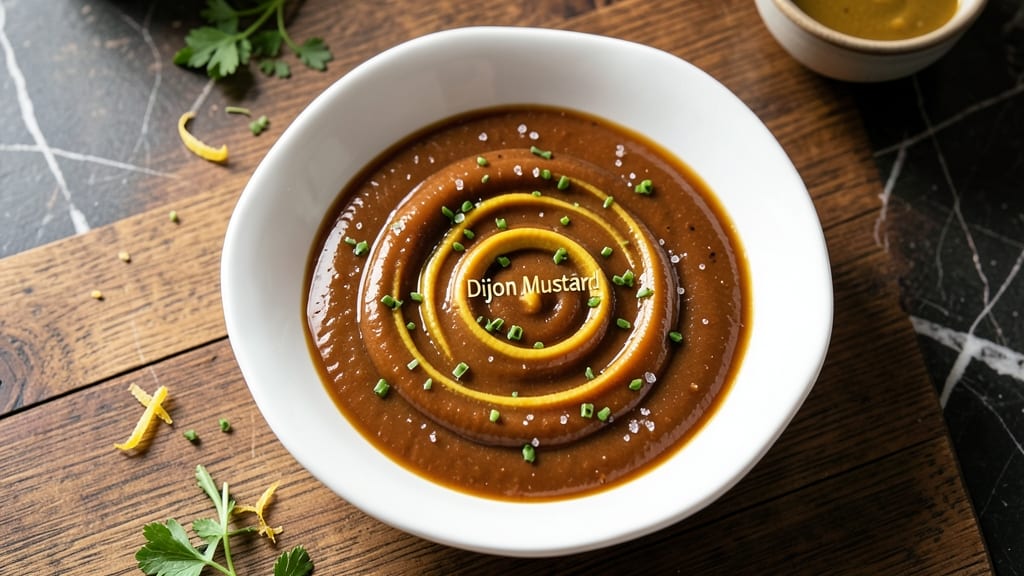
This apple juice salad dressing recipe transforms fresh greens into a vibrant, crunchy masterpiece with a perfect balance of sweet and tangy flavors. ✨ The secret lies in blending apple juice with vinegar, celery seeds, and a touch of Dijon mustard to create a velvety emulsion that clings beautifully to every leaf.
What sets this dressing apart is its refreshing, slightly sweet profile—ideal for crisp salads, grain bowls, or as a tangy dip for raw vegetables.
Made with simple, plant-based ingredients, this dressing requires just five minutes of whisking and resting to achieve a silky texture that stays emulsified for hours. The apple juice base adds natural sweetness while the vinegar and celery seeds introduce a bright, herbal crunch that elevates even the simplest greens.
Perfect for those seeking a lighter alternative to creamy dressings, this recipe delivers bold flavor without the heaviness.
What you’ll end up with is a dressing that’s rich enough to coat hearty kale or cabbage but light enough to drizzle over delicate arugula. The celery seeds contribute a subtle, earthy complexity, while the apple juice keeps the flavor profile fresh and approachable.
Whether you’re prepping meals for the week or dressing an impromptu salad, this recipe ensures every bite is vibrant and satisfying.
Store it in an airtight container in the refrigerator for up to five days, shaking gently before each use to maintain its smooth consistency. The flavors actually improve over time, making it a versatile addition to your pantry. Ready to elevate your salads with this foolproof, plant-powered dressing?
Ingredients for apple juice salad dressing
Nine simple ingredients blend into a velvety dressing that transforms salads into vibrant masterpieces.
| Ingredient | Amount | Notes |
|---|---|---|
| Unfiltered Apple Juice 🍎 | ¾ cup | Cold-pressed preferred for richness |
| Apple Cider Vinegar 🍏 | ¼ cup | Raw and unfiltered for tang |
| Celery Seeds 🌿 | 1 tbsp | Ground lightly for texture |
| Dijon Mustard 🥬 | 1 tbsp | High-quality for emulsification |
| Extra-Virgin Olive Oil 🫒 | ½ cup | Light variety for balance |
| Granulated Sugar 🍚 | 1 tbsp | Adjust to taste for sweetness |
| Sea Salt 🧂 | ½ tsp | Fine grain for delicate seasoning |
| Black Peppercorns 🌶️ | ¼ tsp | Freshly cracked for aroma |
| Fresh Lemon Juice 🍋 | 1 tbsp | Brightens the dressing |
The apple juice is the heart of this dressing—Trader Joe's cold-pressed or Mott's unfiltered work best for that rich, slightly tart profile. Celery seeds are non-negotiable; Spicewalla or Penzeys carry premium varieties, but the grocery store's basic kind still delivers. Dijon mustard needs to be high-quality—Maille or Amora are my go-tos, but any sturdy brand works. For the olive oil, California avocado oil or Italian extra-virgin keeps the dressing light without overpowering the apple's natural sweetness. Skip the pre-mixed salad dressings—they're loaded with preservatives that ruin this dressing's freshness.
No apple cider vinegar? White wine vinegar or lemon juice in equal parts works, though the flavor shifts slightly. Running short on celery seeds? Ground coriander at half the amount mimics that earthy crunch. Mustard-free? 1 tsp of tahini adds creaminess and helps emulsify. The sugar can be swapped for maple syrup or agave, though it may alter the dressing's lightness. For a smokier twist, add 1/4 tsp smoked paprika. Always taste as you go—this dressing is meant to be balanced, not overpowering. If it separates, whisk in 1 tsp more olive oil to restore its silky texture.
This dressing reaches peak flavor after 24 hours in the fridge, so make a batch ahead. Store in a glass jar with a tight seal—plastic absorbs odors. Shake gently before each use to maintain its smooth consistency. It keeps for 5-7 days in the fridge, though the flavors mellow after a week. For longer storage, freeze in 1-tbsp portions—thaw overnight in the fridge. The lemon juice will brighten the dressing, so if you're prepping ahead, add it just before serving to preserve freshness.
Why You'll Love This Recipe
- I swear by this one: just toss everything into a jar and shake until it’s smooth. No straining, no fancy tools—just you, a lid, and 30 seconds of effort. Honestly, it’s the kind of dressing that makes me feel like I’m actually cooking when really, I’m just pretending.
- No-Fuss Whisking: I swear by this one: just toss everything into a jar and shake until it’s smooth. No straining, no fancy tools—just you, a lid, and 30 seconds of effort. Honestly, it’s the kind of dressing that makes me feel like I’m actually cooking when really, I’m just pretending.
- Tangy-Sweet Magic: That unfiltered apple juice brings a deep, almost caramel-like sweetness, while the apple cider vinegar cuts through it with this bright, almost autumnal bite. The celery seeds add a subtle crunchy edge—like a hug for your taste buds. It’s the kind of flavor that makes you want to drizzle it on everything.
- Pantry Staple Power: Between us, this dressing is my secret weapon for lazy Sundays and last-minute salads. Keep it in the fridge for up to a week, and it’s perfect for everything from grain bowls to grilled chicken. I’ve even used it as a marinade—yes, really—and it’s ridiculously good.
Step-by-step instructions for apple juice salad dressing
This dressing delivers a perfect balance of sweet, tangy, and crunchy texture with minimal effort.
👨🍳 Step 1: Whisk Together the Wet Ingredients
In a medium bowl, combine the 0.75 cup unfiltered apple juice and 0.25 cup apple cider vinegar. The apple juice should be cold-pressed for maximum richness, which you'll notice immediately in the velvety texture. Add the 1 tablespoon Dijon mustard and 1 tablespoon granulated sugar, whisking vigorously until the sugar fully dissolves. This base creates the dressing's signature sweet-tangy foundation.
Next, add the 1 tablespoon fresh lemon juice and 0.5 teaspoon sea salt. The lemon juice brightens the flavors while the salt enhances all components. Whisk continuously for 30 seconds to ensure even distribution. You should see a slight thickening begin as the mustard starts to emulsify with the liquids.
🍳 Step 2: Gradually Incorporate the Olive Oil
With the bowl positioned over a sink (just in case), slowly drizzle in the 0.5 cup extra-virgin olive oil while whisking constantly. This gradual addition prevents the dressing from separating later. I use a light variety of olive oil here—its mild flavor lets the apple and celery notes shine through without overpowering them.
Whisk vigorously for 1-2 minutes until the dressing thickens noticeably and clings to the whisk. You're aiming for a smooth, creamy consistency that coats the back of a spoon. If it looks too thin, add another ½ teaspoon sea salt and whisk again—the salt helps stabilize the emulsion.
🥘 Step 3: Add Celery Seeds and Pepper for Texture
Remove the whisk and sprinkle in the 1 tablespoon ground celery seeds and 0.25 teaspoon cracked black peppercorns. The celery seeds add a subtle crunch and earthy depth that pairs perfectly with the apple's sweetness. Gently fold these in with a rubber spatula—over-whisking could break up the seeds and ruin the texture.
Taste and adjust the balance: need more sweetness? Add a pinch of sugar. Too sharp? A splash more apple juice. The dressing should harmonize all flavors—bright from the lemon, rich from the apple, tangy from the vinegar, and textured from the celery. Real talk: this is where most homemade dressings fail, but your attention to balance will make it shine.
⏰ Step 4: Rest and Test Before Serving
Cover the bowl with plastic wrap and let the dressing rest at room temperature for 10-15 minutes. This resting period allows the flavors to meld completely and the emulsion to fully stabilize. After resting, give it one final stir before using—this ensures the celery seeds distribute evenly throughout.
For best results, use immediately over mixed greens, roasted vegetables, or as a drizzle for fruit salads. The dressing should coat ingredients lightly without pooling at the bottom. If it separates after resting, simply whisk again—this happens occasionally with homemade dressings, but a quick whisk brings it back to perfection. Store any leftovers in the refrigerator for up to 5 days, shaking well before each use.
Pro Tips For Making Apple Juice Salad Dressing
- STIR IN STAGES: Start by whisking the apple juice, vinegar, and mustard together—this keeps the mustard from clumping when you add the oil later. Only after that smooth base is fully combined do you drizzle in the olive oil, or you’ll end up with a grainy, separated mess.
- USE COLD JUICE: Grab that unfiltered apple juice straight from the fridge—warm juice makes the dressing thin and watery faster. I learned this the hard way after making a batch in summer and watching it separate within hours.
- TOAST THE SEEDS: Lightly toast your celery seeds in a dry pan for 30 seconds before grinding—this deepens their flavor and prevents bitterness from overpowering. Skip this, and you’ll taste them instead of the bright apple notes.
- WHISK FASTER THAN YOU THINK: Get that dressing emulsified in under 30 seconds of vigorous whisking, or the oil and juice will split. I used to drag it out, thinking more mixing meant better results—wrong. The second you see it thicken, stop.
Troubleshooting this dish
Emulsion Separation Fix
If your dressing separates after mixing, don’t panic—this happens to even the best cooks. The issue usually stems from too much oil or insufficient emulsifiers. First, whisk in 1 teaspoon more Dijon mustard (it’s the secret emulsifier!).
If that doesn’t work, add ½ teaspoon xanthan gum (just a pinch) and whisk until smooth. For a quick fix, blend the separated dressing in a mini food processor for 10-15 seconds—this re-emulsifies it instantly. 💫
Grainy Texture Solutions
If your dressing feels gritty, the celery seeds might not be fully incorporated. For a smoother finish, lightly toast the seeds in a dry pan for 30 seconds before adding them—this softens their texture.
Alternatively, replace ½ tablespoon of seeds with 1 teaspoon ground coriander (it mimics the crunch without the graininess). Always fold seeds in gently with a spatula instead of whisking.
Overpowering Vinegar
The apple cider vinegar can sometimes dominate if your apple juice isn’t tart enough. Balance it by adding 1 extra tablespoon of apple juice or ½ teaspoon maple syrup to mellow the sharpness.
If the dressing tastes too acidic, a splash of lemon juice (already in the recipe) can brighten it instead of overpowering it. Taste as you go—this dressing is all about harmony!
Too Sweet or Too Tart?
Adjusting sweetness or tang is easy: need more sweetness? Add ½ teaspoon maple syrup or 1 extra pinch of sugar. Too sweet? Balance with ½ teaspoon extra apple cider vinegar.
For tartness, a splash of lemon juice cuts through richness. Remember: the dressing should taste like a perfect bite of an apple—sweet, tangy, and refreshing, not one-note. 🍏
Storage Separation
Even refrigerated dressings can separate over time. Before using, shake the container vigorous for 10 seconds, then give it a quick whisk. If it’s still stubborn, add 1 teaspoon water or apple juice and whisk again.
Store in a glass jar (not plastic) to prevent flavor absorption. For long-term storage, freeze in 1-tablespoon portions—thaw in the fridge overnight to preserve texture. 🧊
Mustard-Free Emulsion
If you’re avoiding mustard, replace the 1 tablespoon Dijon with 1 teaspoon tahini (it emulsifies beautifully) or ½ teaspoon arrowroot powder mixed with 1 tablespoon water. The tahini adds a nutty depth, while arrowroot creates a silky, stable base.
Whisk the arrowroot slurry into the wet ingredients first—it’s the key to holding the oil in place without mustard. 🥬
Nutrition facts
Frequently asked questions
Can I use store-bought apple juice instead of cold-pressed?
Yes, but the flavor will be less rich and complex. Store-bought apple juice works in a pinch, though it lacks the depth of cold-pressed juice. For best results, choose an unfiltered brand with no added sugar. If using pasteurized juice, add an extra ½ teaspoon lemon juice to brighten the flavor.
How do I make this dressing thicker or thinner?
For a thicker consistency, whisk in 1 teaspoon more Dijon mustard or add ½ teaspoon ground arrowroot powder mixed with 1 tablespoon water. To thin it out, gradually add 1-2 tablespoons apple juice or water, whisking constantly. The dressing should coat the back of a spoon without dripping.
What are the best salads to pair with this dressing?
This dressing shines on crisp greens like arugula, spinach, or mixed field greens. It also works beautifully with hearty salads like kale, cabbage, or roasted vegetable bowls. For a unique twist, drizzle it over fruit salads with pears, apples, or berries—the sweet-tangy balance enhances everything.
Can I make this dressing without celery seeds?
Replace the 1 tablespoon celery seeds with 1 teaspoon ground coriander for a similar earthy flavor, or use ½ teaspoon onion powder for a milder taste. If you want crunch without seeds, add 1 finely chopped celery stalk (reserve the seeds) and blend it into the dressing.
Why does my dressing taste too sweet or too tart?
If it's too sweet, balance it with ½ teaspoon extra apple cider vinegar or 1 teaspoon lemon juice. For tartness, add ½ teaspoon maple syrup or 1 extra pinch of sugar. Taste as you go—the dressing should harmonize like a perfect bite of apple: sweet, tangy, and refreshing.