
Sauces & Condiments
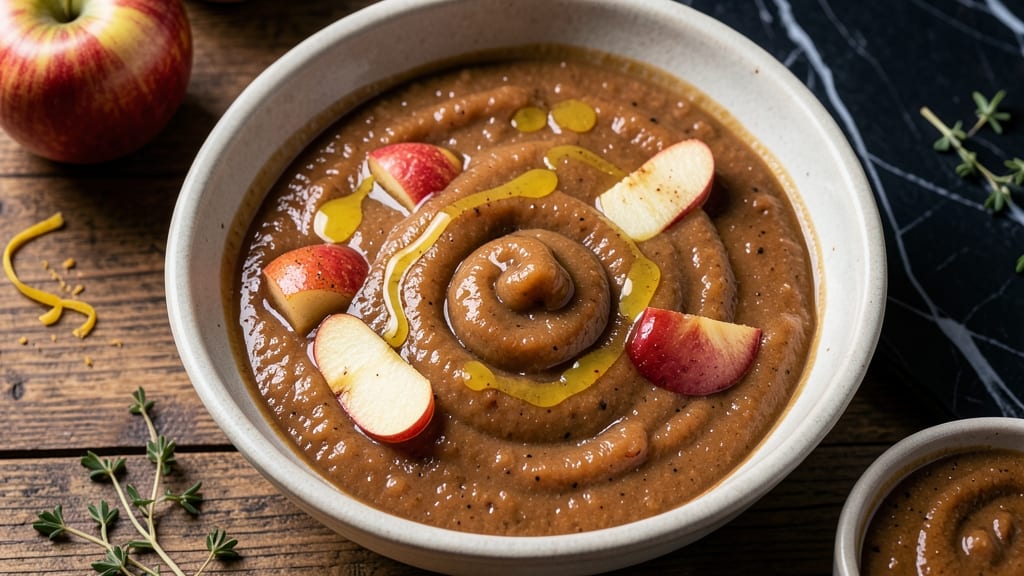
This apple sauce recipe from fresh apples transforms simple fruit into a versatile, naturally sweet spread with minimal effort. The secret lies in using just three ingredients—apples, water, and a touch of lemon juice—to create a chunky, no-cook version that preserves texture and flavor.
Perfect for topping pancakes, pairing with meats, or spreading on toast, this sauce is as functional as it is delicious.
What sets this recipe apart is its simplicity and flexibility. You can adjust the sweetness by choosing your apples—tart varieties like Granny Smith need a bit more cooking time, while sweeter Honeycrisp apples require less.
For an extra touch, add cinnamon or nutmeg during the cooking process, though the basic version remains perfectly balanced on its own.
The process is straightforward: peel, core, and chop the apples, then simmer them with water until tender. A quick mash or blend creates the ideal consistency—chunky enough to retain texture, smooth enough to spread effortlessly.
The result is a sauce that captures the natural sweetness of apples without added sugars, making it a healthier alternative to store-bought versions.
Use this apple sauce as a topping for oatmeal, a glaze for roasted pork, or even a filling for pies. The possibilities are endless, and the best part? You’ll have a pantry staple that tastes fresher than anything you’ve bought before. Let’s get started!
Ingredients for apple sauce recipe from fresh apples
Three simple ingredients. Zero added sugar. Naturally sweet apple sauce in minutes.
| Ingredient | Amount | Notes |
|---|---|---|
| Fresh Apples 🍎 | 4 medium | Peeled, cored, chopped |
| Water 💧 | ½ cup | Room temperature preferred |
| Lemon Juice 🍋 | 1 tbsp | Freshly squeezed |
The apples are everything here. Honeycrisp or Fuji stay chunky and sweet, while Granny Smith adds tartness—mix them for balance. Grab a bushel from a local orchard in season for the best flavor, or use the store-bought ones (just avoid the bruised ones). I always peel mine for that ultra-smooth texture, but if you're keeping it rustic, leave the skin on. The key is even-sized chunks—roughly 1/2-inch pieces cook perfectly without turning to mush.
No lemon juice? A splash of apple cider vinegar works in a pinch, though it’ll taste slightly different. Want it sweeter? Add a tiny pinch of cinnamon or nutmeg—it enhances the apple flavor without extra sugar. For a smoother texture, blend half the batch after cooking. The water amount can flex—start with 1/2 cup and add more if needed, but don’t overdo it or you’ll dilute the flavor. This sauce keeps its chunky magic when stored properly, so don’t skip the lemon juice—it’s what prevents browning.
Store it in an airtight jar in the fridge for up to 1 week, or freeze for 6 months in ice cube trays for single-serving portions. The lemon juice helps it stay fresh longer, but if you notice any weird textures after freezing, just blend it before using. This sauce is a game-changer for holiday meals—make a big batch and give it away. Trust me, everyone will ask for seconds.
Why You'll Love This Recipe
- I swear by this trick: just toss whole apples (peels and all) into boiling water with a splash of lemon juice. The skins soften right into the sauce—no peeling, no mess, and honestly? The texture’s still silky. My kids think it’s magic.
- No Peel, No Stress: I swear by this trick: just toss whole apples (peels and all) into boiling water with a splash of lemon juice. The skins soften right into the sauce—no peeling, no mess, and honestly? The texture’s still silky. My kids think it’s magic.
- Sweet-Tart Magic: That lemon juice isn’t just for acidity—it cuts through the apples’ natural sweetness like a knife. One squeeze brightens the whole batch, turning ordinary apples into something ridiculously good. (Yes, even with Granny Smiths.)
- Pantry to Plate: I keep a jar in the fridge for everything: swirled into oatmeal, dolloped on toast, or mixed into savory dishes like pork chops. It’s my go-to for when I’m too tired to think but still want flavor. Zero waste, maximum use.
Step-by-step instructions for no-cook chunky apple sauce
Here's the easiest way to make fresh, naturally sweet apple sauce with zero cooking required.
Combine Apples and Water
Add the 4 medium chopped fresh apples to a large bowl. You'll want to use a food processor or high-powered blender for this recipe, but we're keeping it chunky so no need to pulse everything smooth. Pour in the 0.5 cup room temperature water and give everything a quick stir with a wooden spoon.
Here's the thing—using room temperature water helps prevent the apples from releasing too much liquid right away. If you use cold water, you might end up with a thinner sauce. Stir just until the water is evenly distributed among the apple pieces. This keeps the texture nice and thick while preserving those beautiful apple chunks.
Add Lemon Juice and Mix Well
Squeeze in the 1 tablespoon freshly squeezed lemon juice and mix thoroughly. The lemon juice serves two important purposes: it brightens the flavor and helps prevent the apples from browning during the short resting period. You'll notice the apples immediately start to soften slightly from the acidity.
I like to use a potato masher for this step if I'm making it by hand. It gives you that perfect chunky texture without turning everything into a smooth puree. Give it a good mash, pressing down firmly but not pulverizing everything. You want to break down about 60% of the apples while keeping nice, bite-sized pieces throughout.
Let It Rest and Thicken
Cover the bowl with plastic wrap and let the mixture sit at room temperature for 15-20 minutes. This resting period allows the natural pectin in the apples to break down slightly, which helps thicken the sauce without cooking. You'll see the liquid start to reduce and the texture become more cohesive during this time.
Don't skip this step—it makes a huge difference in the final texture. After resting, give it one final stir. The sauce should be thick enough to coat the back of a spoon but still hold those beautiful apple chunks. If it's too thick for your preference, you can add 1-2 tablespoons of water and stir again. If it's too thin, let it sit another 5 minutes uncovered to evaporate some moisture.
Adjust Seasoning and Serve
Taste the apple sauce and adjust seasoning if needed. Most fresh apples need just a pinch of salt to enhance their natural sweetness. I usually add about ¼ teaspoon of salt and mix well. The lemon juice should already provide enough acidity, but if you want to add more sweetness, a tiny bit of honey or maple syrup works perfectly.
Transfer the apple sauce to a clean jar or airtight container. It'll keep in the refrigerator for up to 5 days. This no-cook version is perfect for topping yogurt, spreading on toast, or serving with cheese and crackers. The best part? You get all the natural sweetness and fiber from fresh apples without any added sugar or preservatives.
Pro Tips For Making Apple Sauce Recipe From Fresh Apples
- PEEL OR DON’T PEEL: I learned this the hard way—peeling apples for sauce is optional, but if you skip it, use tart varieties like Granny Smith. The skins add fiber and texture, but they can make the sauce grainy if the apples are waxy or overly sweet.
- COOK LOW AND SLOW: High heat turns apple sauce into mush. Simmer it at a gentle bubble—just enough to keep steam rising—so the apples break down evenly without turning into glue. A heavy pot helps distribute heat better.
- ACID TEST THE LEMON: A splash of lemon juice keeps the sauce bright, but too much makes it sharp. Start with 1 tablespoon per 4 cups of apples, taste as you go, and adjust. (Yes, even if you’re impatient like me.)
- STRAIN FOR SMOOTHNESS: If you want a silky texture, strain the cooked apples through a fine-mesh sieve after mashing. It’s extra work, but the result is worth it—no surprises when you serve it with pork chops or pancakes.
Perfect pairings for this dish
Breakfast Pairings
This apple sauce is a game-changer for breakfast—try it as a topping for fluffy pancakes or oatmeal. I love spooning it over whole-grain pancakes with a sprinkle of cinnamon and a drizzle of maple syrup.
For oatmeal, mix in a spoonful while warm to create a creamy, naturally sweet texture. The chunky texture adds delightful contrast to the softness of pancakes, while the natural sweetness cuts through rich breakfast foods. 🥞
Savory Meat Glazes
Don’t limit apple sauce to sweet dishes—it’s fantastic as a glaze for roasted pork tenderloin or baked chicken thighs. Brush it on during the last 10 minutes of roasting at 375°F for a caramelized finish.
I also use it as a filling for apple-stuffed pork chops—just mix with a bit of mustard and bake until golden. The natural sweetness balances the savory meat beautifully, creating a restaurant-quality finish.
Cheese and Charcuterie
Elevate your cheese board with this apple sauce as a dip or spread. Pair it with sharp cheddar, brie, or aged gouda for a sweet-and-salty contrast. I like to serve it with crusty baguette slices or water crackers for an easy appetizer.
The acidity from the lemon juice cuts through rich cheeses, while the apple’s natural sweetness makes every bite irresistible. Add a few prosciutto slices for an Italian-inspired twist. 🧀
Dessert Toppings
Use this apple sauce to top vanilla ice cream, pound cake, or warm apple crisp. The chunky texture adds a refreshing bite to creamy desserts. I often drizzle it over homemade apple pie for extra freshness—it’s like a mini topping that brings the flavors together.
For a no-bake dessert, layer it with Greek yogurt and granola in a jar for a healthy parfait. The possibilities are endless, and it’s always better than store-bought! 🍰
Baking Enhancer
Add this apple sauce to muffins, quick breads, or cake batters for natural moisture and sweetness. Replace up to ½ cup of oil or butter with apple sauce in recipes like zucchini bread or banana muffins. It keeps baked goods tender without adding extra fat.
I’ve even used it in spice cakes for a subtle apple flavor that pairs perfectly with cinnamon and nutmeg. The result? A lighter, healthier treat with a hint of apple. 🍞
Nutrition facts
Frequently asked questions
Can I make this apple sauce without peeling the apples? Leaving the skin on adds fiber and nutrients while keeping a rustic texture. For a smoother finish, peel the apples, but if you prefer chunky texture, skip it. Just
How do I adjust the sweetness if my apples are too tart?
Add a pinch of cinnamon or nutmeg to enhance natural sweetness without sugar. For extra sweetness, stir in 1 teaspoon of honey or maple syrup after cooking. If your apples are very tart, try using a mix of sweet and tart varieties (like Honeycrisp with Granny Smith) to balance the flavors naturally.
Can I make this apple sauce ahead of time?
Yes! Store it in an airtight container in the fridge for up to 5 days or freeze for 6 months. For freezing, portion into ice cube trays or small jars. Thaw overnight in the fridge—never microwave directly from frozen. The texture may thicken slightly after refrigeration, so add 1-2 tablespoons of water when reheating if needed.
What’s the best way to use leftover apple sauce?
Get creative! Use it as a glaze for roasted meats, a topping for yogurt or oatmeal, or mix into baked goods. For a quick dessert, stir into warm applesauce cake batter or spread on toast with peanut butter. The versatility makes it perfect for both sweet and savory dishes—just adjust seasoning to match the dish.
Why did my apple sauce turn out too thin?
This usually happens from too much water or underripe apples. Next time, use slightly firmer apples and reduce water by 1-2 tablespoons. For immediate fixes, simmer the sauce uncovered for 5-10 minutes to evaporate excess liquid, or blend half the batch to thicken it naturally. Always taste as you go!