
Main Courses
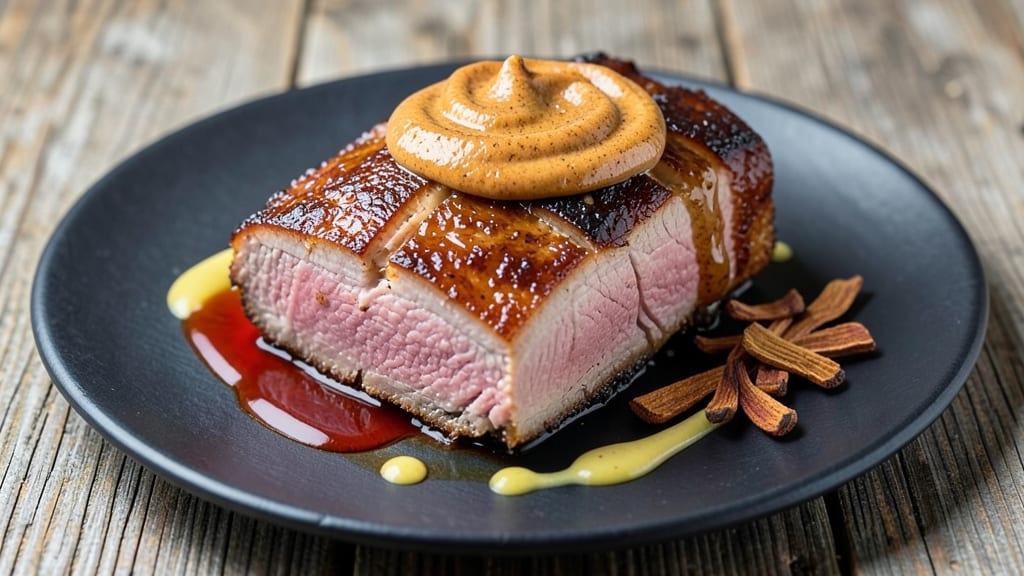
This apple smoked pork loin recipe transforms a simple cut into a showstopper with smoky-sweet depth that’ll have your guests asking for seconds. 🔥 I developed it after years of perfecting the balance between applewood’s rich aroma and the natural sweetness of pork, creating a glaze that locks in juicy perfection every time.
The secret? A wet rub of apple cider vinegar and brown sugar that tenderizes while building flavor during the smoke. What sets this apart is the two-stage process: first, a dry rub of spices and applewood chips for that signature smoky aroma, then a sticky applewood glaze applied mid-smoke.
This isn’t just another pork recipe—it’s a restaurant-quality centerpiece that delivers melt-in-your-mouth texture with every bite. The glaze caramelizes beautifully, creating a glossy finish that’s impossible to resist.
By the time it’s done, you’ll have pork so tender it nearly falls apart, with a crust that’s crispy yet sticky from the glaze. The applewood smoke infuses the meat with a subtle sweetness that pairs perfectly with the natural richness of the pork.
This is the kind of dish that elevates any gathering—whether it’s a weekend family dinner or a holiday feast. Serve with roasted potatoes and caramelized onions to soak up every last bit of that delicious glaze. The combination of textures and flavors makes this pork loin unforgettable. Let’s get started!
Ingredients for apple smoked pork loin
Six ingredients transform simple pork into restaurant-quality showstopper with smoky-sweet perfection.
| Ingredient | Amount | Notes |
|---|---|---|
| Pork Loin 🐖 | 3 lb | Bone-in, center-cut for juiciness |
| Applewood Chips 🍎 | ½ cup | Unscented, for smoky aroma |
| Brown Sugar 🍚 | ¾ cup | Packed, for caramelized glaze |
| Apple Cider Vinegar 🍶 | ½ cup | Raw, unfiltered for depth |
| Apple Butter 🍏 | ½ cup | Unsweetened, for rich flavor |
| Mustard 🥬 | 2 tbsp | Dijon-style for tangy balance |
| Garlic Cloves 🧄 | 6 cloves | Peeled, for aromatic base |
| Onion Powder 🧅 | 1 tbsp | For savory depth |
| Smoked Paprika 🌶️ | 1 tbsp | For extra smokiness |
| Ground Black Pepper 🌶️ | 1 tsp | Freshly cracked |
| Kosher Salt 🧂 | 1 ½ tbsp | Diamond Crystal preferred |
| Honey 🍯 | 2 tbsp | Wildflower, for subtle sweetness |
| Apple Cider 🍎 | ¼ cup | For glaze reduction |
The pork loin is your star—bone-in, center-cut for maximum juiciness and flavor. Grab one from Whole Foods or your local butcher if you want the best quality, but any well-marbled loin will work. The applewood chips are non-negotiable for that signature smoky aroma; Traeger or Cookshack sell them in bulk. Look for chips labeled 'unscented' to avoid any weird additives. If you can't find applewood, hickory chips work in a pinch, though they'll give a slightly different profile. For the brown sugar, muscovado or turbinado adds depth, but regular old light brown sugar does the job just fine.
No apple butter? Substitute unsweetened applesauce—it won't be as rich, but it'll still work. The Dijon mustard adds that tangy kick, but whole-grain mustard at double the amount will give you more texture. Fresh garlic is ideal, but garlic powder at half the amount gets you close if you're in a hurry. The apple cider vinegar should be raw and unfiltered—Bragg's is my go-to, but any good-quality brand will do. For the glaze, if you're short on time, pre-made barbecue sauce works as a backup, though it won't have that same caramelized depth. The honey should be wildflower or clover—avoid the cheap grocery store stuff if you can swing it.
Pork loin keeps best in the fridge for 3-4 days before smoking—give it time to come to room temperature first. The applewood chips? Store them in an airtight container for up to 6 months. Once you've made the glaze, it'll keep in the fridge for 1 week, but reheat it gently to maintain that glossy finish. Leftovers? This pork reheats beautifully—just warm it in the oven with a splash of apple cider to revive that smoky aroma. I always make extra because it's that good—perfect for sandwiches or even breakfast hash the next day.
Why You'll Love This Recipe
- Foolproof Simplicity: The applewood chips and apple butter do half the work—just rub, smoke, and let the smoker do its thing. I’ve made this while scrolling through emails, and the only real effort is slicing the pork (which takes less time than arguing with a stubborn onion).
- Sweet-Savory Magic: That caramelized brown sugar and apple cider vinegar glaze? It’s the kind of balance that makes you pause mid-bite. The smoky depth from the applewood chips ties everything together—like a hug from a BBQ pit, but with less back strain.
- Weeknight to Weekend: Serve it sliced thin over mashed potatoes for a lazy Sunday dinner or stack it on a charcuterie board for guests who’ll ask for the recipe. Honestly, it’s the one dish that works just as well for a quiet night in as it does for company—no last-minute panic required.
- Leftovers That Don’t Suck: Smoked pork loin stays moist for days, so you’re not stuck with dry, sad meat. I’ve reheated slices in a skillet with a splash of apple cider vinegar for breakfast tacos—yes, really—and they’re still rich, still tender, still worth the effort. Budget-friendly? Absolutely. Waste-free? Even better.
Step-by-step instructions for apple smoked pork loin
Here's how to transform a simple pork loin into a showstopping centerpiece with tender meat and a perfect glaze.
🔥 Step 1: Prepare the Dry Rub and Prep the Pork
In a small bowl, combine the 1.5 tbsp kosher salt, 1 tbsp smoked paprika, 1 tbsp onion powder, 1 tsp ground black pepper, and 6 cloves garlic cloves (minced). I like to use my fingers to crush the garlic cloves right in the bowl—it releases more flavor. Mix everything thoroughly until you have a fine, even rub.
Pat the 3 lb pork loin dry with paper towels—this is critical for crispy bark. Rub the mixture all over the pork, pressing firmly so it adheres well. Let it sit at room temperature for 30 minutes while you prepare the smoker. The pork should feel slightly tacky from the rub, indicating it's ready to smoke.
🔥 Step 2: Smoke the Pork Loin Low and Slow
Set up your smoker with the 0.5 cup applewood chips and heat to 225°F. I prefer applewood for its subtle sweetness that complements the pork beautifully. Once the smoker reaches temperature and you see thin blue smoke (not thick white), place the pork loin in the smoker fat-side up.
Smoke the pork for 4-5 hours, maintaining the 225°F temperature. Avoid opening the smoker during this time—each time you peek, you lose heat and extend cook time. The internal temperature should reach 145°F when done. You'll know it's ready when the meat is fork-tender and pulls away from the bone easily.
🍳 Step 3: Make the Apple Glaze
While the pork smokes, prepare the glaze by combining the 0.5 cup apple cider vinegar, 0.5 cup apple butter, 0.75 cup brown sugar, 2 tbsp mustard, 2 tbsp honey, and 0.25 cup apple cider in a saucepan. Bring to a simmer over medium heat and let it reduce for 10-12 minutes until it thickens to a syrupy consistency.
Here's the thing—you want the glaze to coat the back of a spoon but still be pourable. If it thickens too quickly, add 1-2 tablespoons of water to loosen it. The glaze should smell rich and tangy, with notes of caramelized sugar and apple. Keep it warm until you're ready to apply it.
🥘 Step 4: Apply the Glaze and Finish
Remove the pork from the smoker and let it rest for 10 minutes on a cutting board. This resting period is crucial—it allows the juices to redistribute, ensuring every slice stays moist. Meanwhile, preheat your oven's broiler to high.
Brush the warm glaze generously over the pork, coating all sides. Place the pork on a broiler-safe pan and broil for 3-5 minutes until the glaze bubbles and turns a deep amber color. Watch carefully—you want it caramelized but not burned. The pork should have a glossy, sticky finish that looks irresistible.
🍽️ Step 5: Slice and Serve
Slice the pork loin into ½-inch thick medallions against the grain for maximum tenderness. Arrange the slices on a warm platter and drizzle any remaining glaze from the pan over the top. The contrast of smoky, sweet, and tangy flavors will make this dish unforgettable.
Serve immediately with roasted vegetables or a simple apple salad to complement the rich pork. Each bite should deliver juicy, smoky pork with a perfect balance of sweet and tangy glaze. Trust me, your guests will ask for seconds!
Pro Tips For Making Apple Smoked Pork Loin
- USE A SPRINKLER, NOT A DOWNPOUR: Applewood chips burn fast—soak them in water for 10 minutes first, then sprinkle them lightly over the pork as it smokes. I learned this the hard way after watching my first batch turn into charred kindling. A handful at the start, then a few more every 30 minutes, keeps the smoke steady without choking the grill.
- BRINE THE PORK OVERNIGHT: Skip the dry rub and let the pork loin soak in a mix of apple cider vinegar, brown sugar, and water (1:1:1 ratio) for 12–24 hours. The acid tenderizes the meat while the sugar caramelizes into a sticky crust during smoking—no extra basting needed. (Yes, even if you’re impatient like me, the extra hour makes a real difference.)
- DON’T SKIP THE APPLE BUTTER: Slather a thin layer of apple butter on the pork after the first hour of smoking, not before. The heat opens up the flavors, and the buttery-sweetness clings to the meat instead of burning off. I used to spread it early, and it’d just turn into a sticky mess—now I wait, and the sauce actually sticks.
- STOP AT 145°F, REST 15 MINUTES: Pull the pork at 145°F internal temp—it’ll climb to 150°F while resting, which is perfect for juicy slices. Wrap it in foil with a splash of apple cider vinegar for the last 10 minutes to keep it moist. I used to cut into it too soon, and the juices would pool instead of distribute—now my slices stay tender every time.
Troubleshooting your apple smoked pork loin
Smoke Stalls
If your smoker temperature drops suddenly or smoke disappears, you're likely hitting the stall phase—common with pork around 145°F. I've seen this happen when using cheap wood chips that burn too quickly.
My fix? Switch to soaked applewood chips (soak in water for 30 minutes) to slow combustion and stabilize temperature. A water pan in the smoker also helps maintain moisture and heat. 💡
Glaze Too Thin
The glaze should coat the back of a spoon but remain pourable. If it's too runny, you likely didn't reduce it long enough. I learned this the hard way—simmering for 15+ minutes creates the perfect consistency.
For extra thickness, add 1 tbsp cornstarch mixed with 1 tbsp water and stir until it thickens. Keep an eye on it and taste-test occasionally.
Pork Too Dry
Overcooking is the #1 cause of dry pork loin. Use a meat thermometer—remove it when it hits 145°F internal temperature (not 160°F!). If you're worried about doneness, pull it at 140°F and let it rest longer.
I also recommend brining the pork for 4-6 hours in ¼ cup kosher salt per quart of water before smoking to lock in moisture.
Uneven Glaze
If the glaze only sticks to one side, your pork might have cooled too much before applying it. Keep the glaze warm in a 200°F oven while you broil the pork.
For extra adhesion, brush the pork with 1 tbsp apple cider vinegar before applying the glaze—this helps the sticky sauce cling better. A pastry brush works best for even coverage.
Smoke Too Strong
Applewood should have a subtle sweetness, not overpower the pork. If your smoke tastes harsh, you're likely using too much wood. I limit it to ½ cup applewood chips for a 3 lb loin.
For milder smoke, try hickory-applewood blends or reduce chip quantity by 25%. Always maintain thin blue smoke—thick white smoke means the wood is burning too hot.
Glaze Burns Quickly
Broiling too long causes burned glaze while keeping the pork undercooked. Keep the pork 3-4 inches from the broiler element and watch closely. For safety, I use a heatproof spatula to gently lift the pork and check the bottom—if it's browning too fast, move it farther away.
A light-colored pan also helps prevent scorching.
Nutrition facts
Frequently asked questions
Can I use a different type of wood besides applewood?
Applewood is ideal for its subtle sweetness, but you can substitute with hickory-applewood blends or even cherrywood for a slightly different flavor profile. Avoid strong woods like mesquite—they can overpower the pork. For a milder option, try fruitwood blends with apple content.
How do I adjust the recipe for a larger pork loin?
For every additional 1 lb of pork, increase the dry rub by 50% and the glaze by 25%. Maintain the same 225°F temperature, but add 30-45 minutes to smoking time per pound. Keep the wood chips at ½ cup per 3 lbs of pork to avoid overwhelming smoke.
What’s the best way to reheat leftovers?
Slice the pork into ½-inch medallions and reheat in a skillet with 1 tbsp apple cider over medium-low heat for 3-4 minutes to restore moisture. For sandwiches, warm the pork with the glaze in a 350°F oven for 10 minutes to maintain that sticky perfection.
Can I make the glaze ahead of time?
Yes! The glaze keeps well in the fridge for 1 week, but reheat it gently over low heat or in the microwave (stirring every 30 seconds) to maintain its syrupy consistency. For extra shine, add 1 tsp apple cider vinegar when reheating.
Why is my pork still pink in the middle?
Pork loin can stay slightly pink even at 145°F—it’s safe and normal! Use a meat thermometer to confirm doneness, and let it rest for 15 minutes before slicing. If you prefer fully cooked pork, aim for 150°F internal temperature.