
Sauces & Condiments
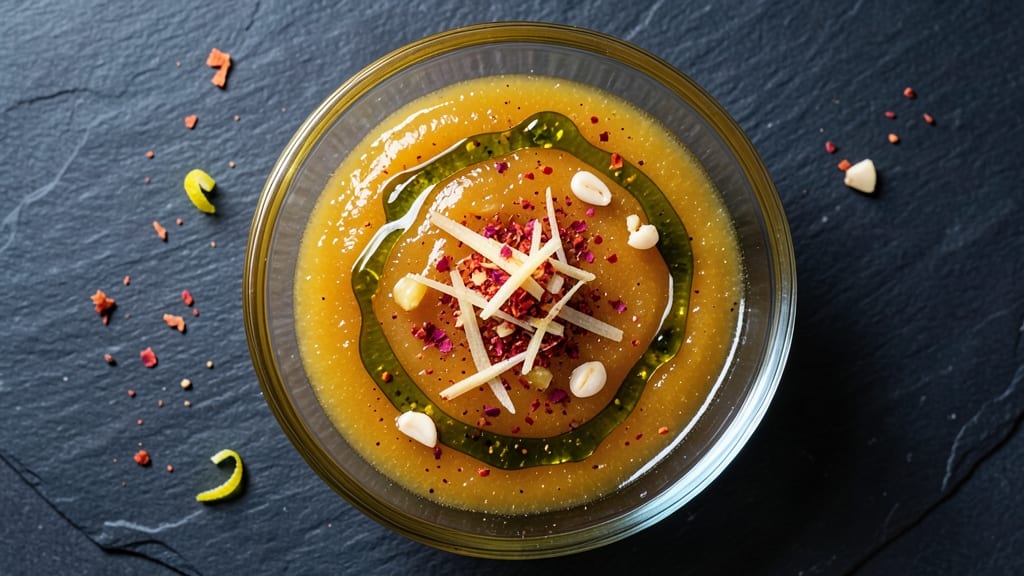
This Asian pineapple sauce recipe transforms simple stir-fries into vibrant, restaurant-quality dishes with just five ingredients. The balance of sweet, tangy, and umami flavors comes together in under 15 minutes, making it perfect for weeknight cooking or meal prep.
I developed this sauce after years of testing—it’s the one that finally stuck for marinating proteins, drizzling over bowls, or even as a glaze for roasted vegetables.
The secret lies in simmering fresh ginger, garlic, and chili with pineapple juice until the flavors meld into a glossy, aromatic sauce. Unlike store-bought versions, this recipe uses real pineapple chunks for depth, and the vinegar adds a bright tang that cuts through richness.
It’s versatile enough for grilled chicken, shrimp, or even as a dip for spring rolls.
What makes this sauce special is its shelf life—it keeps in the fridge for up to two weeks, allowing you to batch-cook and use it as needed. The texture is thick enough to coat proteins beautifully but still light enough to drizzle over dishes without overwhelming them.
Once you taste the difference, you’ll never go back to bottled versions.
Use it immediately for maximum flavor, or store it in an airtight container for later. Pair it with stir-fried noodles, grilled meats, or even as a glaze for baked fish. The possibilities are endless, and the process is simple enough for beginners. Let’s make this sauce!
Ingredients for asian pineapple sauce
Five ingredients, bold flavors—this sauce turns stir-fries into restaurant-worthy dishes.
| Ingredient | Amount | Notes |
|---|---|---|
| Fresh Pineapple Juice 🍍 | 1 cup | Freshly squeezed, no pulp |
| Fresh Ginger Root 🧄 | 2 tbsp | Finely grated, aromatic |
| Garlic Cloves 🧄 | 3 cloves | Minced, fresh preferred |
| Red Chili Flakes 🌶️ | 1 tbsp | Adjust for heat preference |
| Rice Vinegar 🍶 | 2 tbsp | White or seasoned variety |
| Extra-Virgin Olive Oil 🫒 | 1 tbsp | For glossy finish |
| Fresh Pineapple Chunks 🍍 | ¼ cup | Optional for texture |
| Soy Sauce 🍜 | 1 tbsp | Light or dark preferred |
| Honey 🍯 | 1 tbsp | Or maple syrup for vegan |
Fresh pineapple juice is the heart of this sauce—canned juice lacks depth, so grab a fresh pineapple from Trader Joe's or your local market. The ginger and garlic? Freshly grated and minced make all the difference. I always double-check the ginger root for soft spots—no one wants mushy sauce. For the chili flakes, Penzeys brand delivers consistent heat, but any good-quality flakes work. The rice vinegar adds that bright tang, so don’t skimp—Kikkoman or Mushroom Town are my go-tos. And trust me, the extra-virgin olive oil isn’t just for flavor—it gives that glossy finish that makes the sauce look (and taste) restaurant-quality.
No fresh pineapple juice? Coconut water or bottled pineapple juice in a pinch, but you’ll miss that fresh depth. Short on ginger? Substitute with 1 tsp ground ginger, but it won’t be the same. The honey can be swapped for maple syrup or agave if you’re vegan—just reduce the soy sauce slightly to balance the sweetness. No soy sauce? Coconut aminos work, though the flavor will be subtly different. And if you’re feeling adventurous, add a dash of sesame oil at the end for extra umami. The sauce thickens as it cools, so if it’s too thin, simmer it a bit longer.
This sauce keeps beautifully—up to 2 weeks in the fridge if stored in an airtight container. For longer storage, freeze it in ice cube trays and pop out what you need. It reheats perfectly, though I prefer using it straight from the fridge for that bright, fresh taste. The pineapple chunks, if used, can be added back in when serving for texture. And here’s a pro tip: Add a splash of water or vinegar if it thickens too much when reheating. Use it on anything—grilled chicken, shrimp, noodles, or even as a dip for spring rolls.
Why You'll Love This Recipe
- Five-Ingredient Magic: I swear by this combo—pineapple juice, ginger, garlic, chili, and vinegar. That’s it. No fancy gadgets, no hidden steps, just chop, simmer, and boom—flavor explosion in 20 minutes.
- Sweet Heat Balance: The ginger and garlic sing, the chili adds a little fire, and the vinegar cuts through it all. It’s bright, tangy, and just spicy enough to make you reach for more—without overwhelming.
- Dips, Glazes, Everything: Slather it on grilled chicken, drizzle it over rice bowls, or serve it cold with spring rolls. Honestly, I’ve used it for breakfast (yes, on toast) and it still works.
- Pantry Stash Winner: A few bucks for pineapple juice and ginger? Worth it. The sauce keeps for days, and I’ve made it last a week by freezing portions—perfect for when I’m too tired to cook.
Step-by-step instructions for Asian pineapple sauce
This vibrant glaze comes together in minutes with bold flavors that elevate any dish.
Prepare the Aromatics
In a small bowl, finely grate the 2 tablespoons of fresh ginger root using a microplane or fine grater. I like to press the ginger against the grater with my fingers to extract maximum juice and aroma. Transfer the grated ginger to a medium saucepan and set aside.
Next, mince the 3 cloves of garlic as finely as possible. The smaller the pieces, the more evenly they'll distribute throughout the sauce. Add the minced garlic to the saucepan with the ginger and set over medium heat. Let them cook for 1-2 minutes until fragrant but not browned—this prevents bitterness and ensures a smooth final texture.
Build the Flavor Base
Pour in the 1 cup of fresh pineapple juice and bring the mixture to a gentle simmer. I stir occasionally to prevent sticking, but don't let it boil vigorously—we want to preserve the delicate pineapple flavor. After 3-4 minutes, add the 2 tablespoons of rice vinegar and 1 tablespoon of soy sauce. These ingredients will balance the sweetness and add depth.
Here's where the sauce starts to come together. The vinegar adds that signature tang, while the soy sauce introduces umami richness. Taste the mixture now—you should notice a bright, acidic foundation with hints of sweetness from the pineapple juice.
Sweeten and Season
Reduce the heat to low and stir in the 1 tablespoon of honey and 1 tablespoon of red chili flakes. The honey will mellow out the acidity while adding caramel notes, while the chili flakes provide a subtle heat that lingers on the tongue. Let the sauce simmer gently for 5-6 minutes, stirring occasionally, until it thickens slightly and coats the back of a spoon.
If you're using the ¼ cup of fresh pineapple chunks, add them now and let them simmer for another 2-3 minutes to soften slightly. This adds beautiful texture contrast to the smooth glaze. Taste again and adjust seasoning if needed—you might want to add a touch more honey for sweetness or soy sauce for saltiness.
Finish with Olive Oil
Remove the sauce from heat and let it cool for 1-2 minutes. Then stir in the 1 tablespoon of extra-virgin olive oil. This final step creates a silky finish that helps the sauce cling beautifully to stir-fries, bowls, or grilled proteins. The oil also adds a subtle richness that rounds out all the bright flavors.
For best results, use the sauce immediately while it's still warm. It will thicken slightly as it cools, so if you need to reheat it, do so gently over low heat, stirring constantly to prevent scorching. This versatile glaze works perfectly over shrimp, chicken, tofu, or even drizzled over rice bowls for instant flavor elevation.
Pro Tips For Making Asian Pineapple Sauce
- STRAIN TWICE: The first pass catches big chunks, but tiny ginger fibers and garlic bits sneak through—trust me, they make the sauce gritty. After simmering, strain through a fine-mesh sieve, then press the pulp with a spoon. I learned this the hard way after spitting out a mouthful of fiber.
- PEEL GINGER FAST: Use a spoon’s tip to tap the ginger root once before peeling—this breaks the skin cleanly. Skip the knife unless you’re in a rush (and even then, it’s faster). Over-peeling wastes good flesh; leave the papery skin on the edges and just scrape off the tough bits.
- SIMMER LOW AND LONG: This sauce needs 15-20 minutes of gentle simmering to let the flavors meld, not a quick boil that burns the garlic or makes the vinegar taste harsh. Keep it at a whisper-bubble—if it’s splattering, you’re doing it wrong. Patience here is what turns good into actually delicious.
- SALT THE GINGER: Toss the grated ginger into the pan with a pinch of salt before cooking. It mutes the raw bite and helps it soften faster. I was skeptical until I tried it—now I add it without thinking, and the sauce tastes deeper right away. (Yes, even if you’re impatient like me.)
Dietary considerations for this asian pineapple sauce
Gluten-Free Adaptations
This sauce is naturally gluten-free, but always double-check your soy sauce—some brands contain wheat. I recommend Kikkoman Tamari or San-J Tamari, which are certified gluten-free and add a deeper umami flavor.
The rest of the ingredients are already safe for gluten-sensitive diets, making this sauce perfect for stir-fries, marinades, or drizzles over gluten-free noodles. 🌱
Vegan-Friendly Swaps
For a vegan version, simply replace the honey with maple syrup or agave nectar—both work beautifully while maintaining the sauce's sweetness. I also suggest using coconut aminos instead of soy sauce for a gluten-free and vegan-friendly alternative.
The sauce remains just as vibrant and tangy with these substitutions, perfect for plant-based bowls or tofu dishes.
Low-Sugar Options
If you're watching your sugar intake, reduce the honey to ½ tablespoon and balance it with an extra ½ tablespoon of rice vinegar to maintain the tangy-sweet profile. You can also use monk fruit sweetener or erythritol for a sugar-free option—just dissolve it in the pineapple juice before simmering.
The sauce will still coat beautifully and add bright flavor without spiking your blood sugar. 💛
Allergy Considerations
This recipe is free from common allergens like dairy, eggs, and nuts, making it safe for most dietary restrictions. If you're allergic to pineapple, you could substitute with mango puree or passionfruit juice for a similar tropical brightness.
Always check labels on store-bought ingredients like soy sauce or honey to ensure they’re processed in allergen-free facilities.
Diabetic-Friendly Adjustments
For a diabetic-friendly version, skip the honey entirely and use stevia or allulose instead—just ¼ teaspoon will sweeten the sauce without affecting blood sugar. The sauce still delivers bold flavor while being mindful of glycemic impact.
Pair it with grilled chicken or shrimp for a balanced, protein-rich meal that won’t cause spikes. 💡
Nutrition facts
Frequently asked questions
Can I make this sauce with canned pineapple juice instead of fresh?
While canned pineapple juice will work in a pinch, fresh pineapple juice delivers a brighter, more complex flavor. If using canned, choose 100% pineapple juice without added sugar or preservatives. For best results, simmer the sauce an extra 2-3 minutes to concentrate the flavors since canned juice tends to be thinner.
How spicy should the chili flakes make this sauce?
The 1 tablespoon of red chili flakes provides a subtle heat that lingers beautifully. For mild heat, reduce to ½ teaspoon or use sweet paprika. If you love spice, add an extra ½ teaspoon of flakes or a pinch of cayenne. Always taste before serving—you can adjust while the sauce cools.
Can I use this sauce as a marinade for meat or tofu?
This sauce marries perfectly with proteins. For chicken or tofu, marinate for 15-20 minutes before cooking. For beef or pork, marinate for 30-60 minutes in the fridge. The pineapple's enzymes tenderize meat, so don't over-marinate. Always reserve ¼ cup of marinade to use as a glaze at the end for maximum flavor.
Why did my sauce turn out too thin?
Sauce thickness depends on simmering time—if it's too thin, simmer uncovered for 5-10 more minutes until it reduces slightly. For immediate thickening, stir in ½ teaspoon of cornstarch mixed with 1 teaspoon water and simmer for 1-2 minutes. The sauce will naturally thicken as it cools, so don't worry if it looks runny while warm.
What's the best way to store leftover sauce?
Transfer cooled sauce to an airtight container and store in the fridge for up to 2 weeks. For longer storage, freeze in ice cube trays—pop out what you need and thaw in the fridge. The sauce reheats beautifully, though I prefer using it chilled for freshness. If it thickens too much after refrigeration, stir in 1 teaspoon of water or vinegar to restore consistency.