
Side Dishes
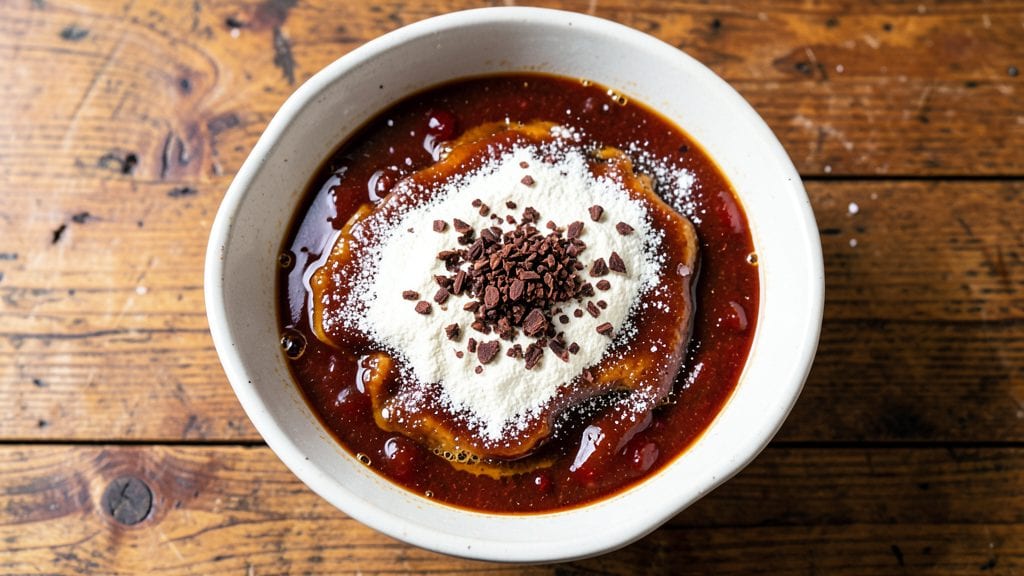
This authentic German rye bread recipe delivers the dark, dense crust and tangy sourdough soul that defines traditional German baking. The secret lies in a robust rye starter and precise fermentation—techniques passed down through generations.
I’ve perfected this method after years of testing, ensuring every slice has that signature hearty texture and deep molasses flavor.
The beauty of German rye bread is in its simplicity: just a few ingredients—rye flour, water, and a lively starter—transformed through patience. Unlike lighter breads, this recipe demands time: a long fermentation develops the tangy complexity, while baking at high heat creates that coveted crisp crust.
The result? A loaf so dense and flavorful, it feels like a hug in bread form.
What sets this recipe apart is its authenticity—no shortcuts, just traditional methods. The rye starter acts as a natural leavening agent, while the dough’s slow rise (overnight in the fridge) enhances flavor depth.
By the time it emerges from the oven, your kitchen will smell like a German bakery, and every slice will be packed with that unmistakable rye character.
The crust should be dark and crisp, almost crackling, while the interior remains tender with a subtle sweetness from the molasses. Serve it warm with butter or as the perfect companion to hearty stews. This isn’t just bread—it’s a taste of Germany’s baking heritage, right in your kitchen.
Ingredients for authentic german rye bread
Four cups of rye flour kickstart this German classic, with just enough all-purpose for structure.
| Ingredient | Amount | Notes |
|---|---|---|
| Rye Flour 🌾 | 4 cups | Dark rye preferred for authentic flavor |
| All-Purpose Flour 🌾 | 1 cup | For structure and lightness |
| Active Dry Yeast 🍞 | ¼ tsp | Or 1 packet instant yeast |
| Molasses 🍯 | ¼ cup | Unsulphured preferred for depth |
| Dark Brown Sugar 🍚 | ¼ cup | Enhances caramelization |
| Kosher Salt 🧂 | 1 ½ tsp | Adjusts for fermentation |
| Rye Starter 🍞 | 1 cup | Active, bubbly starter |
| Warm Water 💧 | 2 ½ cups | 95-105°F for optimal yeast |
| Honey 🍯 | 1 tbsp | Balances acidity |
| Sesame Seeds 🌻 | 1 tbsp | For traditional crust |
| Poppy Seeds 🌻 | 1 tbsp | Optional but authentic |
| Coarse Sea Salt 🧂 | 1 tsp | For sprinkling crust |
The rye flour is non-negotiable for that signature dark, dense crust. King Arthur or Bob’s Red Mill are trusted brands for their high rye content—avoid blends with wheat flour if you want authenticity. For the starter, feed it daily for 5-7 days before using; it should smell tangy and bubble vigorously. The molasses and brown sugar work together to deepen the flavor—unsulphured molasses is key for avoiding bitter notes. If your local store doesn’t carry it, check the baking aisle at Whole Foods or order online. For the yeast, Fleischmann’s is reliable, but any active dry yeast will work if fresh (test by dissolving in warm water—it should foam within 10 minutes).
No molasses? Maple syrup at half the amount works in a pinch, though it lacks the depth. Running short on rye flour? Substitute half with whole wheat flour, but expect a denser crumb. The sesame and poppy seeds can be swapped for flaxseeds or sunflower seeds if unavailable—just toast them first for extra flavor. For the starter, if you’re in a hurry, store-bought sourdough discard can be used, but feed it with rye flour for 24 hours first to adapt. The honey is crucial—avoid agave or corn syrup, as they won’t balance the acidity properly. If you’re baking at high altitude, reduce the yeast by 25% to prevent overproofing.
The rye starter should be stored in a glass jar in the fridge, fed weekly with equal parts rye flour and water. The dough benefits from a 12-14 hour cold proof in the fridge—this enhances flavor and texture. Once baked, the loaf is best enjoyed within 3 days for peak freshness, though it keeps well wrapped at room temperature. For longer storage, slice and freeze—toast directly from frozen for crispy results. The crust hardens as it cools, so wrap it in a clean kitchen towel to retain moisture.
Why You'll Love This Recipe
- No-Knead Magic: I swear by this trick—just mix the rye flour, yeast, and warm water, let it sit overnight. No punchy elbows, no overworked hands. The molasses and brown sugar do all the heavy lifting while you sleep.
- Deep, Earthy Crunch: That first bite? Crisp crust with a dense, slightly sweet crumb—thanks to the rye and molasses. It’s the kind of bread that makes you slow down, even if you’re starving.
- Weeknight Workhorse: Toss it in a loaf pan, bake it, and suddenly you’ve got a sandwich base, toast for breakfast, or a side for dinner. Honestly, I’ve fed a houseful with two batches and still had leftovers.
- Budget-Friendly Staple: Rye flour’s cheaper than most specialty grains, and a single batch stretches for days. Freeze the extras—my go-to for quick toast when I’m too tired to think. (Yes, even on a Tuesday night.)
Step-by-step instructions for authentic German rye bread
Here's the traditional method for crafting dense, flavorful rye bread with a dark crust and tangy sourdough character.
Mix the Dough with Wet and Dry Ingredients
In a large mixing bowl, combine the 2.5 cups warm water with the 1 cup rye starter, 0.25 cup molasses, 0.25 cup dark brown sugar, 1 tbsp honey, and 1.5 tsp kosher salt. Stir until the sugar and honey dissolve completely, creating a thick, syrupy liquid. The mixture should be smooth with no graininess remaining.
In a separate bowl, whisk together the 4 cups rye flour and 1 cup all-purpose flour. Gradually add this dry mixture to the wet ingredients while stirring with a wooden spoon or dough whisk. The dough will be thick and sticky, similar to pancake batter. This texture is normal—rye dough behaves differently than wheat dough due to its higher gluten content.
Once fully combined, cover the bowl with a damp kitchen towel or plastic wrap. Let the dough rest at room temperature for 30 minutes. This initial rest period allows the flour to hydrate fully and the gluten to begin developing, which improves the bread's structure and flavor.
Add Yeast and Knead Until Elastic
After the 30-minute rest, sprinkle the 0.25 tsp active dry yeast evenly over the surface of the dough. Using a flexible spatula or your hands, gently fold the yeast into the dough until fully incorporated. The dough should begin to bubble slightly as the yeast activates.
Transfer the dough to a lightly floured surface and knead for 8-10 minutes by hand. Rye dough is denser and less elastic than wheat dough, so don't expect it to become smooth and springy. Instead, focus on developing just enough structure to hold its shape. The dough should feel slightly tacky but not wet, and it should pull away from the surface when stretched gently.
Return the dough to the bowl, cover it again, and let it rise at room temperature for 2-3 hours. You'll know it's ready when the dough has nearly doubled in size and exhibits small bubbles on the surface. Rye dough rises more slowly than wheat dough, so patience is key here—don't rush this step, as proper fermentation is essential for authentic flavor.
Shape and Proof the Loaf
Once the dough has risen, turn it out onto a lightly floured surface and divide it into 4 equal portions (about 1 pound each). Shape each portion into a round loaf by pulling the dough toward you while rotating it. The edges should be slightly thicker than the center, creating a classic German rye bread shape.
Place each shaped loaf seam-side up in a 4-inch round loaf pan or a well-greased 9-inch round cake pan. Cover the pans with a damp towel and let the dough proof for an additional 1-2 hours, or until the dough has risen 1-2 inches above the rim of the pan. The surface should look slightly domed and feel firm to the touch.
While the dough proofs, preheat your oven to 375°F. This temperature ensures proper browning and internal development without burning the crust. The longer proofing time allows the yeast to fully develop flavor and creates that signature dense, chewy texture.
Bake with Steam for a Dark Crust
Carefully transfer the pans to the preheated oven. Immediately place a baking sheet filled with 1 cup hot water on the lower rack to create steam. This step is critical—steam helps develop the bread's crust and prevents it from drying out. Bake for 35-40 minutes, until the crust is deep golden brown and the internal temperature reaches 190°F when measured with an instant-read thermometer.
During the last 10 minutes of baking, sprinkle the 1 tbsp sesame seeds and 1 tbsp poppy seeds evenly over the top of each loaf. Press them gently into the crust so they adhere. Remove the baking sheet with hot water after 20 minutes to allow the crust to brown further and develop a darker color.
Once baked, transfer the loaves to a wire rack to cool completely. Resist the temptation to slice immediately—the bread needs time for the internal structure to set. For the best texture, allow it to cool for at least 1 hour before slicing. The bread will continue to firm up as it cools, resulting in cleaner slices and improved flavor.
Serve with Coarse Sea Salt
Slice the cooled bread into ½-inch thick pieces using a serrated knife. The dense crumb should hold its shape without crumbling. For an authentic touch, sprinkle each slice with 1 tsp coarse sea salt before serving. This final step enhances the bread's natural tanginess and adds a satisfying contrast of textures.
The bread is best enjoyed within 2-3 days, though it can be wrapped tightly in plastic and stored at room temperature. For longer storage, slice the bread and freeze the pieces between parchment paper. Reheat slices in a 350°F oven for 5-7 minutes to restore freshness. This bread pairs beautifully with smoked meats, sharp cheeses, or simply with a pat of butter and jam.
Pro Tips For Making Authentic German Rye Bread
- Mix Molasses Last: Rye flour hates moisture—adding molasses early makes a gummy dough you’ll fight all day. Stir it into the wet ingredients after the flours are combined, or risk a dense, heavy loaf that tastes more like glue than German rye.
- Proof at Room Temp: Skip the fridge—this dough rises best at a steady 75°F (24°C). If your kitchen’s colder, pop it near the oven with the light on (yes, it’s weird, but it works). Cold proofing slows fermentation and dulls that deep, tangy flavor you’re after.
- Don’t Over-Knead: Rye dough is stubborn. Once you hit the "window test" (poke it, and it springs back slowly), stop. Overworking it activates too much gluten, and your bread turns out chewy instead of crumbly with that classic German bite.
- Steam the First 20: German rye bread needs a dark, crackly crust—but only if you give it steam. Toss a metal bowl of boiling water on the oven rack before baking, then shut the door for 20 minutes. No steam? Your crust will dry out before it browns, and you’ll end up with sad, flat loaves.
Storing and reheating your authentic german rye bread
Room-Temperature Storage
German rye bread stays fresh for 3-4 days when stored at room temperature, but the key is proper wrapping. After cooling completely, wrap each loaf tightly in plastic wrap followed by a clean kitchen towel—this prevents moisture loss and keeps the crust from hardening too quickly.
I store mine in a bread box or paper bag to maintain that bakery-fresh quality. The towel helps trap steam, which is essential for preserving the bread's moisture and preventing a stale crust. 🌾
Refrigerator Preservation
For longer storage beyond 4 days, transfer the wrapped loaf to the refrigerator where it will keep for up to 1 week. The cold slows staling, but be aware the crust may dry out faster.
To revive stale bread, I wrap slices in a damp paper towel and heat them in a 350°F oven for 5 minutes—this restores crispness without turning the crumb gummy. For best results, slice before refrigerating to prevent the loaf from becoming rock-hard. ❄️
Freezer Storage Secrets
Freezing is ideal for long-term storage—German rye bread maintains its texture for up to 3 months when properly frozen. First, slice the cooled loaf into ½-inch thick pieces. Wrap each slice individually in plastic wrap and place them in a freezer bag with all air removed.
Label with the date and freeze flat for efficient space use. When ready to eat, toast directly from frozen in a toaster or oven at 375°F for 8-10 minutes—this brings back that satisfying crunch. 🔥
Reheating Like a Pro
For oven reheating, wrap the entire loaf in aluminum foil and heat at 325°F for 10 minutes to gently warm through. If you prefer crispy crusts, remove the foil for the last 2-3 minutes of heating.
For microwave reheating, place slices on a plate, cover with a damp paper towel, and heat at 50% power for 20-30 seconds. This prevents the bread from becoming rubbery while restoring some moisture. 💡
Reviving Stale Bread
Even "stale" German rye bread can be transformed. Preheat your oven to 350°F, place slices on a baking sheet, and bake for 5-7 minutes until lightly crisp. For extra flavor, brush with melted butter or a light coating of olive oil before reheating.
This method works particularly well for bread that's been stored for 5-7 days—the heat reactivates the starches, making it taste almost fresh again. The crust will regain its satisfying crunch while the interior softens just enough to be enjoyable. 💫
Crust Restoration Tips
If your bread's crust has become too hard, don't toss it! Place the entire loaf in a paper bag and microwave on high for 10 seconds. The steam from the microwave will soften the crust while keeping the interior warm.
For a more dramatic effect, sprinkle 1 tsp water on the crust before microwaving—this creates extra steam that penetrates the outer layer. This trick is especially useful when you need to serve slices immediately without full reheating. 🌟
Nutrition facts
Frequently asked questions
Why does my German rye bread turn out too dense or heavy?
Rye bread naturally has a dense texture, but if yours feels overly heavy, check your fermentation time. A 2-3 hour room-temperature rise followed by an overnight cold proof develops proper flavor and structure. Over-kneading can also make it tough—rye dough should feel slightly tacky, not elastic. For lighter texture, reduce rye flour by 10% and increase all-purpose flour slightly.
Can I make this bread without a rye starter?
Yes, but the flavor won't be as authentic. Use 1 cup store-bought sourdough discard instead, but feed it with rye flour for 24 hours first to adapt. Alternatively, substitute with 1 cup buttermilk or yogurt, though this will create a slightly less tangy loaf. The molasses and brown sugar will still provide depth, but the sourdough character will be milder.
How do I know when the dough is properly fermented?
Look for small bubbles on the surface and a 50-75% increase in volume after rising. The dough should feel slightly springy when pressed gently—it won't rebound like wheat dough, but it shouldn't be flat. For extra assurance, use the "finger test": poke the dough with your finger. If it springs back slowly (not quickly), fermentation is complete.
What's the best way to achieve a crispy crust like traditional German rye?
Steam is your secret weapon! Place a baking sheet with 1 cup hot water on the oven's lower rack during baking. This creates steam that promotes crust development. For extra crunch, brush the baked loaf with melted butter while still warm, then sprinkle with coarse sea salt. Let it cool completely before slicing—this helps the crust set properly.
Can I substitute molasses with something else?
In a pinch, use maple syrup (½ the amount) or dark corn syrup, but expect slightly less depth of flavor. For best results, combine ¼ cup molasses with 1 tbsp honey to mimic the balance. Avoid light corn syrup—it lacks the caramelized notes that make traditional German rye so distinctive. The molasses contributes both sweetness and that signature tangy complexity.