
Side Dishes
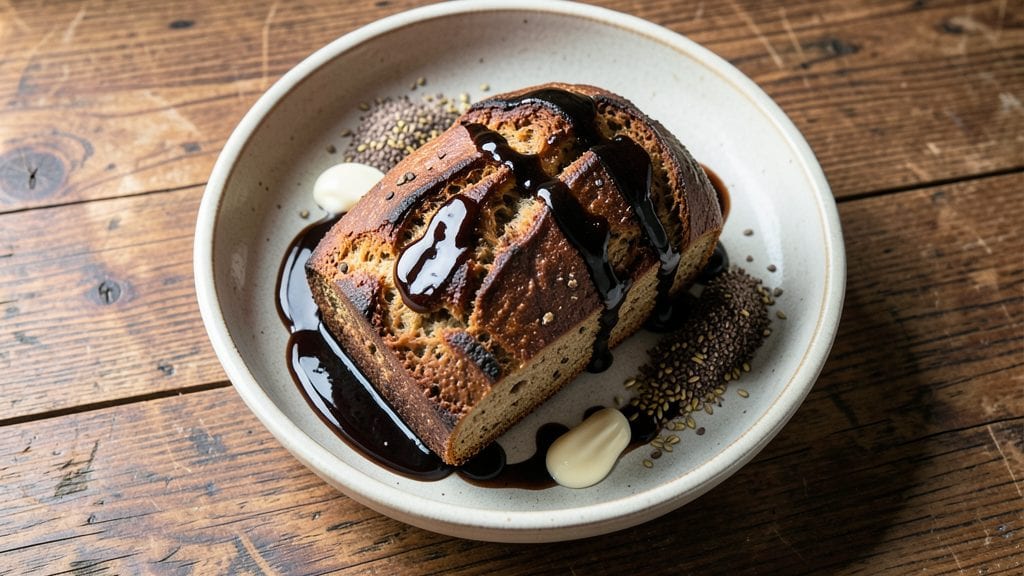
This authentic Russian black bread recipe brings the soul of Siberia to your kitchen table, where every bite reveals layers of nutty rye depth and a crisp sourdough crust.
The bread's history stretches back centuries, originally baked in peasant ovens to feed entire villages—now you can recreate that same rustic tradition with a few key techniques.
What sets this recipe apart is the balance between dark rye flour and a tangy sourdough starter, which develops during a 24-hour fermentation for maximum flavor complexity.
The process begins with a wild yeast starter, a hallmark of traditional Russian bread-making that creates that signature tang without commercial yeast.
Kneading by hand (or with a stand mixer) develops gluten for a satisfying chew, while the dough rests twice—first in the fridge overnight, then at room temperature before shaping.
Baking at 375°F for 45 minutes yields a deep mahogany crust with a dense, slightly sweet crumb that’s perfect for sandwiches or served alongside borscht.
What makes this bread truly authentic is the molasses and caraway seeds—classic Russian additions that add subtle sweetness and aromatic depth. The crust should be dark and crackly, while the interior remains tender with just enough density to hold shape.
This recipe delivers the same bread you’d find in Moscow bakeries, where it’s traditionally eaten with every meal—proof that simple ingredients and patience create something extraordinary.
For those avoiding dairy, simply replace the milk with water in the starter and omit butter in the dough—no other adjustments needed. The bread keeps well for 5 days wrapped in a cloth, if it lasts that long. Let’s begin with the starter, where all the magic starts.
Ingredients for authentic russian black bread
The foundation of authentic Russian black bread begins with these twelve essential ingredients, blending dark rye's earthy depth with sourdough's tangy complexity.
| Ingredient | Amount | Notes |
|---|---|---|
| Dark Rye Flour 🌾 | 4 cups | Stone-ground preferred for authentic texture |
| All-Purpose Flour 🌾 | 1 cup | For structural balance in dough |
| Active Dry Yeast 🍞 | ¼ oz | Or 2 1/4 tsp for fresh yeast |
| Unsalted Butter 🧈 | ½ cup | Cold, cubed for flavor development |
| Granulated Sugar 🍚 | ¼ cup | Feeds yeast during fermentation |
| Blackstrap Molasses 🍯 | ½ cup | For deep, caramelized sweetness |
| Whole Milk 🥛 | 1 cup | Warmed to 110°F for yeast activation |
| Large Egg 🥚 | 1 whole | Enriches dough structure |
| Diamond Crystal Kosher Salt 🧂 | 2 tsp | Adjusts flavor balance |
| Ground Caraway Seeds 🌿 | 1 tbsp | Freshly ground for aromatic depth |
| Wild Yeast Starter 🍞 | 1 cup | 24-hour fermented rye starter |
| Water 💧 | 1 ½ cups | Lukewarm for optimal hydration |
| Semolina Flour 🌾 | ¼ cup | For dusting and crust texture |
For the dark rye flour, King Arthur or Bob's Red Mill brands deliver the most authentic texture—look for stone-ground varieties that retain their bran for that signature nutty flavor. The wild yeast starter is non-negotiable; cultivate your own from rye flour and water over 5 days or source from a trusted baker. Caraway seeds should be freshly ground—pre-ground loses potency quickly. For the molasses, Bridgford or Wholesome! brands offer the richest blackstrap varieties. Store-bought starters often contain additives, so making your own ensures purity. The butter should be European-style for higher fat content and richer flavor development during baking. If substituting milk, unsweetened almond milk works, though the bread will develop slightly differently.
No dark rye flour? Substitute with pumpernickel flour or a 50/50 blend of whole wheat and all-purpose, though texture will vary. Caraway seeds unavailable? Fennel seeds at half the amount offer a similar anise-like note. For the starter, commercial sourdough discard works in a pinch, though the flavor profile will differ. The molasses can be replaced with equal parts honey and maple syrup, though the bread will lack depth. If using active dry yeast instead of a starter, reduce fermentation time by half—but expect less complexity. For the semolina, fine cornmeal serves as a substitute, though it won't yield the same crisp crust. Always measure flours by weight for consistency; 1 cup rye flour weighs approximately 4 oz, while all-purpose is lighter at 3.5 oz per cup.
The wild yeast starter should be stored in a glass jar in the refrigerator between uses, where it remains viable for up to 2 weeks. Freshly ground caraway seeds keep their flavor for 3 months in an airtight container. The dough benefits from overnight refrigeration, which enhances gluten development and flavor. Once baked, the bread maintains freshness for 5 days when wrapped in a clean kitchen towel. For longer storage, slice and freeze portions for up to 3 months. The crust develops maximum crispness when baked in a preheated Dutch oven, which creates steam for that signature crackly exterior. Always cool the bread completely before slicing to prevent gumminess.
Why You'll Love This Recipe
- No-Knead Magic: I swear by this trick—just mix the dark rye flour with warm water, a pinch of yeast, and let it rise overnight. No standing at the counter, no sore arms, just wake up to a dough ready to shape. That butter in the dough? It makes every slice buttery without tasting heavy.
- Earthy Depth: The dark rye flour gives it this serious, almost smoky richness that’s not too sour, not too sweet—just right. Add a touch of sugar and butter, and you’ve got a bread that’s hearty enough for a charcuterie board but still feels like comfort food. Honestly, it’s the kind of flavor that makes you want to eat it straight from the pan.
- Weeknight Workhorse: This bread is my go-to for sandwiches, toast, or even as a side for soup. It keeps for days in the freezer, so I bake a loaf on Sundays and use it all week. Between us, it’s the only bread I trust to hold up to strong cheeses or cold cuts without falling apart.
- Budget-Friendly Staple: Rye flour and yeast are cheap, and a single batch feeds my family for days. I stretch it into dinner rolls, tear it over salads, or even crumble it into soups. Not the prettiest, but the taste makes up for it—and my wallet thanks me every time.
Step-by-step instructions for authentic Russian black bread
Master the traditional Russian technique for a dense, nutty loaf with a crisp crust and deep molasses flavor.
Prepare the Wild Yeast Starter and Mix the Dough Base
In a large mixing bowl, combine the 4 cups dark rye flour, 1 cup all-purpose flour, 0.25 oz active dry yeast, 0.25 cup granulated sugar, 0.5 cup blackstrap molasses, and 1 tbsp ground caraway seeds. The dark rye flour provides the characteristic earthy depth, while the molasses adds that signature caramelized sweetness. Mix these dry ingredients thoroughly to ensure even distribution of the caraway seeds, which should be freshly ground for maximum aromatic impact.
In a separate bowl, warm the 1 cup whole milk to 110°F—this temperature activates the yeast without killing it. Add the 1 cup wild yeast starter and let it sit for 5 minutes until slightly bubbly. This starter contains natural wild yeast cultures that develop the bread's complex fermentation profile. Meanwhile, whisk together the 1 whole large egg and 2 tsp diamond crystal kosher salt in a small bowl, then gradually incorporate the warm milk mixture into the dry ingredients while mixing on low speed with a dough hook attachment.
Incorporate Butter and Hydrate the Dough
Cut the 0.5 cup unsalted butter into small cubes and add them to the dough mixture. The cold butter will create pockets of flavor as it melts during fermentation. With the mixer running on low, gradually add the 1.5 cups lukewarm water while mixing until the dough begins to come together. The hydration level is critical—this recipe yields a dense, moist crumb that's characteristic of Russian black bread.
Continue mixing for 5-7 minutes until the dough pulls away from the sides of the bowl and forms a shaggy mass. The dough should be slightly tacky but not sticky. If it's too dry, add 1 teaspoon of water at a time until it reaches the proper consistency. Transfer the dough to a lightly oiled bowl, cover with a damp towel, and let it rest at room temperature for 30 minutes. This initial rest allows the gluten to relax and the yeast to begin fermenting.
First Fermentation and Shaping
After the 30-minute rest, the dough should be more pliable. Turn it out onto a lightly floured surface and knead it gently for 2-3 minutes, just enough to develop some structure without overworking the gluten. Russian black bread relies more on fermentation than kneading for its texture. Shape the dough into a round loaf, tucking the edges under as you go to create a smooth surface.
Place the shaped dough back into the oiled bowl, cover again, and let it ferment at room temperature for 4-6 hours, or until it has nearly doubled in size. You'll know it's ready when the dough springs back slowly when poked with a finger and leaves a noticeable indentation. The long fermentation develops the bread's complex, nutty flavor and ensures a tender crumb. If your kitchen is cool, this process may take longer—don't rush it.
Final Proof and Baking Preparation
Preheat your oven to 375°F with a Dutch oven inside for 30 minutes to create a steam environment. This step is crucial for developing that signature crisp crust. While the oven heats, dust a baking sheet with 0.25 cup semolina flour—this prevents sticking and adds a subtle texture to the crust. Transfer the fully proofed dough to the floured baking sheet and make a shallow cut across the top with a sharp knife to allow for expansion.
Carefully transfer the dough (still on its baking sheet) to the preheated Dutch oven. Bake covered for 40 minutes, then remove the lid and bake for an additional 15-20 minutes until the crust is deep brown and the internal temperature reaches 190°F. The bread should sound hollow when tapped on the bottom. The molasses and butter create a rich, caramelized crust that contrasts beautifully with the dense interior.
Cooling and Storage
Remove the bread from the oven and let it cool on a wire rack for at least 1 hour before slicing. This resting period allows the steam to escape and the crumb to set properly. Russian black bread is best enjoyed at room temperature, where its full flavor profile develops. For maximum freshness, store wrapped in a clean kitchen towel at room temperature for up to 3 days, or freeze for longer storage.
The result should be a loaf with a thick, crisp crust that gives way to a dense, moist interior with a subtle sweetness from the molasses and a warm, nutty aroma from the caraway seeds. Each slice should reveal an open crumb structure with pockets of air—evidence of the proper fermentation process. This bread pairs beautifully with smoked fish, strong cheeses, or simply with a generous spread of unsalted butter.
Pro Tips For Making Authentic Russian Black Bread
- Bloom the Yeast Slowly: Skip the warm water trick—mix yeast with cool (not cold) water and a pinch of sugar first, then let it sit for 10-15 minutes until just foamy, not bubbly. Rye flour’s acidity kills yeast fast, so patience here means your dough won’t taste flat or underproofed later.
- Soak the Rye First: Combine dark rye flour with three times its weight in warm water (about 110°F) and let it sit for 20 minutes before mixing. This hydrates the dense flour properly, prevents a gummy dough, and ensures the butter incorporates smoothly—no dry lumps in your final loaf.
- Avoid Over-Kneading: Rye dough is stubborn—stop kneading when it’s just cohesive, not elastic. Overwork it, and the gluten will tighten, making the bread dense instead of airy. Stretch and fold instead; 4-5 sets of gentle folds are enough.
- Steam the Oven: Before baking, place a metal tray on the oven rack and pour 1 cup of boiling water into it. Close the door for 5 minutes—this mimics a Russian pech (oven) and gives your bread that signature deep, crackly crust without burning the top. (Yes, even if you’re impatient like me.)
Serving suggestions for authentic russian black bread
Traditional Pairings
Russian black bread shines alongside classic dishes like borscht—its dense texture soaks up the tangy beet soup beautifully. I always serve thick slices with a dollop of smoked herring or salty butter, where the bread's nutty depth balances the fish's richness.
For a vegetarian spread, pair it with fermented cabbage (zapekanka) or mushroom stew—the caraway seeds complement the earthy flavors perfectly. 🥖
Breakfast Spreads
Start your day with this bread as the base for a hearty Russian breakfast platter. Top warm slices with farmer's cheese (tvorog), honey drizzle, and chopped walnuts—the molasses sweetness pairs wonderfully with the tangy cheese.
For a savory option, spread with garlic-infused sour cream and smoked salmon. The crust's crispness contrasts perfectly with creamy toppings.
Cheese Board Essentials
This bread is a must-have for any cheese board. I recommend pairing it with aged Gouda (for nutty depth) or Russian blue cheese (for creamy tang). Add dark chocolate chunks and dried apricots to create a sweet-savory balance.
The caraway seeds in the bread enhance the complexity of aged cheeses, making each bite more interesting. 🧀
Sandwich Potential
For sandwiches, slice the bread thickly and toast lightly to enhance the crust's crispness. Fill with cold cuts like baloney or liverwurst, mustard, and pickles for a classic Russian deli sandwich.
Or try a vegetarian version with egg salad (made with Dijon mustard and dill) and fresh cucumber slices. The bread's density holds up perfectly to wet fillings without getting soggy.
Dessert Twist
Don't overlook this bread's potential in desserts! Use it to make French toast by soaking slices in a mixture of egg, milk, and cinnamon, then pan-frying until golden. Top with powdered sugar and fresh berries.
The molasses adds natural sweetness that pairs beautifully with fruit compotes or whipped cream. For a savory-sweet option, spread with ricotta and jam for a rustic dessert. 🍯
Storage-Friendly Serving
This bread reheats beautifully for next-day servings. Wrap slices in foil and warm in a 350°F oven for 5-7 minutes to restore crispness. For cold servings, store in an airtight container with a slice of apple or lemon to prevent drying.
The bread's dense texture makes it perfect for picnic lunches—pack with smoked fish, cheese, and pickles for a complete meal on the go. 🧺
Nutrition facts
Frequently asked questions
Why does authentic Russian black bread need a 24-hour starter?
The long fermentation with a wild yeast starter creates the signature tang and depth. This traditional method develops complex flavors that commercial yeast can't replicate. The starter's natural bacteria and wild yeast work together for that unmistakable nutty, slightly sour profile that defines Russian black bread. Patience here is key for authentic taste!
Can I make this bread without a wild yeast starter?
Yes, but the flavor will differ. Use 2 1/4 tsp active dry yeast instead and reduce fermentation time to 6-8 hours. For best results, cultivate a starter over 5 days using 1 cup rye flour + 1 cup water at room temperature. The starter's natural cultures are what give this bread its authentic character.
What makes the crust so dark and crispy?
The combination of blackstrap molasses, semolina flour, and baking in a Dutch oven creates that signature mahogany crust. The molasses caramelizes during baking, while the Dutch oven traps steam for a crackly exterior. Bake covered for 40 minutes, then uncovered for 15-20 minutes to develop maximum color and texture.
How do I know when the dough is properly fermented?
Press your finger gently into the dough—it should spring back slowly (not quickly like active yeast dough) and leave a noticeable indentation. The dough should also nearly double in size. For Russian black bread, a 4-6 hour room-temperature fermentation at 70-75°F is ideal. Cool kitchens may require 8+ hours.
Can I make this bread vegan?
Replace the milk with water in the starter and use vegan butter or coconut oil instead of butter. The molasses and caraway seeds remain the same. The texture will be slightly denser but still delicious. For extra richness, add 1 tbsp flaxseed meal + 3 tbsp water as an egg substitute.