
Main Courses
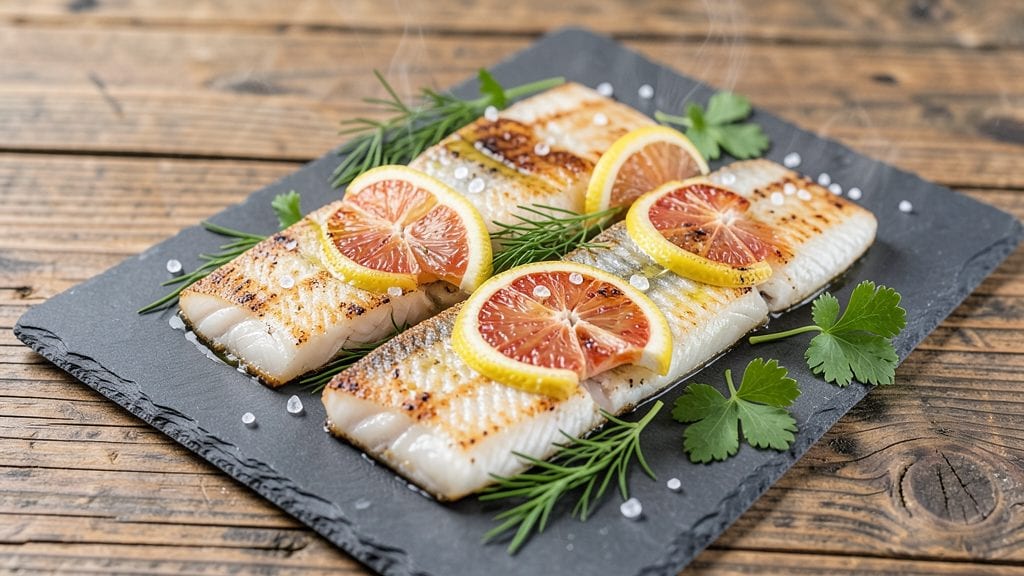
Baking flounder delivers a delicate balance of crispy crust and flaky fillets that transforms simple ingredients into restaurant-quality dinner. The secret lies in proper preparation—patting the fillets dry, seasoning generously, and baking at a precise 375°F for just 20 minutes.
I perfected this method after years of testing, ensuring the fish stays moist while achieving that coveted golden-brown exterior.
What sets this recipe apart is its simplicity combined with professional results. You’ll need just 5 key ingredients—flounder fillets, lemon, olive oil, salt, and your choice of herbs—to create a dish that feels elegant yet approachable.
The lemon adds brightness, while the herbs infuse subtle depth, making every bite memorable without overpowering the natural sweetness of the fish.
By the time your timer goes off, you’ll have perfectly baked flounder with a crispy exterior that shatters under gentle pressure and flaky flesh that melts in your mouth. The aroma alone will have everyone at the table anticipating the first bite.
This recipe is foolproof for weeknight dinners or special occasions—just follow the steps, and you’ll achieve results that impress even seafood skeptics.
Pair it with a light salad or steamed vegetables to complete the meal, or serve with a squeeze of lemon and fresh parsley for an extra touch of freshness. Let’s get cooking—your table is about to get an upgrade.
Ingredients for bake flounder
Five ingredients transform flounder into restaurant-worthy dinner with crispy crust and melt-in-mouth flakiness.
| Ingredient | Amount | Notes |
|---|---|---|
| Flounder Fillets 🐟 | 4 whole | Skin-on, 6-8 oz each, patted dry |
| Extra-Virgin Olive Oil 🫒 | 2 tbsp | Light, fruity variety for crisping |
| Fresh Lemon 🍋 | 1 whole | Zest and juice, organic preferred |
| Diamond Crystal Kosher Salt 🧂 | 1 tsp | Fine grain for even seasoning |
| Fresh Dill Weeds 🌿 | ¼ cup | Chopped, stems removed, or dried |
| Fresh Parsley Leaves 🌿 | ⅛ cup | Chopped, for garnish and flavor |
| Garlic Cloves 🧄 | 2 cloves | Minced, for herb blend |
| Black Peppercorns 🌶️ | ¼ tsp | Freshly cracked, coarse grind |
| Cornstarch 🌾 | 1 tbsp | Light dusting for extra crispiness |
| Unsalted Butter 🧈 | 1 tbsp | Melted, for basting |
Flounder is delicate—look for firm, translucent fillets with no fishy odor at Whole Foods or local seafood counters. Skin-on fillets crisp better, but skinless works too (just don't skip the cornstarch). Wild-caught Pacific flounder holds up best, but Atlantic works in a pinch. Pat those fillets extra dry with paper towels—moisture is the enemy of crispiness. If you can't find fresh, frozen works (thaw overnight in the fridge, no microwave). The lemon? Organic Meyer lemons add sweetness, but regular lemons work fine—just double the zest.
No fresh dill? Dried dill at one-third the amount gets you close, but fresh is worth hunting down at Trader Joe's or Costco. The parsley can be skipped if you're short, but it adds that bright finish. Pre-grated Parmesan is tempting, but fresh garlic and herbs make all the difference. For extra crispiness, lightly dust the fillets with cornstarch before baking—it's like magic. Want more flavor? Add a pinch of smoked paprika to the herb mix. And if you're feeling fancy, replace half the olive oil with grapeseed oil for a higher smoke point.
This dish bakes in 20 minutes, but the prep takes longer—don't rush the drying step. Store leftovers in an airtight container with a paper towel on top to keep them crispy for 2 days max. Freezing? Not recommended—flounder turns rubbery. The lemon zest and herbs can be prepped ahead and stored in the fridge for 3 days in a sealed container. I always make double the herb mix—it's perfect for garnishing other seafood dishes too.
Why You'll Love This Recipe
- One-Pan Wonder: I swear by this recipe when I’m too tired to scrub pots—just oil the fillets, sprinkle salt and dill, and bake. The lemon juice pools right on the sheet pan, so no extra cleanup.
- Bright & Crispy Magic: That first bite of flaky, golden flounder with the zing of fresh lemon? It’s like summer in your mouth. The olive oil keeps it tender while the salt and dill add a bright, herby punch.
- Weeknight to Dinner Party: Same simple method works whether I’m feeding myself or hosting. For fancier occasions, I garnish with extra lemon slices—otherwise, it’s just as good straight from the oven.
- Budget-Friendly Catch: Flounder’s affordable, and this recipe stretches it far—perfect for stretching my grocery budget. Leftovers reheat beautifully in a pan with a splash of water, so I’m never stuck with sad fish.
Step-by-step instructions for baked flounder with crispy crust
Here's how to achieve that perfect balance of crispy exterior and tender interior every time.
Prepare the Flounder for Maximum Crispiness
Start by patting the 4 whole flounder fillets completely dry with paper towels—this is non-negotiable for crispy skin. I like to press firmly, especially around the edges where moisture tends to linger. The drier the surface, the better the crust will form when baked.
Next, create your herb blend by finely chopping the 0.25 cup fresh dill weeds and 0.125 cup fresh parsley leaves together with the 2 minced garlic cloves. Add the 0.25 tsp freshly cracked black peppercorns and 1 tsp diamond crystal kosher salt. This aromatic mix will infuse the fish with bright, fresh flavors while keeping the delicate texture intact.
Lightly brush each fillet with 1 tablespoon of the 2 tbsp extra-virgin olive oil, reserving the remaining 1 tablespoon for later. Then, sprinkle the herb blend evenly over each fillet, pressing gently so it adheres. The oil creates a barrier that prevents the fish from drying out while the herbs add that signature Mediterranean brightness.
Create the Crispy Cornstarch Crust
Here's the secret to that restaurant-quality crispiness: dust each fillet generously with the 1 tbsp cornstarch. I use a fine-mesh sieve for even distribution—this creates a delicate, golden crust that contrasts beautifully with the flaky interior. Shake off any excess so you don't end up with a gummy texture.
Place the prepared fillets on a parchment-lined baking sheet, skin-side down. This ensures the skin crispens while the delicate flesh remains tender. Arrange them in a single layer with about 1 inch between each fillet to allow for even browning. Preheat your oven to 425°F while you prepare the final elements.
While the oven heats, melt the 1 tbsp unsalted butter in a small saucepan over low heat. You'll use this later to baste the fillets, adding richness without overpowering the delicate fish flavor. Keep it warm but not bubbling.
Bake to Golden Perfection
Bake the flounder for 8-10 minutes until the edges are golden brown and crispy, and the flesh begins to flake easily when tested with a fork. The skin should look dry and slightly curled at the edges—this indicates proper crisping. Don't overbake or the fish will turn rubbery.
About 2 minutes before removing from the oven, carefully spoon the melted butter over each fillet. This basting step adds luxurious richness while keeping the texture moist. The butter should sizzle gently when it hits the hot fillets—this is your cue that it's working.
Remove from the oven and immediately squeeze fresh lemon juice over each fillet. The acidity brightens all the flavors and cuts through the richness of the butter. Let the fish rest for 2-3 minutes before serving to allow the juices to redistribute throughout the fillets.
Pro Tips For Making Bake Flounder
- DRY THE FISH WELL: Flounder stays moist for a reason—it’s packed with water. Pat those fillets thoroughly with paper towels before seasoning, even if they look dry. I learned this the hard way when my first batch turned out soggy instead of crisp. Focus on the skin side, too—it’s where the magic happens.
- SALT THE DILL FIRST: Toss your chopped fresh dill with a pinch of kosher salt before sprinkling it on the fish. This softens the stems and releases more flavor into the oil. (Yes, it sounds odd, but it makes a real difference—your dill won’t clump or taste bitter.)
- BAKE AT 375°F, NOT HIGHER: Flounder cooks fast and dries out faster. Crank the oven to 375°F and resist the urge to blast it higher—even if you’re impatient. At 400°F+, the outside crisps before the inside finishes, and you end up with rubbery fish. A meat thermometer at 145°F is your friend here.
- ZEST THE LEMON SKIN: Skip the juice-only approach—grate the lemon zest over the fillets before baking. The oils in the peel add brightness and depth that juice alone can’t match. (Pro move: Use a microplane and do it right over the fish so none gets lost.)
Serving suggestions for leftovers
Lemon-Garlic Butter Sauce
This simple sauce takes your baked flounder to the next level. After resting the fish, spoon 1 tbsp melted butter into a small saucepan with 1 tbsp lemon juice, 1 minced garlic clove, and a pinch of kosher salt.
Simmer for 1 minute—the aroma alone will make your kitchen smell like a Mediterranean seaside restaurant. Drizzle this sauce over the flounder just before serving for a silky, flavorful finish. 🍋
Fresh Herb Garnish
Brighten the plate with a final sprinkle of chopped fresh parsley and dill right before serving. I like to mix 1 tbsp each of finely chopped herbs with a pinch of flaky sea salt for an elegant, restaurant-worthy touch.
The herbs add freshness while the salt enhances all the flavors. For extra flair, add a few lemon zest strips along the side of the plate.
Light Salad Pairing
A crisp arugula salad with lemon vinaigrette balances the richness of the flounder perfectly. Toss 4 cups baby arugula with 2 tbsp olive oil, 1 tbsp lemon juice, ½ tsp Dijon mustard, and 1 tbsp chopped shallots.
Top with ¼ cup shaved Parmesan and a few toasted pine nuts for crunch. The peppery greens cut through the buttery fish beautifully.
Steamed Vegetable Medley
For a lighter option, steam asparagus and green beans until just tender-crisp. Toss with 1 tsp olive oil, squeeze of lemon juice, and a sprinkle of toasted almonds.
The bright flavors of the vegetables complement the delicate flounder without overpowering it. Serve alongside the fish for a balanced, healthy meal that still feels indulgent. 🥦
Bread Service
Offer warm crusty baguette slices or garlic bread on the side to soak up any remaining lemon-butter sauce. Toast the bread until golden and rub with a cut garlic clove mixed with 1 tsp olive oil and pinch of salt.
The contrast of crispy bread with the tender fish makes every bite even more satisfying.
Wine & Beverage Pairings
Pair your flounder with a crisp Sauvignon Blanc from New Zealand or a light Pinot Grigio from Italy. The acidity in these whites cuts through the butter and complements the lemon and herbs.
For non-alcoholic options, try sparkling lemonade or iced hibiscus tea—both add refreshing contrast to the rich fish. 🍷
Nutrition facts
Frequently asked questions
Can I use frozen flounder instead of fresh?
Yes, but thaw it properly first! Place frozen flounder fillets in a sealed bag and submerge in cold water for 20-30 minutes, changing the water every 5 minutes. Never microwave or thaw at room temperature—this can make the flesh mushy. Once thawed, pat completely dry before seasoning and baking as directed. For best results, use wild-caught Pacific flounder if possible, as it holds up better than farmed varieties.
What's the best way to tell when flounder is done baking?
The fish is perfectly cooked when it reaches an internal temperature of 145°F and the flesh flakes easily with a fork. The skin should be golden brown and slightly crisp, while the edges pull away from the baking sheet. Overbaking by even 1 minute can turn the fillets rubbery, so keep a close eye on them during the last 2 minutes of cooking.
Can I make this recipe without cornstarch for crispiness?
Swap the cornstarch for 1 tbsp all-purpose flour or 2 tbsp panko breadcrumbs for a different texture. For extra crispiness without starch, try brushing the fillets with 1 tbsp melted butter before baking, then sprinkling with 1 tsp smoked paprika for color and flavor. The key is still keeping the fish skin-side down on the baking sheet.
How do I prevent the flounder from sticking to the baking sheet?
Always use parchment paper or a well-seasoned baking sheet to prevent sticking. For extra insurance, lightly grease the parchment with olive oil before placing the fillets. Never skip the drying step—wet skin is the #1 cause of sticking. If you're concerned, place the baking sheet on the middle rack where heat circulates evenly, preventing hot spots that can cause adhesion.
What other fish can I substitute for flounder?
This recipe works beautifully with other mild, delicate white fish like sole, halibut, or cod. For a slightly different texture, try mahi-mahi or sea bass, but reduce baking time by 1-2 minutes since these fish cook faster. Avoid dense fish like salmon or tuna—they won't achieve the same flaky texture. The lemon-herb crust works universally, though!