
Sauces & Condiments
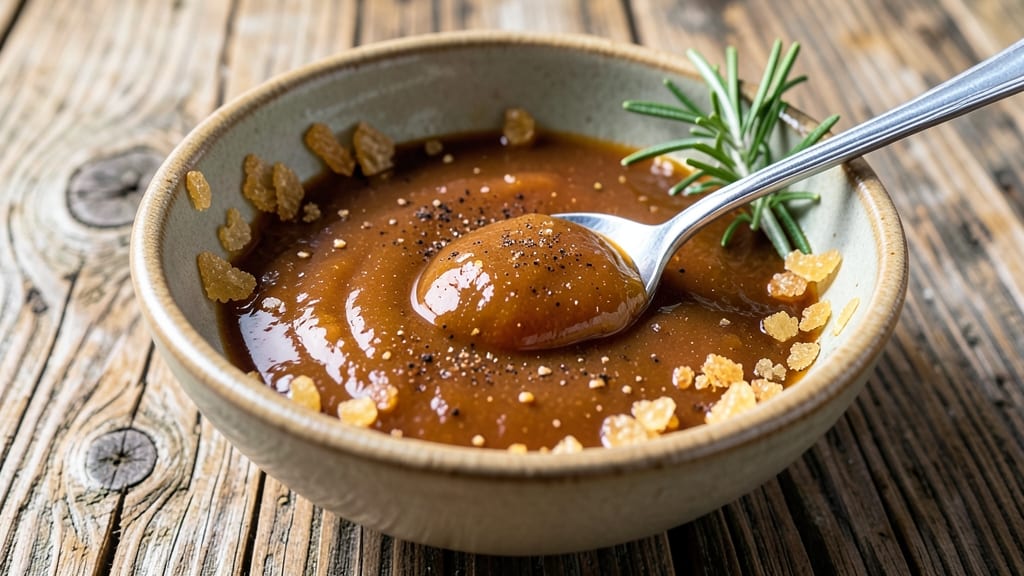
This tropical BBQ sauce recipe transforms traditional smoky flavors into a vibrant, sweet-tangy glaze that clings perfectly to every bite. 🌟 The secret lies in pineapple juice, which adds a bright, fruity depth that balances the richness of tomato and molasses while keeping the sauce naturally sticky.
I developed this after craving something more complex than store-bought versions—something with real texture and layers of flavor.
The foundation starts with a simple tomato base, where you'll simmer crushed tomatoes, apple cider vinegar, and brown sugar until thickened. Pineapple juice joins later, infusing the sauce with its signature tropical sweetness while preventing it from becoming overly syrupy.
A blend of spices—smoked paprika, garlic powder, and a pinch of cayenne—ensures warmth without overpowering the fruit-forward profile.
What makes this sauce truly special is its versatility. The tropical sweetness elevates grilled meats like ribs and chicken, while the slight tang cuts through richness. It also works beautifully on baked wings, roasted vegetables, or even as a glaze for tofu.
The sauce thickens as it cools, creating that perfect balance between pour-ability and clinginess.
Store any leftovers in the fridge for up to 2 weeks, or freeze for 3 months—though it rarely lasts that long. The flavors develop even more over time, making it ideal for meal prep. Ready to create a sauce that stands out? Let’s get simmering.
Ingredients for bbq sauce recipe with pineapple juice
These ten ingredients create a tropical BBQ sauce with bold flavors that stick perfectly to every bite.
| Ingredient | Amount | Notes |
|---|---|---|
| Crushed Tomatoes (46 oz can) 🍅 | 1 can | San Marzano preferred for sweetness |
| Pineapple Juice (100% pure, no sugar added) 🍍 | 1 cup | Freshly squeezed preferred |
| Apple Cider Vinegar 💧 | ¼ cup | Bragg preferred for tang |
| Light Brown Sugar 🍚 | ½ cup | Packed for accuracy |
| Smoked Paprika 🌶️ | 1 tbsp | High-quality for smoky depth |
| Garlic Powder 🧄 | 1 tsp | Freshly ground preferred |
| Ground Cayenne Pepper 🔥 | ½ tsp | Adjust for heat preference |
| Molasses 🍯 | 2 tbsp | Unsulphured for best flavor |
| Kosher Salt 🧂 | 1 tsp | Diamond Crystal preferred |
| Black Pepper 🌶️ | ½ tsp | Freshly cracked preferred |
The crushed tomatoes are the heart of this sauce—San Marzano makes all the difference with its sweet, meaty texture. Grab a 46 oz can from the international aisle at Whole Foods or Trader Joe's if you can, but regular brands work fine. Pineapple juice should be 100% pure with no added sugar; Dole or Del Monte are reliable choices. For the vinegar, Bragg adds a nice depth of tang that cuts through the sweetness beautifully. The brown sugar needs to be packed—don't scoop it loosely or you'll end up with a thinner sauce. As for spices, Penzeys has fantastic smoked paprika if you want to splurge, but the store brand works just as well for everyday use.
No pineapple juice? Mango nectar or orange juice can work in a pinch, though the flavor will be slightly different. Running low on molasses? Maple syrup at half the amount gives a similar depth, though it'll be less rich. The smoked paprika is non-negotiable for that BBQ flavor, but if you can't find it, regular paprika plus a pinch of liquid smoke gets you close. For heat, reduce the cayenne to 1/4 tsp if you're sensitive to spice. The sauce thickens as it cools, so if it feels too thin while warm, simmer uncovered for another 5-10 minutes. And if you're feeling fancy, add a 1/4 tsp of ground cinnamon for warmth—it pairs surprisingly well with the tropical flavors.
This sauce keeps beautifully—2 weeks in the fridge or 3 months in the freezer. For freezing, use ice cube trays so you can grab just what you need without thawing the whole batch. The flavors actually improve over time, so it's perfect for meal prep. If you make a big batch, portion it into small jars or containers so you always have some ready to go. The sauce thickens as it sits, so give it a quick stir before using if it's been refrigerated. Trust me, the first time you pull this out of the freezer and it's still vibrant and sticky, you'll be hooked.
Why You'll Love This Recipe
- Pantry Magic: I swear, this sauce comes together with stuff you already have. Open a can of tomatoes, pour in pineapple juice, and stir—no fancy ingredients, no last-minute grocery runs. The brown sugar and vinegar balance the tangy sweetness so effortlessly, it’s almost unfair how simple it is.
- Tropical Tang: That pineapple juice? It’s the secret weapon. The natural acidity cuts through the richness of the tomatoes, while the smoky paprika adds depth without overpowering. Honestly, it’s the kind of flavor that makes you reach for seconds just to taste it again.
- Weeknight Workhorse: Slather it on grilled chicken for dinner, toss it with roasted veggies for lunch, or even drizzle it over breakfast tacos. Between us, I’ve used this sauce more times than I can count—it’s my go-to for anything that needs a little sweet, smoky punch. (Yes, even on a Tuesday night.)
- Budget-Friendly Batch: A single can of tomatoes and a bottle of pineapple juice stretch to so many meals. The leftovers keep for weeks in the fridge, and I’ve frozen jars for months without losing a drop of flavor. Not the prettiest, but the taste makes up for it—and my wallet thanks me.
Step-by-step instructions for tropical BBQ sauce
Here's how to craft a bold, balanced sauce that marries smoky heat with sweet pineapple brightness.
🍳 Step 1: Build the Flavor Base
In a large, heavy-bottomed saucepan, combine the 1 can crushed tomatoes, 1 cup pineapple juice, and 0.25 cup apple cider vinegar. I like to use a saucepan with a lid because we'll be simmering for a while, and you want to minimize evaporation of those precious pineapple aromas. Bring the mixture to a gentle boil over medium-high heat, then immediately reduce to a low simmer.
Let it cook uncovered for 15 minutes while you prepare the remaining ingredients. This initial simmer helps break down the tomatoes and develop their natural sweetness. You'll notice the sauce starts to thicken slightly and the pineapple's tang becomes more pronounced—this is your foundation, so don't rush this step.
👨🍳 Step 2: Add Sweetness and Depth
Stir in the 0.5 cup light brown sugar, 2 tbsp molasses, 1 tbsp smoked paprika, 1 tsp garlic powder, 0.5 tsp ground cayenne pepper, 1 tsp kosher salt, and 0.5 tsp black pepper. The molasses and brown sugar will dissolve quickly, but give everything a good stir to ensure the spices are evenly distributed. Here's where the magic happens—I always taste at this stage to check the balance. You should detect sweetness from the pineapple and sugar, a hint of smokiness from the paprika, and just a touch of heat from the cayenne.
Return the sauce to a simmer and cook uncovered for 20-25 minutes. You're looking for the sauce to reduce by about one-third—it should coat the back of a spoon but still be pourable. If it thickens too quickly, add 1-2 tablespoons of water to maintain the right consistency. The pineapple juice will caramelize slightly, deepening its flavor and creating that signature tropical sweetness.
⏰ Step 3: Simmer to Perfection
Continue simmering for another 15-20 minutes until the sauce reaches your desired thickness. I like mine to be syrupy but still spreadable—think of it like a thick ketchup consistency. The longer you cook it, the more concentrated the flavors become, but don't let it reduce too much or it'll turn into a glaze. You'll know it's ready when the sauce clings to the back of a spoon and the pineapple aroma is intense and inviting.
Here's a pro tip: Skim off any foam that rises to the surface during cooking. This keeps your sauce clean and prevents bitterness from developing. Once the sauce reaches the right consistency, remove it from heat and let it cool for 5 minutes. This resting period allows the flavors to meld completely and makes it easier to blend if you choose to do so later.
🥘 Step 4: Finish and Store
For a smoother sauce, transfer the warm mixture to a blender and blend until completely smooth. If you prefer a slightly textured sauce, just give it a quick stir with a whisk or immersion blender. Taste again and adjust the seasoning if needed—you might want to add a pinch more salt or cayenne to taste. The sauce should be bold, sweet, and slightly spicy with a deep, smoky undertone.
Let the sauce cool completely before transferring it to a clean, airtight jar. It'll keep in the refrigerator for up to 3 months, though I usually use it up within a few weeks. This sauce is incredible on grilled meats, as a marinade, or even drizzled over roasted vegetables. The pineapple juice gives it a unique twist that sets it apart from traditional BBQ sauces—trust me, your taste buds will thank you.
Pro Tips For Making Bbq Sauce Recipe With Pineapple Juice
- Simmer Slow and Steady: I used to crank the heat high to rush this sauce, but that turns the pineapple juice bitter and the tomatoes mealy. Keep it at a gentle boil—small bubbles, just enough to keep things moving—so the flavors meld instead of fighting each other. Thirty minutes on medium-low is all it needs.
- Strain the Tomatoes: That 46 oz can of crushed tomatoes? Skim off the floating bits and strain it through a fine-mesh sieve first. You’ll end up with a smoother sauce, and no one wants grainy texture lurking in their BBQ. (Yes, even if you’re lazy—this takes two minutes.)
- Balance the Sweet Early: Taste the sauce before adding all the brown sugar. The pineapple juice is already sweet, and if you dump in the full amount upfront, you’ll end up with syrup. Add half the sugar first, let it simmer 10 minutes, then adjust. Trust me, your taste buds will thank you later.
- Boost with a Spice Bomb: Skip the pre-mixed BBQ spice blends—they’re hit-or-miss. Instead, toast 1 tsp of smoked paprika in a dry pan for 30 seconds until fragrant, then whisk it into the sauce. The nutty depth cuts through the pineapple’s brightness and makes the whole dish sing. (Pro move: Add a pinch of cayenne if you like heat.)
Flavor customization for this recipe
Sweetness Levels
Adjust the pineapple juice to sugar ratio based on your sweetness preference. For a more tropical flavor, increase the pineapple juice to 1 cup + 2 tbsp and reduce brown sugar to 0.35 cup.
If you prefer a classic BBQ sweetness, cut the pineapple juice to 0.75 cup and add 2 tbsp extra molasses for depth. I find the 1:1 ratio (1 cup pineapple juice to 0.5 cup brown sugar) strikes the perfect balance—bright yet not cloying. 🍍
Heat Adjustments
The 0.5 tsp cayenne provides a subtle kick, but you can modify it to taste. For mild heat, reduce to 0.25 tsp or swap for 0.5 tsp smoked paprika. If you love spice, add 0.25 tsp chipotle powder or 1/8 tsp red pepper flakes for smoky depth.
Always taste after simmering—heat intensifies as the sauce reduces. Pro tip: Let the sauce cool slightly before tasting to avoid burning your tongue. 🔥
Tangy Variations
Swap the apple cider vinegar for other tangy options to change the profile. For bright acidity, use 0.25 cup lime juice (add at the end to preserve freshness). For umami depth, replace with 0.25 cup Worcestershire sauce—it adds a savory note that pairs beautifully with the pineapple.
I’ve also used 0.125 cup rice vinegar + 0.125 cup lemon juice for a cleaner tang. Adjust seasonings after substituting, as vinegar and citrus vary in strength. 💧
Smoky Depth
Boost the smokiness with liquid smoke or extra spices. Add 0.5 tsp liquid smoke (like La Choy) for an instant campfire flavor, or increase the smoked paprika to 1.5 tbsp.
For a charred depth, char 1/4 cup onions in a dry pan until blackened, then blend into the sauce. This works especially well if you’re using the sauce on grilled meats—it mimics the natural caramelization from the grill. 🌶️
Fruit Infusions
Enhance the tropical vibe with fruit purées or zests. Stir in 2 tbsp mango purée or 1 tbsp orange zest during the final 5 minutes of simmering. For a citrusy kick, add 1 tbsp fresh lime juice at the end.
If you’re feeling adventurous, muddle 2 tbsp fresh ginger into the saucepan after the initial simmer—it adds a zesty warmth that complements the pineapple beautifully. 🍊
Thickness Control
This sauce thickens as it cools, but you can adjust consistency during cooking. For a thicker glaze, simmer uncovered for 5-10 extra minutes or reduce the pineapple juice to 0.75 cup. For a thinner, brush-on sauce, add 1-2 tbsp water at the end.
If the sauce separates (like a split sauce), whisk in 1 tbsp cornstarch slurry (mix 1 tbsp cornstarch + 1 tbsp water) and simmer for 2 minutes to restore smoothness. 🥄
Nutrition facts
Frequently asked questions
Can I substitute fresh pineapple for pineapple juice in this BBQ sauce?
Fresh pineapple works but requires extra steps. Blend 1 cup fresh pineapple chunks (peeled and cored) with 2 tbsp water to yield about 1/2 cup juice. Strain through a fine-mesh sieve to remove pulp, then use the juice as directed. The texture will be slightly thicker, so you may need to add 1-2 tbsp water during simmering to maintain consistency.
How does this tropical BBQ sauce differ from traditional BBQ sauces?
The pineapple juice adds a bright, fruity sweetness that traditional sauces lack. While classic BBQ sauces rely on heavy molasses and vinegar for depth, this version balances smoky paprika with tropical brightness. It's less sticky than ketchup-based sauces but still clings beautifully to grilled meats—perfect for those who want bold flavor without overwhelming sweetness.
What's the best way to use this sauce on ribs?
Apply it in layers for maximum flavor. Brush a thin coat on ribs during the last 30 minutes of cooking, then reapply after wrapping (if using the 3-2-1 method). For extra stickiness, mix 1 tbsp cornstarch with 2 tbsp water and stir into the sauce before the final application—this creates a glossy finish that caramelizes beautifully on the grill.
Will this sauce work for vegetarian dishes?
The tropical flavors shine on grilled tofu, portobello mushrooms, or even as a dipping sauce for veggie skewers. For extra umami, add 1 tbsp soy sauce or 1/2 tsp liquid smoke to the finished sauce. The pineapple's acidity also helps tenderize vegetables during grilling, making it a great marinade component too.
Why did my sauce turn out too thin?
This usually happens from one of three issues: insufficient simmering time, too much pineapple juice, or not enough sugar to thicken. For next time, simmer uncovered for 5-10 extra minutes or reduce the pineapple juice by 2 tbsp. If it's still too thin, mix 1 tbsp cornstarch with 1 tbsp cold water, stir into the sauce, and simmer for 2 minutes to restore thickness.