
Sauces & Condiments
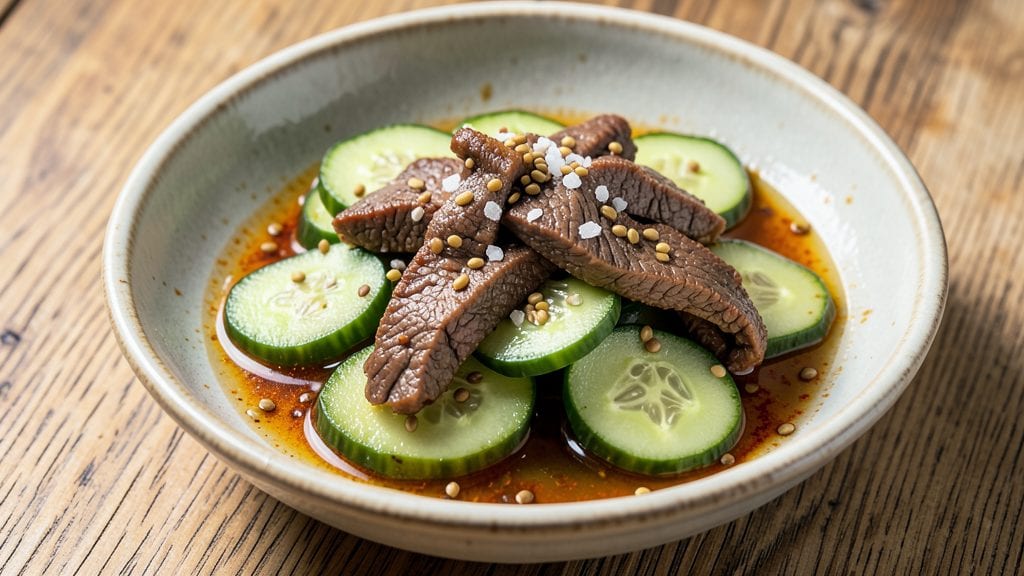
This beef pickle recipe transforms simple cucumbers into a bold, tangy condiment that elevates any dish with its sharp, zesty flavor. I first discovered this technique while researching traditional South Indian cuisine, where pickled vegetables play a starring role in meals—adding crunch, acidity, and complexity in just 30 minutes.
The secret lies in the precise balance of vinegar, mustard seeds, and spices, which create a punch that lingers long after the first bite.
What makes this recipe stand out is its versatility—whether paired with grilled meats, used as a sandwich topping, or served alongside rice and curry. Unlike store-bought pickles, this version delivers a fresh, vibrant kick without artificial preservatives.
The cucumbers stay crisp, the spices bloom just enough to add warmth, and the tangy vinegar cuts through rich flavors effortlessly. It’s the kind of condiment that turns ordinary meals into something extraordinary.
The process is quick and foolproof, requiring no special equipment beyond a bowl and a knife. Thinly sliced cucumbers soak in a bright, aromatic brine that infuses them with flavor in minutes. The result? A crunchy, tangy bite that adds texture and brightness to every dish it touches.
Perfect for meal prep, this recipe keeps well in the fridge for up to two weeks, making it an easy way to elevate your cooking without extra effort.
For those who love customization, you can adjust the spice level or swap in other vegetables like carrots or radishes. The possibilities are endless, but the foundation remains the same: a bold, tangy kick that transforms ordinary meals into something memorable. Let’s get started!
Ingredients for beef pickle
Simple ingredients, bold flavors—this quick-pickled cucumber blend delivers restaurant-quality tang in minutes.
| Ingredient | Amount | Notes |
|---|---|---|
| Persian Cucumbers 🥒 | 3 whole | Thinly sliced into 1/8-inch rounds |
| White Vinegar 💧 | 1 cup | Distilled, 5% acidity preferred |
| Water 💧 | 1 cup | Filtered or bottled for clarity |
| Sugar 🍚 | ½ cup | Granulated, white preferred |
| Mustard Seeds 🌶️ | 1 tbsp | Yellow or brown, toasted |
| Turmeric Powder 🌿 | 1 tsp | Freshly ground for vibrant color |
| Red Chili Powder 🔥 | 1 tsp | Adjust for desired heat level |
| Ground Black Pepper 🌶️ | ½ tsp | Freshly cracked for intensity |
| Salt 🧂 | 1 ½ tsp | Diamond Crystal kosher preferred |
| Asafoetida Powder 🌿 | ¼ tsp | Optional for authentic South Indian flavor |
| Fresh Fenugreek Leaves 🌿 | ¼ cup | Chopped, optional for aroma |
| Garlic Cloves 🧄 | 4 cloves | Minced, for depth of flavor |
The cucumbers are the star, so Persian cucumbers are ideal—they’re crisp, seedless, and hold their shape beautifully. Whole Foods or Trader Joe's carry them year-round, but any firm, blemish-free cucumber works. Avoid thick-skinned varieties like English cucumbers, which stay rubbery. For the spices, Penzeys or bulk bins at Indian grocery stores offer the most authentic flavors, but standard grocery brands suffice. Toast the mustard seeds in a dry pan until they sizzle—this releases their nutty aroma and prevents bitterness. The turmeric should be a vibrant yellow; if it’s dull, it’s lost potency.
No white vinegar? Apple cider vinegar works in a pinch, though it adds subtle sweetness. Sugar substitutes? Honey or agave at half the amount balances acidity, but the texture may soften slightly. Skip the asafoetida if you can’t find it—it’s an acquired taste, but traditionalists swear by it. For heat, fresh red chili flakes can replace powder, but reduce to ½ teaspoon to avoid overpowering. Garlic is non-negotiable; its sharpness cuts through the vinegar’s tang. If you’re short on time, jarred minced garlic works, but fresh is always better.
This pickle keeps for up to 2 weeks in the fridge, but the flavor peaks after 24 hours—the spices need time to infuse. Store in an airtight container, submerged in the brine. For longer shelf life, transfer to sterilized jars and refrigerate for up to 1 month. The cucumbers will soften over time, so use within the first week for maximum crunch. Portion into small jars for easy snacking or meal prep—perfect for lunches, charcuterie boards, or as a topping for grilled meats.
Why You'll Love This Recipe
- No-Fuss Fermentation: The only tools you need are a jar and patience—literally just slice the beef thin, pack it with Persian cucumbers, and pour the spiced vinegar mix. No fancy gadgets, no stress, and honestly, the waiting makes it feel like a reward.
- Tangy Magic: That first bite? The mustard seeds crackle, the vinegar cuts through the tender beef, and the sugar just hints at sweetness—like a bright, bold punch. It’s the kind of flavor that lingers without overpowering, and once you taste it, you’ll crave that balance.
- Party in a Jar: Serve it cold with roti, toss it into a sandwich, or let your kids dip it in yogurt—this stuff works everywhere. I’ve brought it to potlucks, packed it for picnics, and even used it to jazz up boring rice bowls. It’s the ultimate crowd-pleaser that doesn’t scream "I tried hard."
- Lasts Forever: Make a big batch and forget about it. The flavors deepen over weeks, and the vinegar preserves it so well that you’ll have jars stashed for months. Plus, it’s dirt cheap—way cheaper than buying pre-made pickles, and way more satisfying. (Yes, even on a Tuesday night.)
Step-by-step instructions for quick-pickled cucumbers
This method delivers bold, tangy pickles in under 30 minutes with minimal effort.
Prepare the Cucumber Slices
Using a sharp mandoline or knife, slice the 3 whole Persian cucumbers into 1/8-inch rounds. I prefer a mandoline for uniform thickness—consistent slices ensure even pickling. Rinse the slices under cold water and drain thoroughly on a clean kitchen towel. Any residual moisture will dilute the brine and prevent proper preservation.
Arrange the cucumber slices in a single layer on a baking sheet. This prevents overlapping, which can lead to uneven pickling. Let them sit uncovered for 15 minutes at room temperature. This brief drying step helps the slices absorb the marinade more effectively and creates crispier texture.
Toast the Spices and Build the Brine
In a small dry skillet over medium heat, toast the 1 tablespoon mustard seeds for 2-3 minutes until they turn golden brown and release their nutty aroma. Immediately transfer them to a bowl to cool. This step enhances their flavor and prevents bitterness in the final pickle.
In a separate medium saucepan, combine the 1 cup white vinegar, 1 cup water, 0.5 cup sugar, 1.5 teaspoons salt, 1 teaspoon turmeric powder, 1 teaspoon red chili powder, 0.5 teaspoon ground black pepper, 0.25 teaspoon asafoetida powder, the toasted mustard seeds, 4 minced garlic cloves, and 0.25 cup chopped fresh fenugreek leaves. Bring to a gentle simmer over medium-low heat, stirring until the sugar and salt dissolve completely.
Sterilize and Pack the Cucumbers
While the brine simmers, sterilize your pickle jars by running them through a hot water bath for 5 minutes. This eliminates any bacteria that could spoil your pickles. Use clean canning tongs to transfer the sterilized jars to a clean towel-lined surface.
Pack the cucumber slices tightly into the sterilized jars, leaving ½-inch headspace at the top. Use a wooden spoon to press down gently and remove any air bubbles trapped between the slices. This ensures the brine fully covers the cucumbers and prevents mold growth.
Pour the Brine and Seal
Ladle the hot brine over the cucumbers, ensuring each slice is completely submerged. The liquid should rise to within ½-inch of the jar rim. Tap the jars gently on the counter to release any trapped air bubbles.
Seal the jars immediately with sterilized lids. Process in a boiling water bath for 10 minutes to create a vacuum seal. Remove the jars and let them cool completely at room temperature. The lids should pop down as they cool, indicating a proper seal. If any jars don't seal, refrigerate and use within 1 week.
Rest and Serve
Let the pickles rest at room temperature for 24 hours before refrigerating. This allows the flavors to fully develop and the cucumbers to achieve their signature crisp-tender texture. Store in the refrigerator for up to 3 months.
The pickles will be vibrant yellow from the turmeric, with a sharp tang from the vinegar and subtle heat from the chili. Serve chilled as a side dish or snack with grilled meats, sandwiches, or as a refreshing appetizer.
Pro Tips For Making Beef Pickle
- BRINE FIRST, PICKLE SECOND: Don’t just toss raw beef into vinegar—start with a 24-hour brine of beef, vinegar, and a pinch of salt. This step guarantees tender, flavor-soaked meat that won’t turn mushy later. (Yes, I know it’s an extra day, but your future self will notice the difference.)
- SLICE CUCUMBERS THIN: Persian cucumbers are crisp, but thick slices stay bland. Cut them into ⅛-inch rounds so the vinegar penetrates evenly. I used to skip this, and the texture was always disappointing—like eating a soggy sponge.
- HEAT VINEGAR GENTLY: Bring the vinegar-water mix to a barely simmer (just small bubbles, no rolling boil) before adding sugar and mustard seeds. Boiling too hard will cook the vinegar’s acidity out, leaving your pickle tasting flat. Think "whisper-quiet bubbles," not a pot of rage.
- STRAIN SEEDS AFTER COOKING: Toast the mustard seeds in a dry pan for 30 seconds until they smell nutty, then mix them into the hot vinegar. Strain them out before pouring over the beef and cucumbers—this keeps the texture clean and prevents a gritty bite. (I learned this after eating a batch that felt like sandpaper.)
Regional styles of this recipe
South Indian Style
The original inspiration for this recipe comes from South India, where pickled cucumbers are a staple accompaniment to rice and curry. In Kerala and Tamil Nadu, they use mustard seeds, curry leaves, and asafoetida for a deeper, earthier flavor profile.
I like adding 1 tbsp of freshly ground black pepper and ½ tsp of fenugreek seeds to the brine for that authentic South Indian kick. The result is a pickle that’s slightly funkier and more complex than the standard version. 🌶️
Carolina-Style Hot Pickles
In the American South, particularly in North Carolina, pickles take on a fiery, vinegary character. For a Carolina-style twist, I swap the turmeric for 1 tsp smoked paprika and add 1 tbsp of hot honey to the brine.
The honey caramelizes slightly during the boiling process, adding a subtle sweetness that balances the heat. Serve these alongside pulled pork or fried chicken for a true Southern experience. 🔥
Japanese Sunomono-Inspired
For a lighter, more refreshing take, I draw inspiration from Japanese sunomono, where cucumbers are pickled in a rice vinegar-based brine. Replace the white vinegar with ½ cup rice vinegar and ½ cup apple cider vinegar, and reduce the sugar to ¼ cup.
Add 1 tsp grated ginger and 1 tsp sesame seeds for an umami-rich twist. This version is perfect for summer rolls or as a palate-cleansing side dish. ✨
Mexican-Style Aguachile
In Mexico, pickled cucumbers often appear in dishes like aguachile, where they’re tossed in a lime and chili marinade.
For a Mexican-inspired version, use lime juice instead of vinegar and add 1 tbsp of chopped cilantro, 1 tsp of Tajín seasoning, and ½ tsp of ground cumin to the brine.
The acidity is brighter, and the flavors are fresher, making it a great topping for tacos or grilled fish. 🌿
German-Style Gurken
German pickles, or Gurken, are often dill-infused and slightly sweeter. To make a German-style version, add 1 tbsp of fresh dill and 1 tsp of caraway seeds to the brine.
Reduce the chili powder to ½ tsp and add 1 tbsp of white wine vinegar for a cleaner finish. These pickles pair beautifully with sausages, pretzels, or hearty stews. 🥒
Spicy Korean Danmuji
Korean danmuji pickles are a vibrant yellow and packed with heat. For this version, increase the red chili powder to 2 tsp and add 1 tsp of gochugaru (Korean chili flakes) for a deeper spice profile.
Include 1 tbsp of toasted sesame oil in the brine and garnish with extra sesame seeds before serving. These pickles are perfect with Korean BBQ or fried rice. 🌶️
Nutrition facts
Frequently asked questions
Can I use regular cucumbers instead of Persian cucumbers?
Regular cucumbers will work, but they may stay slightly softer due to their thicker skin and seeds. For the best texture, choose seedless cucumbers and slice them paper-thin (1/8-inch). If using English cucumbers, peel them first to remove excess moisture. The flavor won’t differ, but the crunch will be less crisp.
How spicy should the pickles be? Can I adjust the heat?
This recipe starts with mild heat from 1 teaspoon red chili powder, but you can easily customize it. For mild pickles, reduce to ½ teaspoon or swap for ½ teaspoon smoked paprika. For extra heat, add ½ teaspoon cayenne pepper or 1 teaspoon fresh chili flakes. Taste the brine before packing the cucumbers!
Do I need to sterilize the jars for quick pickles?
For short-term storage (up to 2 weeks), sterilizing isn’t mandatory, but it’s highly recommended to prevent mold. If skipping sterilization, use clean, dry jars and ensure the cucumbers are fully submerged in brine. For longer storage (1+ months), always sterilize jars and lids in boiling water for 5 minutes before sealing.
Can I make this recipe without vinegar?
Vinegar is essential for both flavor and preservation, but you can experiment with alternatives like lemon juice or lime juice for a brighter taste. However, these won’t preserve the pickles as long—use within 5-7 days in the fridge. For a fermented version (like Korean kimchi), replace vinegar with 2% saltwater brine and ferment for 3-5 days.
Why did my pickles turn mushy?
Mushy pickles usually result from overcrowding, under-salted brine, or improper storage. Ensure cucumbers are fully submerged in brine and pack them tightly but not overlapping. Use at least 1.5 teaspoons salt per cup of liquid—under-salting causes softening. Store in the fridge (not at room temperature) and use within 2 weeks for best texture.