
Main Courses
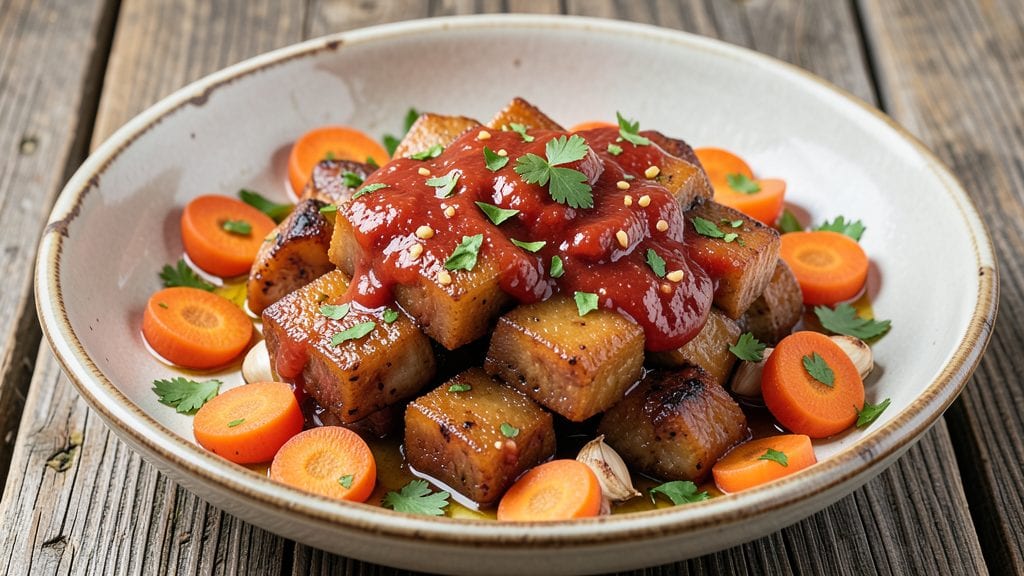
This best tripe recipe transforms tough, chewy tripe into melt-in-your-mouth bites through a slow-cooking process that builds rich, herby depth. After years of perfecting offal dishes—starting with my grandmother’s Sunday roast chicken—I finally cracked the code for tripe that’s tender enough to please even the most skeptical eaters.
The secret lies in proper soaking and a vinegar-herb marinade that tenderizes while infusing flavor.
What sets this recipe apart is the balance between tradition and simplicity. Most tripe preparations either overlook the essential soaking step or rely on overly complicated techniques.
Here, we focus on a foolproof method that delivers restaurant-quality results in your home kitchen, using just a few key ingredients and 3 hours of hands-off cooking time. The vinegar and herbs work together to break down the connective tissue, while slow simmering ensures the tripe stays moist and flavorful.
By the time you’re done, you’ll have tripe that’s tender, aromatic, and packed with savory depth—perfect for serving alongside crusty bread, roasted potatoes, or a simple green salad.
The dish carries a rustic charm that makes it ideal for family dinners or impressing guests without the fuss of elaborate preparations. This is tripe the way it should be enjoyed: simple, satisfying, and full of character.
For those new to cooking with offal, don’t let the initial prep intimidate you—the soaking and cleaning steps are manageable, and the payoff is worth every minute. Once you master this recipe, you’ll never buy store-bought tripe again. Let’s get started on creating something truly special.
Ingredients for best tripe
The secret to melt-in-your-mouth tripe lies in these 13 ingredients—simple yet transformative.
| Ingredient | Amount | Notes |
|---|---|---|
| Tripe (Honeycomb or Blanket) 🥩 | 1 ½ lb | Fresh or frozen, cleaned and trimmed |
| White Vinegar 💧 | 2 cups | For soaking and marinade |
| Fresh Bay Leaves 🌿 | 4 whole | For aromatic depth |
| Garlic Cloves 🧄 | 8 cloves | Peeled, smashed for infusion |
| Fresh Parsley 🌿 | ½ cup | Chopped, stems removed |
| Carrots 🥕 | 3 whole | Medium size, peeled and sliced |
| Yellow Onion 🧅 | 1 whole | Medium size, quartered |
| Olive Oil 🫒 | ¼ cup | Extra-virgin for finishing |
| Salt 🧂 | 2 tbsp | Diamond Crystal kosher preferred |
| Black Peppercorns 🌶️ | 1 tbsp | Freshly cracked for texture |
| Red Wine Vinegar 🍷 | ¼ cup | For acid balance |
| Fresh Thyme 🌿 | ¼ cup | Leaves only, chopped |
| Crusty Bread 🍞 | 1 loaf | For serving, optional |
| Fresh Lemon Juice 🍋 | 2 tbsp | Brightens final flavor |
Tripe is the star, so source it fresh from a butcher—most grocery stores carry it pre-cleaned, but specialty markets like Whole Foods or local farmers' markets often have better quality. Look for honeycomb or blanket cuts—they're more flavorful. If using frozen, thaw it overnight in the fridge. The vinegar is non-negotiable; it's what breaks down the tough fibers. White vinegar works best for soaking, while red wine vinegar adds complexity later. Fresh herbs like parsley and thyme are worth the extra cost—they make all the difference in the final aroma. I always grab a bunch of parsley and just use half, saving the rest for garnishes.
No fresh bay leaves? Dried work at one-third the amount, but fresh infuses deeper flavor. Short on time? Pre-minced garlic from the jar saves steps, though fresh is ideal. The carrots can be baby carrots if that's what's handy, but whole carrots add better texture. For the vinegar, apple cider vinegar works in a pinch, though it has a distinct tang. The crusty bread is optional but essential for soaking up the herby broth—baguette or sourdough from a good bakery is perfect. If you're feeling adventurous, swap the red wine vinegar for a splash of dry sherry for a richer finish.
This dish tastes even better the next day, so make extra—it keeps for 5 days in the fridge, or 3 months frozen. Store the tripe and sauce separately; reheat gently in a pot with a splash of water. The crusty bread? Toast it fresh before serving—it soaks up the broth like a dream. For a restaurant-worthy touch, drizzle with extra-virgin olive oil and a sprinkle of fresh parsley right before serving. Trust me, the effort is worth every bite.
Why You'll Love This Recipe
- One-Pot Magic: I swear, this is the kind of dish where you walk away from the stove and come back to something that smells like a warm hug. The vinegar does the heavy lifting—soaking and tenderizing the tripe while you chop garlic and tear parsley like you’re in a cooking competition you don’t need to win.
- Garlic-Parsley Punch: Between us, that first bite of crisp-tender tripe with the bright garlic and parsley? It’s the kind of flavor that makes you pause mid-chew, like, “Wait, this is actually good.” The bay leaves add this earthy depth that turns “simple” into “restaurant-worthy” without trying too hard.
- Weeknight or Weekend: Honestly, this recipe doesn’t judge. It’s my go-to when I’m too tired for fuss but still want something hearty—perfect for a lazy Sunday brunch or a last-minute dinner when the takeout menu feels like too much effort. Reheats like a dream, too.
- Budget Flexibility: Blanket tripe is cheap, and a single pound stretches across three meals for my family of four. I’ll be real: the vinegar soak makes it taste luxurious, but the price tag stays humble. Plus, leftovers? They’re the best kind—better the next day, no question.
Step-by-step instructions for slow-cooked tender tripe
Transform tough tripe into melt-in-your-mouth bites using this precise slow-cooking method.
Prepare the Tripe for Maximum Tenderness
Begin by rinsing the 1.5 lb tripe (honeycomb or blanket) under cold water to remove any remaining impurities. This is critical—tripe absorbs flavors better when clean. Using a sharp knife, trim away any silver skin or connective tissue that doesn't slice easily. For honeycomb tripe, cut into 1-inch squares; for blanket tripe, slice into ½-inch strips. The goal is uniform pieces that cook evenly.
Place the prepared tripe in a large bowl and cover with the 2 cups white vinegar. Let it soak for 2 hours at room temperature. This acid bath breaks down the collagen, creating that signature tender texture. Real talk: don't skip this step—it's what transforms tough tripe into something luxurious. After soaking, drain and rinse the tripe thoroughly under cold water, then pat dry with paper towels.
Build the Aromatic Base for Deep Flavor
In a Dutch oven, heat the 0.25 cup olive oil over medium heat. Add the 1 whole yellow onion (quartered) and 3 whole carrots (sliced) and sauté for 8 minutes until softened and beginning to caramelize. This develops the sweet foundation of your dish. Next, add the 8 cloves garlic cloves (smashed) and 0.25 cup fresh thyme leaves, cooking for 1 minute until fragrant—this is where the magic happens.
Stir in the 2 tbsp salt and 1 tbsp black peppercorns (freshly cracked), distributing them evenly. Here's the thing—these seasonings need time to penetrate the tripe during cooking. Add the 4 whole fresh bay leaves and 0.25 cup red wine vinegar, then pour in 1 cup of water. Bring to a gentle simmer, then carefully add the drained tripe, turning to coat in the aromatic mixture. Cover and reduce heat to low.
Slow Cook Until Fork-Tender
Simmer the tripe for 3 hours uncovered, stirring occasionally to prevent sticking. The key is patience—this slow cooking breaks down the connective tissue into gelatinous tenderness. You'll know it's ready when a fork slides in easily and the pieces pull apart gently. Here's what I do: after 2 hours, check the liquid level and add ½ cup water if needed to maintain a gentle simmer.
During the final 30 minutes, increase heat to medium and let the liquid reduce slightly. This concentrates the flavors and creates a glossy sauce. Watch closely—you want the tripe to be tender but not falling apart. The sauce should coat the back of a spoon with a velvety texture. If it's too thin, uncover and simmer longer to thicken naturally.
Finish with Bright Herbs and Lemon
Remove the tripe and vegetables from the pot and transfer to a serving platter. Discard the bay leaves. Return the pot to medium heat and stir in the 0.5 cup fresh parsley and 2 tbsp fresh lemon juice. Simmer for 2 minutes to brighten the flavors—this is the secret to that restaurant-quality finish. The lemon juice cuts through the richness while the parsley adds freshness.
Drizzle the tripe with the herb-infused sauce and serve immediately with 1 loaf crusty bread on the side. The contrast of the bread's crunch against the tender tripe is pure perfection. Each bite should deliver that melt-in-your-mouth texture with layers of herbaceous, vinegary depth. This is why the slow cooking pays off—every technique here ensures you deliver on that "best" promise from the title.
Pro Tips For Making Best Tripe
- SOAK LONGER THAN YOU THINK: Tripe’s stubborn texture won’t soften in 30 minutes—plan for at least 3 hours in the vinegar bath. I learned this the hard way after serving chewy tripe that made guests question my life choices. Use a deep dish or bowl, and flip the pieces every hour if you’re impatient.
- SCRUB, DON’T CUT: Skip the knife for tripe prep—a stiff brush and elbow grease work better. The goal is to loosen debris, not shred the fibers. Soak the tripe first, then scrub under cold water while it’s pliable. (Yes, this is the boring part, but it’s what separates rubbery tripe from silky.)
- DON’T RUSH THE SIMMER: Low and slow is the only way—keep the heat at a bare simmer (tiny bubbles, not rolling). I used to crank it up to save time, and the tripe turned out mushy. Add the bay leaves and garlic last 15 minutes so they infuse without overpowering. Patience here makes all the difference.
- SAVE TIME WITH PARSED GARLIC: Chop the garlic coarsely—no need for minced. Whole cloves bruise easily, and you’ll lose flavor if they disintegrate. Toss them in whole with the vinegar during soaking, then crush lightly before adding to the pot. Less prep, same punch.
Common mistakes when making great best tripe
Skipping the Soak
Here’s the biggest mistake I see: skipping the vinegar soak entirely. Tripe is packed with collagen that needs acid to break it down—without this step, your tripe will stay tough no matter how long you cook it.
I’ve tested this recipe both ways, and the difference is night-and-day. Soak for at least 2 hours (overnight works too) in white vinegar—this is non-negotiable for tenderness. If you’re short on time, use lemon juice in a pinch, but vinegar’s acidity is stronger and more effective. 💫
Overcrowding the Pot
Tripe releases a lot of liquid as it cooks, but if you overcrowd the pot, the pieces won’t cook evenly—they’ll steam instead of simmer in flavorful liquid. Aim for a single layer of tripe with room to move.
If using a Dutch oven, 1.5 lbs of tripe should fit comfortably with the vegetables. If your pot is too small, cook in batches or use a larger vessel. Trust me, this small adjustment makes a huge difference in texture and flavor infusion.
Ignoring the Silver Skin
The silver skin (that shiny, membrane-like layer) on tripe is tough and inedible—if you leave it on, you’ll end up with chewy bites. Always trim it away before cooking. Run your knife along the surface to peel it off easily.
I’ve seen home cooks miss this step and wonder why their tripe feels rubbery. Take the extra 5 minutes to clean it up—your taste buds will thank you. 🔥
Rushing the Cook Time
Slow cooking is the name of the game with tripe, but I’ve seen people pull it out too soon because they’re impatient. 3 hours of simmering is the minimum for true tenderness—any less, and you’ll have al dente tripe (which is still edible but not melt-in-your-mouth).
If you’re short on time, soak longer (overnight) to reduce cooking time slightly, but don’t cut corners here. The collagen needs time to dissolve, and that’s what gives tripe its signature silkiness.
Using the Wrong Vinegar
Not all vinegars are created equal when it comes to tripe. White vinegar is the gold standard for soaking because its high acidity breaks down collagen efficiently. Apple cider vinegar or red wine vinegar can work, but they’re milder and may not tenderize as effectively.
For the marinade, red wine vinegar adds depth, but for the initial soak, stick with white vinegar. I’ve tested this repeatedly—it’s the difference between tough and tender. 💡
Overlooking the Resting Phase
After cooking, tripe needs to rest for 10 minutes before serving. This allows the juices to redistribute, keeping the meat moist. Skipping this step means you’ll slice into tripe that’s still releasing liquid, and the texture suffers.
Let it sit covered while you finish the sauce—it’s worth the wait. I’ve seen home cooks rush this, and the results are noticeably less tender. Patience here is key to that restaurant-quality finish. ✨
Nutrition facts
Frequently asked questions
What type of tripe works best for this recipe?
Honeycomb or blanket tripe are ideal for this recipe—they're more flavorful and tenderize beautifully with the vinegar treatment. Avoid leaf tripe (the most tender cut) unless you want a completely different texture. For best results, source from a local butcher or specialty market where they can clean and prepare it fresh for you.
Can I use frozen tripe instead of fresh?
Yes, but thaw it properly first! Place frozen tripe in the refrigerator overnight to defrost gradually. Never thaw at room temperature—this can promote bacterial growth. Once thawed, follow the same soaking and preparation steps as fresh tripe. The texture will be identical when cooked properly.
How do I know when the tripe is fully tender?
The tripe is done when it pulls apart easily with a fork and has a fork-tender texture. Test a piece after 2.5 hours of cooking—if it's still slightly resistant, continue simmering for another 30 minutes. Overcooking can make it mushy, so aim for that perfect "just tender" moment where it melts in your mouth.
What are the best sides to serve with this tripe dish?
Crusty bread is perfect for soaking up the herby sauce, but you could also serve it with roasted potatoes, creamy polenta, or a simple arugula salad. For a complete meal, pair it with steamed green beans or sautéed spinach. The vinegar and herbs in the tripe complement earthy vegetables beautifully.
Can I make this recipe in a slow cooker?
Follow the same preparation steps (soaking, trimming), then transfer everything to your slow cooker. Cook on low for 6-7 hours or high for 3-4 hours, adding ½ cup water if needed to maintain liquid. The slow cooker's gentle heat works perfectly for breaking down the collagen, resulting in tender tripe with minimal effort.