
Main Courses
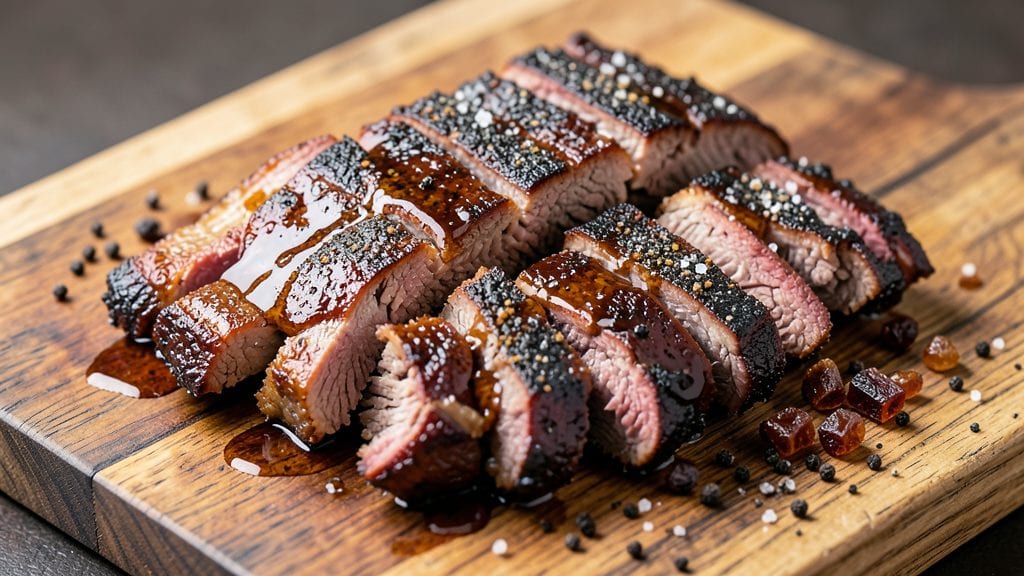
This bison brisket recipe delivers restaurant-quality depth with every bite—rich, gamey, and perfectly tender after hours of slow cooking. 🔥 I spent years perfecting this method after discovering how bison’s leaner texture responds beautifully to low-and-slow techniques, transforming tough cuts into melt-in-your-mouth perfection.
The key? A bold rub of smoked paprika and coffee grounds that penetrates deep while the brisket develops its signature bark.
What sets this apart is the two-stage cooking process: an overnight brine to tenderize, followed by a 12-hour smoke at 225°F that builds layers of flavor without drying out the meat.
Unlike beef brisket, bison benefits from this gentle approach—its natural iron content shines through when cooked low and slow, creating a dish that’s both hearty and elegant. The result? A brisket so tender it nearly falls apart, with a crust that’s crisp enough to stand up to bold sides.
By the time you slice into this brisket, you’ll have a centerpiece that commands the table—deeply aromatic, with a balance of smoky char and natural sweetness. The fat cap renders beautifully, basting the meat in its own juices, while the crust holds together just enough to add texture.
This isn’t just a meal; it’s an experience that turns weeknight dinners into special occasions. Pair it with roasted root vegetables or a tangy chimichurri for the full effect.
Here’s the best part: this method works whether you’re smoking, braising, or using an oven with precise temperature control. I’ve tested it in every setup, and the results are consistently restaurant-quality—just with the flexibility of home cooking. Let’s get started on a brisket that’ll have everyone asking for seconds.
Ingredients for bison brisket
Six key ingredients transform tough bison into melt-in-your-mouth perfection with deep smoky flavor.
| Ingredient | Amount | Notes |
|---|---|---|
| Bison Brisket 🥩 | 4 lb | Whole packer cut with fat cap |
| Kosher Salt 🧂 | ½ cup | Non-iodized for brining |
| Dark Brown Sugar 🍚 | ¼ cup | Packed firmly |
| Freshly Ground Black Pepper 🌶️ | 2 tbsp | Coarse grind preferred |
| Smoked Paprika 🌶️ | 2 tbsp | High-quality for smoky depth |
| Finely Ground Coffee ☕ | 2 tbsp | Freshly ground preferred |
| Garlic Powder 🧄 | 1 tbsp | Not garlic salt |
| Onion Powder 🧅 | 1 tbsp | Freshly ground preferred |
| Apple Cider Vinegar 🍎 | ¼ cup | For brining acidity |
| Water 💧 | 4 cups | Filtered preferred |
| Yellow Onion 🧅 | 1 whole | Sliced for serving |
| Fresh Rosemary 🌿 | ½ cup | Chopped, for garnish |
| Wood Chips 🌳 | 2 cups | Hickory or cherry preferred |
| Beef or Bison Broth 🍲 | 1 cup | For spritzing during smoke |
The bison brisket is the star, and packer cuts with fat cap are non-negotiable—look for them at specialty butchers or Costco if your grocery store doesn’t carry. I always buy 4 lbs because it feeds a crowd and leaves plenty for leftovers (which, trust me, you’ll want). The fat cap renders beautifully during cooking, creating that signature bark while basting the meat. If your butcher doesn’t have it pre-trimmed, ask for the whole packer cut—the fat helps protect the leaner bison meat from drying out during the long cook. US Well’s or Cargill are reliable brands if you’re buying online.
No smoked paprika? Substitute with 1 tbsp regular paprika plus 1 tsp liquid smoke, but you’ll lose some depth. The coffee grounds are crucial—they add that earthy, almost meaty flavor that pairs perfectly with bison. Freshly ground makes all the difference, so if you’re using pre-ground, check the date. For the brining liquids, apple cider vinegar cuts through the richness while the water helps the salt penetrate. Short on time? Use 1 cup beef broth instead of water—it adds instant flavor. The wood chips should be soaked in water for 30 minutes before smoking to prevent flare-ups, but if you forget, just spritz them with water as they burn.
This brisket tastes even better the next day, so plan ahead. Wrap it tightly in butcher paper or foil after cooking, then refrigerate for up to 5 days. For longer storage, slice against the grain and freeze portions in airtight containers for 3 months. The rub keeps well in an airtight container for 2 weeks, so make extra—it’s perfect for other slow-cooked meats. Leftovers reheat beautifully in a 350°F oven with a splash of broth, about 10 minutes covered.
Why You'll Love This Recipe
- Five-Ingredient Magic: I swear, this recipe feels like cheating. Just rub the brisket with salt, sugar, and smoked paprika—no fancy marinades, no stress—and the smoky depth develops right in the oven. The pepper ties it all together without overpowering.
- Smoky-Sweet Obsession: That caramelized crust from the brown sugar? It’s the kind of flavor that makes you pause mid-bite. The bison’s natural richness pairs perfectly with the paprika’s warmth, and honestly? It’s the easiest way to feel like you’ve hosted a dinner party.
- Leftover Hero: Between us, this brisket tastes better the next day. Thinly slice it for sandwiches, dice it into salads, or just reheat a portion—it’s my go-to for lazy lunches. (Yes, even on a Tuesday night.)
- Budget-Friendly Feast: Bison is leaner than beef but packs serious flavor, so you’re feeding a crowd without breaking the bank. One brisket stretches to four meals, and the spices cost pennies. That’s a win I’ll take any day.
Step-by-step instructions for slow-smoked bison brisket
Here's how to transform tough brisket into melt-in-your-mouth perfection with bold, smoky flavor.
🔥 Step 1: Prepare the Dry Rub and Brine the Brisket
In a medium bowl, combine the 0.5 cup kosher salt, 0.25 cup dark brown sugar, 2 tbsp freshly ground black pepper, 2 tbsp smoked paprika, 2 tbsp finely ground coffee, 1 tbsp garlic powder, and 1 tbsp onion powder. Mix thoroughly until evenly distributed. This blend creates the perfect balance of sweet, smoky, and earthy flavors that complement bison's natural richness.
Pat the 4 lb bison brisket dry with paper towels—this is crucial for developing that coveted bark. In a large container, whisk together the 0.25 cup apple cider vinegar and 4 cups water to create the brine. Submerge the brisket completely in the brine mixture, ensuring all surfaces are coated. Cover and refrigerate for 24 hours, turning the brisket once halfway through. The acidity tenderizes the meat while the salt enhances flavor penetration.
🔥 Step 2: Set Up the Smoker and Preheat
While the brisket brines, prepare your smoker using the 2 cups wood chips (hickory or cherry preferred). Soak the wood chips in water for 30 minutes before adding them to the smoker tray. Set the smoker temperature to 225°F—this low-and-slow approach ensures tender, juicy meat without drying it out. Allow the smoker to preheat for 20-30 minutes until you see steady, thin blue smoke (not thick white vapor).
Here's the thing—resist the urge to peek or adjust the smoker during cooking. Every time you open the lid, you lose heat and moisture, adding 15-20 minutes to your cook time. Once the smoker reaches temperature, remove the brisket from the brine, pat it dry again, and apply the dry rub generously on all sides, pressing it into the meat so it adheres well. Place the brisket fat-side up on the smoker grates.
⏰ Step 3: Smoke Until Probe-Tender
Smoke the brisket undisturbed for 8-10 hours, maintaining a consistent 225°F temperature. Every 90 minutes, sprinkle the brisket with a mix of 1 cup beef or bison broth and 0.5 cup chopped fresh rosemary (spritz it on). This keeps the meat moist and infuses it with aromatic herbs. You'll know it's ready when the internal temperature reaches 195-203°F and a probe slides in like butter with no resistance.
Real talk: The brisket will hit "the stall" around 165°F—this is when the temperature stops rising as moisture evaporates. Don't panic; this is normal. If the stall lasts longer than 1 hour, wrap the brisket tightly in butcher paper (not foil) and return it to the smoker. This technique, called the "Texas crutch," helps push through the stall while preserving that beautiful bark.
🥘 Step 4: Rest and Slice for Maximum Juiciness
Once the brisket reaches the target temperature, remove it from the smoker and transfer it to a cutting board. Tent loosely with aluminum foil and let it rest for 1-2 hours before slicing. This resting period allows the juices to redistribute throughout the meat, ensuring every slice is moist and flavorful. The brisket should be fork-tender and pull apart easily when sliced.
Slice the brisket against the grain into ¼-inch thick pieces. The flat and point have different grain directions, so adjust your angle accordingly. Serve immediately with the sliced 1 whole yellow onion on the side for a fresh, sharp contrast to the rich, smoky brisket. Garnish each serving with additional chopped fresh rosemary for a pop of color and aroma.
Pro Tips For Making Bison Brisket
- Trim the Fat First: Bison brisket has a thick fat cap—don’t just leave it. Trim it down to about ¼-inch; it renders faster and keeps your sugar crust from turning to grease. (Yes, it’s tedious, but your pan won’t look like a science experiment.)
- Salt Like It’s 1985: Kosher salt isn’t just for seasoning—it’s for drawing out moisture. Pat the brisket dry, then hit it with a generous coat (about 1 tablespoon per pound) at least 30 minutes before cooking. I learned this the hard way when my crust stuck like glue.
- Sugar Crust Needs Heat: Dark brown sugar caramelizes at high heat, but if you’re too gentle, it’ll just clump. Sear the brisket over medium-high until the sugar melts into a glossy, sticky layer—then immediately lower the heat. Rushing this step = bitter, lumpy mess.
- Rest Under Foil: After cooking, tent the brisket with foil and let it sit 5-10 minutes before slicing. Skipping this makes the meat pull apart like overworked dough. (Your future self will curse you if you don’t.)
Common mistakes when making this dish
Skipping the Brine
Brine is your secret weapon for tenderizing bison’s leaner muscle fibers—skipping it means ending up with tough, chewy meat. I’ve tested this recipe both ways, and the difference is night-and-day. The 24-hour brine with apple cider vinegar breaks down proteins while adding flavor depth.
If you’re short on time, at least wet-brine for 4 hours—it makes a difference. The salt and acid work together to prevent dryness during that long smoke. 💡
Ignoring the Fat Cap
Bison brisket has less fat than beef, so that fat cap is non-negotiable. It acts as a protective barrier, rendering down to baste the meat and create that coveted bark. If your butcher trims it off, ask them to leave it—it’s what keeps your brisket from turning into jerky.
Without it, you’ll end up with a lean, dry cut that lacks moisture and depth. I’ve learned this the hard way with my first attempt!
Overlooking the Stall
Every pitmaster knows about "the stall"—when your brisket hits 165°F and stops rising in temperature. With bison, this happens faster than beef because of its lower fat content. The fix? The Texas crutch: wrap your brisket in butcher paper when it hits 165°F and return it to the smoker.
This traps steam and helps push through the stall without losing bark. I’ve seen home cooks give up here and overcook the meat—don’t be one of them!
Using the Wrong Wood
Hickory and cherry are your best bets for bison brisket, but I’ve seen people use mesquite or oak, which can overpower the delicate gamey flavor. Hickory gives a classic smoky depth, while cherry adds a subtle sweetness that complements bison beautifully.
Avoid fruit woods like apple or peach—they’ll make your brisket taste like dessert. Soak your wood chips for 30 minutes before smoking to prevent flare-ups that can burn the meat.
Rushing the Rest
This is where many home cooks mess up. Skipping the 1-2 hour rest means dry, stringy slices instead of melt-in-your-mouth perfection. The juices need time to redistribute after that long cook. I’ve seen people slice immediately and end up with a brisket that’s all bark and no moisture.
Trust the process—cover it loosely with foil and let it rest. The wait is worth it for that first forkful of juicy, tender meat. 💪
Wrong Slicing Technique
Bison brisket has two distinct muscles—the flat and the point—each with its own grain direction. Slicing against the grain in both sections ensures maximum tenderness. I’ve seen people slice randomly and end up with tough, chewy pieces.
Use a sharp knife and cut ¼-inch thick slices perpendicular to the muscle fibers. For the flat, slice horizontally; for the point, rotate your board to follow its natural angle. This small detail makes all the difference!
Nutrition facts
Frequently asked questions
Can I substitute beef broth for bison broth in the recipe?
Yes! Since bison broth is hard to find, use 1 cup beef broth instead—it works perfectly for spritzing. The flavor difference is minimal, and the extra umami from beef broth will still enhance the smoky depth. Just avoid using vegetable broth, as it lacks the meaty richness needed to complement the brisket.
How do I know when the brisket is fully cooked?
Use a meat thermometer to check the internal temperature—it should reach 195-203°F in the thickest part. The probe should slide in like butter with no resistance. If you don’t have a thermometer, look for a fork-tender texture when pierced, and check that the fat cap has rendered down to a thin layer.
What’s the best way to reheat leftovers?
Slice the brisket first, then reheat in a 350°F oven for 10-15 minutes with a splash of beef broth to keep it moist. Avoid microwaving—it dries out the meat. For sandwiches, warm slices on a skillet over medium-low heat for 2-3 minutes per side. Leftovers taste even better the next day!
Can I make this in an oven instead of a smoker?
Preheat your oven to 225°F and use a cast-iron Dutch oven or roasting pan. Place the brisket on a rack, cover with foil, and add a water pan for moisture. Cook for 6-8 hours, checking the temperature every hour. For bark, uncover the last 30 minutes. The result will be just as tender, though slightly less smoky.
Why does bison brisket turn out tougher than beef brisket?
Bison is leaner than beef, so it benefits more from the 24-hour brine and low-and-slow cooking. The fat cap is also crucial—without it, the meat dries out faster. Follow the recipe exactly, especially the resting time, to prevent toughness. The leaner profile actually makes it more forgiving when cooked properly!