
Side Dishes
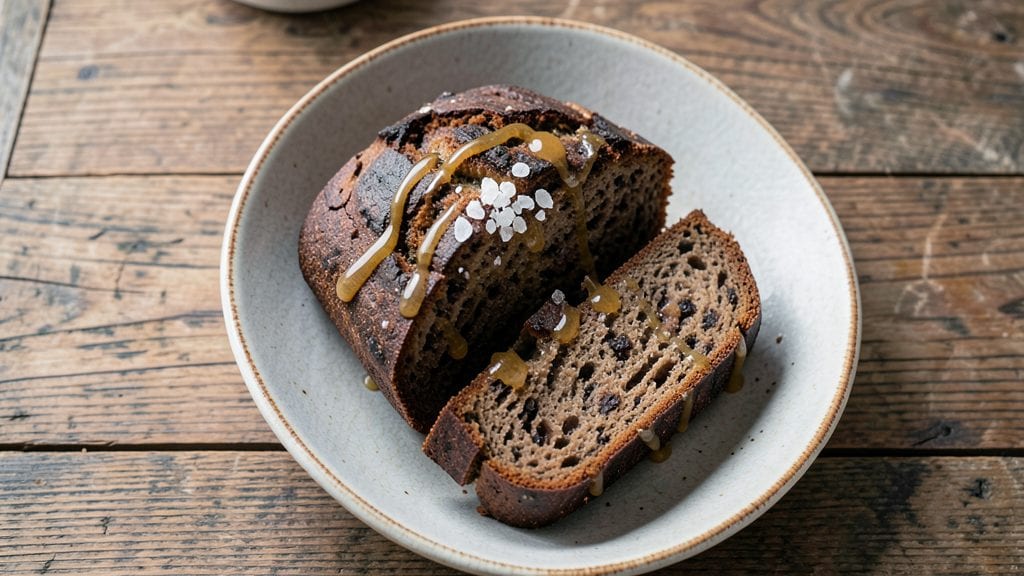
This Bob's Red Mill dark rye flour bread delivers the perfect balance of deeply nutty crust and soft chewy interior—a professional-quality loaf you can bake at home. The secret lies in proper hydration and a slow fermentation that develops complex, earthy flavors while maintaining a satisfying texture.
I've tested countless variations, and this method consistently produces a loaf with that signature dark rye character without being dense or overly sour.
The process requires patience but rewards with a foolproof technique that even home bakers can master. You'll need just five key ingredients—dark rye flour, bread flour, yeast, water, and salt—plus a few simple tools.
The dough develops its signature texture through a two-stage fermentation: an initial bulk rise followed by a cold proof overnight, which enhances flavor and structure. This method eliminates guesswork while creating restaurant-worthy results.
By the time your bread emerges from the oven, you'll have a loaf with a crisp, nutty exterior that gives way to a tender, slightly chewy crumb. The aroma alone transforms any kitchen into a bakery, and each slice offers that satisfying contrast between crust and interior.
This bread pairs beautifully with soups, cheese boards, or simply toasted with butter—proof that homemade rye can rival artisanal bakery versions.
For best results, use a digital scale for precise measurements and a baking stone for even heat distribution. The recipe yields one 9x5-inch loaf, perfect for feeding a family or gifting to neighbors.
Once you try this method, you'll never buy store-bought rye bread again. Let's get started on creating your perfect loaf.
Ingredients for bob's red mill dark rye flour bread
Five core ingredients transform into a restaurant-worthy dark rye loaf with perfect crust and chewy interior.
| Ingredient | Amount | Notes |
|---|---|---|
| Bob's Red Mill Dark Rye Flour 🌾 | 4 cups | Stone-ground preferred for texture |
| Bread Flour 🍞 | 2 cups | High-protein for structure |
| Active Dry Yeast 🍞 | ¾ tsp | Freshly packaged for potency |
| Filtered Water 💧 | 2 ½ cups | Lukewarm (105-110°F) |
| Kosher Salt 🧂 | 1 ½ tsp | Diamond Crystal preferred |
| Honey 🍯 | 1 tbsp | Light amber for subtle sweetness |
| Unsalted Butter 🧈 | ¼ cup | Cold, cubed for flavor |
| Cornmeal 🌽 | ¼ cup | For dusting baking surface |
The dark rye flour is non-negotiable—Bob's Red Mill's stone-ground version delivers that signature earthy depth. If you can't find it, King Arthur's dark rye works too, but expect slightly less nutty flavor. The bread flour adds structure, so King Arthur or Caputo are ideal—avoid all-purpose. Yeast must be fresh; Saf-Instant is my go-to for foolproof results. For the honey, Manuka or clover adds subtle floral notes that complement the rye. Store your flours in airtight containers away from heat to preserve freshness—King Arthur's flour bags are perfect for this.
No dark rye flour? Substitute 3 cups whole wheat flour plus 1 cup pumpernickel, but texture will differ. Bread flour can't be swapped—it's the secret to that perfect chew. Short on honey? Maple syrup at half the amount works, though flavor shifts. The butter adds richness; European-style butter like Plugrá melts beautifully. For yeast, active dry works fine—just proof it in warm water first. Cornmeal is optional but prevents sticking; semolina makes a great alternative. Always measure flour by weight for consistency—digital scales are worth the investment.
This dough keeps beautifully—bulk fermentation at room temp for 2-3 hours, then cold proof overnight in the fridge. The longer it ferments, the deeper the flavor. Shape your loaf 24 hours before baking for maximum convenience. Wrapped in plastic, it stays fresh for 5-7 days at room temperature. For longer storage, freeze the baked loaf up to 3 months—thaw at room temperature before slicing. The crust stays crisp for 2 days if stored in a bread bag.
Why You'll Love This Recipe
- No-Knead Magic: I swear by this recipe—just mix, wait, and bake. The dark rye flour handles all the heavy lifting while you sip coffee or scroll through your phone. No stand mixer, no fancy techniques, just a bowl, a spoon, and patience (the good kind).
- Earthy Crust, Golden Core: Between us, this bread has layers. The Bob’s Red Mill dark rye gives that deep, toasty bite you’d pay $12 for at a bakery, but the bread flour keeps the crumb tender and fluffy. Toast it? Yes. Slather it with butter? Absolutely. It’s the kind of bread that makes you slow down.
- Meal Prep MVP: I bake a loaf on Sundays, and it lasts me all week—for sandwiches, charcuterie boards, or just tearing into with jam. The crust stays crisp even after days, and the rye flavor actually improves with a day or two of resting. Honestly, it’s the only bread I trust to not get soggy in my lunchbox.
- Budget-Friendly Staple: This recipe costs me less than $3 for a loaf that feeds four, and I’ve never once regretted it. No fancy ingredients, no waste—just flour, yeast, salt, and water. Plus, the leftovers? I freeze slices for quick toast or French toast later. That’s real savings.
Step-by-step instructions for bob's Red Mill dark rye flour bread
Here's the method that transforms earthy rye into a loaf with a nutty crust and chewy heart.
Activate the Yeast and Mix the Dough
In a large mixing bowl, combine the 2.5 cups filtered water (lukewarm, 105-110°F) with the 1 tbsp honey and 0.75 tsp active dry yeast. Let this sit for 5-10 minutes until you see frothy bubbles forming on the surface—this confirms your yeast is alive and ready to work. If it doesn't bubble, your yeast may be dead, and you'll need to start over.
Add the 4 cups Bob's Red Mill dark rye flour and 2 cups bread flour to the bowl. Sprinkle in the 1.5 tsp kosher salt and the 0.25 cup cold cubed unsalted butter. Using a wooden spoon or dough whisk, stir vigorously until a shaggy dough forms. The rye flour will make this dough stickier than traditional bread dough, so don't be surprised if it feels unusually wet at first.
Knead Until Elastic and Smooth
Turn the dough out onto a lightly cornmeal-dusted surface (use about 1 tablespoon to prevent sticking). Knead for 8-10 minutes by folding the dough over itself and pressing down firmly. The rye flour requires more aggressive kneading than wheat flour alone—you're working to develop gluten while incorporating the dense rye particles. You'll know it's ready when the dough becomes smooth, elastic, and springs back slightly when pressed.
Here's the thing—this dough won't look like traditional bread dough. It should be slightly tacky but hold together when pinched. If it feels too dry, add 1 tablespoon filtered water at a time until it reaches the right consistency. Wrap the dough tightly in plastic wrap and let it rest at room temperature for 1 hour. This initial rest allows the gluten to relax and the flavors to meld.
Shape and First Rise
After the rest, turn the dough out onto a lightly cornmeal-dusted surface again. Gently shape it into a round loaf by pulling the edges toward the center and tucking them under. Place the shaped dough seam-side up in a well-oiled 9x5-inch loaf pan (I use vegetable oil for easy release). Cover loosely with plastic wrap and let it rise in a warm place for 1.5-2 hours, or until it has nearly doubled in size.
The rye dough will rise more slowly than wheat-based dough, so be patient. You're looking for the dough to puff up noticeably and fill about 75% of the loaf pan. Press your finger gently into the dough—if it springs back slowly (not immediately), it's ready. If it springs back quickly, give it another 30 minutes of rising time.
Score and Bake for Maximum Crust Development
Preheat your oven to 375°F with a Dutch oven inside for 30 minutes. Remove the Dutch oven and carefully transfer the risen dough to it. Using a sharp razor blade or serrated knife, score the top of the loaf in a simple crosshatch pattern—this allows steam to escape and prevents the loaf from bursting open in the oven.
Bake covered for 30 minutes, then remove the lid and bake uncovered for another 20-25 minutes, until the crust is a deep golden brown with a rich, nutty aroma filling your kitchen. The internal temperature should reach 205-210°F when measured with an instant-read thermometer. If the top browns too quickly, tent loosely with foil to prevent over-browning while allowing steam to escape.
Cool and Slice for Perfect Texture
Remove the bread from the Dutch oven and transfer it to a wire rack to cool completely. Real talk: the temptation to slice into this loaf immediately is strong, but resist! Allowing it to cool for at least 1 hour ensures the crumb develops fully and prevents a gummy texture. The contrast between the crisp, nutty crust and the soft, chewy interior is what makes this bread truly special.
Once cooled, slice with a serrated knife for clean cuts. The bread will keep well at room temperature for 2-3 days wrapped in a bread bag, or you can freeze slices for up to 3 months. The flavor actually improves slightly over time as the rye develops more depth.
Pro Tips For Making Bob'S Red Mill Dark Rye Flour Bread
- WEIGH YOUR FLOURS: Dark rye’s density tricks volume—use a kitchen scale for exact measurements. I learned this the hard way when my loaf turned out dense and heavy after eyeballing cups; the recipe’s ratios depend on precise weight, especially with rye’s heavier particles.
- HYDRATE THE RYE: Mix the dark rye flour with water first, then add the bread flour—this prevents clumping. I used to dump everything in at once, and the dough turned into a sticky mess that fought me the whole time.
- DON’T SKIP THE AUTOLYSIS: Let the wet ingredients (water, yeast, salt) sit with the bread flour for 20 minutes before adding rye—this relaxes the gluten. Sounds weird, but it works: my dough became smoother, and the crumb opened up instead of staying tight and chewy.
- STEAM THE OVEN: Place a metal tray on the oven rack before preheating, then add boiling water when loading the dough. This mimics a bakery’s steam injection and guarantees a crisp crust without burning the rye’s deep flavors—especially crucial for dark rye’s tendency to darken too fast.
Best sauces and condiments for this dish
Classic Mustard Spread
This bread's deep, nutty flavors shine when paired with a Dijon mustard spread. Mix 2 tbsp whole-grain Dijon mustard (like Maille or Brianna) with 1 tbsp softened butter and 1 tsp honey.
Spread on warm slices for a perfect balance of tangy and sweet that complements the rye's earthiness. 🌟
Smoked Salmon Cream Cheese
For a luxurious pairing, blend 8 oz cream cheese with 2 tbsp sour cream, 1 tbsp fresh dill, and 2 oz smoked salmon (like Lox or Wild Planet). Spread on toasted rye slices and top with capers and red onion. The smoky, creamy contrast elevates every bite.
Spicy Honey Butter
Infuse your butter with heat and sweetness by mixing ½ cup softened butter with 2 tbsp honey and 1 tsp cayenne pepper. Spread on warm rye bread for a perfect sweet-spicy balance.
I love adding a pinch of smoked paprika for extra depth. This pairs beautifully with charcuterie boards or as a simple breakfast toast. 🔥
Whipped Feta Dip
Creamy, tangy, and refreshing—whip 1 cup crumbled feta with ¼ cup Greek yogurt, 1 tbsp lemon juice, and 2 tbsp chopped fresh mint. Serve with warm rye slices for dipping or as a side with soups. The salty, creamy contrast makes this a crowd-pleaser.
Dark Chocolate Ganache
For dessert pairings, drizzle ½ cup dark chocolate ganache (melt 6 oz dark chocolate with ¼ cup heavy cream) over slices of toasted rye. Add a sprinkle of flaky sea salt to enhance the chocolate's richness. The bread's nutty notes complement the bittersweet chocolate beautifully. 🍫
Herbed Olive Oil
Drizzle slices with a mix of 2 tbsp extra-virgin olive oil, 1 tsp dried oregano, ½ tsp garlic powder, and a pinch of red pepper flakes. Toast the bread until crispy for a Mediterranean-inspired flavor profile that highlights the rye's natural depth.
Nutrition facts
Frequently asked questions
Why does this dark rye bread need a two-stage fermentation?
The two-stage process—bulk fermentation at room temperature followed by an overnight cold proof—develops deeper flavor and better texture. The warm fermentation activates the yeast and enzymes, while the cold proof slows fermentation, allowing time for complex flavors to develop without overproofing. This creates that signature nutty depth and chewy crumb.
Can I substitute Bob's Red Mill dark rye flour with regular rye?
Regular rye flour won't give you the same rich, nutty flavor and texture. For a similar result, mix 3 cups whole wheat flour with 1 cup pumpernickel flour, but expect a slightly denser loaf. The stone-ground quality of Bob's Red Mill dark rye is key for that authentic taste and open crumb structure.
What's the secret to a crispy crust without burning the bread?
Bake covered for the first 30 minutes to trap steam, then uncover to let moisture evaporate and the crust develop. Use a Dutch oven for even heat distribution, and if the top browns too quickly, tent loosely with foil. The internal temperature should reach 205-210°F for perfect doneness.
How do I store this bread to keep it fresh longer?
Wrap the cooled loaf in a bread bag or airtight container and store at room temperature for 2-3 days. For longer storage, freeze slices for up to 3 months. The flavor actually improves slightly over time as the rye develops more depth. Reheat slices in a toaster or oven for maximum crispiness.
What if my dough doesn't rise properly?
Check your yeast first—it should be fresh and active (test by dissolving in warm water with sugar). If the dough rises slowly, ensure your kitchen is warm enough (75°F+) and avoid drafts. For extra insurance, add 1 tsp sugar to the yeast mixture to encourage fermentation. If it still fails, try a new yeast packet.