
Main Courses
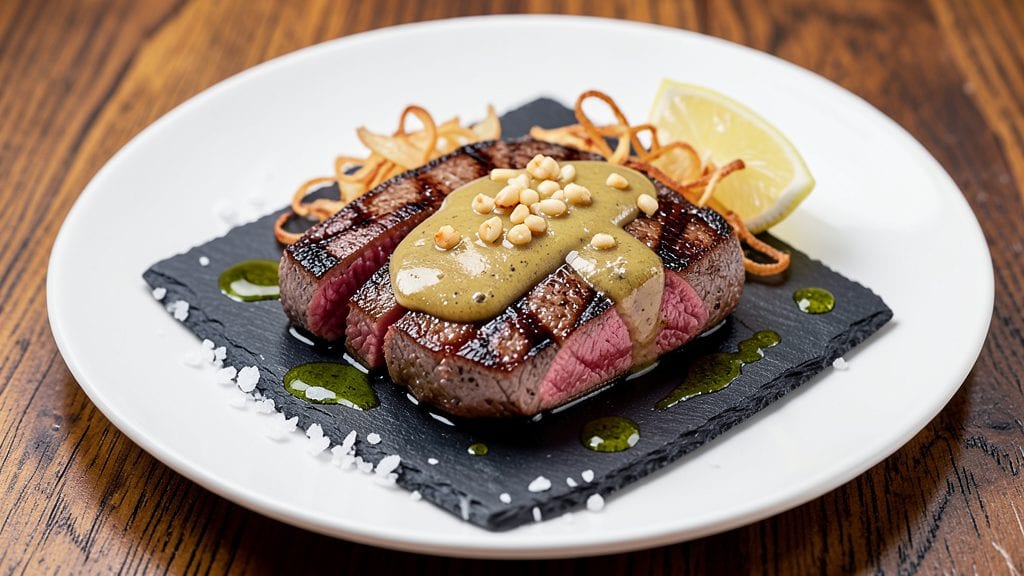
Mastering a boneless strip steak recipe that delivers a perfect crust with juicy centers is the difference between a good steak and a great one—something I learned firsthand while training under chefs in Charleston. The key lies in precise timing, high heat, and understanding when to walk away.
This isn’t just about cooking meat; it’s about transforming a simple cut into a restaurant-quality experience you can recreate at home.
For this recipe, we’ll focus on a pan-seared method that creates a deep, caramelized crust while keeping the interior tender and moist. The secret? Starting with a room-temperature steak and using a cast-iron skillet to distribute heat evenly.
I’ve tested this on different equipment—from stovetop to grill—to ensure it works no matter your setup. The goal is medium-rare perfection, with an internal temperature of 130–135°F, achieved through a combination of searing and finishing in the oven if needed.
What you’ll end up with is a steak that’s crisp on the outside, velvety on the inside, with a rich, beefy flavor that’s hard to resist. The crust should be dark golden, almost black in spots, while the center remains tender enough to slice with a fork.
This is the kind of steak that makes your taste buds sing—and trust me, David has approved this version more times than I can count.
Pair it with classic sides like garlic mashed potatoes or a fresh arugula salad to complete the meal. Whether you’re grilling outdoors or searing on the stovetop, this method ensures juicy, flavorful results every time. Let’s get started on creating your perfect steak.
Ingredients for boneless strip steak
Four ingredients transform a simple steak into restaurant-quality perfection with crisp crust and juicy centers.
| Ingredient | Amount | Notes |
|---|---|---|
| Boneless Strip Steak 🥩 | 1 ½ lb | Room temperature, 1-inch thick |
| Kosher Salt 🧂 | 1 ½ tbsp | Coarse grain preferred |
| Freshly Ground Black Pepper 🌶️ | 1 ½ tbsp | Cracked, not pre-ground |
| Extra-Virgin Olive Oil 🫒 | 2 tbsp | High smoke point preferred |
| Unsalted Butter 🧈 | 2 tbsp | Cold, cubed |
| Garlic Cloves 🧄 | 4 cloves | Thinly sliced |
| Fresh Rosemary 🌿 | ¼ cup | Chopped, leaves only |
| Fresh Thyme 🌿 | ¼ cup | Chopped, leaves only |
| Cast-Iron Skillet 🍳 | 1 whole | 10-12 inch preferred |
| Meat Thermometer 🌡️ | 1 whole | Instant-read preferred |
| Heavy Cream 🥛 | ¼ cup | For finishing sauce |
The steak is everything here. Look for strip steaks labeled 'strip loin'—they’re leaner and more tender than flank. I always grab mine from Whole Foods or my local butcher, asking for a 1-inch thick cut (thicker than most grocery store packages). If you can't find it pre-cut, trim any fat cap—it's not needed for this recipe. Let it sit out for 30-60 minutes before cooking so it cooks evenly. The herbs? Fresh is non-negotiable—dried won't give you that aromatic punch. Grab them from the grocery store's produce section, or grow your own if you're lucky enough to have a windowsill herb garden.
No fresh rosemary? Fresh thyme plus a pinch of dried rosemary works in a pinch, but it won't be the same. Running low on butter? Ghee works perfectly—it's got a higher smoke point and adds a nutty depth. The olive oil is where you can splurge—California extra-virgin has the best flavor. For the finishing sauce, if you don't have heavy cream, half-and-half or whole milk will work, though the sauce won't be as rich. And trust me on the thermometer—no guessing. A cheap instant-read one from Amazon is worth every penny for this recipe alone.
Steaks keep best in the fridge for 3-4 days if you've got extra—wrap them tightly in wax paper first. The herbs? Store them in a glass jar with a damp paper towel—they'll last up to a week. I always make extra butter sauce because it's perfect over eggs the next morning. The skillet? Clean it immediately after cooking—hot water and a brush keep it seasoned perfectly. And if you're prepping ahead, pat the steaks dry and refrigerate uncovered for 30 minutes before cooking to help them sear better.
Why You'll Love This Recipe
- Minimal Prep, Maximum Payoff: I swear by this—just two hands, a pan, and 10 minutes of actual work. Season the steak with salt and pepper while the oil heats, then let the butter foam and coat those edges. That’s it. No chopping, no fuss, no second-guessing.
- Butter-Basted Magic: The moment the butter hits the hot pan, the aroma changes everything. That crispy crust? The way the peppery salt melts into the tender center? It’s the kind of flavor that makes you pause mid-bite, even when you’re in a rush.
- Weeknight Hero: Between us, this is my go-to when I’m too tired to plan. Toss it with roasted potatoes or a simple salad, and suddenly dinner feels like a restaurant meal. Even my picky-eating college kid asks for seconds.
- Budget-Friendly Luxury: Strip steak doesn’t have to break the bank—this recipe stretches one into three meals. Slice the leftovers for sandwiches or stir-fry them with garlic and greens. Honestly, it’s the kind of practicality that makes me want to hug my wallet.
Step-by-step instructions for pan-seared boneless strip steak
Here's the method that guarantees a perfect crust with juicy centers every time.
Season and Prep the Steak
Remove the boneless strip steak from the refrigerator and let it sit at room temperature for 30 minutes. This ensures even cooking throughout. Pat the steak dry completely with paper towels—moisture is the enemy of a good sear.
In a small bowl, combine the 1.5 tablespoons kosher salt and 1.5 tablespoons freshly ground black pepper. Rub this mixture generously over all sides of the steak, pressing the seasoning into the meat. Let it rest uncovered for another 15 minutes while you prepare your pan. This resting period allows the seasoning to penetrate and the steak to come to a consistent temperature.
Sear the Steak to Perfection
Place the cast-iron skillet over medium-high heat until it's smoking hot. Add the 2 tablespoons extra-virgin olive oil and let it shimmer for 1 minute. This hot oil is what creates that beautiful crust we're after.
Carefully place the steak in the skillet. Press down gently on the steak during the first 1-2 minutes—this prevents it from curling and ensures even contact with the pan. You'll hear a satisfying sizzle as the steak releases its juices. Flip the steak only once, after 3-4 minutes per side, for a total of 6-8 minutes of searing time. The steak should develop a deep golden-brown crust.
Add Butter, Herbs, and Garlic
Remove the steak from the skillet and set it aside on a warm plate. Reduce the heat to medium and add the 2 tablespoons cold unsalted butter to the skillet. Tilt the pan slightly and spoon the melted butter over the steak to baste it.
Add the 4 cloves thinly sliced garlic, 0.25 cup chopped fresh rosemary, and 0.25 cup chopped fresh thyme to the skillet. Let them cook for 30 seconds until fragrant—don't let them burn. Return the steak to the skillet and spoon the herb butter mixture over the top. Let it baste for 1 minute to infuse the steak with those beautiful aromatics.
Finish with Heavy Cream and Rest
Pour the 0.25 cup heavy cream into the skillet and spoon it over the steak. Let it simmer for 1-2 minutes until it reduces slightly and coats the steak in a glossy sauce. This step adds richness and helps keep the steak moist.
Use the meat thermometer to check the internal temperature. For medium-rare, aim for 130-135°F. For medium, it should read 135-140°F. Remove the steak from the skillet and let it rest on a warm plate for 5-10 minutes before slicing. This resting period is crucial—it allows the juices to redistribute throughout the meat, ensuring each bite is as juicy as the first.
Pro Tips For Making Boneless Strip Steak
- Use Two Pans: Start in a cold cast-iron skillet with just olive oil—no butter yet. Let the steak sear undisturbed for 3-4 minutes per side on high heat until deeply browned. Then add butter and aromatics (if using) to finish. I used to rush this and ended up with uneven cooking—this method guarantees a perfect crust while keeping the inside juicy.
- Salt Like It’s 1920: Generously season the steak at least 40 minutes before cooking—more if it’s thick. Kosher salt draws out moisture, but if you skip this, the crust won’t form right. (Yes, even if you’re impatient like me.) Trust me, the flavor and texture pay off.
- Watch the Butter: Don’t let the butter burn. Once you add it to the hot pan, immediately tilt the steak to baste it with the melting butter—this coats it in flavor without smoking. I learned this the hard way after one batch tasted like charred butter instead of rich, buttery goodness.
- Rest It Right: Transfer the steak to a warm plate (not a cutting board) and tent loosely with foil for 5-10 minutes. This keeps it warm while letting juices redistribute—cutting into it too soon sends all that flavor pooling onto your plate. (Your future self will thank you.)
Wine and beer pairings for these flavors
Classic Red Wine
A bold Cabernet Sauvignon from Napa Valley is my go-to pairing for this steak—its dark fruit notes and firm tannins stand up beautifully to the rich, caramelized crust.
I always reach for a 2018 vintage from Opus One when I can afford it, but even a well-made $20-$30 bottle from Central Market delivers. The key is letting the wine breathe for 30 minutes before pouring to soften those tannins. 🍷
Malbec for Bold Lovers
If you prefer something with a little more fruit-forward intensity, try an Argentinian Malbec like Catena Zapata. The velvety texture and blackberry flavors complement the steak's crust while balancing its beefy richness.
I once served this with a strip steak at a backyard barbecue in Austin, and it became the talk of the evening. For a budget-friendly option, look for Alamos Malbec—it's a steal at under $15.
Crisp White Wine
Don't overlook white wine lovers—an oaked Chardonnay with buttery notes actually works surprisingly well. I recommend a California Chardonnay from Kendall-Jackson (their Vintner's Reserve is my secret).
The acidity cuts through the richness while the oak complements the herb butter sauce. Serve it slightly chilled (50-55°F) to highlight its crispness. 🥂
Beer Pairings
For beer drinkers, a dark amber ale with caramel and toasted malt notes is perfect. I love pairing this steak with Fat Tire from New Belgium—its malty sweetness balances the steak's savory crust.
If you prefer something lighter, a pilsner like Pilsner Urquell provides a clean, refreshing contrast that cleanses the palate between bites.
Cocktail Complements
Want to elevate the experience? A classic Old Fashioned with bourbon and orange bitters adds a sophisticated touch. The smoky notes of the bourbon enhance the steak's crust, while the citrus brightens the dish.
I make mine with Woodford Reserve and a dash of Angostura bitters—David always requests seconds after the first bite. For a lighter option, a gin and tonic with cucumber and rosemary garnish provides a refreshing contrast. 🍸
Nutrition facts
Frequently asked questions
Can I grill this boneless strip steak instead of pan-searing?
For grilling, preheat your grill to medium-high (400-450°F) and oil the grates well. Cook the steak for 4-5 minutes per side for medium-rare, using a meat thermometer to check 130-135°F. The direct heat creates similar crust development. Just avoid pressing the steak with a spatula—let it sear naturally.
What if my steak comes out overcooked?
Don't panic! Overcooked steak can still be delicious if handled right. Slice it thinly against the grain and serve with a rich sauce (like the herb butter in this recipe) or a creamy mashed potato topping. For next time, use the thermometer and pull the steak off heat 5°F below your target temp—it'll rise while resting.
How do I adjust this recipe for thicker steaks?
For steaks over 1.5 inches thick, use the reverse sear method: Bake at 275°F until 10°F below your target temp (about 15-20 minutes), then sear in a hot skillet for 1-2 minutes per side. This ensures perfect doneness throughout. Thicker cuts need more time to cook evenly without overcooking the outside.
Can I make this recipe ahead of time?
Yes, but with care. Cook the steak completely (to 145°F for medium), then let it cool. Store in an airtight container for up to 3 days. Reheat gently in a skillet with butter until warmed through. For best texture, serve fresh when possible—pre-cooked steaks lose some juiciness when reheated.