
Main Courses
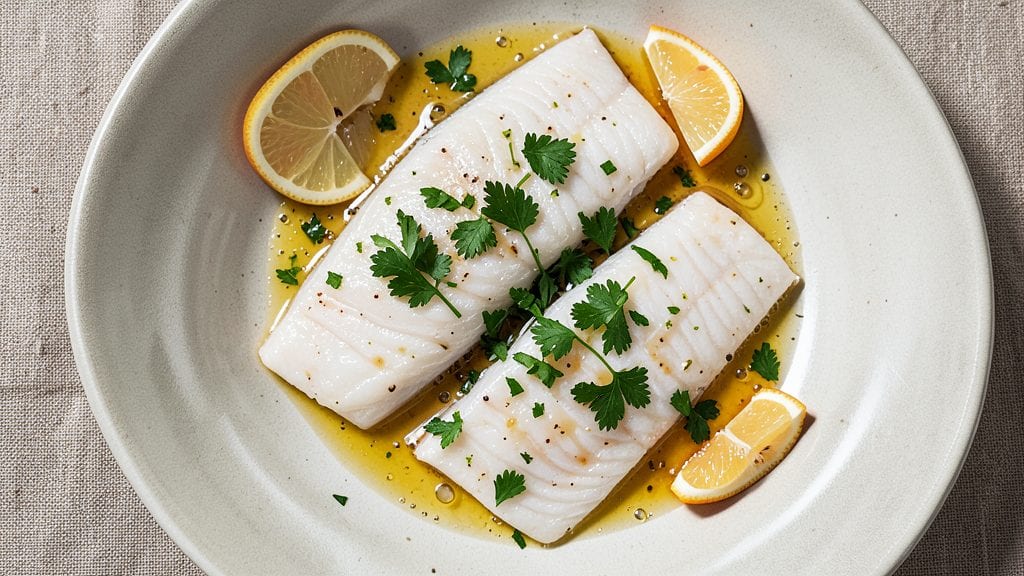
Butter-poached cod transforms delicate fillets into silky, melt-in-your-mouth perfection with a rich lemon-white wine sauce that elevates any dinner table. The secret lies in gentle heat and precise timing—no risk of overcooking, just tender flakes that absorb every drop of flavor.
After years of perfecting this technique, I’ve found the ideal balance between buttery richness and bright acidity that keeps the dish light yet indulgent.
This method requires just five key ingredients but delivers restaurant-quality results every time. A simple brine enhances the cod’s natural sweetness, while clarified butter creates a velvety poaching liquid that bastes the fish as it cooks.
The white wine and lemon infusion adds depth without overpowering the delicate fish, creating a sauce that’s as elegant as it is easy to prepare.
By the time you plate this dish, you’ll have perfectly poached cod with flakes so tender they separate at the touch of a fork. The sauce clings beautifully, offering a balance of buttery richness and bright citrus notes that complement the fish’s natural flavor.
Serve with steamed asparagus or a crisp green salad to complete the meal.
What makes this recipe truly foolproof is its adaptability—scale it for two or six, and the technique remains the same. The only tools you’ll need are a deep skillet, a timer, and patience for the gentle simmering process.
Once mastered, this method becomes your go-to for any special occasion where cod deserves center stage.
Ingredients for butter poached cod
Five essential ingredients transform cod into restaurant-quality perfection with minimal effort.
| Ingredient | Amount | Notes |
|---|---|---|
| Cod Fillets 🐟 | 4 whole | Skinless, 6-8 oz each |
| Unsalted Butter 🧈 | ½ cup | Cold, cut into 1-inch cubes |
| Dry White Wine 🍷 | ½ cup | Sauvignon Blanc or Pinot Grigio |
| Fresh Lemon Juice 🍋 | ¼ cup | From 2-3 lemons, freshly squeezed |
| Fine Sea Salt 🧂 | 1 ½ tsp | For brining and seasoning |
| Fresh Parsley 🌿 | 0.1 cup | Chopped, for garnish |
| Garlic Cloves 🧄 | 2 cloves | Thinly sliced, for aroma |
| Fresh Thyme Leaves 🌿 | ½ tsp | From 1 sprig, for depth |
| Cold Water 💧 | 2 cups | For brining solution |
| Black Peppercorns 🌶️ | ¼ tsp | Freshly cracked, for finish |
| Heavy Cream 🥛 | ¼ cup | Optional, for sauce richness |
The cod fillets are the foundation—opt for wild-caught, skinless pieces weighing 6-8 ounces each for even cooking. Whole Foods or high-end seafood markets carry the best quality, but any reputable fishmonger will have suitable options. Look for fillets with a firm texture and no fishy odor. The butter should be cold and unsalted—European-style butter like Plugrá or Kerrygold works beautifully, but any high-fat butter will do. For the white wine, dry varieties like Sauvignon Blanc or Pinot Grigio ensure the sauce remains bright and balanced.
No white wine? Substitute with fish stock or additional lemon juice to maintain acidity. Fresh lemon juice is non-negotiable—bottled juice lacks the bright, complex notes needed to balance the butter. If you're missing thyme, dried oregano at one-third the amount will work in a pinch, though fresh herbs elevate the dish. For the brining solution, use cold water to prevent the cod from absorbing too much liquid. The heavy cream is optional but adds a luxurious finish to the sauce—use full-fat cream for the best results.
Store any unused butter in an airtight container in the refrigerator for up to 3 months. Fresh herbs like parsley and thyme should be wrapped in damp paper towels and kept in a sealed bag for 5-7 days. The cod fillets can be brined up to 4 hours ahead and stored in the fridge, but pat them dry thoroughly before cooking. The poached cod reheats beautifully—simmer gently in the sauce for 2-3 minutes to restore its silky texture. For a complete meal, pair with steamed asparagus or a crisp arugula salad.
Why You'll Love This Recipe
- Same recipe, different vibes: toss it over greens for a quick lunch or plate it with asparagus and crusty bread for guests. The butter poach keeps it elegant, but the prep is so simple I’ve served it at both my apartment and my in-laws’ house.
- One-Pot Magic: I swear by this recipe when I’m too tired to dirty five dishes—just a skillet, some butter, and 15 minutes later, the kitchen’s spotless. The wine and lemon cut through any fishy notes while the butter keeps it rich without fuss.
- Wine-Lemon Crisp: That bright acidity from the lemon and wine? It’s the secret weapon—no heavy sauces, just pure, buttery cod with a finish that feels fancy. Honestly, it’s the kind of flavor that makes you pause mid-bite.
- Weeknight to Dinner Party: Same recipe, different vibes: toss it over greens for a quick lunch or plate it with asparagus and crusty bread for guests. The butter poach keeps it elegant, but the prep is so simple I’ve served it at both my apartment and my in-laws’ house.
Step-by-step instructions for butter poached cod
This method delivers melt-in-your-mouth cod with a delicate sauce every time.
Prepare the Brining Solution
In a medium bowl, combine the 2 cups cold water with 1.5 teaspoons fine sea salt and stir until fully dissolved. This creates a light brine that enhances the cod's natural flavor without making it tough. Submerge each of the 4 whole cod fillets in the solution, ensuring they're fully covered. Let them soak for 15-20 minutes at room temperature while you prepare the remaining ingredients.
Brining helps the cod retain moisture during cooking. If you're short on time, you can reduce the soak to 10 minutes, but the longer rest yields better results. After brining, pat each fillet dry with paper towels—this step is crucial for achieving that perfect sear when the butter melts.
Build the Poaching Liquor
In a large, deep skillet or saucepan, melt the 0.5 cup unsalted butter over medium-low heat. Once fully melted, add the 2 cloves garlic cloves and 0.5 teaspoon fresh thyme leaves, stirring gently for 30 seconds until fragrant. This infuses the butter with subtle aromatic depth that will carry through the sauce.
Pour in the 0.5 cup dry white wine and bring to a gentle simmer, allowing the alcohol to cook off for 2-3 minutes. The wine should reduce slightly, intensifying its flavor. Next, add the 0.25 cup fresh lemon juice and simmer for another 1 minute. This brightens the sauce and balances the richness of the butter. Keep the heat at medium-low—you want a gentle simmer, not a rolling boil.
Poach the Cod Gently
Carefully place the brined cod fillets into the skillet, spooning the warm butter mixture over them to ensure full coverage. The liquid should come about halfway up the sides of the fillets. Return the heat to low and cover the skillet with a lid. Poach for 8-10 minutes, depending on thickness, until the cod is opaque throughout and flakes easily with a fork.
Here's the thing—don't peek or lift the lid during cooking. The gentle heat and steam create the perfect environment for tender, moist cod. You'll know it's done when the edges lift slightly from the pan and the center is no longer translucent. If you're unsure, insert a fork gently into the thickest part—it should slide in with minimal resistance.
Finish with Cream and Garnish
Once the cod is cooked, remove the fillets with a slotted spoon and transfer them to a warm serving platter. Keep them covered with foil to retain heat while you finish the sauce. Return the skillet to low heat and stir in the 0.25 cup heavy cream (if using), along with the 0.25 teaspoon cracked black peppercorns. Simmer gently for 1-2 minutes until the sauce thickens slightly and coats the back of a spoon.
Spoon the sauce over the cod fillets and garnish with the 0.1 cup chopped fresh parsley. The sauce should be glossy and lightly emulsified, clinging to the cod without overwhelming it. Serve immediately with crusty bread or a simple green salad to complement the dish's delicate flavors.
Pro Tips For Making Butter Poached Cod
- Preheat Your Pan Properly: I learned this the hard way—cold pans make cold butter, and cold butter means your cod will steam instead of poach. Get that pan screaming hot for 30 seconds first, then immediately turn it down to medium-low. The butter should foam and bubble gently, not burn.
- Pat Cod Dry Like It’s Your Job: Wet fish = sad poaching. Use paper towels to dry every inch of the fillets before they hit the pan. I skip this step sometimes, and the butter just slides off instead of forming that golden, glossy crust. Trust me, the difference is noticeable.
- Don’t Rush the Wine Reduction: After adding the white wine, let it simmer for at least 2 minutes—no peeking! The alcohol needs time to cook off, or your sauce will taste sharp and unfinished. I used to rush it, and the dish always lacked depth. Patience here makes all the difference.
- Finish with Lemon Zest, Not Just Juice: A splash of lemon juice is good, but a quick zest at the end adds brightness and texture. Grate it over the top while the cod is still warm—it clings to the butter and gives that restaurant-quality finish. (Yes, even if you’re impatient like me.)
Wine and beer pairings for this recipe
White Wine Elegance
A dry Sauvignon Blanc or Pinot Grigio is my go-to pairing for butter-poached cod—these wines mirror the dish's bright acidity and buttery richness. The crisp, citrusy notes of Sauvignon Blanc cut through the cod's delicate flakes, while Pinot Grigio's subtle mineral finish complements the lemon-thyme sauce beautifully. 🍷
For an even more refined match, opt for a chilled Chablis from Burgundy. Its steely, lemony character enhances the cod's natural sweetness without overpowering it. Serve the wine at 45-48°F to preserve its crispness and let it shine alongside the dish.
Crisp Beer Alternatives
If wine isn't your preference, a crisp Belgian witbier like Hoegaarden or Stella Artois works surprisingly well. The coriander and citrus notes in witbiers echo the lemon and herbs in the sauce, creating a refreshing contrast. Serve the beer well-chilled (38-40°F) to highlight its effervescence.
For a lighter option, try a German Pilsner such as Warsteiner or Bitburger. The clean, hoppy profile balances the butter's richness without competing with the cod's delicate flavor. Pair with a lemon wedge on the side to enhance the citrus connection.
Rich Red Contrast
While white wines dominate, a light-bodied Pinot Noir from Oregon or New Zealand can add unexpected depth. Choose a wine with bright cherry notes and minimal tannins—avoid bold Cabernets or Syrahs, which would overpower the dish. Serve slightly cooler than room temperature (55-58°F) to soften its structure.
For a bolder red option, a Chianti Classico with its acid-driven structure can stand up to the butter's richness. The wine's earthy undertones pair surprisingly well with the thyme and garlic in the sauce. Decant for 10-15 minutes to open up its aromas before serving.
Non-Alcoholic Options
For a refreshing non-alcoholic match, try a sparkling lemonade infused with rosemary and thyme. The effervescence cleanses the palate between bites, while the herbs echo the dish's aromatic profile. Chill it thoroughly (35-38°F) for the best experience.
Another great choice is an iced hibiscus tea with a splash of lime juice. The tartness and floral notes complement the cod's buttery texture and lemon sauce. Serve over crushed ice for a light, refreshing accompaniment that won't overpower the main course.
Nutrition facts
Frequently asked questions
Can I use frozen cod for this butter poaching method?
Thaw frozen cod fillets overnight in the refrigerator before brining. Never use cold water or the microwave—this can create uneven cooking. Pat the fillets completely dry after thawing, as any moisture will prevent proper browning when the butter melts. The texture will be just as tender as fresh cod when cooked properly.
What's the best way to reheat leftover butter-poached cod?
Place the cod fillets in a skillet with a splash of the original sauce and warm gently over low heat for 2-3 minutes—just until heated through. Avoid high heat, which can make the fish dry. The sauce will re-emulsify beautifully, restoring that velvety texture. Serve with fresh herbs to brighten the flavors.
Why does my cod sometimes turn out rubbery instead of tender?
Rubbery cod usually means overcooking or insufficient brining. Keep the poaching liquid at a gentle simmer (never boiling) and never lift the lid while cooking. The 15-20 minute brine is crucial—skip it at your own risk! Also, ensure your cod fillets are 6-8 oz each—thinner pieces cook faster and can dry out.
Can I make this recipe ahead of time?
Yes! Assemble everything up to Step 3, then refrigerate the brined cod in the poaching liquid (covered) for up to 4 hours before cooking. When ready, bring the mixture to a simmer and poach as directed—just reduce cooking time by 2-3 minutes since the cod will be partially pre-cooked. The sauce will thicken beautifully during reheating.
What's the secret to getting perfect flakes every time?
The key is low-and-slow cooking with proper brining. The 15-20 minute salt soak hydrates the fish, while the covered poaching method creates steam that keeps the fillets moist. When done right, the cod should separate into flakes with just the touch of a fork—no forking required! The butter's fat helps break down proteins for that signature texture.