
Sauces & Condiments
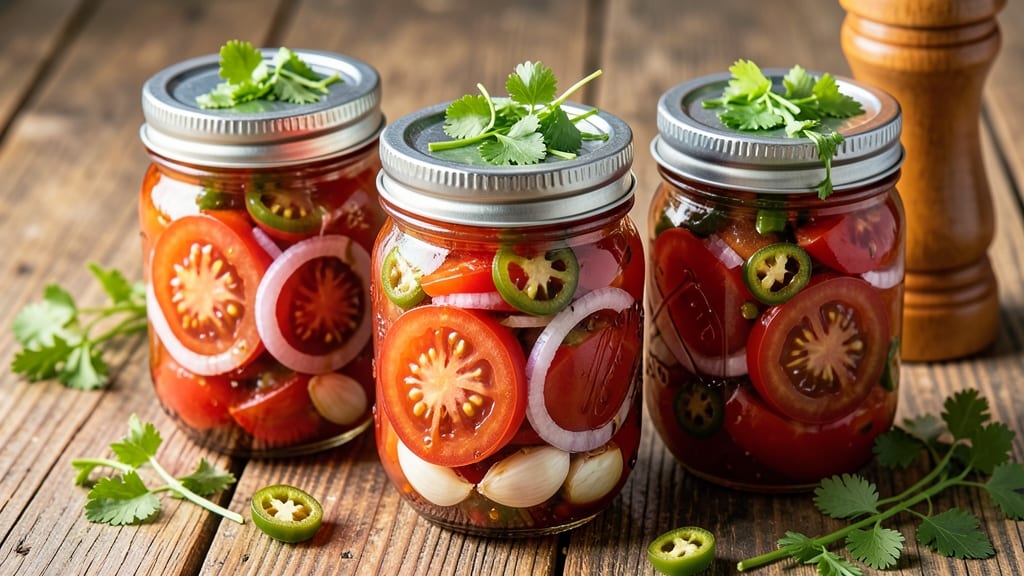
A canned salsa recipe with apple cider vinegar transforms ordinary salsa into a bright, zesty condiment that keeps beautifully for months. The acidity not only preserves the fresh flavors but also enhances the natural sweetness of tomatoes while cutting through rich dips.
This recipe delivers a perfect balance of tangy, crisp, and slightly sweet—ideal for canning and storing.
The secret lies in the vinegar ratio: 1 tablespoon per pint jar ensures proper preservation without overpowering the fresh tomato base. Sterilizing jars and lids is critical—boiling them for 10 minutes eliminates bacteria and extends shelf life.
The result is a vibrant, restaurant-quality salsa that stays fresh for up to a year when stored properly.
What sets this recipe apart is its versatility—use it on tacos, as a chip dip, or drizzled over grilled meats. The apple cider vinegar adds depth that store-bought versions lack, while the simple ingredient list makes it easy to customize.
Whether you're a canning beginner or a seasoned pro, this method guarantees foolproof results every time.
For best flavor, let the salsa sit for at least 24 hours before eating to allow the vinegar to meld with the tomatoes. The texture remains chunky and fresh, not mushy, thanks to the careful balance of acidity and fresh ingredients.
This is the kind of salsa that makes every bite brighter.
Ingredients for canned salsa recipe with apple cider vinegar
Simple, fresh ingredients that transform into vibrant canned salsa with perfect acidity balance.
| Ingredient | Amount | Notes |
|---|---|---|
| Fresh Roma Tomatoes 🍅 | 6 cups | Chopped, seeds removed |
| Apple Cider Vinegar 🍎 | ¼ cup | Raw, unfiltered preferred |
| White Onion 🧅 | 1 whole | Chopped, medium size |
| Jalapeño Peppers 🌶️ | 2 whole | Seeds removed, chopped |
| Fresh Cilantro 🌿 | ¼ cup | Chopped, stems removed |
| Garlic Cloves 🧄 | 4 cloves | Minced, fresh preferred |
| Salt 🧂 | 1 ½ tsp | Non-iodized preferred |
| Granulated Sugar 🍚 | 1 tbsp | White or raw cane |
| Canning Salt 🧂 | 1 ½ tsp | Pickling salt preferred |
| Pint Mason Jars 🍶 | 4 jar | With lids and bands |
The tomatoes are the foundation—Roma tomatoes have fewer seeds and more flavor than beefsteak varieties. Grab the heaviest, firmest ones you can find at Trader Joe's or your local farmers market. For the apple cider vinegar, raw, unfiltered brands like Bragg's add depth that pasteurized versions lack. The jalapeños can be adjusted to taste—seeds removed for mild heat, or keep them for extra kick. Cilantro is non-negotiable here; fresh is best, but if you hate cilantro, swap for parsley at the same amount.
No fresh tomatoes? Canned crushed tomatoes work in a pinch, but drain them well and add an extra tablespoon of vinegar. Short on jalapeños? Serrano peppers or red pepper flakes at half the amount deliver similar heat. The sugar balances acidity—use raw cane sugar if you prefer a less processed option, but white granulated works fine. For canning salt, Diamond Crystal is the gold standard, but any non-iodized salt works. Sterilize your jars by boiling them for 10 minutes—no shortcuts here—to ensure safe preservation.
Once canned, this salsa keeps for up to a year in a cool, dark pantry. Label jars with the date and contents—I write directly on the lid with a marker. For best flavor, let the salsa sit for 24-48 hours before opening to allow the vinegar to fully meld. The texture remains chunky and vibrant, not mushy, thanks to the careful balance of acidity. Freeze extras in ice cube trays for single-serving portions—perfect for quick dips or topping tacos.
Why You'll Love This Recipe
- No-Chop Chaos Allowed: I swear by this recipe when I’m too tired to dice onions properly. Just toss whole Roma tomatoes, raw onion, and jalapeños into the pot—no prep, no mess, and the vinegar does all the work breaking everything down.
- Tangy Kick Without Guilt: That apple cider vinegar? It’s the secret weapon. Bright, crisp, and just sharp enough to cut through the sweetness of the tomatoes—like a summer breeze in your mouth, but also actually edible.
- Party Salsa, No Stress: Serve it warm with tortilla chips at your next gathering or let it cool for a picnic spread. Honestly, I’ve used this for everything from tacos to grilled fish, and no one’s ever questioned why it’s on the table.
- Fridge Goldmine: Make a big batch—this stuff lasts weeks in the fridge, and the flavor only gets better as it sits. Between us, I’ve had this salsa months later, and it’s still my go-to for lazy nights when I don’t want to buy store-bought.
Step-by-step instructions for canning salsa with apple cider vinegar
This method delivers bright, vinegar-balanced salsa with perfect texture and safe preservation.
Prepare and Sterilize Your Equipment
Fill a large pot with water and bring to a rolling boil. While waiting, place the 4 pint mason jars, lids, and bands in the boiling water to sterilize for 10 minutes. This kills any bacteria that could spoil your salsa. Meanwhile, wash all produce thoroughly under cool running water.
For the tomatoes, cut them in half crosswise and squeeze out the seeds and excess liquid into a colander. Discard the seeds and liquid—this prevents a watery salsa. Chop the tomato flesh into ¼-inch dice using a sharp knife. I like to work in batches to keep everything fresh while prepping.
Build the Salsa Base
In a large stainless steel bowl, combine the 6 cups chopped tomatoes, 1 whole chopped white onion, 2 whole chopped jalapeño peppers (seeds removed for mild heat), and 4 minced garlic cloves. Mix gently but thoroughly to distribute all ingredients evenly. Let this mixture sit at room temperature for 15 minutes—this allows flavors to begin melding.
Add the 1.5 teaspoons salt and 1 tablespoon granulated sugar to the bowl. The salt enhances all flavors while the sugar helps balance the acidity from the vinegar. Stir well to distribute evenly. The sugar isn't just for sweetness—it also helps preserve the color of your tomatoes during canning.
Cook and Pack the Salsa
Transfer the salsa mixture to a large stockpot and bring to a boil over medium-high heat. Once boiling, reduce heat to medium and simmer for 10 minutes, stirring occasionally. This cooking step helps break down some of the cell walls in the vegetables, creating a thicker, more cohesive salsa.
While the salsa simmers, use a slotted spoon to pack it tightly into the 4 sterilized pint mason jars, leaving ½-inch headspace at the top. The headspace is crucial—it allows the lids to seal properly during processing. Tap the jars gently on the counter to remove any air bubbles. Wipe the rims with a clean, damp cloth to ensure a perfect seal.
Add Vinegar and Process for Safety
Pour the ¼ cup apple cider vinegar over the salsa in each jar, filling to within ¼ inch of the jar's top. The vinegar is essential for both flavor and safety—its acidity creates an environment that prevents botulism growth. Add the 1.5 teaspoons canning salt to each jar and mix thoroughly by stirring with a clean utensil.
Place the lids on the jars and screw on the bands until they're fingertip-tight—just snug enough to hold the lids in place, but not so tight they won't seal properly. Transfer the jars to a canning pot filled with 2-3 inches of water. Bring to a boil over medium-high heat and process for 15 minutes once boiling. This ensures your salsa is safely preserved for months.
Cool, Store, and Enjoy
Remove the jars from the canning pot using tongs and place them on a clean towel. Let them cool completely at room temperature for 12-24 hours. You'll hear the satisfying "ping" as the lids seal. Check each lid by pressing in the center—if it doesn't pop back up, your jar is properly sealed.
Store the sealed jars in a cool, dark place for up to 1 year. Once opened, refrigerate and consume within 2 weeks. The apple cider vinegar gives this salsa a bright, tangy kick that pairs perfectly with chips, tacos, or grilled meats. The texture should be chunky yet smooth, with a perfect balance of heat, acidity, and freshness.
Pro Tips For Making Canned Salsa Recipe With Apple Cider Vinegar
- CHAR THE ONIONS LOW: I learned this the hard way—sautéing onions at high heat turns them bitter and syrupy. For this salsa, cook them over medium-low until translucent (about 8-10 minutes), stirring occasionally. You want them soft but not caramelized—just sweet enough to balance the vinegar’s sharpness without overpowering the tomatoes.
- ROAST THE TOMATOES FIRST: Skip the raw chopping: Halve the Roma tomatoes, toss them with a drizzle of olive oil, and roast at 425°F (220°C) for 15-20 minutes until their skins blister and darken. The heat deepens their flavor and makes them easier to blend or crush by hand—no mushy texture, just rich, jammy goodness.
- SALT THE JALAPEÑOS: Remove seeds and membranes, then slice the peppers and sprinkle them with a pinch of salt. Let them sit 5 minutes before adding to the pot. This draws out excess moisture and mellows the heat slightly—trust me, your salsa won’t taste like a fire alarm went off.
- VINEGAR LAST, NOT FIRST: Add the apple cider vinegar at the very end, right before blending or crushing. If you toss it in early, the acid will start breaking down the tomatoes’ texture, turning your salsa into a watery sludge. A splash at the end keeps the texture bright and the flavor balanced—sharp but not harsh.
Dietary considerations for this canned salsa recipe with apple cider vinegar
Gluten-Free Friendly
This salsa recipe is naturally gluten-free—no hidden additives or thickeners that might contain gluten. The only potential concern is the canning salt or table salt, but most brands are gluten-free. Always check the label on your salt to ensure it's certified gluten-free if you're highly sensitive.
The apple cider vinegar also plays a key role here by keeping the texture vibrant and preventing any gluten-containing ingredients from being necessary. 🌾
Low-Sugar Adaptations
If you're watching your sugar intake, you can reduce the 1 tablespoon granulated sugar to just ½ tablespoon or even omit it entirely. The apple cider vinegar provides enough acidity to balance the flavors without needing extra sweetness.
For added depth, consider using a touch of raw honey (½ teaspoon) instead—it adds natural sweetness and complements the vinegar beautifully. Just be mindful of the total sugar content per serving.
Vegan and Vegetarian
This salsa is 100% plant-based and perfect for vegans and vegetarians. All ingredients are naturally vegan, and the apple cider vinegar ensures the dish remains free from animal products.
The jalapeños, garlic, and cilantro add layers of flavor that make it a versatile topping for veggie burgers, tofu tacos, or roasted vegetables. No substitutions are needed—just follow the recipe as written!
Low-Sodium Options
For a lower-sodium version, reduce the 1.5 teaspoons canning salt to ½ teaspoon or use a low-sodium salt blend. The apple cider vinegar’s tang still enhances the flavors, so you won’t miss the extra salt.
If you're using Diamond Crystal pickling salt, note that it’s coarser and contains less sodium per teaspoon than table salt, so adjust accordingly. Taste as you go—sometimes a little less salt is all you need!
Allergy Considerations
This recipe is free from common allergens like dairy, eggs, and nuts, making it safe for most allergy sufferers. However, always double-check your apple cider vinegar and salt for cross-contamination warnings if you have severe allergies.
For those with oral allergy syndrome (reacting to fresh produce), the cilantro could be a trigger—swap it for fresh parsley at the same amount. The jalapeños are also a potential irritant for some, so adjust the heat level to your tolerance.
Keto-Friendly Adjustments
To make this salsa keto-friendly, focus on the natural low-carb ingredients: tomatoes, onions, jalapeños, and garlic are all very low in net carbs. The 1 tablespoon sugar is the only carb-heavy component—simply omit it entirely.
The apple cider vinegar’s acidity will balance the flavors perfectly without needing extra sweetness. This version keeps carbs under 4g per serving (¼ cup), making it a great dip for keto diets.
Nutrition facts
Frequently asked questions
Why does this recipe use apple cider vinegar instead of white vinegar?
Apple cider vinegar adds a subtle sweetness and depth that white vinegar lacks. The natural acidity preserves the salsa while enhancing the tomato flavor with fruity notes. For a sharper tang, white vinegar works, but apple cider vinegar creates a more complex, restaurant-quality taste.
Can I adjust the heat level in this canned salsa?
Remove all seeds from jalapeños for mild heat, or keep them for extra spice. For more kick, add ½ teaspoon red pepper flakes per jar. If you love heat, swap jalapeños for serrano peppers (remove seeds for less intensity).
How do I know if my canned salsa is properly sealed?
After cooling, press the center of each lid. If it stays down (no pop), the jar is sealed. If it springs back, the seal failed—refrigerate and use within 2 weeks. Properly sealed jars can last 1 year unopened. Pro tip: Check seals within 24 hours of canning.
What if I don't have a canning pot? Can I water bath in a regular pot?
Yes, but use a deep pot with a rack or folded towel at the bottom to keep jars from touching. Ensure water covers jars by 2-3 inches and maintains a rolling boil for the full 15 minutes. Never use a slow cooker or Instant Pot—only water bath canning works for salsa safety.
Can I use this salsa in cooking instead of just as a dip?
Perfect for cooking! Use it as a marinade for grilled meats, a sauce for tacos, or a topping for baked potatoes. The apple cider vinegar adds brightness to slow-cooked dishes like chili or stews. Just reduce cooking time slightly since canned salsa has higher acidity than fresh.