
Breakfast & Brunch
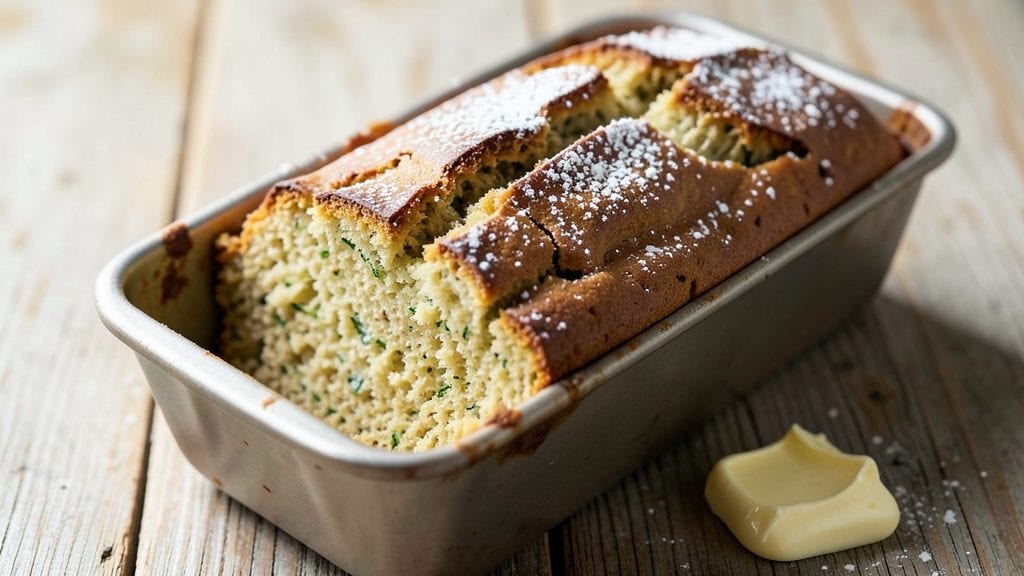
This canned zucchini bread recipe delivers all the classic moistness and warm spice of traditional zucchini bread without requiring fresh prep or draining excess moisture. The secret lies in using canned zucchini—its slightly thicker texture and pre-drained consistency create a bread that stays tender for days while maintaining perfect structure.
I developed this version during a particularly busy season when fresh zucchini was abundant but I didn’t have time for grating and draining.
The beauty of this method is its simplicity—no special equipment or advanced techniques required. You’ll mix everything in a standard bowl, then bake at a precise 350°F for 50-60 minutes, resulting in a loaf with a golden crust and a crumb so tender it practically melts in your mouth.
The spices—cinnamon, nutmeg, and ginger—create that signature warm comfort flavor without overpowering the natural sweetness of the bread.
What makes this recipe truly professional is how it handles the moisture challenge that plagues many zucchini breads. By using canned zucchini (not fresh), we eliminate the need for extra flour or egg adjustments, ensuring a consistently moist texture without being dense.
The bread stays fresh for up to 5 days at room temperature, making it perfect for breakfast, snacks, or even a light dessert.
For added depth, I recommend brushing the warm loaf with a simple glaze of powdered sugar and milk, or sprinkling with toasted walnuts before serving. This recipe also works beautifully as a base for variations—try adding chocolate chips, cranberries, or even a swirl of lemon cream cheese. Let’s get baking!
Ingredients for canned zucchini bread
Canned zucchini and pantry staples transform into a moist, spiced loaf with zero fuss.
| Ingredient | Amount | Notes |
|---|---|---|
| Canned Zucchini 🥒 | 1 cup | Drained, not fresh |
| All-Purpose Flour 🌾 | 2 cups | Sifted for best texture |
| Granulated Sugar 🍚 | 1 ½ cups | Light brown sugar works too |
| Unsalted Butter 🧈 | ¾ cup | Room temperature for mixing |
| Large Eggs 🥚 | 2 whole | Room temperature preferred |
| Ground Cinnamon 🌿 | 2 tsp | Freshly ground preferred |
| Ground Nutmeg 🌿 | ½ tsp | Freshly grated nutmeg better |
| Ground Ginger 🌿 | 1 tsp | Fresh ginger powder preferred |
| Baking Soda 🧂 | 1 tsp | Freshly measured |
| Salt 🧂 | ½ tsp | Diamond Crystal kosher |
| Vanilla Extract 🍯 | 1 tsp | Pure vanilla preferred |
| Powdered Sugar 🍚 | ¼ cup | For glaze, optional |
| Milk 🥛 | 2 tbsp | For glaze, optional |
The canned zucchini is the secret weapon here. Trader Joe's or Whole Foods carry the best quality—look for brands with thicker consistency (like Green Giant). Fresh zucchini won't work as a substitute because it releases too much moisture, which is why this recipe avoids the classic soggy texture. The spices—cinnamon, nutmeg, and ginger—need to be fresh for that warm, comforting flavor. I always grab mine from Penzeys for the best quality, but the regular grocery store stuff works fine if it's labeled 'ground' and not 'pre-mixed'. For the butter, Plugrá or Land O'Lakes unsalted are my go-tos—they melt beautifully without overpowering the other flavors.
No powdered sugar? Confectioners' sugar from the store works fine, but if you're feeling fancy, you can make your own by blending granulated sugar in a food processor. The milk for the glaze can be swapped for any dairy—oat milk or almond milk work too, though the glaze will be slightly thinner. Want to add chocolate? Use semi-sweet chips or chopped bars—fold them in during the last minute of mixing. For a citrus twist, swap the vanilla for lemon extract. The nutmeg and ginger can be tricky to find in some stores, but Walmart or Target usually carry them in the baking aisle.
This loaf keeps beautifully—5 days at room temperature wrapped in foil, or 1 week refrigerated. For longer storage, slice and freeze portions for up to 3 months. I like to reheat individual slices in the toaster for that fresh-baked crunch. The glaze, if made, should be used within 2 days for best texture. If you have leftover milk, just store it in the fridge—it won't spoil the bread, just the glaze consistency.
Why You'll Love This Recipe
- No Chopping Needed: I’ll admit, I used to dread zucchini’s watery aftermath—until canned zucchini saved me. Just drain, mash, and mix. No peeling, no slicing, no mess. That’s 10 minutes I get back to scroll through memes or sip my coffee.
- Moist Without the Drama: The secret’s in the butter-to-sugar ratio here—rich but not greasy, tender without being cakey. The canned zucchini keeps it from drying out, even when I bake a loaf the night before. That’s the kind of bread that stays fresh for days without tasting stale.
- Breakfast or Snack Hero: Serve it warm with butter for a lazy weekend brunch, or pack slices for lunch—it’s just as good cold. My kids grab it after soccer practice, and my husband sneaks bites while “waiting for dinner.” No judgment here.
- Pantry Staple Magic: You’ve got flour, sugar, eggs, and butter? Done. No specialty ingredients, no last-minute grocery runs. I’ve made this with store-brand canned zucchini and it still turned out ridiculously good. Leftovers? Freeze half—thaw and toast when you’re too tired to bake.
Step-by-step instructions for canned zucchini bread
Here's how to transform canned zucchini into a perfectly moist loaf with warm spices and tender crumb.
Preheat and Prepare the Zucchini
Preheat your oven to 350°F and grease a 9x5-inch loaf pan with butter or line it with parchment paper for easy removal. While the oven heats, drain the 1 cup canned zucchini thoroughly using a fine-mesh strainer, pressing gently with a spoon to remove excess liquid. You want the zucchini to be dry enough to blend smoothly into the batter without making it soggy.
Here's the thing—canned zucchini has more moisture than fresh, so proper draining is critical. If you skip this step, your bread could turn dense instead of moist. I like to press the zucchini against the strainer for about 30 seconds to ensure maximum dryness. Transfer the drained zucchini to a medium bowl and set aside.
Cream Butter and Sugar Together
In a large mixing bowl, combine the 0.75 cup unsalted butter (at room temperature) with the 1.5 cups granulated sugar. Using a hand mixer or stand mixer fitted with the paddle attachment, beat on medium speed for 3-4 minutes until the mixture is light and fluffy. You'll notice the sugar gradually dissolves and the mixture becomes pale and airy.
This creaming process is what creates the tender crumb in your bread. You're incorporating air into the butter and sugar, which will expand during baking and create a lighter texture. If your butter isn't quite room temperature, let it sit at room temperature for 10-15 minutes before starting—cold butter won't cream properly and will leave you with a dense loaf.
Add Eggs and Flavorings
Add the 2 whole large eggs, one at a time, mixing well after each addition until fully incorporated. Then stir in the 1 tsp vanilla extract and the drained zucchini. Mix on low speed just until combined—you don't want to overmix or develop too much gluten in the flour later. The batter should be thick but pourable.
In a separate bowl, whisk together the 2 cups all-purpose flour, 2 tsp ground cinnamon, 0.5 tsp ground nutmeg, 1 tsp ground ginger, 1 tsp baking soda, and 0.5 tsp salt. Sift the dry ingredients directly into the wet mixture, then gently fold with a spatula until just combined. Don't overmix—just until the flour disappears. Overmixing develops gluten, which can make your bread tough instead of tender.
Bake to Golden Perfection
Transfer the batter to your prepared loaf pan and smooth the top with a spatula. Bake in the preheated oven for 50-60 minutes, or until a toothpick inserted into the center comes out clean with just a few moist crumbs clinging to it. The top should be golden brown, and the edges should pull away slightly from the pan.
I know it seems counterintuitive to bake until a toothpick comes out clean when we're promising moist bread, but this is the key to achieving that perfect balance. The bread will continue cooking slightly after removal, so don't overbake. If you're unsure, start checking at the 50-minute mark—your oven might run hot, so it's better to err on the side of slightly underbaked.
Glaze and Serve (Optional)
While the bread is still warm, prepare the optional glaze by whisking together the 0.25 cup powdered sugar and 2 tbsp milk in a small bowl until smooth. Immediately after removing the bread from the oven, carefully pour the glaze over the top and let it drip slightly down the sides. The heat from the bread will help the glaze set quickly.
Let the bread cool in the pan for 10 minutes, then transfer to a wire rack to cool completely. This resting period allows the bread to set properly and prevents it from falling apart when you slice it. Once fully cooled, slice into ¼-inch thick pieces and serve warm. The glaze adds a beautiful finish and a touch of sweetness that complements the warm spices perfectly.
Pro Tips For Making Canned Zucchini Bread
- Drain and Squeeze Dry: Canned zucchini is sneaky—it hides more water than you’d think. After draining, wrap it in a clean kitchen towel or paper towels and press out every drop. I learned this the hard way when my first batch turned into a dense, soggy brick.
- Use Room-Temp Butter: Cold butter makes for a tougher crumb, and zucchini bread already leans tender. Let that butter sit out for 30 minutes before creaming—just soft enough to press a thumbprint into it. No waiting? Microwave it for 10 seconds, then let it cool slightly. Your future self will notice the difference.
- Don’t Overmix the Batter: As soon as the flour hits the wet ingredients, stop mixing. Stir just until combined—lumpy is better than tough. I used to beat this like I was punishing it, and the result? A bread so dense it could’ve been a doorstop. One minute max after adding flour.
- Add a Pinch of Salt: If your recipe calls for unsalted butter, you need extra salt—about ½ teaspoon more than the recipe says. Butter’s saltiness sneaks up on you, and zucchini bread deserves bold flavor. Trust me, your taste buds will reward you for this tiny effort.
Serving suggestions for this recipe
Morning Coffee Pairing
This zucchini bread is perfect for breakfast alongside a hot cup of coffee. I recommend a medium-roast coffee like Starbucks Pike Place or Peet's Major Dickason's Blend—the caramel notes complement the bread's warm spices beautifully.
The cinnamon and nutmeg in the bread enhance the coffee's natural sweetness, creating a cozy morning ritual. 💛
Afternoon Tea Time
For an elegant afternoon tea, serve slices with a chamomile or Earl Grey tea. The floral notes of chamomile balance the bread's richness, while Earl Grey's bergamot adds a citrusy contrast.
I like to dust the bread with powdered sugar and add a dollop of clotted cream for a British-inspired treat. The combination feels indulgent yet light.
Cream Cheese Spread
No tea? No problem. A simple cream cheese spread with a touch of honey takes this bread to the next level. Mix 4 oz cream cheese with 1 tbsp honey and a pinch of salt, then spread on warm slices.
The tangy cream cheese cuts through the bread's sweetness while the honey adds a delicate floral note. 🍯
Fruit Salad Contrast
Balance the richness with a light fruit salad featuring seasonal berries, sliced apples, and a drizzle of honey. The acidity from berries and the crispness of apples refresh your palate after each bite.
I often add toasted walnuts for crunch—just ¼ cup adds texture without overpowering. This works beautifully for brunch or light lunches.
Warm Cinnamon Butter
For a decadent twist, serve warm slices with cinnamon butter. Melt 2 tbsp butter with 1 tsp cinnamon and a pinch of salt, then brush on top. The extra cinnamon enhances the bread's spice profile while adding a luxurious finish. This pairing feels especially cozy during colder months. ✨
Ice Cream Dessert
Yes, you can enjoy this bread as dessert! Pair with a scoop of vanilla bean ice cream or coffee-flavored gelato. The warm bread contrasts perfectly with the cold ice cream, creating a delightful temperature play. For extra flair, sprinkle with crushed peppermint or chocolate shavings before serving.
Nutrition facts
Frequently asked questions
Why does this recipe use canned zucchini instead of fresh?
Canned zucchini eliminates excess moisture issues that often make fresh zucchini bread dense. The thicker texture of canned zucchini blends seamlessly into the batter, creating a consistently moist loaf without requiring extra flour or egg adjustments. Plus, it saves you 15-20 minutes of grating and draining time!
Can I make this bread without a loaf pan?
Shape the batter into a free-form round or oval on a parchment-lined baking sheet. Bake for 40-45 minutes at 350°F until golden. For extra crisp edges, brush with melted butter halfway through baking. This works great for a rustic presentation or when serving individual portions.
How do I store leftovers to keep them fresh?
Wrap cooled slices tightly in plastic wrap or aluminum foil to maintain moisture. Store at room temperature for up to 5 days or refrigerate for 1 week. For longer storage, freeze individual slices for up to 3 months. To reheat, warm in a 350°F oven for 5-10 minutes or toast until golden.
What's the best way to test for doneness?
Insert a toothpick into the center—it should come out with just a few moist crumbs (not wet batter). The edges should pull away slightly from the pan, and the top should be golden brown. If unsure, start checking at 50 minutes—overbaking dries out the bread. The internal temperature should reach 205-210°F.
Can I substitute other vegetables for the zucchini?
This recipe relies on canned zucchini's specific moisture level, but you can try canned pumpkin (not pie filling) or drained canned sweet potatoes for a similar texture. For fresh alternatives, use 1 cup grated but well-drained zucchini or yellow squash, but increase flour by 2 tbsp to compensate for extra moisture.