
Sauces & Condiments
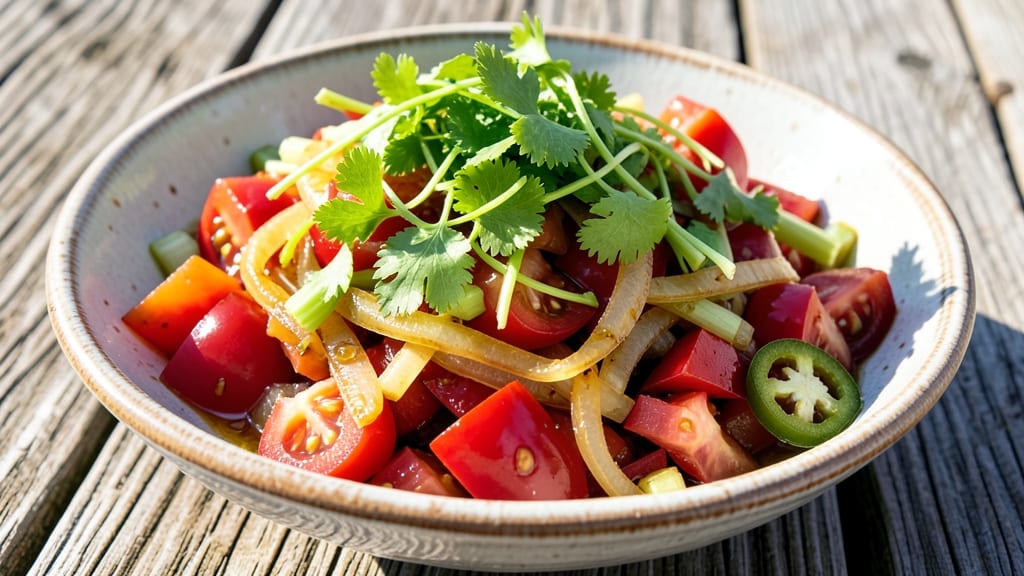
This apple cider vinegar salsa recipe from Canning Diva delivers bright, tangy flavor with a satisfying celery crunch that elevates every dish. The secret lies in balancing sweet tomatoes, sharp vinegar, and fresh herbs—creating a versatile condiment that shines on tacos, grilled meats, or even as a dip.
Perfect for canning or fresh use, this recipe ensures bold acidity without overpowering the natural sweetness of the vegetables.
The foundation of great salsa starts with fresh, ripe tomatoes and crisp celery for texture. Apple cider vinegar adds depth and shelf stability, while a pinch of salt and cumin enhances the flavors. Unlike store-bought versions, this recipe lets you control the acidity, ensuring a perfect balance every time.
The process is straightforward, whether you're making a small batch for immediate use or preparing jars for long-term storage.
What sets this salsa apart is its versatility—use it fresh for maximum brightness or can it for later. The vinegar not only preserves the flavors but also creates a tangy kick that pairs beautifully with spicy dishes or creamy toppings.
Each batch delivers a vibrant, restaurant-quality condiment that’s far superior to anything you’ll find in a jar.
Ready in under 30 minutes, this salsa is ideal for meal prep or last-minute gatherings. Whether you're a seasoned canner or a beginner, the steps are clear and foolproof. Once you taste the difference, you’ll never go back to store-bought again.
Ingredients for canning diva salsa recipe apple cider vinegar
Bright tomatoes, crisp celery, and tangy vinegar create this vibrant salsa that's perfect for canning or fresh use.
| Ingredient | Amount | Notes |
|---|---|---|
| Fresh Roma Tomatoes 🍅 | 4 cups | Chopped, cored, seeds removed |
| Fresh Celery Stalks 🥬 | 2 cups | Chopped, ribs removed |
| Yellow Onion 🧅 | 1 whole | Diced, medium size preferred |
| Apple Cider Vinegar 🍏 | ½ cup | Raw, unfiltered preferred |
| Jalapeño Pepper 🌶️ | 1 whole | Seeded, finely chopped |
| Fresh Cilantro 🌿 | ¼ cup | Chopped, stems removed |
| Ground Cumin 🌿 | 1 tsp | Toasted for deeper flavor |
| Kosher Salt 🧂 | 1 tsp | Diamond Crystal preferred |
| Garlic Cloves 🧄 | 3 cloves | Minced, fresh preferred |
| Extra-Virgin Olive Oil 🫒 | 2 tbsp | For fresh use only |
The tomatoes and celery are the stars here. Roma tomatoes have fewer seeds and more flesh than beefsteak varieties, making them ideal for salsa. Look for crisp, firm celery—Trader Joe's or Whole Foods carry the freshest stalks. For vinegar, Bragg or Texas Pete are my go-tos; they've got that perfect balance of sharpness and depth. If you can't find fresh cilantro, dried works at one-third the amount, but the flavor won't be as bright. The jalapeño can be adjusted—remove seeds for mild heat or keep them for extra kick.
No fresh tomatoes? Canned fire-roasted tomatoes in their juice work in a pinch, but drain them well first. Swap the celery for green bell pepper if you're out, though it'll change the texture. The cumin is crucial—it's what gives this salsa its signature depth. If you're canning, skip the olive oil (it doesn't preserve well) and add it fresh when serving. For extra tang, add a splash more vinegar to taste. The garlic can be roasted for a sweeter flavor—wrap whole cloves in foil and roast at 400°F for 15 minutes before mincing.
This salsa keeps for 3-4 days in the fridge if made fresh, but the real magic is canning. Properly canned batches last 12-18 months on the shelf. I always double the recipe for canning—pint jars are perfect for meal prep. For fresh use, store in an airtight container with a thin layer of vinegar on top to preserve color. The flavors actually improve after a day or two as everything melds together—trust me on this.
Why You'll Love This Recipe
- No-Fuss Chopping: I swear by this recipe because it’s the only salsa that lets me skip dicing tomatoes into tiny cubes—just rough chop those Roma and let the vinegar work its magic. The celery and onion add crunch without requiring knife gymnastics, and honestly? That jalapeño gets tossed in whole for a punch of heat with zero effort.
- Tangy Crunch Perfection: Between us, the apple cider vinegar is the star here—bright, sharp, and just sweet enough to cut through the fresh tomato’s richness. That celery? It stays crisp for days, adding a refreshing bite that makes this salsa way more interesting than your average store-bought jar. (Yes, even on a Tuesday night.)
- Game for Any Meal: This salsa is my go-to for tacos, grilled cheese, or just straight from the jar with chips—no judgment. It’s also the secret weapon in my slow-cooker pulled pork or as a topping for baked potatoes. I’ll be real: I’ve even drizzled it over scrambled eggs when I’m lazy. Works every time.
- Lasts All Week: No sad, wilted salsa here—the vinegar keeps it fresh for ages, and the celery holds its shape like a champ. I make a big batch on Sundays and it’s still vibrant by Friday, saving me money and stress. Plus, the leftovers taste just as good cold as they do fresh, so no waste. My wallet (and my taste buds) thank me.
Step-by-step instructions for canning diva's apple cider vinegar salsa
Here's how to create a vibrant salsa with perfect balance—crisp, bright, and bursting with apple cider vinegar tang.
Prep and Sauté the Vegetable Base
Heat the 2 tablespoons extra-virgin olive oil in a large skillet over medium heat. Add the diced yellow onion and cook for 3-4 minutes until softened and translucent. This foundational step builds flavor—don't rush it.
Add the 3 minced garlic cloves and cook for 30 seconds until fragrant. Then stir in the 2 cups chopped celery stalks and cook for another 5 minutes until the celery begins to soften but still maintains its crisp texture. This balance of tender and crunchy is key to the salsa's character.
Incorporate Tomatoes and Seasonings
Add the 4 cups chopped fresh Roma tomatoes to the skillet and cook for 5-6 minutes until they begin to break down slightly. This releases their natural juices, which will form the base of your salsa. Stir in the 1 teaspoon toasted ground cumin and 1 teaspoon kosher salt, mixing well to distribute the spices evenly.
Here's where the magic happens: the cumin and salt will draw out even more moisture from the vegetables, creating a perfect consistency. Let the mixture simmer gently for 2-3 minutes until the flavors meld together. You'll notice the aroma becoming more complex and inviting.
Add Vinegar and Finish with Fresh Herbs
Pour in the ½ cup apple cider vinegar and stir well. The vinegar will brighten all the flavors and help preserve the salsa's fresh taste. Cook for another 2 minutes to let the vinegar fully incorporate and mellow slightly. This step is crucial for achieving that signature tangy brightness.
Remove the skillet from heat and stir in the ½ cup chopped fresh cilantro and 1 finely chopped seeded jalapeño pepper. Let the mixture cool for 10 minutes—this allows the flavors to settle and prevents the cilantro from becoming bitter when reheated later.
Adjust Consistency and Serve
Taste your salsa and adjust the seasoning if needed. For a thicker consistency, transfer the mixture to a food processor and pulse briefly, then return to the skillet. For a thinner, more saucy texture, add 1-2 tablespoons water and stir well. The ideal consistency should be thick enough to coat the back of a spoon but still spreadable.
Let the salsa cool completely before serving. This final resting period allows all the flavors to harmonize perfectly. Serve immediately with tortilla chips, on tacos, or as a topping for grilled meats. The apple cider vinegar gives it a refreshing acidity that pairs beautifully with rich, savory dishes.
Pro Tips For Making Canning Diva Salsa Recipe Apple Cider Vinegar
- Char the Tomatoes First: Toss halved Roma tomatoes cut-side down on a dry skillet over medium-high heat for 3-4 minutes before blending. The caramelized edges add depth—no need to burn them, just let them brown. I used to skip this, and the salsa always tasted flat until I tried it.
- Seed the Jalapeño Properly: Cut the jalapeño lengthwise, scrape out seeds and membranes with a spoon—don’t just slice it open. Those white veins pack the most heat, and you’ll thank yourself later when the salsa isn’t overpowering. (Yes, even if you like spice, balance matters.)
- Salt the Celery Before Chopping: Sprinkle a pinch of salt over the celery stalks and let them sit for 5 minutes before dicing. It softens them up and draws out excess moisture, so your salsa won’t turn watery. I learned this the hard way after canning a batch that tasted like celery soup.
- Simmer the Vinegar Last: Add the apple cider vinegar only after everything else has cooked down and you’re ready to taste. Heating it too long can make the salsa taste harsh. Stir it in, taste, then adjust—this is the thing that matters most for that bright, tangy finish.
Wine and beer pairings for canning diva salsa recipe apple cider vinegar
Crisp White Wine
This salsa’s bright acidity and fresh herbs shine when paired with a crisp dry white wine like Sauvignon Blanc or Albariño. I love a New Zealand Sauvignon Blanc—its zesty citrus and herbal notes complement the apple cider vinegar perfectly.
The wine’s acidity mirrors the salsa’s tang, creating a refreshing balance. Serve chilled to enhance the refreshing quality of both dishes. 🍷
Light Beer Pairings
A Mexican lager like Modelo Especial or Pacifico is ideal for balancing the salsa’s bold flavors. The beer’s subtle malt sweetness and light carbonation cut through the vinegar’s sharpness while letting the celery and tomato shine.
For a craft option, try a wheat beer with a touch of citrus—like Allagash White. Avoid heavy IPAs or stouts, as they’ll overpower the delicate flavors. 🍺
Red Wine for Bold Dishes
If serving the salsa with grilled meats or hearty tacos, a light-bodied red like Pinot Noir or Grenache works beautifully. The wine’s fruitiness stands up to the salsa’s acidity without clashing.
I recommend a Spanish Garnacha—its bright red fruit and subtle earthiness enhance the cumin and jalapeño. Decant for 15-20 minutes to soften tannins and let the wine breathe. 🍷
Non-Alcoholic Options
For a refreshing non-alcoholic pairing, try sparkling apple cider—its effervescence and crisp sweetness mirror the salsa’s brightness. Alternatively, a ginger beer adds a spicy kick that complements the jalapeño. For a savory touch, serve with chilled hibiscus iced tea—the tartness enhances the vinegar’s tang.
These options keep the meal light and refreshing. 🍏
Seasonal Adaptations
In summer, pair with a rosé—its berry notes and acidity make it a perfect match. For fall, a dry Riesling with its honeyed apple flavors complements the apple cider vinegar beautifully.
In winter, a Champagne or Prosecco adds a festive touch while keeping the dish bright. Each season offers a unique way to elevate the salsa’s flavors. ✨
Nutrition facts
Frequently asked questions
Can I substitute apple cider vinegar with white vinegar in this salsa?
While white vinegar works in a pinch, apple cider vinegar adds depth and subtle sweetness that white vinegar lacks. For the best flavor, stick with apple cider. If you must substitute, use ½ cup white vinegar + 1 teaspoon honey to mimic the complexity. The honey helps balance the sharper acidity of white vinegar.
How do I adjust the heat level in this salsa?
For milder heat, remove all seeds and membranes from the jalapeño before chopping. For extra spice, keep the seeds and add ½ teaspoon red pepper flakes or 1 chopped serrano pepper. Always taste as you go—you can't remove heat once it's added, but you can balance it with more vinegar or fresh herbs.
What's the best way to store fresh salsa without canning?
Transfer to an airtight container and press a layer of plastic wrap directly on the surface to prevent oxidation. Store in the fridge for 3-4 days. For longer fresh storage (1 week), submerge the salsa in its own vinegar—pour ½ inch vinegar over the top before sealing. This preserves color and flavor beautifully.
Can I can this salsa in a pressure canner instead of water bath?
No, this salsa is low-acid enough that it requires a water bath canner for safety. The apple cider vinegar provides sufficient acidity for water bath canning (pH below 4.6). Pressure canning is only needed for truly low-acid foods like meats or vegetables without proper acidification. Always use a tested pH strip or follow USDA guidelines when canning.
Why does my salsa turn cloudy after canning?
Cloudiness usually means the vinegar wasn't fully incorporated or the salsa wasn't hot enough during processing. To fix it, stir in 1 extra tablespoon vinegar and reprocess for 10 more minutes. For future batches, ensure the salsa reaches a rolling boil for 5 minutes before ladling into jars. This drives out air bubbles and helps maintain clarity.