
Breakfast & Brunch
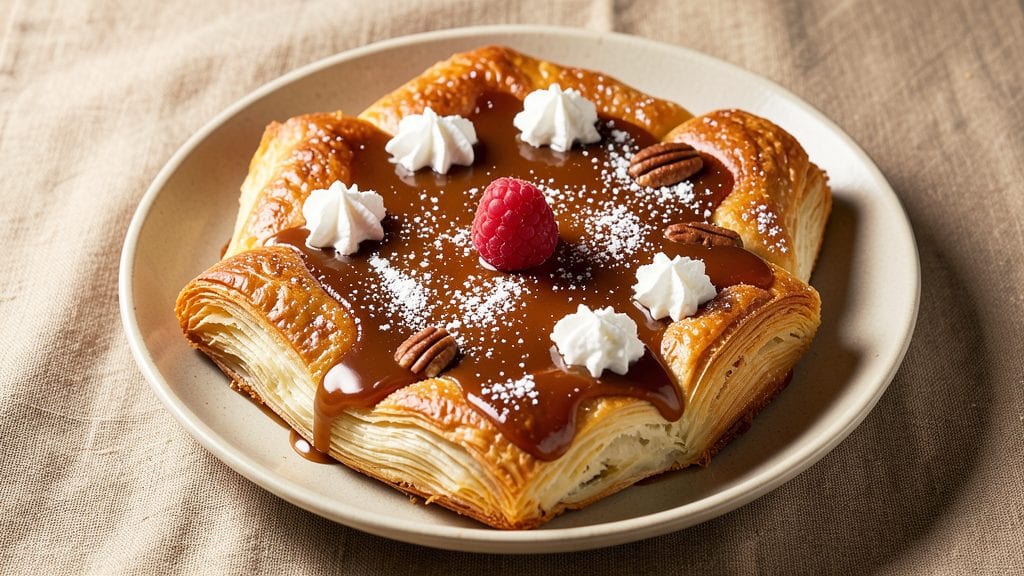
This caramel roll recipe delivers the perfect balance of fluffy layers, rich caramel filling, and smooth vanilla frosting that always impresses. After years of perfecting the technique, I’ve cracked the code for achieving that signature gooey caramel center and tender, pillowy dough—every time.
The key lies in precise dough handling and a slow-baked filling that stays irresistibly gooey while the exterior stays soft.
What sets this recipe apart is the combination of a simple yet reliable yeasted dough and a homemade caramel filling that’s easier to make than you’d think. No special equipment is needed—just patience and attention to detail during the rolling and baking stages.
The result is a dessert that looks elegant but comes together with straightforward steps, making it perfect for both beginners and experienced bakers.
Imagine slicing into golden-brown rolls with pockets of warm, gooey caramel oozing out at every cut, then topping each piece with a generous swirl of creamy vanilla frosting. The contrast of textures—soft dough, sticky caramel, and velvety frosting—creates a dessert that’s impossible to resist.
This recipe is designed to deliver that restaurant-quality experience at home, with a method that’s been tested and refined for foolproof results.
Whether you’re serving these for a weekend brunch, a holiday dessert spread, or just a sweet treat for yourself, the versatility of this recipe shines.
The dough can be made ahead and refrigerated, and the caramel filling can be prepped in advance, so you can focus on the fun part—rolling and baking—when the time comes. Let’s get started on creating these irresistible caramel rolls!
Ingredients for carmel roll
Twelve essential ingredients transform into layers of golden dough, gooey caramel, and velvety frosting.
| Ingredient | Amount | Notes |
|---|---|---|
| All-Purpose Flour 🌾 | 4 cups | Sifted for light texture |
| Granulated Sugar 🍚 | ¼ cup | Plus 2 tbsp for dough |
| Active Dry Yeast 🍞 | 2 ¼ tsp | 1 packet, room temperature |
| Unsalted Butter 🧈 | ½ cup | Cold, cubed, full-fat |
| Large Eggs 🥚 | 1 whole | Room temperature |
| Whole Milk 🥛 | ½ cup | Warm, not hot |
| Salt 🧂 | ½ tsp | Fine sea salt |
| Granulated Sugar 🍚 | 1 ½ cups | For caramel filling |
| Unsalted Butter 🧈 | 1 cup | Melted, full-fat |
| Heavy Cream 🥛 | ½ cup | Full-fat for richness |
| Vanilla Extract 🍯 | 1 tsp | Pure alcohol-free preferred |
| Powdered Sugar 🍚 | 3 cups | For vanilla frosting |
| Unsalted Butter 🧈 | ½ cup | Softened, for frosting |
| Vanilla Extract 🍯 | 1 ½ tsp | For frosting |
| Milk 🥛 | 2 tbsp | For frosting consistency |
The yeast and butter are critical for that signature pillowy texture. King Arthur Flour or Gold Medal are ideal for their protein balance—avoid bread flour, which can make the dough tough. For the yeast, Saf-Instant works best since it doesn’t require proofing in liquid. Store your butter in the fridge until use to maintain proper temperature. The milk should be warm to the touch but not hot—think lukewarm bathwater. If your kitchen runs warm, chill the dough briefly before rolling to prevent overproofing. For the caramel, Land O’Lakes unsalted butter melts cleanly without overpowering flavors.
Substitutions can be made, but with caution. Bread flour can replace all-purpose at a 1:1 ratio, but the dough will be slightly chewier. No heavy cream? Half-and-half or whole milk works, though the caramel will be less rich. For the frosting, powdered sugar can be swapped for confectioners' sugar, but sift it well to avoid lumps. The vanilla extract is non-negotiable—imitation extracts contain alcohol and can alter the flavor. If you’re short on time, pre-made caramel sauce (like Smucker’s) can be used, but homemade delivers superior texture. For the dough, if you forget to proof the yeast, mix it directly with warm milk and let it sit for 5 minutes before adding to the flour.
The dough can be refrigerated for up to 24 hours before rolling, which actually improves flavor. Wrap it tightly in plastic wrap to prevent drying. The caramel filling should be made fresh or stored in an airtight container for 3 days in the fridge—it thickens as it cools, so reheat gently before using. The frosting can be prepared 1 day ahead and stored in the fridge, though it will firm up slightly. To serve, slice the rolls with a serrated knife for clean cuts, and use a piping bag fitted with a star tip to create elegant swirls. Leftovers keep for 3 days when stored properly, though they rarely last that long.
Why You'll Love This Recipe
- No Yeast Struggles: I’ve made carmel rolls that turned out dense or flat—until I learned the trick of letting the yeast proof in warm milk first. That first rise? Smooth, predictable, and always puffs up perfectly. No more guessing if I killed the yeast or left it too long.
- Buttery-Sweet Magic: The moment you slice into that golden roll—warm, caramelized sugar crust giving way to tender, buttery layers—is pure indulgence. I swear, the combo of melted butter and sugar in the dough makes these taste like a bakery’s secret. (Between us, my husband steals them straight from the pan.)
- Weeknight to Brunch: These rolls are my go-to for lazy mornings or last-minute gatherings. Toss them in a pull-apart loaf for Sunday brunch, or slice and toast for a quick breakfast. Honestly, I’ve even used them to soak up gravy at holiday dinners—no one’s complained yet.
- Budget-Friendly Stretch: A single batch feeds my family of four for days. Freeze extras, reheat in the oven, and they’re fresh again. I’ll be real: the sugar makes them feel special, but the cost per serving is laughably low. That’s how you justify dessert for dinner.
Step-by-step instructions for swirled caramel rolls
Here's how to create perfectly flaky layers with gooey caramel centers and smooth vanilla frosting.
Activate the Yeast and Prepare the Dough
In a large mixing bowl, combine the 0.5 cup warm whole milk with the 2.25 tsp active dry yeast and 0.25 cup granulated sugar. Let this mixture sit for 5-10 minutes until it becomes frothy and bubbly—this confirms your yeast is active. If it doesn't bubble, start over with fresh yeast.
Add the 4 cups all-purpose flour and 0.5 tsp salt to the bowl. Make a well in the center and pour in the 1 whole large egg and 0.5 cup cold unsalted butter (cubed). Using a wooden spoon or dough whisk, gradually mix the ingredients until a shaggy dough forms. The butter should be fully incorporated but still visible in small pieces.
Knead Until Smooth and Elastic
Turn the dough onto a lightly floured surface and knead for 8-10 minutes until smooth and elastic. You'll know it's ready when the dough springs back slowly when poked and no longer sticks to your fingers. If the dough feels too sticky, add 1 tablespoon flour at a time until it's manageable.
Shape the dough into a ball, place it back in the bowl, and cover with a clean kitchen towel. Let it rise in a warm place for 1-1.5 hours or until it has doubled in size. The dough should feel light and airy when pressed gently—this indicates proper fermentation for flaky layers.
Roll and Spread the Caramel Filling
Once the dough has risen, punch it down to release air and roll it out on a lightly floured surface into a 12x18-inch rectangle (about ¼-inch thick). In a small saucepan, melt the 1 cup unsalted butter over medium heat, then stir in the 1.5 cups granulated sugar and 0.5 cup heavy cream. Bring to a gentle boil, stirring constantly, until the mixture thickens to a soft-ball stage (around 235-240°F on a candy thermometer).
Remove from heat and immediately pour the caramel mixture evenly over the rolled-out dough, leaving a ½-inch border around the edges. Quickly roll the dough tightly from the long side, using even pressure to create a log. The caramel should ooze slightly from the sides—this ensures gooey pockets when baked.
Cut and Bake the Rolls
Using a sharp serrated knife, cut the log into 12 equal pieces (about 1.5 inches each). Arrange the rolls cut-side down in a greased 9x13-inch baking pan, leaving ½-inch space between each roll. Cover loosely with a towel and let them rise for 30-45 minutes until puffy.
Preheat your oven to 350°F. Bake the rolls for 25-30 minutes until golden brown on top and the caramel is bubbling through the cuts. If the tops brown too quickly, tent with foil to prevent over-browning. The rolls are done when they pull away slightly from the pan edges and smell richly caramelized.
Frost and Serve Warm
While the rolls are still warm, beat the 0.5 cup softened unsalted butter with the 3 cups powdered sugar, 1.5 tsp vanilla extract, and 2 tbsp milk until smooth and fluffy. Spread the frosting evenly over the top and sides of the rolls, letting it drip slightly down the sides for that classic caramel roll look.
Serve immediately for the ultimate experience—warm, gooey caramel oozing with every bite, complemented by the smooth vanilla frosting. For best results, enjoy within 2 hours of baking while the caramel remains soft and stretchy.
Pro Tips For Making Carmel Roll
- Weigh Your Flour: Ditch the scoop-and-sweep method—this dough is unforgiving with volume measurements. Use a kitchen scale for the flour (about 350g for most recipes) to avoid dense, tough rolls. I learned this the hard way when my first batch turned out like hockey pucks instead of pillowy clouds.
- Proof at Room Temp: Skip the fridge for proofing—lukewarm (not hot) water and a spot near your oven (with the light on) works best. The dough should double in 1–1.5 hours. Cold proofing slows things down; this roll needs speed to stay tender, not chewy.
- Roll, Not Pound: Use your knuckles or a rolling pin to gently press the dough into a rectangle—no hammering. Overworking it after shaping activates the gluten, and your caramel rolls will fight back with toughness. Think "coax," not "smash."
- Butter in Layers, Not Blobs: Chill the butter between layers (even if the recipe skips it) to prevent soggy rolls. Cut it into thin squares and place them evenly—no clumps. My grandmother swore by this, and her rolls stayed flaky for days. (Yes, even if you’re impatient like me.)
Regional styles of carmel roll
Classic Midwest Style
In the Midwest, caramel rolls are often baked in square pans rather than rounds, creating a rustic, golden crust that contrasts beautifully with the gooey filling.
I prefer using King Arthur Flour for its tender texture and a candy thermometer to hit the perfect 235-240°F caramel stage—this ensures the filling stays soft but not runny. The frosting here is typically lighter, using powdered sugar and a touch of vanilla bean paste for extra depth. 🌟
Swedish Cardamom Twist
Swedish bakeries often infuse their caramel rolls with cardamom—just ½ teaspoon ground cardamom in the dough or caramel adds a warm, aromatic note that pairs perfectly with the sweetness. I like to use Swedish-style butter (like Arla) for its higher fat content, which makes the dough richer.
The frosting sometimes includes a splash of sour cream for tanginess, balancing the caramel’s sweetness. This variation is especially popular during Midsommar celebrations. 🌿
Southern Cream Cheese Version
In the Southern U.S., caramel rolls often feature a cream cheese filling layered between the dough and caramel. I recommend using Philadelphia cream cheese softened with 2 tablespoons heavy cream before spreading.
The cream cheese adds a tangy contrast to the sweet caramel, and the dough is often brushed with egg wash for extra shine. Serve warm with a dusting of powdered sugar for a nostalgic touch. 🧀
Japanese Matcha Fusion
For a modern twist, Japanese bakeries incorporate matcha powder into the dough or frosting. I use 1 teaspoon ceremonial-grade matcha mixed into the caramel filling for an earthy, vibrant flavor.
The frosting can also include white chocolate ganache for a luxurious finish. This variation is perfect for tea lovers and adds a subtle bitterness that complements the caramel’s richness. 🍵
German Buttercream Topping
German-style caramel rolls often replace vanilla frosting with buttercream, made by whipping ½ cup softened butter with 2 cups powdered sugar and 1 teaspoon almond extract.
The buttercream is spread thickly and piped into decorative swirls, creating a textured contrast to the smooth caramel. This version is especially popular during Oktoberfest celebrations. 🍺
French Pain au Chocolat Adaptation
For a French-inspired take, replace the caramel filling with dark chocolate ganache made from ½ cup heavy cream and 8 ounces dark chocolate. The dough is rolled thinner (about ⅛-inch thick) and cut into rectangular strips, then baked until golden.
The frosting is often replaced with a chocolate glaze for a decadent finish. This version is lighter but equally indulgent. 🍫
Nutrition facts
Frequently asked questions
Why does my caramel filling turn hard instead of staying gooey?
Overcooking the caramel is the most common culprit—it needs to reach 235-240°F (soft-ball stage) but shouldn't boil vigorously. Use a candy thermometer for precision, and remove the pan from heat immediately once it hits the target temperature. Also, ensure your heavy cream is full-fat and properly incorporated.
Can I make the dough ahead of time?
The dough can be refrigerated for up to 24 hours before rolling, which actually enhances flavor. Wrap it tightly in plastic wrap to prevent drying. Let it sit at room temperature for 30 minutes before rolling to make it more pliable. The caramel filling should be made fresh or stored separately for no more than 3 days.
How do I fix underproofed dough?
If your dough rises too quickly or doesn't double in size, it's underproofed. Place the covered bowl in a warm spot (like a turned-off oven with the light on) for an additional 30-45 minutes. Gently press the dough—it should spring back slowly. If it still feels dense, let it rise another 15 minutes before proceeding. Never skip proofing; it's crucial for flaky layers.
What's the secret to clean cuts when slicing?
Use a sharp serrated knife and dip it in hot water between cuts to prevent sticking. Cut the log while it's still warm but fully baked—this ensures clean slices. For extra precision, chill the baked rolls for 10 minutes before cutting. The knife should glide through without tearing the dough.
Can I substitute cream cheese for the caramel filling?
Yes! For a Southern-style twist, spread 8 ounces softened cream cheese mixed with 2 tablespoons heavy cream and 1 teaspoon vanilla before adding the caramel. This adds a tangy contrast that balances the sweetness. The cream cheese layer should be thin—about ¼-inch thick—to avoid a dense texture.