
Sauces & Condiments
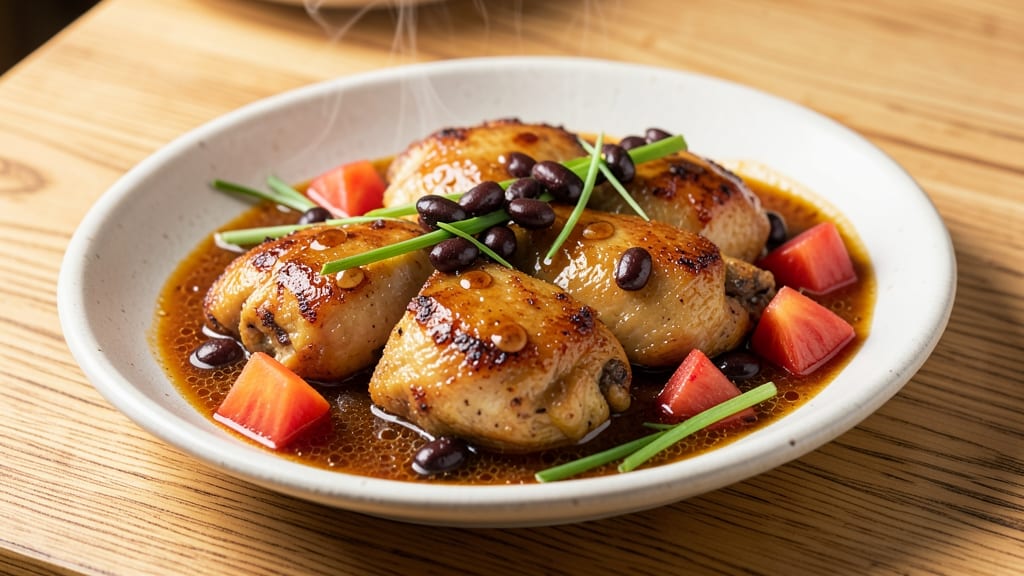
This Chinese pineapple chicken sauce recipe transforms ordinary chicken into restaurant-quality bites with its perfect balance of sweet, tangy, and umami flavors. The secret lies in combining pineapple juice, soy sauce, and aromatic garlic-ginger paste, creating a glaze that caramelizes beautifully while cooking. I developed this sauce after years of testing—it’s the one that finally stuck, delivering that signature tangy-sweet profile without overpowering the natural taste of the chicken.
The beauty of this sauce is its versatility—it works equally well as a marinade, stir-fry glaze, or dipping sauce for grilled chicken. What sets it apart is the umami depth from soy sauce and fermented black beans, which elevates the sweetness of the pineapple into something complex and layered.
The recipe includes a simple cornstarch slurry to thicken the sauce just enough for clinging to every bite, ensuring no drips or mess.
By the time you’re done, you’ll have a glossy, sticky-sweet sauce with just the right amount of tang to cut through the richness of the chicken. It’s the kind of sauce that makes weeknight dinners feel like a special occasion—bright, aromatic, and impossible to resist.
The best part? It keeps well in the fridge for up to five days, so you can make a big batch and use it all week.
Pair it with stir-fried chicken, grilled skewers, or even as a dipping sauce for spring rolls. Here’s how to make it—simple, foolproof, and guaranteed to impress.
Ingredients for chinese pineapple chicken sauce
Sweet, tangy, and packed with umami depth—this sauce delivers restaurant-quality flavor in minutes.
| Ingredient | Amount | Notes |
|---|---|---|
| Fresh Pineapple Juice 🍍 | ¾ cup | Straight from can or fresh-squeezed |
| Light Soy Sauce 🥢 | ½ cup | Kikkoman preferred for balance |
| Garlic-Ginger Paste 🧄 | ¼ cup | Homemade or store-bought |
| Brown Sugar 🍚 | ¼ cup | Light or dark variety |
| Rice Vinegar 🍶 | ¼ cup | Seasoned preferred for depth |
| Fermented Black Beans 🫘 | ¼ cup | Mashed for umami punch |
| Cornstarch 🌾 | 1 tbsp | For perfect thickening |
| Sesame Oil 🫒 | 1 tbsp | Toasted sesame preferred |
| Red Chili Flakes 🌶️ | ½ tsp | Adjust for heat preference |
| Green Onions 🧅 | 2 whole | Sliced for garnish |
The pineapple juice is the star here, so pick fresh or high-quality canned—none of that watery stuff. Kikkoman soy sauce is my go-to for that perfect balance of saltiness without overpowering, but any good light soy will work. For the garlic-ginger paste, homemade is ideal (just blend garlic, ginger, and a splash of water), but store-bought works in a pinch. The brown sugar should be light—it dissolves better and keeps the sauce from getting too dark. Seasoned rice vinegar adds a subtle tang that regular vinegar can't match—worth hunting down at an Asian market if you're serious about authenticity.
No fermented black beans? Mashed soybeans or even a dash of soy sauce plus a pinch of MSG can mimic that umami depth. Short on cornstarch? Arrowroot powder at the same amount works just as well. The sesame oil is non-negotiable for that nutty aroma—toasted sesame oil has more depth than regular. If you're sensitive to heat, skip the chili flakes entirely or use half the amount. The green onions are just for garnish, but they add a fresh finish that ties everything together—don't skip them if you want that restaurant-quality look.
This sauce keeps beautifully in an airtight container in the fridge for up to 5 days, and it actually tastes better the next day as the flavors meld. For longer storage, freeze portions in ice cube trays—just thaw and stir before using. I like to double the batch and use half for chicken, half for stir-fry veggies. The sauce thickens as it cools, so always reheat gently on low heat, stirring constantly to avoid clumping. If it gets too thick, a splash of water or pineapple juice brings it right back.
Why You'll Love This Recipe
- Pantry-Friendly Magic: I keep a jar of that garlic-ginger paste in my fridge just for this—no chopping, no mess, and it cuts the prep to five minutes flat. The pineapple juice adds natural sweetness without extra work, and honestly? That brown sugar caramelizes in the pan like a secret weapon.
- Sweet-Savory Balance: The vinegar cuts through the richness, while the pineapple juice keeps it bright and tangy—not cloying, not heavy. That crispy chicken edge with the sticky-sweet sauce? It’s the kind of bite that makes you reach for seconds without thinking.
- Weeknight & Meal Prep: Double the sauce, halve the effort. I toss half the batch into the fridge for stir-fries later or drizzle it over rice bowls—it’s my go-to when I’m too tired to plan. Even my picky teenager asks for it, and that’s saying something.
- Budget Stretch: Light soy sauce and brown sugar make this cheaper than takeout, and pineapple juice lasts longer than you’d think. I’ve made this for date nights, potlucks, and lazy Sundays—it’s unfussy, reliable, and always a crowd-pleaser.
Step-by-step instructions for Chinese pineapple chicken sauce
Here's how to craft this vibrant, multi-layered sauce that balances sweet, tangy, and umami flavors perfectly.
Build the Flavor Base
In a medium saucepan, combine the 0.75 cup fresh pineapple juice, 0.5 cup light soy sauce, 0.25 cup garlic-ginger paste, and 0.25 cup brown sugar. Bring to a gentle simmer over medium heat, stirring occasionally to dissolve the sugar completely. You'll notice the aroma immediately intensify as the garlic and ginger infuse into the liquid.
The pineapple juice should bubble steadily but not boil vigorously—this prevents the sauce from developing a harsh flavor. Let it simmer for 5-7 minutes until the mixture reduces slightly and becomes fragrant. This foundational step creates the sweet-tangy backbone of your sauce. If you're using canned pineapple juice, make sure it's 100% pure with no added preservatives for the best flavor.
Incorporate Umami Layers
Add the 0.25 cup mashed fermented black beans and 0.25 cup rice vinegar to the saucepan. Stir well to combine, then reduce the heat to low. The fermented black beans will dissolve gradually, adding their deep umami richness to the sauce. Let the mixture simmer gently for another 5 minutes, stirring occasionally to prevent sticking.
Here's where the magic happens—the fermented black beans break down and meld with the other ingredients, creating that signature Chinese restaurant sauce complexity. You'll see the sauce darken slightly and thicken as it cooks down. Taste a small spoonful at this stage to check the balance—it should be sweet, tangy, and slightly salty with a hint of funk from the black beans.
Thicken and Season
In a small bowl, whisk together the 1 tbsp cornstarch with 2 tablespoons of cold water until smooth. Slowly pour this slurry into the simmering sauce while stirring constantly. The cornstarch will begin to thicken the sauce almost immediately. Continue cooking on low heat for 2-3 minutes until the sauce reaches your desired consistency—it should coat the back of a spoon but still be pourable.
Remove the sauce from heat and stir in the 1 tbsp sesame oil and 0.5 tsp red chili flakes. The sesame oil adds nutty depth while the chili flakes introduce a subtle heat that brightens all the other flavors. Let the sauce rest for 5 minutes off the heat—this allows all the flavors to fully meld together. The sauce should now have a glossy sheen and perfect balance of sweet, tangy, salty, and umami notes.
Finish and Garnish
Slice the 2 whole green onions into thin rings, separating the white and green parts. Add the white parts to the sauce and simmer for 1 minute to infuse their mild onion flavor. Then remove from heat and stir in the green parts for freshness. The green onions will add a bright, crisp contrast to the rich sauce.
For the best results, use this sauce immediately over grilled or roasted chicken, but it will keep in the refrigerator for up to 5 days in an airtight container. The flavors actually improve slightly as they meld together over time. When ready to serve, give the sauce a quick stir and adjust seasoning if needed—perhaps a touch more soy sauce for saltiness or a splash of rice vinegar for tang.
Pro Tips For Making Chinese Pineapple Chicken Sauce
- Simmer Low and Slow: The sauce needs time to marry flavors, not burn. After the initial sear, drop heat to a gentle simmer—think tiny bubbles, not a rolling boil—and let it cook uncovered for at least 15 minutes. I used to rush this, and the sauce always tasted flat; patience pays off.
- Strain That Juice: Fresh pineapple juice is non-negotiable, but strain it twice—first through a fine-mesh sieve, then a cheesecloth—if you want a silky sauce. The extra effort removes pulp that can make the sauce clingy and unevenly thickened. (Yes, it’s tedious, but your sauce will thank you.)
- Balance the Sweet-Sour: Taste the sauce before adding rice vinegar, then adjust in small increments. Too much vinegar kills the sweetness; too little leaves it tame. I learned this after dumping half a bottle in once—now I add 1 teaspoon at a time, waiting 2 minutes between additions.
- Toast the Garlic-Ginger Paste: Sauté the garlic-ginger paste in oil for 30 seconds until fragrant before adding liquids. This deepens the aroma and prevents the sauce from tasting raw. (I know, it’s just a minute, but it makes a real difference.)
Pro cooking tips for great chinese pineapple chicken sauce
Saucepan Selection
Use a medium saucepan with sloped sides—I prefer All-Clad stainless steel—to prevent spills when stirring. The sloped design helps control splatter from the simmering pineapple juice and soy sauce combo.
A nonstick pan works too, but stainless steel distributes heat more evenly for consistent thickening. Avoid large pans—the sauce needs room to reduce properly without boiling over. 🔥
Heat Control Secrets
Start on medium heat until the sauce reaches a gentle simmer, then reduce to low once the black beans are added. Too high heat causes the pineapple juice to boil vigorously, which can make the sauce taste harsh.
I use a thermometer to monitor—ideal simmer temp is 180-190°F. If the sauce starts to bubble too hard, immediately reduce heat or move to a colder burner spot.
Slurry Timing
Add the cornstarch slurry gradually while stirring constantly with a heat-resistant spatula. Pour it in a slow stream along the side of the pan to prevent clumping. If you add it all at once, you risk creating lumps that won't dissolve.
For extra insurance, I like to whisk the slurry in a separate bowl first, then drizzle it into the sauce while stirring vigorously. This ensures a silky-smooth finish every time. 💫
Flavor Balancing
Taste the sauce twice during cooking: once after adding black beans and again after thickening. Adjust with extra soy sauce for saltiness, rice vinegar for tang, or brown sugar for sweetness.
The fermented black beans should contribute a deep, funky umami—if it's too mild, add ½ tsp MSG or an extra 1 tbsp mashed beans. The goal is a perfect 60/30/10 ratio of sweet/tangy/umami.
Resting Matters
Let the sauce rest for 5 minutes off the heat before using. This crucial step allows the cornstarch to fully set and flavors to meld. I often cover the pan loosely with a lid to trap steam, which helps the sauce develop a glossy sheen.
Skipping this step can result in a sauce that's either too thin or has separated flavors. Pro tip: Use this resting time to prep your chicken or veggies while the sauce finishes. ⏰
Reheating Properly
If storing leftovers, reheat the sauce gently on low heat, stirring constantly to prevent clumping. Add 1-2 tsp water or pineapple juice if it thickens too much. Microwave reheating is risky—it can create hot spots that burn your mouth.
For best results, transfer the sauce to a small saucepan and warm it just until it reaches 160°F, stirring every 30 seconds. This maintains the perfect consistency every time. 💡
Nutrition facts
Frequently asked questions
Can I use regular pineapple juice instead of fresh?
Yes, but choose 100% pure pineapple juice with no added water or preservatives for the best flavor. Canned juice works fine, but avoid "cocktail juice" mixes—they often contain added sugar that can throw off your sauce's balance. Fresh pineapple juice has more natural enzymes that help develop deeper flavor during cooking.
What's the best way to substitute fermented black beans?
If you can't find fermented black beans, mash 2 tbsp soybeans with 1 tsp soy sauce and ½ tsp MSG for umami depth. Alternatively, use 1 tbsp miso paste mixed with 1 tsp water—it adds that same funky, savory quality. Just remember these substitutes won't be identical, but they'll still give you that signature tangy-sweet profile.
How do I prevent the sauce from getting too thick?
If your sauce thickens too much, immediately add 1-2 tsp pineapple juice or water while stirring on low heat. For prevention, reduce the cornstarch to ½ tbsp if you prefer a thinner consistency. The sauce will naturally thicken more as it cools, so always reheat gently and add liquid gradually until you reach your desired texture.
Can I make this sauce ahead of time?
This sauce actually tastes better after resting. Store it in an airtight container in the fridge for up to 5 days, or freeze portions in ice cube trays for up to 3 months. When reheating, warm it gently on low heat with 1 tsp liquid to restore consistency. The flavors meld beautifully overnight, making it perfect for meal prep.
What's the best way to use leftover sauce?
Use it as a marinade for 30 minutes before grilling chicken, or drizzle over stir-fried veggies. It also makes an amazing dipping sauce for spring rolls or egg rolls. For extra flavor, add 1 tsp sesame oil when reheating. The sauce works well with pork or tofu too—just reduce the soy sauce slightly to balance the protein's saltiness.