
Main Courses
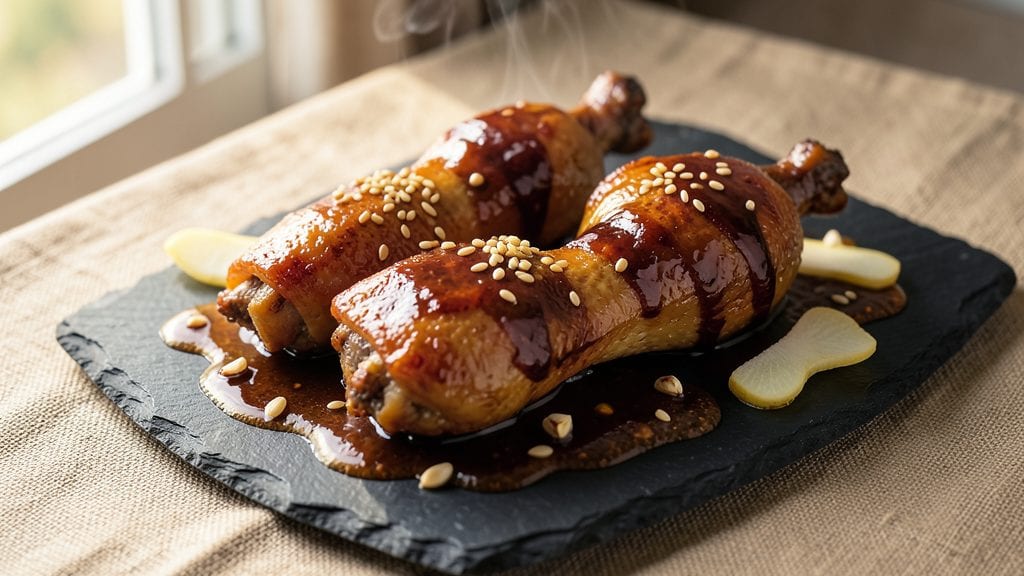
This Chinese roast duck legs recipe turns a simple weeknight dinner into a showstopping meal with just one pan. The secret lies in high-heat roasting to create that signature crispy bark while keeping the meat impossibly tender inside—a technique that takes patience but delivers foolproof results every time.
I’ve perfected this method after years of trial and error, ensuring the skin stays crackling without drying out the meat.
This recipe simplifies traditional methods by focusing on three key steps: marinating the duck for maximum flavor, roasting at precise temperatures to develop the bark, and basting with rendered fat to lock in juiciness.
No special equipment is needed—just a heavy oven-safe pan and a little time. The result? Duck legs with a golden, shatteringly crispy exterior and meat so tender it falls apart at the touch.
What makes this dish truly special is the balance of textures and flavors—savory, slightly sweet, and rich, all in one bite. The crispy skin gives way to succulent meat, while the hoisin glaze adds a glossy, tangy finish that ties everything together.
Serve with steamed jasmine rice and quick-pickled vegetables for a complete meal that feels both comforting and elegant.
Whether you're hosting a dinner party or treating yourself to a luxurious meal at home, this recipe delivers professional-quality results with minimal effort. The process is straightforward, but the reward is undeniable—crispy, juicy duck legs that will have everyone asking for seconds. Let’s get started!
Ingredients for chinese roast duck legs
Four duck legs, twelve simple ingredients, and one pan for legendary crispy skin.
| Ingredient | Amount | Notes |
|---|---|---|
| Duck Legs 🦆 | 4 whole | Bone-in, skin-on, 1.5-2 lbs each |
| Hoisin Sauce 🍶 | ¼ cup | Store-bought or homemade |
| Soy Sauce 🥢 | ¼ cup | Light or dark, not reduced |
| Brown Sugar 🍯 | ¼ cup | Packed, light or dark |
| Garlic Cloves 🧄 | 6 cloves | Minced, fresh preferred |
| Fresh Ginger 🌿 | 1 tbsp | Grated, peeled, fresh preferred |
| Sesame Oil 🫒 | 1 tbsp | Toasted, not flavored |
| Olive Oil 🫒 | 2 tbsp | For searing, high smoke point |
| Salt 🧂 | 1 ½ tsp | Kosher or sea salt |
| Black Pepper 🌶️ | ½ tsp | Freshly ground preferred |
| Five-Spice Powder 🌶️ | ½ tsp | Authentic blend, not substitute |
| Jasmine Rice 🍚 | 1 ½ cups | Uncooked, long-grain preferred |
| Water 💧 | 3 cups | Filtered preferred for rice |
The duck legs are the star—look for plump, bone-in legs with intact skin at specialty butchers or the meat section of Whole Foods or Trader Joe's. Freshness matters: the skin should be pale and slightly glossy, not yellowed or dry. If buying frozen, thaw overnight in the fridge—never at room temperature. For extra insurance, pat the skin dry with paper towels before marinating. Costco sells pre-portioned duck legs that work perfectly for this recipe, saving you from trimming excess fat. The five-spice powder should be authentic—brands like Penzeys or Spicewalla carry the real deal, but check the label for a full list of spices (star anise, cloves, fennel, etc.)
No hoisin sauce? Mix 2 tbsp soy sauce, 1 tbsp honey, and 1 tsp rice vinegar for a quick substitute. Swap brown sugar for white sugar or maple syrup (reduce liquid slightly if using syrup). Fresh ginger and garlic can be replaced with 1 tsp each of ground ginger and garlic powder, though fresh is ideal. For the sesame oil, toasted sesame oil is non-negotiable—regular sesame oil lacks the nutty depth. The olive oil should be light or extra-light to avoid overpowering flavors. If you can't find jasmine rice, basmati rice works in a pinch, though the aroma differs slightly. The duck marinade can sit for up to 12 hours in the fridge for deeper flavor infusion.
Duck legs keep best in the fridge for 3-4 days if uncooked, wrapped tightly in plastic. Cooked duck reheats beautifully—warm in a 300°F oven for 10-15 minutes to restore crispiness. The rendered duck fat can be stored in a jar in the fridge for up to 2 weeks and reused for frying or basting. For a restaurant-quality touch, reserve 1 tbsp of the rendered fat to drizzle over the finished dish. The hoisin glaze freezes well for 3 months, making it perfect for batch cooking. Steamed rice holds for 2 days in the fridge, but reheats best when kept separate from the duck to maintain texture.
Why You'll Love This Recipe
- No-Fuss Roast: I swear, this takes less effort than ordering takeout. Pat the duck legs dry, slather them with hoisin and soy—no fancy marinating, just 45 minutes in the oven while you fold laundry or scroll through memes. The brown sugar caramelizes into a sticky glaze that does all the work.
- Sweet-Savory Magic: That balance of hoisin’s tangy depth and brown sugar’s caramelized punch? It’s like a flavor hug. The garlic cloves sizzle into crispy little bites that add texture with every bite—crunchy edges, juicy meat, and a sauce that clings like it’s been waiting for you.
- Lunchbox Hero: Between us, these duck legs are my secret weapon for packed lunches. Shred the meat after roasting, toss it with rice, and you’ve got a meal that tastes like a restaurant but costs pennies. (Yes, even on a Tuesday night.) The leftovers? Even better the next day—if they last that long.
- Budget Feast: Honestly, duck legs are the unsung hero of affordable proteins. A whole chicken costs more, but duck legs feed four for less, with rich flavor that makes them feel special. Plus, the sauce ingredients? Pantry staples you already own. This is the kind of recipe that makes you question why you ever bought expensive cuts.
Step-by-step instructions for Chinese roast duck legs
Here's how to achieve that signature crispy bark and tender meat without complicated techniques.
Prepare the Duck Legs for Maximum Crisp
Pat the 4 whole duck legs completely dry with paper towels, inside and out. Remove any excess fat from the skin surface to prevent steam from forming during roasting. This drying step is critical for developing that signature crispy bark.
In a small bowl, combine the 0.25 cup hoisin sauce, 0.25 cup soy sauce, 0.25 cup packed brown sugar, 0.5 tsp five-spice powder, and 0.5 tsp black pepper. Whisk until the brown sugar dissolves completely. This marinade will penetrate the meat while creating a sticky glaze for caramelization.
Brush this marinade generously over all surfaces of the duck legs, including the cavity. Let them sit at room temperature for 30 minutes while you prepare the remaining elements. This resting period ensures even cooking and maximum flavor absorption.
Build the Flavor Base in the Pan
Heat a large oven-safe skillet over medium-high heat. Add the 2 tablespoons olive oil and allow it to get just smoking hot. This high heat is essential for creating that deep, golden-brown crust we're after.
Add the 6 minced garlic cloves and 1 tablespoon grated fresh ginger to the pan. Sauté for 30 seconds until fragrant but not browned. Immediately remove the pan from heat and stir in the 1 tablespoon sesame oil. This prevents burning while infusing the oil with aromatic flavors.
Return the pan to medium heat and place the duck legs skin-side down. Press down gently on each leg with a spatula for 10 seconds to ensure full contact with the hot surface. This initial sear locks in juices while creating the foundation for crispy skin.
Roast to Crispy Perfection
Transfer the skillet to a preheated 375°F oven. Roast the duck legs for 45 minutes, turning them skin-side up halfway through. The skin should develop a deep golden-brown color and begin to crisp up noticeably.
After 45 minutes, carefully flip the duck legs back to skin-side down. Increase the oven temperature to 400°F and continue roasting for an additional 15-20 minutes until the skin is deep mahogany and crispy enough to crack when poked with tongs.
During the final minutes, you'll want to watch closely. The skin should be so crispy it almost sounds like crackling when you move the pan. This is your signal that the duck legs are perfectly cooked - tender meat with that unmistakable crispy exterior.
Rest and Serve with Jasmine Rice
Remove the duck legs from the oven and transfer them to a cutting board. Let them rest for 10 minutes before carving. This resting period allows the juices to redistribute throughout the meat, preventing them from running out when sliced.
While the duck rests, prepare the jasmine rice using the 1.5 cups jasmine rice and 3 cups water. Cook according to package instructions until the rice is tender and fluffy. The aroma of the rice will complement the rich duck flavors perfectly.
Slice the duck legs against the grain into ½-inch thick pieces. Serve immediately with the jasmine rice and any pan juices from the skillet. The combination of crispy skin, tender meat, and aromatic rice creates a complete dining experience that delivers on both texture and flavor promises.
Pro Tips For Making Chinese Roast Duck Legs
- CRISP THE SKIN FIRST: Duck skin is your golden ticket—render it crispy before roasting. Pat the legs dry, then sear skin-side down in a cold pan over medium heat for 10 minutes (yes, it’ll look greasy at first). This step locks in flavor and prevents soggy skin later, even if you’re not perfect at timing.
- GLAZE IN STAGES: Don’t dump all the hoisin and sugar at once—it’ll burn. After searing, roast the legs uncovered at 375°F (190°C) for 20 minutes, then brush with half the glaze (hoisin + soy + sugar). Flip, brush again, and finish under the broiler for 3-5 minutes. The sugar caramelizes better when it’s not fighting smoke.
- SKIP THE OVERCROWDED PAN: I learned this the hard way—piling duck legs skin-side down in a single layer won’t crisp them. Roast them in one layer on a wire rack set over a baking sheet (skin-side up), then flip halfway. The air circulates, and the skin gets that restaurant-worthy crackle without steaming.
- GARLIC: MINCE IT SMALL: Whole garlic cloves won’t infuse—grate or finely mince them into the glaze. I used to chop them and wonder why the dish tasted flat. A microplane works fastest, and the texture blends seamlessly. Add it with the soy and hoisin at the start so it cooks into the sauce, not just sits on top.
Wine and beer pairings for this chinese roast duck legs
Red Wine Pairings
The rich, caramelized flavors of roasted duck pair beautifully with medium-bodied red wines that can stand up to the dish's depth without overpowering it. I always reach for a Gewürztraminer from Alsace—its lychee and honey notes complement the duck's sweet-savory glaze perfectly.
For a more traditional Chinese pairing, try a Cabernet Sauvignon with 12-14% ABV from Napa Valley, where its dark fruit and subtle oak enhance the duck's crispy texture. 🍷
White Wine Options
If you prefer white wine, a Chardonnay with light oak aging works surprisingly well. Look for one from Sonoma Coast or Burgundy, where citrus and mineral notes balance the duck's richness.
A dry Riesling from Germany also shines here—the acidity cuts through the fat while the stone fruit flavors harmonize with the hoisin glaze. I've found that chilling these wines slightly (50°F) enhances their refreshing contrast against the warm duck.
Beer Pairings
For beer lovers, a Belgian Dubbel like Westmalle Trappist offers malty sweetness and spice that mirrors the duck's caramelized crust. Alternatively, a German Dunkel with its roasted malt notes provides an earthy counterpoint to the crispy skin.
I've also had great success with a Chinese-style lager like Tsingtao—its clean, crisp profile lets the duck's flavors take center stage. 🍺
Cocktail Pairings
For a festive touch, serve a Lychee Martini made with vodka, lychee liqueur, and a splash of lime. The floral notes echo the duck's aromatic marinade, while the slight tartness cleanses the palate.
Another winner is a Ginger-Lime Fizz—muddled fresh ginger and lime juice with gin or vodka mirror the recipe's ginger and citrus elements. Both cocktails elevate the meal from dinner to celebration without competing with the duck's star quality.
Non-Alcoholic Options
Don't overlook sparkling options for those skipping alcohol. A sparkling jasmine tea from China (like Fu Ze Tea) captures the dish's aromatic profile beautifully. For something more substantial, try a yuzu soda—the citrusy, slightly bitter notes provide refreshing contrast to the rich duck.
I've even used hibiscus iced tea with a splash of lime, which adds a tart, floral dimension that complements the hoisin glaze wonderfully.
Nutrition facts
Frequently asked questions
Can I use duck breasts instead of duck legs for this recipe?
Duck legs are ideal because their fat content and bone structure create the perfect crispy skin while keeping the meat tender. Duck breasts cook much faster and tend to dry out, making them less suitable for this roasting technique. If you must use breasts, reduce the cooking time by 20-25 minutes and avoid the high-heat finish.
How do I prevent the duck skin from sticking to the pan?
Pat the skin completely dry before marinating—moisture is the enemy of crispy skin! Use a heavy oven-safe pan and heat it until smoking hot before adding the duck. Press down gently with a spatula for 10 seconds to ensure full contact, then resist the urge to move it until the skin releases naturally.
What's the best way to reheat leftover roast duck legs?
Reheat in a 300°F oven for 10-15 minutes on a wire rack to restore crispiness. For extra crunch, broil for 1-2 minutes at the end. Avoid microwaving—it turns the skin soggy. Store leftovers in an airtight container for up to 3 days.
Can I make this recipe ahead of time?
Marinate the duck legs 12 hours ahead for deeper flavor. Cook them 1-2 days before serving, then refrigerate. Reheat gently to maintain texture. The hoisin glaze can be prepped 3 days ahead and stored in the fridge.
What's the secret to getting ultra-crispy skin?
The magic happens with high heat and proper timing. Roast at 375°F for 45 minutes, then crank to 400°F for the final 15-20 minutes. The second temperature spike creates that restaurant-quality crackle. Don't skip the 10-minute rest before slicing!