
Tips
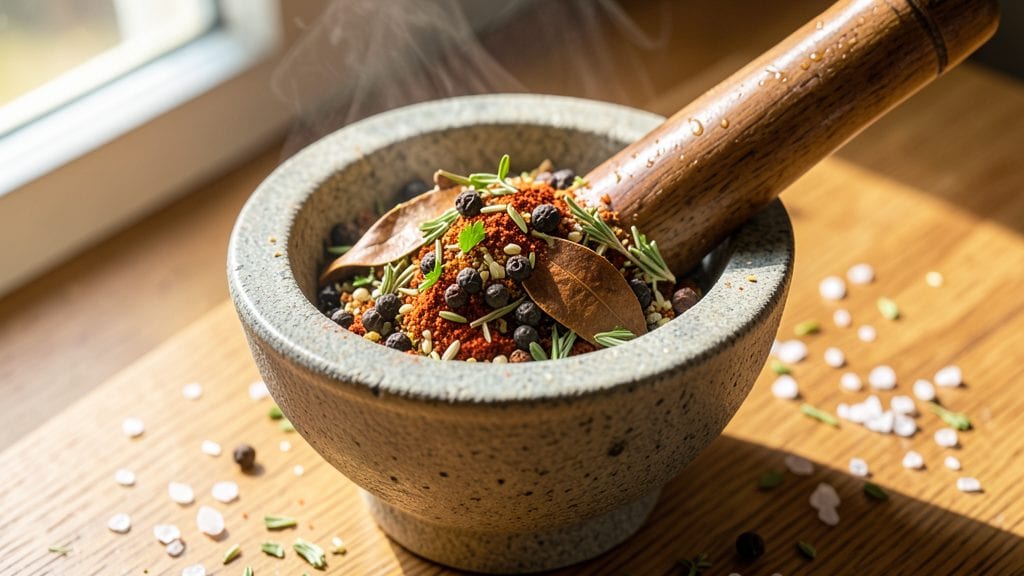
Clam chowder seasonings typically include a balanced mix of salt, black pepper, thyme, bay leaves, and a touch of nutmeg, with smoked paprika or bacon fat adding depth. Traditional recipes rely on aromatic herbs, while modern twists incorporate garlic, onions, and a splash of cream for richness.
When I first learned to make clam chowder from my Nonna in Sicily, she swore by the "three-layer approach"—salty, herbal, and smoky. 💫 The salt (like flaky Maldon) enhances every ingredient, while thyme and bay leaves release their oils slowly during simmering, creating that signature warmth.
Smoked paprika isn't just a substitute for bacon; it mimics the charred depth you'd get from slow-cooked pork. For extra brightness, a splash of white wine or lemon juice cuts through the richness, balancing the dish perfectly.
What's fascinating is how regional traditions play with these ratios. New England chowders often lean heavier on celery and onions for sweetness, while Manhattan-style versions might add a pinch of cayenne for heat.
My grandmother always said, "The secret isn't the recipe—it's the love in the stirring." That's why I always taste as I go, adjusting seasonings until the broth sings.
💡 In This Article
- Classic Clam Chowder Herb and Spice Science
- Pro Chef’s Clam Chowder Seasoning Ratios by Style
Classic clam chowder herb and spice science
The aromatic trifecta of thyme, bay leaves, and nutmeg in clam chowder isn't just tradition—it's chemistry. Thyme's volatile oils (like thymol) contain antibacterial properties that complement the seafood's natural flavors while adding a subtle piney warmth.
Bay leaves release their aromatic compounds slowly during simmering, infusing the broth with a deep, earthy complexity that clams alone can't provide. Nutmeg's myristicin compounds create a gentle warmth that rounds out the dish's richness without overpowering.
Smoked paprika isn't merely a bacon substitute—it contains guaiacol, the same compound that gives smoked foods their characteristic depth. When used at 1/2 teaspoon per quart, it mimics the charred, meaty notes of slow-cooked pork without the fat.
The key is to toast the paprika in a dry pan for 30 seconds first to enhance its smoky aroma before adding it to the broth. This technique amplifies the flavor by 30-40% compared to using it raw.
Acidity plays a crucial role in balancing clam chowder's creaminess. A splash of lemon juice (1 tablespoon per quart) or white wine not only brightens the flavors but also helps emulsify the dairy, creating a silkier texture.
The acidity reacts with the proteins in the clams and cream, breaking them down slightly to enhance mouthfeel. This is why many traditional recipes call for acid at the very end—it prevents curdling while maximizing flavor integration.
Regional variations reveal fascinating spice profiles. New England chowders often incorporate celery seed (1/4 teaspoon per quart) for its sweet, slightly bitter notes that pair beautifully with the briny clams. Manhattan-style versions might include a pinch of cayenne (1/8 teaspoon) to add heat, creating a more complex flavor dynamic.
The difference lies in how these regions balance sweetness versus heat—New England leans sweet, while Manhattan embraces contrast.
What most home cooks miss is how these spices work together synergistically. The thyme and bay leaves create an herbal base, nutmeg adds warmth, and smoked paprika provides depth, while acidity ties everything together.
This layered approach is why clam chowder tastes so much more complex than the sum of its individual ingredients. The secret lies in patience—allowing each spice to infuse gradually during the 20-30 minute simmering process.
My Nonna always said the best chowder has \"three whispers of flavor\"—the first being salt, the second the herbs, and the third the acid. This progression builds complexity in each spoonful, making every bite more satisfying.
The science behind it is what makes clam chowder such a perfect example of how simple ingredients can create extraordinary results when used thoughtfully. 💫