
Sauces & Condiments
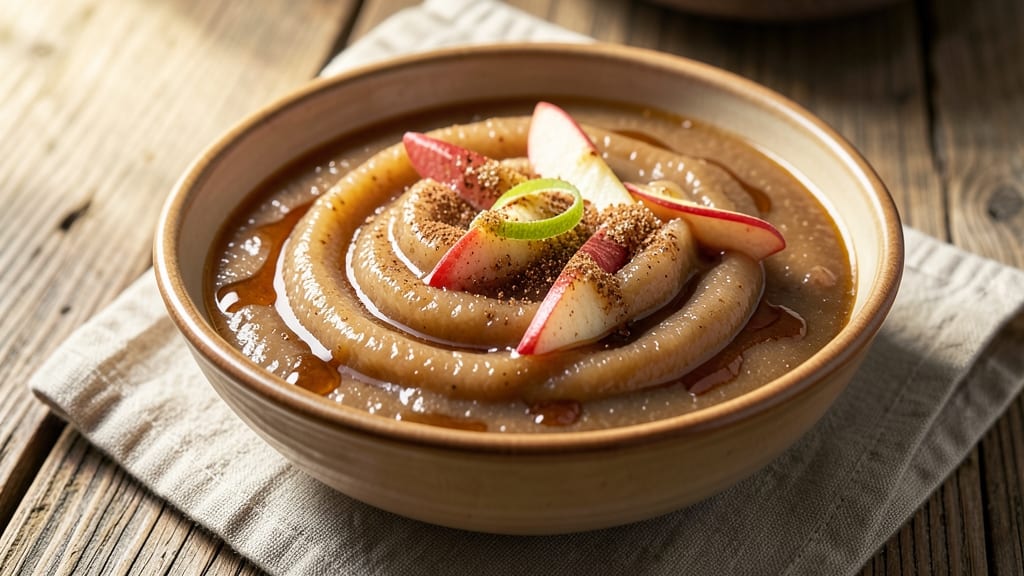
This cooking apple sauce recipe transforms simple apples into a velvety, naturally sweet sauce that elevates everything from pies to pork chops. The secret lies in slow simmering—no added sugar needed—to concentrate the fruit’s inherent sweetness while developing deep, spiced complexity.
Perfect for baking, topping yogurt, or drizzling over roasted meats, this version keeps the texture smooth yet vibrant, with just a whisper of cinnamon for warmth.
What sets this recipe apart is its versatility and simplicity. You’ll use just a few ingredients—apples, a splash of water or apple cider, and a pinch of spice—but the result is restaurant-quality depth.
The apples release their juices as they cook, creating a naturally thickened sauce that’s rich enough to stand alone or complement savory dishes. No peeling or coring required, either; the skins add subtle bitterness that balances the sweetness.
By the end, you’ll have a sauce that’s smooth enough for desserts but robust enough for savory applications. The cinnamon infuses warmth without overpowering, while the natural fruit sugars caramelize slightly for a touch of complexity.
This isn’t just apple sauce—it’s a blank canvas for flavor, ready to transform your favorite recipes with a single spoonful.
Use it as a pie filling, a topping for oatmeal, or a glaze for roasted chicken. The possibilities are endless, and the process is foolproof—just apples, patience, and a stovetop. Here’s how to make it.
Ingredients for cooking apple sauce
Just apples, apples, apples—plus a few pantry staples for depth and balance.
| Ingredient | Amount | Notes |
|---|---|---|
| Apples (mixed varieties) 🍎 | 4 lb | Cores removed, skins on for texture |
| Apple Cider 🍏 | 1 cup | Or substitute water for neutral flavor |
| Granulated Sugar 🍚 | ¼ cup | Optional, enhances caramelization |
| Ground Cinnamon 🌿 | 1 tsp | Warmth without overpowering |
| Salt 🧂 | ¼ tsp | Kosher or sea salt preferred |
| Lemon Juice 🍋 | 1 tbsp | Brightens the finished sauce |
| Unsalted Butter 🧈 | 2 tbsp | Full-fat for richness (optional) |
The apples make or break this sauce. Mixed varieties (like Honeycrisp and Granny Smith) give you both sweetness and tartness—no need to peel or core, though I do remove the cores. Trader Joe's or Whole Foods usually have pre-washed apples, which saves time. If you're using organic, skip the rinse. The skins add subtle bitterness that actually enhances the flavor. For a quicker version, frozen unsweetened applesauce works in a pinch—just thaw and simmer with the spices.
No apple cider? Water or white grape juice keeps things neutral. Skipping the sugar entirely works if your apples are naturally sweet, but I usually add a quarter cup—it caramelizes beautifully during simmering. The cinnamon is non-negotiable for that classic warmth, but if you're feeling adventurous, a pinch of nutmeg or cardamom adds depth. The butter? Only if you want it ultra-rich—it rounds out the sauce beautifully, especially for savory uses like pork chops. No butter? A splash of vanilla extract adds complexity without dairy.
This sauce reheats like a dream—just warm it on the stove with a splash of water if it thickens too much. Keeps for 1 week in the fridge or 6 months frozen. I like to freeze it in ice cube trays for easy single-serving portions. For a smoother texture, blend it after simmering, but I prefer the rustic look of slightly chunky sauce. If it's too thin, simmer uncovered for 5-10 minutes to reduce. Too thick? Thin with a little water or apple cider.
Why You'll Love This Recipe
- No-Peel Hassle: I swear by mixed apples here—peeling them feels like overkill when the skins just soften into that silky texture. Toss them whole into boiling cider, and the peel dissolves right in.
- Spiced Simplicity: That first whiff of cinnamon and simmering apples? Instant nostalgia. The cider deepens the flavor while keeping it bright, and a pinch of salt—honestly, it’s the secret—balances the sweetness without tasting like dessert.
- Pantry Magic: This sauce transforms from breakfast to dinner: drizzle over oatmeal, stir into yogurt, or spoon onto roasted pork. I’ve even used it as a glaze for chicken—because why not? It’s the ultimate flavor multiplier.
- Leftovers That Last: Make a big batch—it stores for weeks in the fridge. Freezes beautifully too, so I can grab a jar anytime for toast, pancakes, or even a quick weeknight sauce for baked beans. Less stress, more flavor.
Step-by-step instructions for cooking apple sauce
Here's how to turn simple apples into a rich, naturally sweet sauce with perfect texture.
🍳 Step 1: Peel, Core, and Chop the Apples
Start by washing the 4 lb Apples (mixed varieties) thoroughly under cold water. I like to use a mix of tart and sweet apples—think Granny Smith for acidity and Honeycrisp for natural sweetness. Cut each apple into quarters, then remove the core using a sturdy apple corer or a small knife. Leave the skins on for texture, but if you prefer smoother sauce, you can peel them first.
Chop the apple quarters into roughly ½-inch chunks. The size matters—smaller pieces will cook faster and create a smoother sauce, while larger chunks give you rustic texture. I aim for consistency so everything cooks evenly. Place the chopped apples in a large pot and set aside. This prep step is where the magic begins, so don't rush it.
🔥 Step 2: Simmer the Apples with Apple Cider
Add the 1 cup Apple Cider to the pot with the chopped apples. The cider adds depth of flavor and helps prevent the sauce from becoming too thick. Place the pot over medium-high heat and bring the mixture to a boil. Once boiling, reduce the heat to medium-low and let it simmer uncovered for 15-20 minutes, stirring occasionally.
You'll know it's ready when the apples are tender enough to mash easily with a fork. If you press a piece with your finger and it gives slightly, it's time to move to the next step. This simmering process breaks down the apple fibers, creating that signature smooth (or slightly chunky) texture. Don't skip this step—rushing it will leave you with a grainy sauce.
👨🍳 Step 3: Season and Cook to Thickness
Once the apples are soft, stir in the 0.25 cup Granulated Sugar, 1 tsp Ground Cinnamon, and 0.25 tsp Salt. The sugar enhances the natural sweetness, while the cinnamon and salt balance the flavors beautifully. Add the 1 tbsp Lemon Juice next—this brightens the sauce and cuts through any bitterness from the apples. Give everything a good stir to distribute the seasonings evenly.
Continue simmering for another 10-15 minutes until the sauce thickens to your desired consistency. For a smoother texture, use an immersion blender to puree the sauce right in the pot. If you prefer chunks, skip blending. Taste as you go—you might want to adjust the sweetness or spice level. The sauce should coat the back of a spoon but still be light enough to drizzle.
🥘 Step 4: Finish with Butter for Richness
Reduce the heat to low and stir in the 2 tbsp Unsalted Butter, letting it melt completely into the sauce. The butter adds a luxurious richness that balances the acidity of the lemon and the warmth of the cinnamon. If the sauce is too thick, thin it out with a splash of water or more apple cider. Once it reaches your ideal consistency, remove the pot from heat.
Let the apple sauce sit for 5 minutes off the heat—this allows the flavors to meld and the sauce to thicken slightly. Taste one last time and adjust seasoning if needed. The sauce should be naturally sweet, aromatic, and perfectly balanced. For a professional touch, skim off any foam that rises to the surface before serving. This step ensures your sauce looks as good as it tastes.
⏰ Step 5: Serve Warm or Store Properly
Transfer the apple sauce to a serving bowl or jar. If you're serving it immediately, spoon it over pancakes, waffles, or toasted bread. The warm sauce pairs beautifully with crispy bacon or a dollop of whipped cream. For a rustic touch, garnish with a sprinkle of extra cinnamon or a few whole cloves.
To store, let the sauce cool completely, then transfer it to an airtight container. It will keep in the refrigerator for up to 1 week or in the freezer for up to 6 months. When reheating, warm it gently on the stove or in the microwave, stirring occasionally to prevent scorching. The sauce might thicken as it cools, so add a splash of water or apple cider when reheating to restore its smooth consistency.
Pro Tips For Making Cooking Apple Sauce
- Simmer Slow and Steady: After burning three batches, I finally figured out that apple sauce needs low heat—think a gentle bubble, not a rolling boil. High heat turns it into glue; low heat lets the apples break down naturally while keeping the texture smooth. If it’s too thick, add a splash of apple cider to loosen it up.
- Peel and Core Like a Pro: Skip the knife struggles—use an apple corer/slicer for the stems, then peel the apples before dicing. Thin-skinned varieties (like Gala) can go in whole if you’re in a hurry, but tougher skins (like Granny Smith) need peeling to avoid grittiness. And for heaven’s sake, don’t skip the core—biting into one mid-bite is a rookie mistake.
- Salt the Cider First: Toss the apple cider with the cinnamon and a pinch of salt before adding it to the pot. This flavors the liquid early, so it infuses the apples instead of just sitting at the bottom like a forgotten afterthought. (Yes, even if you’re impatient like me—just stir it in right away.)
- Strain for Smoothness: If you want silky apple sauce, strain it through a fine-mesh sieve after cooking. No sieve? Use a clean kitchen towel or cheesecloth—it catches the pulp while letting the liquid through. I learned this the hard way when my first batch looked like applesauce with apples in it. (Your future self will thank you.)
Essential equipment for great cooking apple sauce
Pot Essentials
Your choice of pot makes all the difference. I swear by a heavy-bottomed stainless steel pot like the All-Clad D5—it distributes heat evenly and prevents scorching. A 6-8 quart capacity is ideal for 4 lb of apples, giving you room to stir without overflowing.
If you're on a budget, a Calphalon non-stick pot works beautifully too, though I avoid non-stick for long simmering to prevent potential chemical concerns. 🔥
Immersion Blender
For that ultra-smooth texture, an immersion blender is your best friend. The Ninja IN0501 or Hamilton Beach 58046 are affordable, easy-to-clean options that let you puree right in the pot. No transferring to a food processor required!
If you prefer chunky sauce, skip this tool entirely—just mash with a potato masher after simmering. The immersion blender also helps break down any stubborn apple fibers that might make your sauce grainy. ⚡
Apple Corer/Slicer
Save your fingers (and your patience) with a sturdy apple corer. The OXO Good Grips Apple Corer is my go-to—it removes cores in one smooth motion without crushing the fruit. For speed, a mandoline slicer with a vegetable julienne attachment lets you chop 4 lb of apples in minutes.
Just be careful with your fingers! If you're short on time, a sharp chef's knife works, but it takes more effort and precision. 🍎
Fine-Mesh Strainer
For the smoothest possible sauce, strain out any remaining fibers or seeds using a fine-mesh stainless steel strainer like the OXO Good Grips. This is especially useful if you're using particularly fibrous apples like Granny Smith. Press the apples through with a wooden spoon for maximum yield.
The strainer also helps if you accidentally burn a few apple pieces—just fish them out before blending. For a rustic look, skip straining entirely and embrace the natural texture. 🥄
Measuring Tools
Precision matters when balancing sweetness and acidity. Use a stainless steel measuring cup for the 1 cup apple cider and a spice measuring spoon set for the 1 tsp cinnamon.
A kitchen scale (like the OXO Good Grips) ensures accurate measurements for the 0.25 cup sugar—especially important if you're reducing sugar content. For lemon juice, a small squeeze bottle makes it easy to measure 1 tbsp without overdoing it. 💡
Storage Containers
Save your leftovers properly with airtight glass containers—I love the Le Parfait 16 oz jars for short-term fridge storage. For freezing, silicone ice cube trays let you portion single servings perfectly. Label everything with the date to track freshness.
Mason jars work too, but their wider mouths make them less ideal for freezing. Pro tip: Leave ½ inch headspace in containers to prevent spills when the sauce expands in the freezer. ✨
Nutrition facts
Frequently asked questions about homemade apple sauce
Can I make apple sauce without sugar?
Yes! Naturally sweet apples like Honeycrisp or Fuji work perfectly without added sugar. For tart varieties like Granny Smith, balance with 1 tbsp lemon juice or a pinch of vanilla extract to enhance sweetness. Simmer slightly longer to concentrate flavors—about 25-30 minutes total.
Why does my apple sauce turn out watery?
Watery sauce usually means you didn't simmer long enough or used too much liquid. Reduce uncovered for 5-10 minutes to thicken, or blend with an immersion blender to break down fibers. For prevention, use 4 lb firm apples (not overly ripe) and reduce apple cider to ½ cup.
What's the best way to store homemade apple sauce?
Store in an airtight container in the fridge for 1 week or freeze for 6 months. For freezing, leave ½ inch headspace—sauce expands when frozen. Thaw overnight in the fridge and stir in 1 tbsp water if it thickens too much.
Can I use frozen apples instead of fresh?
Frozen apples work great—just thaw and drain excess liquid first. Use 4 cups frozen unsweetened applesauce (about 3 lb equivalent10-15 minutes. Add ½ cup extra apple cider to compensate for lost moisture during freezing.
How can I make apple sauce smoother?
For ultra-smooth sauce, blend after simmering with an immersion blender or transfer to a food processor. Strain through a fine-mesh sieve to remove any remaining fibers. For chunky texture, mash with a potato masher instead. The key is even cooking—smaller apple pieces (¼-inch) yield smoother results.