
Main Courses
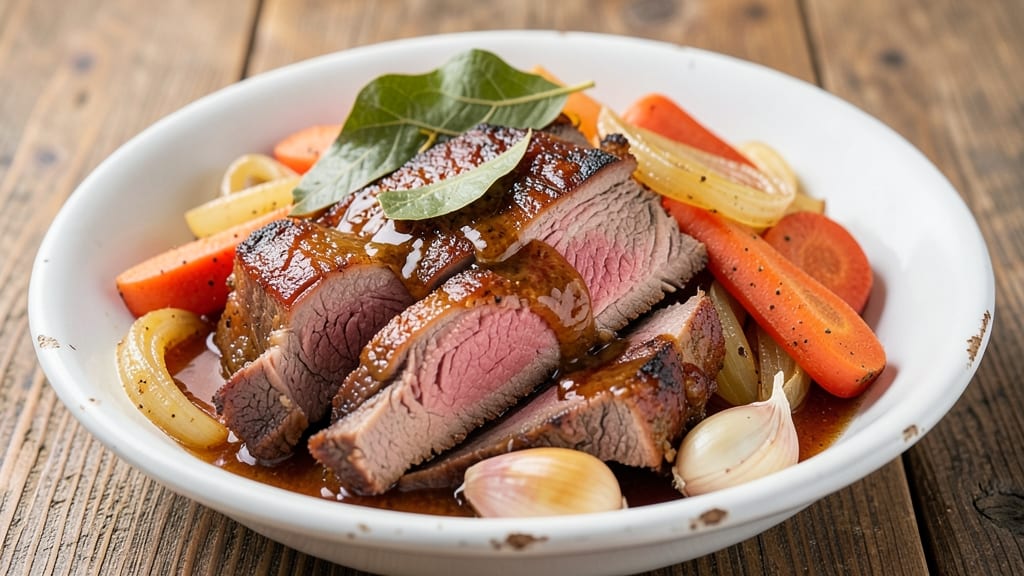
This corned beef cooked in apple juice recipe transforms tough cuts into melt-in-your-mouth perfection with a sweet-tangy simmer that'll change how you prepare brisket forever. 💛 The apple juice isn't just a substitute—it tenderizes the meat while adding subtle sweetness that balances the corned beef's signature saltiness, creating a flavor profile that's both nostalgic and unexpectedly sophisticated.
What sets this method apart is the slow cooking process, where the apple juice works its magic over hours to break down fibers and infuse the meat with natural sweetness.
Unlike traditional methods that rely solely on water or broth, this approach delivers a brisket that's tender yet still packed with robust flavor—no need for extra sugar or sauces to compensate. The result is a dish that's equally at home on a holiday table or a weeknight dinner.
By the time you slice into this corned beef, you'll find meat that falls apart with just a fork, all while maintaining that classic brisket texture we love. The apple juice doesn't overpower the corned beef's natural taste—instead, it enhances it, creating a harmonious balance that's both comforting and refined.
Served with classic sides like potatoes and cabbage, this becomes a centerpiece that'll have everyone asking for seconds.
The beauty of this recipe lies in its simplicity: just a few ingredients, minimal prep, and hands-off cooking that lets the flavors develop naturally. Whether you're preparing for a special occasion or simply craving something hearty, this method delivers restaurant-quality results without the fuss. Let's get to the tenderizing magic.
Ingredients for corned beef cooked in apple juice
Six ingredients transform tough brisket into melt-in-your-mouth perfection with apple juice's sweet-tangy magic.
| Ingredient | Amount | Notes |
|---|---|---|
| Corned Beef Brisket 🥩 | 4 lb | Flat cut preferred, corned beef spice packet removed |
| Unsweetened Apple Juice 🍎 | 3 cups | 100% apple juice, no added sugar |
| Yellow Onion 🧅 | 1 whole | Quartered, skin on for color |
| Carrot 🥕 | 2 whole | Scrubbed, cut into chunks |
| Garlic Cloves 🧄 | 4 cloves | Smashed for deeper flavor |
| Bay Leaves 🌿 | 2 whole | Dried, for aromatic depth |
| Black Peppercorns 🌶️ | 1 tsp | Whole, lightly crushed |
| Fresh Thyme 🌿 | 2 sprigs | Or 1 tsp dried thyme |
| Salt 🧂 | 1 tsp | Kosher salt, for seasoning |
| Olive Oil 🫒 | 1 tbsp | For searing the beef |
| Fresh Parsley 🌿 | ¼ cup | Chopped, for garnish |
| Whole Grain Mustard 🌶️ | 1 tbsp | Optional, for serving |
The corned beef brisket is the star, but don't skimp on quality. Look for a flat cut—it's more tender than point cut—and make sure to remove the spice packet that comes with it. The apple juice should be 100% juice, no added sugar—Mott's or Tropicana work great. I grab mine from the clear juice section at Walmart or Kroger, but any store with a decent produce section will have good options. The onions and carrots add color and sweetness, but they're not just filler—they help break down the meat during the long cook. Organic produce has more flavor, but regular works fine if you're on a budget.
No apple juice? Diluted apple cider vinegar (1 part vinegar to 2 parts water) gets you close, though it'll be more tangy. Short on thyme? Dried oregano at half the amount works in a pinch. The mustard is totally optional—just a nice touch for serving, but not needed for the cooking process. If you're worried about the meat drying out, add an extra cup of apple juice halfway through cooking. And trust me, the parsley garnish is worth the extra minute—it brightens everything up.
This reheats beautifully—just slice it and warm it in the same juices. Keeps for 4-5 days in the fridge, freezes for 3 months if you want to make ahead. I always double the recipe because the leftovers make the best sandwiches. Store the meat and juices separately in airtight containers. The juices are amazing for quick pan sauces or even a fast gravy—just reduce them on the stove for 10 minutes.
Why You'll Love This Recipe
- One-Pot Magic: I swear by this recipe when I’m too tired to scrub pots—just toss the brisket, onions, carrots, and garlic into the same pot with apple juice, and let it simmer. The juice does all the work, leaving me with a fragrant, tender mess that’s almost too easy to resist.
- Sweet-Savory Balance: That apple juice? It’s the secret weapon—cutting through the saltiness of the corned beef while adding this bright, almost caramelized depth. The garlic and onions caramelize right in the pan, giving every bite a layer of richness that’s dangerously addictive.
- Sunday Supper Ready: Between us, this is my go-to for lazy Sundays or when unexpected company drops by. The leftovers reheat like a dream, and I’ve even served it cold in sandwiches—because why not? It’s hearty enough for a family dinner but simple enough to feel like a treat.
- Budget Stretch: Honestly, this recipe makes the most of a few cheap ingredients. A single brisket feeds us for days, and the apple juice adds that restaurant-worthy touch without breaking the bank. Plus, the carrots and onions bulk it up—no fancy sides needed.
Step-by-step instructions for corned beef cooked in apple juice
Here's how to transform tough brisket into melt-in-your-mouth perfection with a sweet-tangy apple twist.
🔥 Step 1: Sear the Corned Beef for Maximum Flavor
Heat a large Dutch oven over medium-high heat and add the 1 tablespoon olive oil. Once shimmering, place the 4 lb corned beef brisket fat-side down and sear for 4-5 minutes until deeply browned. I press down gently on the brisket during the first minute—this prevents it from curling and ensures even contact with the pan.
Flip the brisket and sear the other side for another 3-4 minutes until golden brown. The goal here is to develop that rich, caramelized crust that'll pack serious flavor into every bite. Don't rush this step—you'll know it's ready when the edges release easily from the pan with a spatula.
🍳 Step 2: Build the Sweet-Tangy Base
Remove the brisket from the pot and set it aside. Add the quartered yellow onion and chunked carrots to the Dutch oven, cooking for 5 minutes until softened and slightly caramelized. This step builds the aromatic foundation that'll infuse the meat during the long cook.
Add the 4 smashed garlic cloves, 2 whole bay leaves, 1 teaspoon lightly crushed black peppercorns, and 2 sprigs fresh thyme. Stir everything together for 30 seconds until fragrant. The spices should sizzle gently—if they're burning, reduce the heat slightly. This aromatic blend is what transforms simple apple juice into a complex, flavorful cooking liquid.
🥘 Step 3: Simmer Until Fork-Tender
Return the brisket to the Dutch oven, fat-side up. Pour in the 3 cups unsweetened apple juice and add the 1 teaspoon salt. Bring to a gentle simmer over medium-low heat, then cover and reduce heat to low. Here's the thing—this is where patience pays off. Simmer for 3-4 hours until the brisket is fork-tender and the meat pulls away from the bone easily.
Check the liquid level occasionally and add ½ cup water if it gets too low—you want to maintain enough liquid to keep the brisket moist. The apple juice will reduce and develop a rich, slightly syrupy consistency. You'll know it's done when the meat reaches 205°F internally and a knife slides in like butter with no resistance.
🔪 Step 4: Rest and Prepare for Serving
Remove the brisket from the pot and transfer it to a cutting board. Tent loosely with aluminum foil and let it rest for 15-20 minutes. This resting period is crucial—it allows the juices to redistribute throughout the meat, ensuring each slice stays moist and flavorful. During this time, skim any excess fat from the cooking liquid if desired.
While the brisket rests, chop the ¼ cup fresh parsley for garnish. The apple juice mixture in your pot should now have a beautiful caramelized color and rich aroma. You can serve it as-is for dipping, or thin it with a splash of water if you prefer a lighter sauce. For serving, slice the brisket against the grain into ¼-inch thick pieces for maximum tenderness.
🍽️ Step 5: Assemble and Serve
Arrange the sliced brisket on a serving platter and spoon the apple juice mixture generously over the top. Garnish with the chopped fresh parsley and a dollop of whole grain mustard on each serving if using. The mustard adds a bright, tangy contrast that cuts through the richness of the meat.
Serve immediately with all the apple juice mixture for dipping. Each bite should deliver tender, flavorful meat with that perfect balance of sweet and savory from the apple juice reduction. The brisket should be so tender it practically melts in your mouth—no tough chews here! Pair with crusty bread to soak up all that delicious cooking liquid.
Pro Tips For Making Corned Beef Cooked In Apple Juice
- USE APPLE JUICE SPARINGLY: I learned this the hard way—dumping a whole bottle of apple juice into the pot turns your corned beef into a sad, watery stew. Start with just enough to cover the meat by about 2 inches, then add more only if it’s drying out. That sweet, concentrated flavor is what you’re after, not a pool of diluted juice.
- SEAR THE MEAT FIRST: Skip the slow start and crank your stove to medium-high before adding the corned beef brisket. A quick 2-3 minute sear on each side browns the outside, locking in flavor and keeping the meat from turning into mush. Yes, even if you’re impatient like me—this isn’t the step to rush.
- PEEL AND CHOP VEGETABLES UNIFORMLY: I used to toss in whole onions and carrots, thinking they’d soften fine. They did—but they stayed stubbornly firm while the meat fell apart. Peel and cut the onion into even ½-inch slices, and the carrot into ¼-inch rounds. Smaller pieces cook faster and soak up the apple juice’s sweetness better.
- SKIP THE BOILING PHASE: After the initial sear, resist the urge to blast the pot with high heat. Instead, bring it to a gentle simmer—tiny bubbles at the edges, nothing aggressive—and let it cook low and slow. Boiling toughens the meat and makes the apple juice turn cloudy. Patience here guarantees tender, fork-friendly brisket.
Common mistakes when making this dish
Skipping the Sear
One of the biggest mistakes I see is skipping the sear entirely. That golden crust isn't just for looks—it's packed with flavor from the Maillard reaction. Without it, your corned beef will taste flat and one-dimensional. I always sear my brisket for 4-5 minutes per side until deeply browned.
If you're short on time, at least get a good crust on both sides before adding the apple juice. The secret is patience—don't rush this step! 🔥
Using Sweetened Apple Juice
This is a flavor killer! Sweetened apple juice will make your corned beef taste like dessert rather than savory meat. Always use 100% unsweetened apple juice—brands like Mott's or Tropicana work perfectly. The natural sweetness is enough to balance the saltiness without overpowering it.
If you accidentally grab the wrong kind, reduce the sugar content by adding 1 extra bay leaf and ½ teaspoon cinnamon to help cut through the sweetness.
Not Enough Liquid
Many cooks make the mistake of not having enough liquid in the pot. The apple juice should cover at least half the brisket when you start cooking. If it looks too shallow, add ½ cup water immediately.
I've seen people use as little as 2 cups of apple juice for a 4 lb brisket—this is a recipe for dry meat! The liquid needs to simmer gently around the beef to keep it moist. Check it every 30 minutes and top up if needed.
Overcooking the Vegetables
The onions and carrots are there to flavor the meat, not to turn into mush. Cook them for just 5 minutes until softened but still holding their shape. If you let them cook too long, they'll release too much liquid and dilute the apple juice's flavor.
I always remove the brisket first, then cook the vegetables separately in the same pot. This keeps them from overcooking while building the base flavor. 🥕
Ignoring the Resting Time
This is where most home cooks mess up! Skipping the 15-20 minute rest means juicy meat runs out when you slice it. I've seen people serve corned beef immediately after cooking—big mistake! The resting time lets the juices redistribute, so each bite stays moist.
Tent the brisket loosely with foil while it rests, and don't be tempted to cut into it early. Trust the process—this is when the magic happens.
Using the Wrong Cut
Not all corned beef brisket is created equal! The flat cut is more tender and cooks more evenly than the point cut. If you accidentally grab the point cut, plan for an extra 30-60 minutes of cooking time.
I always check the package—look for "flat cut" or "first cut" brisket. The flat cut has less connective tissue, so it becomes fork-tender faster. Don't compromise on quality here—it makes all the difference in the final texture. 🥩
Nutrition facts
Frequently asked questions
Why does apple juice make corned beef more tender?
The natural acids and enzymes in apple juice help break down tough muscle fibers in the meat over time. Unlike water or broth, it doesn't just dilute flavors—it actively tenderizes while adding subtle sweetness that balances the saltiness. The slow simmer lets these elements work together for melt-in-your-mouth results.
Can I use apple cider instead of apple juice?
Yes, but you'll need to adjust the ratio. Use 2 parts apple juice to 1 part apple cider vinegar for a similar tangy profile. The cider adds depth, but pure juice gives you cleaner sweetness. If using store-bought cider, choose unsweetened varieties to avoid overpowering the meat's flavor.
How do I know when the corned beef is fully cooked?
The meat should reach an internal temperature of 205°F and be fork-tender with no resistance. Look for juices running clear when pierced—this means collagen has fully broken down. The apple juice should also reduce to a syrupy consistency. If it's not done after 4 hours, check for doneness immediately.
What's the best way to reheat leftovers?
Slice the meat and warm it gently in the same apple juice mixture over low heat for 10-15 minutes. Adding a splash of water helps prevent drying. For sandwiches, reheat just until warmed through—overcooking makes the meat tough. Leftovers keep for 4-5 days in the fridge or 3 months frozen.
What sides pair best with this recipe?
Classic options like mashed potatoes, buttery egg noodles, or roasted root vegetables work beautifully. For a Pacific Northwest twist, try local heirloom potatoes or a crisp green salad with apple slices. The sweet-tangy apple flavor also complements crusty bread—perfect for soaking up all that delicious cooking liquid!