
Sauces & Condiments
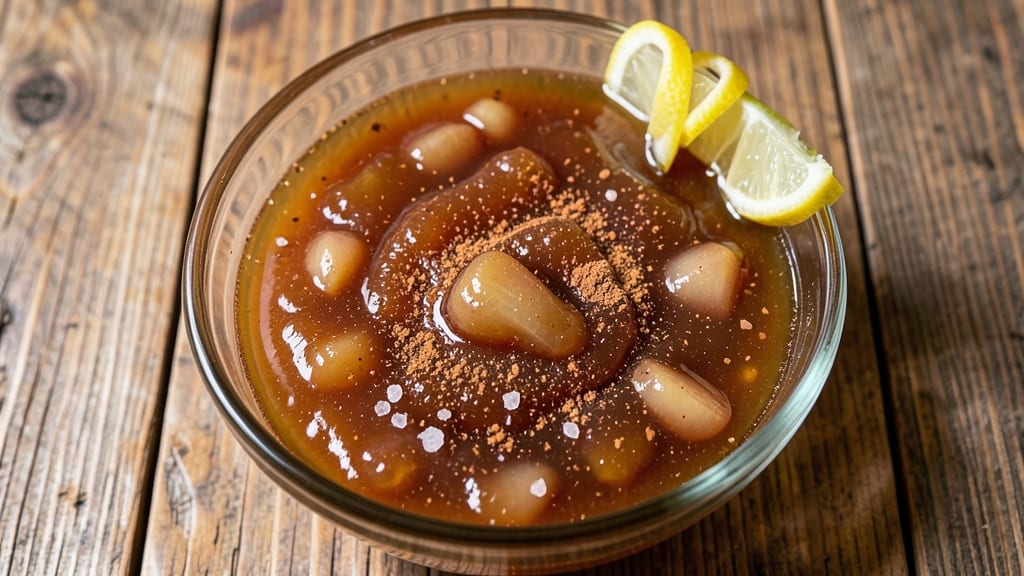
This crabapple jam recipe transforms tart crabapples into a perfectly balanced sweet-tart spread in just 30 minutes—no pectin required. I first learned this technique from Nana Mae, who swore by the magic of slow-cooked fruit and just the right amount of sugar to tame the tartness.
The key is patience: letting the fruit break down naturally while maintaining that bright, tangy flavor that sets crabapple jam apart. What makes this recipe truly easy is the minimal prep and foolproof method.
You'll work with just 5 ingredients—crabapples, sugar, lemon juice, cinnamon, and a pinch of salt—cooked down until thick and glossy. The lemon juice brightens the flavor while the cinnamon adds warmth, creating a jam that's versatile enough for toast, desserts, or even savory pairings like cheese boards.
By the time you're done, you'll have a jar of vibrant, ruby-red jam with a perfect balance of sweetness and tartness. The texture is smooth yet slightly chunky, with pockets of fruit that burst with flavor.
Nana Mae always said good jam should make you close your eyes and smile—this one will. Store it in the fridge for up to 3 weeks or can it for long-term preservation.
The possibilities for using this jam are endless—spread it on warm biscuits, drizzle it over yogurt, or use it as a glaze for roasted meats. Let's get started!
Ingredients for crabapple jam recipe easy
Five simple ingredients transform tart crabapples into a vibrant, ruby-red jam bursting with balanced sweetness.
| Ingredient | Amount | Notes |
|---|---|---|
| Fresh Crabapples 🍎 | 2 ½ lb | Peeled, cored, roughly chopped |
| Granulated Sugar 🍚 | 2 cups | White or organic cane sugar |
| Fresh Lemon Juice 🍋 | ¼ cup | From 1-2 lemons, freshly squeezed |
| Ground Cinnamon 🌿 | 1 tsp | Freshly ground preferred |
| Kosher Salt 🧂 | ¼ tsp | Diamond Crystal preferred |
Crabapples are the star here—look for bright red or green varieties at local orchards or specialty markets. Trader Joe's often carries them in season, but check the produce section of Whole Foods too. The tartness varies by apple, so taste one first—you want a good balance of sweet and sour. If you can't find fresh crabapples, substitute with a mix of tart green apples and Granny Smiths, but expect slightly less complexity. The sugar is crucial for balancing that tartness—Nana Mae always swore by organic cane sugar for a cleaner taste, but regular white sugar works perfectly fine too.
No fresh lemons? Bottled lemon juice works in a pinch, but it lacks that fresh brightness. The cinnamon can be swapped for a pinch of allspice or cardamom if you're feeling adventurous, though traditional cinnamon keeps it classic. For the salt, Diamond Crystal dissolves better than table salt, but use whatever you've got. If your crabapples are extra tart, you might need to add another tablespoon of sugar during cooking. And trust me, the lemon juice is non-negotiable—it brightens everything and prevents the jam from turning bitter.
This jam keeps beautifully in the fridge for 3 weeks if stored in a clean, airtight jar. For longer storage, can it using standard water-bath canning techniques—it'll last up to a year that way. I always make extra because it disappears fast. Nana Mae's trick was to freeze small portions in ice cube trays—perfect for single-serving use. The jam thickens as it cools, so don't worry if it looks runny right after cooking. Give it 10 minutes to set before tasting—patience pays off with that perfect spreadable consistency.
Why You'll Love This Recipe
- No Chopping Hassle: I’ll be real—this jam only needs a quick core and slice. No dicing, no peeling, just toss those crabapples into the pot whole (well, mostly whole) and let the magic happen. The skins soften into that perfect jammy texture all on their own.
- Tart-Sweet Magic: That bright lemon juice cuts through the crabapples’ natural tartness while the cinnamon adds this warm, cozy depth. It’s not too sweet—just enough sugar to balance the fruit’s sharpness, leaving you with something that tastes like autumn in a jar.
- Year-Round Pantry Star: A little spoonful on toast? Check. Dolloped over yogurt or oatmeal? Done. Even slathered on fresh bread with a sprinkle of salt—this jam disappears fast. Honestly, it’s the kind of thing you’ll reach for when you least expect to, and that’s the best kind of staple.
- Uses Every Last Bit: Between us, this jam keeps for months in the fridge, and the flavor only gets richer. Plus, the ingredients are cheap—crabapples are often underpriced, and sugar doesn’t break the bank. Make a big batch, gift some jars, and still have leftovers for your next lazy Sunday.
Step-by-step instructions for crabapple jam
Here's how to make this bright, tangy jam in under 30 minutes—no fancy techniques required.
Prepare the Crabapples
Start by peeling, coring, and roughly chopping the 2.5 lb fresh crabapples into ¼-inch pieces. I like to work in batches—keep the chopped fruit in a large bowl as you go. The smaller the pieces, the faster they'll cook down and release their juice. If you're worried about browning, toss the chopped fruit with 1 tablespoon of the fresh lemon juice right away to help preserve the color.
This step is where the magic begins—the tartness of crabapples is intense, so don't skip the lemon juice. It balances the acidity and keeps the jam from becoming overwhelmingly sour. You'll know you're on the right track when the bowl starts filling with juice from the chopped fruit.
Cook the Fruit Until Soft
Transfer the chopped crabapples to a large, heavy-bottomed pot (I use a Dutch oven). Add the remaining 0.25 cup fresh lemon juice, 2 cups granulated sugar, 1 tsp ground cinnamon, and 0.25 tsp kosher salt. Stir everything together until the sugar dissolves completely—this ensures even sweetness throughout.
Place the pot over medium-high heat and bring the mixture to a boil, stirring occasionally to prevent sticking. Once boiling, reduce the heat to medium and let it simmer uncovered for 15-20 minutes, stirring every 5 minutes. You're looking for the fruit to soften completely and the mixture to thicken noticeably. The jam should coat the back of a spoon when you lift it—this is your signal that the pectin in the fruit has started to activate.
Test for Gel and Adjust Thickness
After 15-20 minutes, perform the plate test to check if the jam has reached the right consistency. Spoon a small amount onto a chilled plate and refrigerate for 2 minutes. If the jam wrinkles slightly when you push it with your finger, it's ready. If it runs like syrup, return the pot to the heat and simmer for another 5 minutes, then test again. This step is critical—undercooked jam will be runny, while overcooked jam can turn grainy.
If the jam is still too thin after 30 minutes total cooking time, you can add 1 teaspoon of lemon juice or ½ teaspoon of powdered pectin (if you have it on hand) to help it thicken. But with crabapples, which are naturally high in pectin, you'll usually hit the right texture without extra help.
Bottle and Store for Freshness
Once the jam reaches the perfect gel-like consistency, remove it from the heat and let it cool for 5 minutes. This resting time allows the flavors to meld and the texture to set slightly. Then, carefully transfer the jam to clean, sterilized jars using a ladle or funnel. Leave about ¼ inch of headspace at the top of each jar—jam expands as it cools.
Seal the jars tightly and let them cool completely at room temperature. Once cooled, store them in the refrigerator for up to 2 weeks or process them in a water bath for 10 minutes to can them for long-term storage. The flavor deepens over time, so don't rush to eat it all at once!
Pro Tips For Making Crabapple Jam Recipe Easy
- STIR CONSTANTLY AT FIRST: The first 10 minutes are when your jam either sets properly or turns into a sad, grainy mess. I used to walk away, and every time, the sugar would clump like sand in wet cement. Keep that spoon moving—especially when the sugar dissolves—until the mixture thickens enough to coat the back of a spoon.
- PEEL AND CORE THE APPLES: Crabapples are tiny and tough, but skipping the peeling means biting into a mouthful of bitter skin in every spoonful. Use a paring knife to slice off the skin in one long strip, then quarter them—no need for fancy cuts, just get them small so they break down fast. (Yes, it’s tedious, but your jam won’t taste like apple-flavored leather.)
- DON’T SKIP THE BOIL: I learned this the hard way—adding the lemon juice and cinnamon too early turns your jam into a weak, watery glaze. Let the apple-sugar mix boil hard for 15 solid minutes before tossing in the acid and spices. That’s when the pectin actually activates, and your jam will hold its shape instead of sliding off toast like syrup.
- USE A THERMOMETER FOR SUGAR: Guessing when your jam is done leads to either undercooked (runny) or overcooked (burnt) results. Aim for 220°F—that’s the magic number for set jam. If you don’t have one, watch for the "wobble test": when a spoonful jiggles like jelly but doesn’t slide, you’re golden. (No, your eyes aren’t foolproof.)
Pro cooking tips for perfect results
Pot Control
Use a heavy-bottomed pot like a Dutch oven to prevent scorching—this is non-negotiable for jam-making. I swear by my Lodge 5.5-quart Dutch oven because it distributes heat evenly and handles the acidity of crabapples beautifully.
If you don't have one, a stainless steel saucepan works too, but stir more frequently to prevent sticking. The key is maintaining medium heat—too high and you'll burn the sugar, too low and the jam won't thicken properly. 🔥
Pectin Power
Crabapples are naturally high in pectin, but their tartness varies by variety. If your jam isn't setting after 20 minutes, add ½ teaspoon of powdered pectin (like Ball RealFruit) or 1 tablespoon of lemon juice to boost thickening.
I keep a small jar of pectin in my pantry for just these moments—it's a game-changer. For extra insurance, simmer the fruit for 5 minutes longer before testing.
Acid Balance
The lemon juice isn't just for flavor—it's crucial for balancing the acidity and preventing the jam from becoming bitter. If your crabapples are extra tart, add 1 extra tablespoon of sugar per 2.5 lbs of fruit during cooking.
Taste as you go! Nana Mae always said, "Sweetness is the soul of jam," but don't overdo it—you want that bright, tangy crabapple flavor to shine through. 🍋
Plate Test Perfection
This is the pro trick: the plate test is your best friend. Spoon a small amount of jam onto a chilled plate and refrigerate for 2 minutes. If it wrinkles slightly when you push it with your finger, it's ready.
If it slides like syrup, return it to the heat for 5 more minutes. Overcooked jam turns grainy, so don't rush this step. I've ruined batches by skipping it—trust me, it's worth the wait.
Sterilize Jars
Clean jars aren't just about looks—they're about safety. Sterilize your jars and lids by boiling them in water for 10 minutes before filling. I use a large pot of simmering water and a slotted spoon to transfer them.
For extra freshness, run a clean kitchen towel over the rims to remove any moisture before sealing. This prevents mold and keeps your jam tasting fresh for weeks. ❄️
Nana Mae's Secret
Here's the tip Nana Mae never wrote down: Let the jam cool completely before sealing. The first 10 minutes after cooking are when the texture really sets. If you seal it too soon, condensation can cause spoilage.
I wait 30 minutes before storing it in the fridge. The flavor also deepens overnight—this is when the magic happens. Patience, my friend, is everything. 💫
Nutrition facts
Frequently asked questions
Can I use crabapples that aren't perfectly ripe?
Tartness actually enhances the jam's character. Use a mix of firm and slightly soft crabapples for the best balance of texture and flavor. The cooking process will soften them all, and the lemon juice helps preserve color even with underripe fruit. Just avoid any apples that are mushy or have brown spots.
How do I know when my jam is done?
The plate test is foolproof: spoon a small amount onto a chilled plate and refrigerate for 2 minutes. If it wrinkles slightly when you push it with your finger, it's ready! If it runs like syrup, return it to the heat for 5 more minutes and test again. Overcooking makes jam grainy, so don't rush this step.
Can I adjust the sweetness level?
Yes! Start with the 2 cups sugar called for, but taste as you go. For extra tartness, reduce to 1.5 cups. If you prefer sweeter jam, add ½ cup more sugar during cooking. Nana Mae always said, "Sweetness should dance with tartness, not overpower it."
What can I do with leftover jam?
This versatile jam works beautifully on toast, pancakes, or yogurt. Try it as a glaze for roasted pork or chicken, or mix with cream cheese for a tangy spread. For a Southern twist, Nana Mae used it to top peach cobbler. Store leftovers in the fridge for 2 weeks or can for long-term use.
Why did my jam turn out too runny?
Most likely, the fruit wasn't cooked long enough. Crabapples need 15-20 minutes of simmering to release their natural pectin. If it's still too thin, return to heat and simmer 5 more minutes. For next time, try adding ½ teaspoon powdered pectin if available. Stirring constantly also helps thicken faster.