
Main Courses
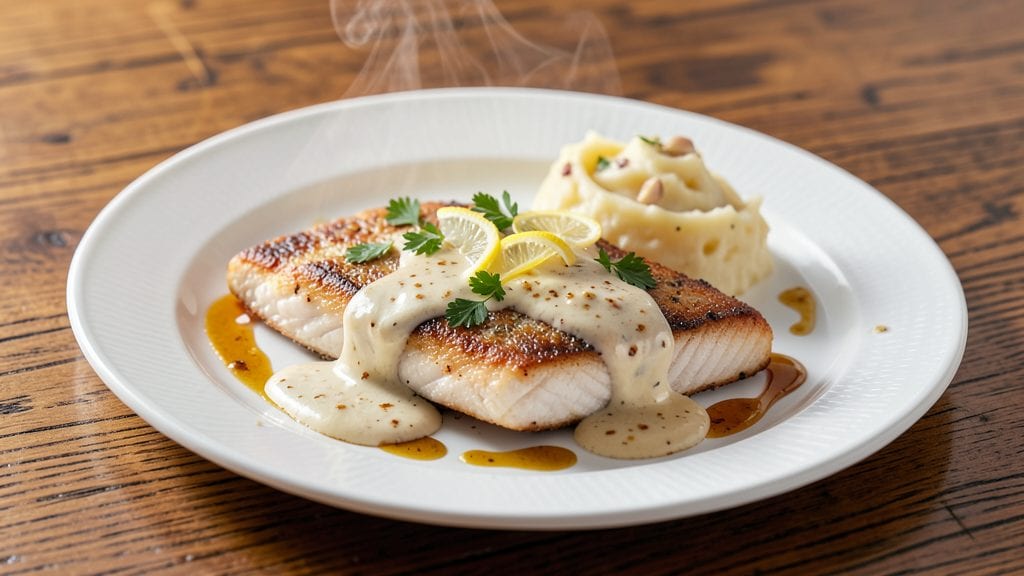
This creamed fish recipe transforms simple white fish into a restaurant-worthy dish with just one pan and a velvety lemon butter sauce.
Working the line at that Asheville farm-to-table restaurant taught me how a bright acid like lemon can elevate even the most delicate proteins—this sauce does exactly that while keeping the process simple. The secret lies in balancing richness with brightness, ensuring every bite is tender yet vibrant.
What makes this recipe truly special is its versatility—whether you're serving it as a weeknight dinner or a special occasion meal, the technique remains the same. You'll start with firm white fish fillets, like cod or halibut, that hold their shape while absorbing the creamy sauce.
The sauce itself comes together in minutes using butter, cream, lemon juice, and a touch of Dijon mustard for depth, all simmered until silky smooth.
By the time you plate it, you'll have golden-brown fish nestled in a glossy, velvety sauce that's rich yet light enough to feel balanced. The aroma of lemon and butter will fill your kitchen, creating an atmosphere that makes even a simple weeknight feel like a celebration.
This is the kind of dish that proves elegant cooking doesn't require complicated techniques—just the right ingredients and a little patience.
Perfect for pescatarians or anyone looking to elevate their fish night, this recipe scales beautifully from a single serving to a dinner party crowd. The sauce also works wonders with shrimp or scallops if you're feeling adventurous. Let's get started on creating this velvety, lemon-kissed masterpiece.
Ingredients for creamed fish
Simple ingredients that transform into restaurant-worthy creamed fish with lemon butter sauce.
| Ingredient | Amount | Notes |
|---|---|---|
| White Fish Fillets 🐟 | 1 ½ lb | Cod or halibut preferred, skinless |
| Unsalted Butter 🧈 | ½ cup | Cold, cut into cubes |
| Heavy Cream 🥛 | 1 cup | Full-fat for richness |
| Fresh Lemon Juice 🍋 | ¼ cup | From 2-3 lemons |
| Dijon Mustard 🍯 | 1 tbsp | For depth of flavor |
| Garlic Cloves 🧄 | 3 cloves | Minced, fresh preferred |
| Shallots 🧅 | 2 whole | Finely chopped, or sub onion |
| Salt 🧂 | 1 tsp | Kosher or sea salt |
| Black Pepper 🌶️ | ½ tsp | Freshly cracked |
| Fresh Parsley 🌿 | ¼ cup | Chopped, for garnish |
| White Wine 🍷 | ¼ cup | Dry, optional for depth |
| All-Purpose Flour 🌾 | 1 tbsp | For thickening sauce |
| Olive Oil 🫒 | 1 tbsp | For searing fish |
The fish is everything here. Cod or halibut are your best bets—they hold their shape while soaking up the sauce. I always grab the thickest fillets I can find at Whole Foods or the seafood counter (ask for skinless if you're not confident removing it yourself). If you're using frozen, thaw it overnight in the fridge—never under running water, or it turns to mush. The butter should be cold when you start, so pull it out of the fridge while the fish thaws. For the lemon juice, fresh is non-negotiable—bottled stuff tastes like vinegar in this dish. If you can't find shallots, red onion works perfectly, just chop it extra fine so it blends into the sauce smoothly.
No wine? Fish or chicken stock works too, just reduce it by half first. Short on butter? Greek yogurt or sour cream at half the amount keeps it creamy (though it won't be as rich). The Dijon mustard is key for that restaurant-quality depth—substitute regular mustard if that's what you've got, but it'll taste slightly sharper. For the parsley, fresh is ideal, but dried at one-third the amount gets you close in a pinch. The flour is just for thickening—if your sauce gets too thick, a splash of cream or water fixes it instantly. And trust me on the cold butter—it creates those beautiful little butter bubbles when it melts into the sauce.
This sauce reheats beautifully—just warm it gently on the stove, stirring constantly. It keeps for 3-4 days in the fridge, though I always make extra because it's that good. For leftovers, store the fish and sauce separately. The sauce freezes for up to 3 months if you make a double batch for a party. I like to portion the sauce into small containers so I can grab it straight from the freezer and warm it on the stovetop. The fish? Best eaten fresh, but you can reheat it gently in the sauce for up to 2 days—just don't let it sit in the fridge for more than that, or it gets rubbery.
Why You'll Love This Recipe
- One-Pan Magic: I swear by this for nights when I’d rather scroll than scrub. Just sear the fish, pour in the cream and butter, and let it melt together—no extra pots, no extra stress.
- Lemon-Butter Bliss: That bright lemon juice cutting through the rich cream? It’s the kind of balance that makes you close your eyes and sigh. The Dijon mustard adds just enough tang to keep it from feeling heavy.
- Weeknight to Dinner Party: Same recipe, different vibes. Serve it over rice for a quick family meal or drizzle it with parsley and crusty bread for guests. The heavy cream makes it feel fancy without the fuss.
- Budget-Friendly Luxury: White fish is affordable, and a single fillet stretches far with the creamy sauce. Leftovers reheat beautifully—just add a splash of milk to keep it luscious. My wallet and taste buds win.
Step-by-step instructions for creamed fish with lemon butter sauce
Here's how to create a restaurant-worthy creamed fish dish that's simple yet impressive.
Sear the Fish Fillets in Olive Oil
Heat a large oven-safe skillet over medium-high heat. Add the 1 tablespoon olive oil and let it get hot for about 1 minute until shimmering. Place the 1.5 lb white fish fillets in the skillet, skin-side down if they have skin. Cook for 2-3 minutes until the bottoms are golden brown and crispy.
Here's the thing—don't press down on the fillets while cooking. I press down gently on the fillet during the first minute to prevent curling, but after that, let them cook undisturbed. You'll know they're ready to flip when they release easily from the pan. Flip once and cook for another 1-2 minutes on the other side until lightly golden. Remove the fish to a plate and tent loosely with foil to keep warm.
Build the Flavor Base with Shallots and Garlic
In the same skillet (don't wipe it clean—those browned bits are pure flavor), reduce the heat to medium. Add the 2 whole shallots and cook for 3-4 minutes until softened and translucent. Add the 3 cloves minced garlic and cook for another 30 seconds until fragrant—don't let it brown or it'll turn bitter.
Here's where it gets fun—toss in the 1 tablespoon Dijon mustard and stir for 30 seconds. This adds depth that plain butter and cream can't provide. If the mixture starts to stick, add a splash of the 0.25 cup white wine to deglaze the pan. Let the wine simmer for 1-2 minutes until reduced by half.
Create the Velvety Lemon Butter Sauce
Remove the skillet from heat and let it cool slightly. Add the 0.5 cup unsalted butter and whisk until melted and incorporated. Return the skillet to medium-low heat and gradually whisk in the 1 cup heavy cream. Let the sauce simmer gently for 3-4 minutes until slightly thickened.
Stir in the 0.25 cup fresh lemon juice and the 1 tablespoon all-purpose flour. Cook for another 1-2 minutes until the sauce coats the back of a spoon. Season with the 1 teaspoon salt and 0.5 teaspoon black pepper. If the sauce is too thick, whisk in a splash of pasta water or milk to reach your desired consistency.
Finish and Serve the Creamed Fish
Return the fish fillets to the skillet and spoon the lemon butter sauce over the top. Let it heat through for 1-2 minutes, just until the fish is warm all the way through. The internal temperature should reach 145°F when measured with an instant-read thermometer.
Garnish with the 0.25 cup chopped fresh parsley and serve immediately with crusty bread or over a bed of steamed vegetables. The sauce should be velvety and cling beautifully to the fish, with bright lemon notes cutting through the richness of the butter and cream.
Pro Tips For Making Creamed Fish
- Cook Fish First: Poach or pan-sear the fish fillets until they’re just firm to the touch—about 120°F (49°C) at the center—before adding the cream. I learned this the hard way: overcooking fish in the sauce turns it rubbery, and no amount of lemon or mustard can fix that. Remove them early, then finish cooking in the sauce for 30 seconds to warm through.
- Salt the Cream: Season the heavy cream with ¼ teaspoon of salt before mixing it with butter and mustard. Unsalted butter and Dijon mustard are both mild, and if you forget, the sauce will taste flat. A pinch of salt upfront makes a real difference—trust me, your taste buds will notice.
- Temper the Butter: Melt the butter slowly over medium-low heat until it’s just liquid, then whisk in the cream in a thin stream. Dumping cold cream into hot butter causes it to curdle, and no one wants lumpy fish sauce. Keep the heat gentle—this isn’t a race.
- Strain the Sauce: After simmering, pass the sauce through a fine-mesh sieve to remove any fish skin or mustard bits. Sounds fussy, but it guarantees a silky texture. I skip this when I’m lazy, and the dish is noticeably better when I don’t—especially with delicate fish like cod or haddock.
Creative variations of this recipe
Southern Creamed Fish
This version swaps the lemon for a tangy tomato base, inspired by my Nana Mae's diner recipes. Sauté 1 cup diced tomatoes (canned or fresh) with the shallots and garlic, then add 1 tablespoon tomato paste before the wine.
The sauce gets its creaminess from ½ cup evaporated milk instead of heavy cream—trust me, it's richer than you'd think. Finish with ½ teaspoon smoked paprika for that classic Southern touch. 🍅
White Wine & Herb Variation
For a French-inspired twist, increase the white wine to ½ cup and add 1 sprig fresh thyme and 1 bay leaf to the sauce. Let them steep for 5 minutes while the sauce simmers.
Remove before serving and garnish with chopped chives instead of parsley. David always requests this version when we host dinner parties—it's a crowd-pleaser every time.
Spicy Cajun Creamed Fish
Add 1 teaspoon Cajun seasoning (like Tony Chachere's) to the flour before whisking it into the sauce. For extra heat, stir in ½ teaspoon cayenne pepper with the Dijon mustard.
Serve over steamed jasmine rice and top with sliced green onions. This version has a kick that pairs perfectly with a cold Abita beer from Louisiana. 🌶️
Vegetable-Packed Version
Sauté 1 cup diced zucchini and ½ cup sliced mushrooms with the shallots and garlic. Add 1 teaspoon dried tarragon to the sauce for an herbal note. This version works beautifully with pollock or tilapia since it's more forgiving with delicate fish.
I often make this when Emma and Jack are home—they love picking out the veggies first.
Creamy Dill Sauce Twist
Replace the parsley with 2 tablespoons fresh dill (or 1 tablespoon dried) and add 1 teaspoon lemon zest to the sauce. The dill brightens the creaminess while keeping the lemon notes prominent.
This version pairs perfectly with baked potatoes or a simple arugula salad. I first tried this at a farm-to-table spot in Asheville, and it's been a staple ever since. 🌿
Quick Weeknight Adaptation
When I'm short on time, I use ½ cup Greek yogurt instead of heavy cream and 1 tablespoon lemon juice from a bottle (though fresh is better). The sauce still comes together in 15 minutes and tastes surprisingly rich.
This version works perfectly with frozen fish fillets—just thaw them in the fridge overnight. It's my go-to when David's late and we're starving. 💡
Nutrition facts
Frequently asked questions
What's the best fish for creamed dishes?
Firm white fish like cod, halibut, or pollock work best—they hold their shape while absorbing the creamy sauce. For extra tenderness, choose fillets with even thickness. Tilapia works too, but it's more delicate.
Can I make this sauce ahead of time?
The sauce keeps for 3-4 days in the fridge or freezes for 3 months. Reheat gently on low heat, stirring constantly. For best results, store fish and sauce separately and combine just before serving. The sauce reheats beautifully, but fish is best fresh.
Why did my sauce get too thick?
This happens when the flour over-thickens or the sauce reduces too much. Fix it by whisking in 1-2 tablespoons of warm water, milk, or pasta water until smooth. For future batches, reduce flour to ½ tablespoon if you prefer a lighter consistency.
What's the best way to serve this creamed fish?
Pair it with crusty bread to soak up the sauce, or serve over steamed greens like asparagus or broccoli. For a complete meal, add a simple arugula salad with lemon vinaigrette. The sauce also works wonderfully with roasted potatoes or buttered noodles.
Can I substitute butter or cream?
For butter, try Greek yogurt (½ cup) or sour cream (½ cup) for a lighter version. For cream, use half-and-half (1 cup) or evaporated milk (1 cup). Each substitution will change the richness slightly, but the technique remains the same.