
Main Courses
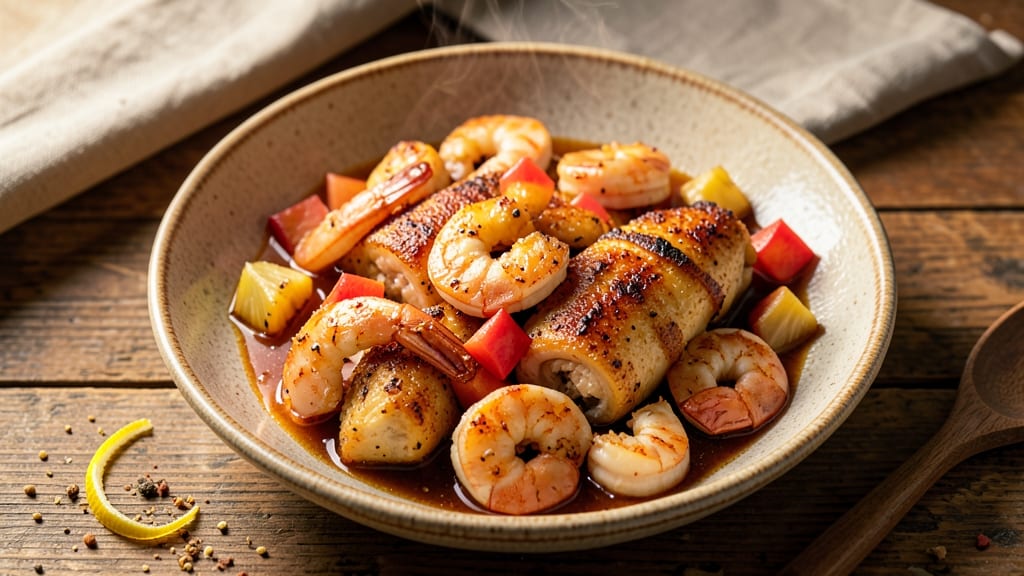
This crispy pineapple chicken and shrimp recipe delivers the perfect balance of sweet, tangy, and savory flavors with a satisfying crunch. After years of perfecting the glaze and cooking technique, I've cracked the code for achieving that coveted crispy exterior while keeping the proteins tender inside.
The secret lies in the marinade—pineapple juice and soy sauce working together to tenderize while building flavor.
The recipe starts with a simple marinade that transforms ordinary chicken and shrimp into something extraordinary. You'll bake or pan-fry the proteins until they develop that beautiful golden-brown crust, then finish with a quick glaze that caramelizes into a sticky, sweet-tangy coating.
This isn't just another stir-fry—it's a restaurant-quality dish that comes together in under 45 minutes with minimal effort.
What you'll end up with is a plate that's as visually stunning as it is delicious—juicy chicken and shrimp pieces with crispy edges, all coated in that glossy pineapple glaze.
The contrast of textures and flavors makes every bite exciting, and the aroma alone will have everyone gathering at the table. This recipe proves you don't need fancy equipment or expensive ingredients to create impressive results.
Serve it over steamed jasmine rice for a complete meal, or pair with a simple green salad to balance the richness. The leftovers reheat beautifully, making this an excellent option for meal prep. Let's get cooking—this dish is about to become your new favorite weeknight meal.
Ingredients for crispy pineapple chicken and shrimp
Sweet, tangy, and crispy—these 15 ingredients transform simple proteins into restaurant-quality bites.
| Ingredient | Amount | Notes |
|---|---|---|
| Boneless, Skinless Chicken Thighs 🍗 | 1 ½ lb | Cut into 1-inch pieces |
| Large Shrimp 🦐 | 1 ½ lb | Peeled, deveined, tails on |
| Fresh Pineapple Juice 🍍 | 1 cup | From 1 medium pineapple |
| Soy Sauce 🍶 | ½ cup | Low-sodium preferred |
| Brown Sugar 🍚 | ½ cup | Packed firmly |
| Garlic Cloves 🧄 | 6 cloves | Minced finely |
| Fresh Ginger 🌿 | 2 tbsp | Grated finely |
| Cornstarch 🌾 | 2 tbsp | For crispy coating |
| Vegetable Oil 🫒 | ¼ cup | High smoke point |
| Sesame Oil 🫒 | 1 tbsp | For finishing |
| Red Pepper Flakes 🌶️ | ½ tsp | Adjust to taste |
| Fresh Cilantro 🌿 | ¼ cup | Chopped for garnish |
| Lime Wedges 🍋 | 2 whole | For serving |
| Salt 🧂 | 1 ½ tsp | Kosher or sea salt |
| Black Pepper 🌶️ | ½ tsp | Freshly ground |
The pineapple juice is non-negotiable for that signature sweet-tangy flavor. Fresh is best—canned juice lacks the depth, and frozen chunks often dilute the marinade. For shrimp, look for wild-caught if possible, or at least ask your fishmonger for the freshest day-old. Chicken thighs stay juicier than breasts, so don't swap them out unless you're okay with drier results. Brown sugar caramelizes beautifully, but white sugar works in a pinch—just know the glaze will be slightly less rich. Garlic and ginger should smell vibrant; if they're musty, toss them.
No fresh pineapple juice? Coconut water or mango nectar adds sweetness without overpowering. Short on sesame oil? Toasted sesame seeds plus a splash of peanut oil gives that nutty aroma. The cornstarch is key for crispiness—arrowroot works too, but cornstarch is more stable at high heat. For extra crunch, toss the proteins in panko breadcrumbs before frying. And if you're feeling lazy, pre-minced garlic from a jar saves time, though fresh always tastes better. The red pepper flakes? Adjust to your heat tolerance—start with half and add more if you love spice.
Marinated proteins keep 2 days in the fridge, but the glaze is best made fresh. For meal prep, cook the proteins separately and store them in the marinade, then glaze when reheating. The shrimp and chicken reheat beautifully—5 minutes in a skillet over medium heat revives that crispy texture. Store leftovers in an airtight container with a paper towel to absorb moisture. And trust me, the extra glaze you make? It's perfect for drizzling over rice or noodles later.
Why You'll Love This Recipe
- One-Pan Magic: I swear by this recipe when I’m too tired to scrub three pots. Toss chicken, shrimp, and pineapple juice in one skillet—no flipping, no fuss—just that golden crust forming while the sweet-tangy glaze caramelizes. The shrimp cooks in minutes, the chicken stays juicy, and the pan’s already half-cleaned by the time you’re done.
- Sweet-Savory Bomb: That combo of brown sugar and soy sauce? It’s like a flavor hug. The pineapple juice keeps things bright, but the crispy edges on the chicken and shrimp—thanks to the quick sear—balance it with a salty crunch. Honestly, the first time I made this, my husband stole half before the table was set.
- Weeknight to Party: I’ve served this for lazy Tuesdays and Sunday dinners alike. Double the batch, pack it in containers, and you’ve got lunch for the week. Or, throw it on the grill for a summer BBQ—same recipe, just swap the stovetop for char. My college roommate still texts me asking for the "easy party dish" every time we reunite.
- Budget-Friendly Feast: Chicken thighs and shrimp stretch further than you’d think, especially with pineapple juice adding volume. Brown sugar and soy sauce are pantry staples, so you’re not breaking the bank for fancy ingredients. Plus, leftovers reheat like a dream—crispy bits turn slightly softer, but the sweet glaze keeps it just as addictive. (Yes, even on a Tuesday night.)
Step-by-step instructions for crispy pineapple chicken and shrimp
Here's how to create restaurant-quality crispy edges with a perfect balance of sweet and tangy flavors.
Marinate Chicken and Shrimp for Maximum Flavor
In a large bowl, combine the 1 cup fresh pineapple juice, 0.5 cup soy sauce, 0.5 cup brown sugar, 6 cloves minced garlic, and 2 tbsp finely grated ginger. Mix until the brown sugar dissolves completely, creating a glossy marinade. This balance of sweet, salty, and aromatic components will infuse the proteins deeply.
Add the 1.5 lb boneless, skinless chicken thighs (cut into 1-inch pieces) and 1.5 lb large shrimp to the marinade. Use your hands to coat each piece thoroughly, ensuring the shrimp are completely submerged. Cover and refrigerate for at least 30 minutes—this allows the flavors to penetrate and the proteins to partially tenderize. For best results, marinate overnight, but even 30 minutes will make a noticeable difference in crispiness and flavor.
Create the Crispy Cornstarch Coating
In a separate bowl, combine 2 tbsp cornstarch, 1.5 tsp salt, and 0.5 tsp black pepper. This mixture is your secret weapon for achieving that perfect crispy texture. The cornstarch creates a light, crunchy barrier that locks in moisture while developing a golden crust.
After marinating, drain the chicken and shrimp, shaking off any excess liquid. Working in batches to avoid crowding, toss each piece in the cornstarch mixture until fully coated. Press the coating gently against each piece to ensure even adherence. This step is crucial—don't skip it if you want that satisfying crunch. Let the coated proteins sit for 5 minutes while you prepare your cooking station.
Cook to Perfect Crispy Perfection
Heat 0.25 cup vegetable oil in a large skillet over medium-high heat until shimmering but not smoking. The oil should be hot enough to sizzle when the chicken and shrimp hit the pan—this creates the Maillard reaction for that golden-brown crust. Working in batches to avoid overcrowding, add the coated proteins and cook undisturbed for 3-4 minutes until the edges turn deep golden brown and crispy.
Flip carefully and cook for another 2-3 minutes until the shrimp turn pink and opaque and the chicken reaches an internal temperature of 165°F. The shrimp should curl slightly at the edges—a sure sign of doneness. Transfer cooked proteins to a paper towel-lined plate to drain excess oil while you prepare the glaze.
Simmer the Sweet-Tangy Glaze
In the same skillet (no need to clean it—those browned bits add flavor), pour in the reserved marinade from the chicken and shrimp. Bring to a simmer over medium heat and cook for 5-7 minutes until the liquid reduces by about half and thickens slightly. The glaze should coat the back of a spoon with a glossy sheen.
Stir in 1 tbsp sesame oil and 0.5 tsp red pepper flakes, then taste and adjust seasoning if needed. The glaze should balance sweet, salty, and slightly spicy notes. If it's too thick, add 1-2 tablespoons of water to reach your desired consistency. Return the chicken and shrimp to the skillet, tossing gently to coat evenly with the glaze.
Finish and Serve with Fresh Garnishes
Cook for an additional 1-2 minutes just to heat through and meld all the flavors. The proteins should be glossy from the glaze while maintaining their crispy edges. Transfer to a serving platter and garnish with 0.25 cup chopped fresh cilantro and serve with 2 whole lime wedges on the side.
This dish shines when served immediately while the proteins are still crispy and the glaze is warm. The contrast of sweet pineapple, savory soy, and crispy textures makes every bite irresistible. Pair with steamed jasmine rice or fluffy cauliflower rice to soak up all that delicious glaze.
Pro Tips For Making Crispy Pineapple Chicken And Shrimp
- Dry the Shrimp First: Skip the rinse—pat those shrimp thoroughly with paper towels before coating. The extra moisture turns your crispy crust into soggy regret, and this recipe demands that satisfying crunch. I learned this the hard way after a batch turned out sticky instead of golden.
- Marinate Chicken Separately: Toss the chicken thighs in half the marinade (pineapple juice, soy, sugar) for 30 minutes while shrimp soak in the rest. Chicken needs that extra time to tenderize—shrimp will overcook if left too long. Trust me, the texture difference is noticeable.
- Watch the Sugar Burn: Start shrimp and chicken on high heat, then immediately reduce to medium-low once they hit the pan. Brown sugar caramelizes fast, and you’ll end up with bitter bits instead of that glossy, sticky glaze. Keep an eye on it—this isn’t the time to walk away.
- Use Pineapple Rind for Depth: Save the rind from your fresh pineapple and simmer it in the sauce for 10 minutes. It adds a subtle tartness and natural sweetness that store-bought juice can’t match. Sounds weird, but it works—your sauce will taste like it came from a tropical kitchen, not a bottle.
Storing and reheating your crispy pineapple chicken and shrimp
Refrigerator Storage
Store your cooked pineapple chicken and shrimp in an airtight container for up to 3 days in the fridge. I always let the dish cool completely before storing to prevent condensation that can make the coating soggy.
Place a paper towel on top to absorb any excess moisture—this keeps the crispy texture intact. The glaze will thicken slightly overnight, so I recommend reheating with a splash of water or pineapple juice to restore its glossy consistency. 🌡️
Freezer Prep Tips
For longer storage, freeze the cooked proteins in a single layer on a tray first—this prevents clumping. Once frozen solid, transfer to a freezer-safe bag with the glaze drizzled on top. Label with the date and freeze for up to 2 months.
When ready to eat, thaw overnight in the fridge, then reheat gently to maintain texture. I've found that shrimp freezes better than chicken in this dish, so plan to use the chicken within 1 month for best results.
Reheating for Crispy Results
My foolproof method for reheating: spread the proteins on a baking sheet lined with parchment paper and broil for 3-4 minutes at 400°F. This restores that crispy exterior while warming through.
For stovetop reheating, use a nonstick skillet over medium heat with 1 teaspoon vegetable oil—just enough to sizzle and recreate that initial crisp. Add a splash of water or reserved marinade to loosen the glaze if it looks dry. 🔥
Glaze Refresh Trick
If your glaze has thickened too much after storage, simply heat it in a small saucepan with 1 tablespoon water until it reaches a pourable consistency. For extra shine, stir in ½ teaspoon sesame oil before tossing the proteins.
I always keep a small jar of the original marinade in the fridge—just simmer it down to make fresh glaze whenever needed. This works perfectly for drizzling over rice or noodles too!
Portioning for Meal Prep
Divide the dish into 4 individual containers before storing to make reheating easier. I like to pack each portion with a small side of rice in the same container—this keeps everything together when you're ready to eat. For lunchboxes, store proteins separately from rice to maintain crispiness.
Safety Reminders
Always reheat chicken and shrimp to an internal temperature of 165°F to ensure food safety. I use a meat thermometer for accuracy—never rely on visual cues alone. When reheating, stir the dish frequently to distribute heat evenly. If you notice any off smells or textures when reheating, discard it immediately. Trust me, your taste buds will thank you for these safety precautions! 💪
Nutrition facts
Frequently asked questions
Can I substitute chicken breasts for thighs in this recipe?
I recommend using thighs instead of breasts—they stay juicier and more tender during cooking. If you must use breasts, pound them thinner (about ½-inch) and marinate for at least 1 hour instead of 30 minutes. Cook them 1-2 minutes less per side to avoid drying out. The crispy texture will still work, but the meat will be slightly less forgiving if overcooked.
How do I get the shrimp extra crispy without losing tenderness?
The cornstarch coating is your secret weapon! After marinating, pat shrimp completely dry with paper towels—moisture prevents crispiness. Toss in cornstarch mixture, then chill for 15 minutes before cooking. This firms up the coating for better adhesion. Cook in small batches over medium-high heat—don't overcrowd the pan. For extra crunch, broil for 30 seconds after pan-frying.
What's the best way to adjust the sweetness in the glaze?
Start with the recipe as written, then taste the glaze before adding proteins. If it's too sweet, stir in 1 teaspoon soy sauce or a pinch of salt. For more sweetness, add 1 tablespoon brown sugar while simmering. The pineapple juice provides natural acidity, so ½ teaspoon lime juice can brighten flavors if the glaze tastes flat. Always adjust gradually—you can add more sweetness, but you can't remove it once it's there!
Can I make this recipe in an air fryer for a healthier version?
Preheat the air fryer to 375°F. Toss the cornstarch-coated proteins in a light spray of oil (just enough to coat), then arrange in a single layer. Air fry for 8-10 minutes, shaking the basket halfway, until golden and crispy. The chicken should reach 165°F internally. For the glaze, simmer it in a saucepan as directed, then toss the hot proteins in the glaze. You'll save about 30% of the oil used in pan-frying while keeping that crispy texture.
Why did my chicken turn out dry instead of juicy?
Overcooking is the most common cause. Chicken thighs are forgiving, but breasts or larger pieces can dry out if cooked beyond 165°F internal temp. Use a meat thermometer—don't guess! Also, don't overcrowd the pan (cook in batches) and rest for 5 minutes after cooking before cutting. For extra juiciness, add 1 tablespoon pineapple juice to the pan while cooking to steam the chicken slightly.