
Main Courses
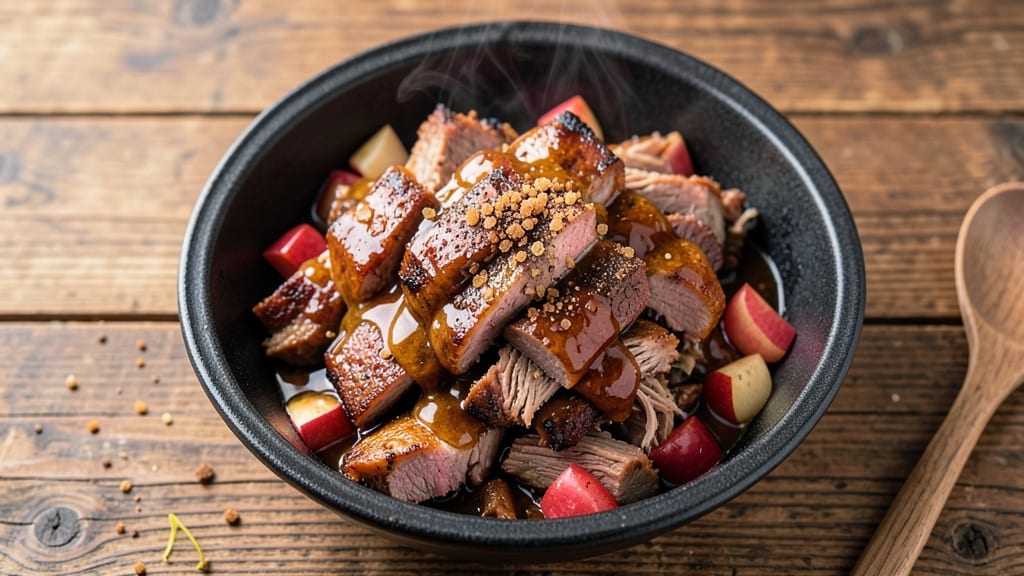
The apple cider vinegar in this crockpot pulled pork transforms tough pork shoulder into melt-in-your-mouth perfection with just 6 hours of hands-off cooking. I first discovered this technique while working the line at Nana Mae's diner in Atlanta—where slow-cooked meats were an art form.
The vinegar's acidity tenderizes the meat while adding a subtle tang that balances the rich, smoky flavors. What sets this recipe apart is the balance of simplicity and depth.
You'll start with a simple dry rub of salt, pepper, and paprika, then let the apple cider vinegar work its magic in the slow cooker. The vinegar not only breaks down the meat's connective tissue but also infuses it with a bright, slightly sweet acidity that cuts through the richness.
By the time you shred that pork, you'll have tender, juicy meat that practically falls apart at the touch. The vinegar-infused cooking liquid becomes a flavorful sauce that clings to every bite, making this pulled pork restaurant-quality without the fuss.
It's the kind of dish that tastes even better the next day, when flavors have had time to meld. Serve it on toasted buns with coleslaw or pickles for a classic sandwich, or pile it over rice for a hearty bowl. The possibilities are endless, but the process is foolproof.
Let's get cooking!
Ingredients for crockpot pulled pork recipe with apple cider vinegar
Six hours of slow-cooked magic starts with these simple, flavor-packed ingredients.
| Ingredient | Amount | Notes |
|---|---|---|
| Pork Shoulder (Boston Butt) 🥩 | 4 lb | Bone-in for flavor, cut into 2-inch chunks |
| Apple Cider Vinegar 🍎 | ½ cup | Raw, unfiltered preferred for depth |
| Brown Sugar 🍚 | ¼ cup | Light or dark, packed measurement |
| Smoked Paprika 🌶️ | 1 tbsp | For that signature smoky flavor |
| Kosher Salt 🧂 | 1 ½ tbsp | Diamond Crystal preferred for accuracy |
| Ground Black Pepper 🌶️ | 1 tbsp | Freshly cracked for best flavor |
| Garlic Powder 🧄 | 1 tbsp | Not garlic salt |
| Onion Powder 🧅 | 1 tbsp | Adds sweet depth |
| Water 💧 | 1 cup | Or apple juice for extra sweetness |
| Honey 🍯 | 2 tbsp | Wildflower preferred |
| Fresh Rosemary 🌿 | ¼ cup | Chopped, stems removed |
| Fresh Thyme 🌿 | ¼ cup | Leaves only, stems removed |
| Balsamic Vinegar 🍷 | 1 tbsp | For finishing touch |
The pork shoulder is where it all begins—look for a piece with good marbling and ask your butcher to cut it into 2-inch chunks if it's not pre-cut. Costco or Whole Foods usually have the best quality at reasonable prices. Apple cider vinegar? Bragg is my go-to, but any raw, unfiltered brand works. The herbs—rosemary and thyme—should be fresh and fragrant. If they smell like nothing, toss them. For the vinegar, if you can't find raw, pasteurized still works but won't have quite the same depth of flavor.
No apple cider vinegar? White vinegar plus 1 tbsp apple juice gets you close, though the flavor won't be as complex. Fresh rosemary wilted? Dried rosemary at one-third the amount is fine, but fresh is worth hunting down at a farmers market. Honey too expensive? Maple syrup works perfectly, though it adds a different depth. The balsamic vinegar is optional but adds that restaurant-quality tang at the end—just a splash over the finished pork. For the dry rub, if you don't have smoked paprika, regular paprika plus a pinch of liquid smoke mimics it surprisingly well.
This pork tastes even better the next day, so make extra if you can. Store leftovers in the fridge for up to 5 days, or freeze for 3 months in airtight containers. The cooking liquid thickens as it cools, so if you want a thinner sauce, just add a splash of water or vinegar when reheating. I always portion it into meal-sized containers—perfect for quick lunches. The vinegar-infused sauce keeps for 1 week in the fridge, so you'll have plenty for sandwiches or tacos.
Why You'll Love This Recipe
- Dump-and-Go Magic: Honestly, I just toss the pork shoulder in raw, add the vinegar and spices, and walk away. That’s it—no searing, no basting, no hovering over a stove. The slow cooker does all the work while you sip your coffee or answer emails.
- Tangy-Sweet Perfection: Between us, the apple cider vinegar is everything—it cuts through the richness of the pork and balances the brown sugar for this perfect, sticky-sweet bite. Smoked paprika adds a whisper of heat, but it’s the vinegar that makes it taste like a restaurant dish, not a weeknight shortcut.
- Leftovers That Last: This recipe actually improves the next day—yes, really. The pork gets even more tender, and I’ve packed it into sandwiches, tossed it into tacos, or just reheated it with a splash of broth. My kid’s school lunches have never been this popular.
- Budget-Friendly Crowd-Pleaser: A single pork shoulder feeds eight, and the ingredients cost less than takeout. The vinegar and spices are cheap staples, and the brown sugar keeps it from feeling like a splurge. Plus, it’s the one dish where everyone—even my picky-eating brother—asks for seconds.
Step-by-step instructions for crockpot pulled pork with apple cider vinegar
This method delivers melt-in-your-mouth tenderness with minimal effort.
Prepare the Pork Shoulder for Maximum Flavor
Start by cutting the 4 lb pork shoulder (Boston Butt) into 2-inch chunks. I like to trim any large fat deposits but leave smaller ones for flavor. Place the chunks in a large bowl and set aside.
In a separate small bowl, mix together the 0.5 cup apple cider vinegar, 0.25 cup brown sugar, 1 tbsp smoked paprika, 1.5 tbsp kosher salt, 1 tbsp ground black pepper, 1 tbsp garlic powder, and 1 tbsp onion powder. This blend creates the perfect balance of tangy, sweet, and savory flavors that will transform your pork.
Pour the dry mixture over the pork chunks and toss gently to coat evenly. The vinegar will begin breaking down the meat fibers immediately, so don't wait too long before transferring to the crockpot. Let it sit for 5 minutes while you prepare the remaining ingredients.
Assemble the Crockpot with Herbs and Liquids
Transfer the seasoned pork to your 6-quart crockpot. Add the 1 cup water, 2 tbsp honey, 0.25 cup chopped fresh rosemary, and 0.25 cup fresh thyme leaves (stems removed). The herbs will infuse their aromatic oils into the meat during the long cook.
Here's the thing—don't skip the herbs. They add depth that store-bought seasoning packets can't match. I always use fresh herbs when possible, but if you must use dried, cut the amount in half. The mixture should look like the pork is swimming in a fragrant broth, not drowning in excess liquid.
Give everything a gentle stir, then place the lid on the crockpot. This is where the magic happens with minimal effort on your part. The slow cooker will work its magic while you handle other tasks.
Cook Until Fork-Tender Perfection
Cook on LOW for 6 hours. That's right—just set it and forget it. The slow, gentle heat is what makes this method work so well. Don't be tempted to check it frequently; every time you lift the lid, you're letting valuable heat escape.
After 6 hours, use tongs to remove the pork chunks and check for tenderness. They should shred easily with minimal resistance. If they're not quite there yet, return them to the crockpot and cook for another 1-2 hours on LOW. The pork is done when it falls apart at the slightest touch.
Real talk: Your crockpot might have different heat settings, so if you're unsure, use the 4-hour rule on HIGH as a backup. But I've found LOW for 6 hours gives the most consistent results with juicy meat every time.
Finish with Balsamic Vinegar for Bright Flavor
Once the pork is tender, remove it from the crockpot and transfer to a serving bowl. Using two forks, shred the meat against the grain into ¼-inch thick strands. The grain direction is important—you'll see lines running through the meat. Cutting against these lines makes each bite more tender.
Pour the cooking liquid through a fine-mesh strainer into a measuring cup, pressing on the solids to extract maximum flavor. Return the pork to the crockpot and stir in the 1 tbsp balsamic vinegar. This final touch adds a bright acidity that cuts through the richness of the pork and balances all the sweet and smoky flavors.
Let the mixture sit for 5 minutes to allow the balsamic to meld with the other flavors. Taste and adjust seasoning if needed—you might want to add a pinch more salt or a splash of vinegar to taste. The pork should be moist, flavorful, and ready to serve immediately.
Pro Tips For Making Crockpot Pulled Pork Recipe With Apple Cider Vinegar
- Sear the Pork First: That vinegar and sugar combo works wonders, but a quick 3-4 minute sear in a hot skillet first locks in flavor and keeps the meat from turning mushy. I used to skip this and wondered why my pulled pork tasted more like slow-cooked pork than anything special—now I never do.
- Use Raw Apple Cider Vinegar: The unfiltered kind with the murky bits has more depth, and you’ll need about ½ cup for that tangy brightness. I learned this the hard way after using pasteurized vinegar—it’s noticeably flatter. If you’re in a pinch, a splash of lemon juice can help, but it’s not the same.
- Don’t Overfill the Crockpot: The pork should have room to breathe—aim for at least 2 inches of space above the meat when adding liquid. I once crammed a 10-pound butt into a 6-quart pot and ended up with soggy, unevenly cooked pork. Crowding = sad pulled pork.
- Add Brown Sugar Late: Stir in the brown sugar during the last 30 minutes of cooking so it caramelizes instead of dissolving into the sauce. I used to dump it all at once, and while it still tasted good, the texture was way less rich. Think of it like the grand finale—save it for when the pork is nearly done.
Storing and reheating your crockpot pulled pork recipe with apple cider vinegar
Fridge Storage Magic
Your pulled pork tastes even better the next day, so don’t hesitate to make extra! Store leftovers in an airtight container (I love Glasslock containers) in the fridge for up to 5 days. The flavors deepen as the vinegar and spices meld together overnight. Just
Freezer-Friendly Tips
For long-term storage, portion the pork into quart-sized freezer bags (leave 1-inch headspace for expansion) and freeze for up to 3 months. When reheating, thaw overnight in the fridge first for even cooking. I always label my bags with the date—trust me, you’ll thank yourself later when you’re grabbing a quick lunch. ❄️
Stovetop Reheating
My preferred method is stovetop reheating because it keeps the meat moist and flavorful. Pour the pork and its juices into a skillet over medium-low heat, add 1-2 tablespoons of water or vinegar (to prevent drying), and simmer for 5-7 minutes until heated through.
Stir occasionally to distribute the sauce evenly. This method preserves that vinegar-kissed tang you worked so hard to create. 🔥
Microwave Shortcut
For quick lunches, transfer a portion to a microwave-safe dish, cover with a damp paper towel, and heat on 70% power in 1-minute intervals until reaching 165°F internal temperature. The damp towel helps retain moisture.
If the sauce looks too thick, add a splash of vinegar or water to loosen it up. It won’t be as perfect as stovetop, but it’s a lifesaver on busy days. 💡
Sauce Salvation
The cooking liquid thickens as it cools, so if you want a thinner sauce for sandwiches or tacos, simply add 1-2 tablespoons of vinegar or water when reheating.
I often save this flavorful liquid separately—it’s perfect for drizzling over rice bowls or mixing into mashed potatoes. Don’t waste a drop of that vinegar-infused goodness! 🌟
Serving Suggestions
Reheated pulled pork shines on toasted buns with tangy coleslaw or pickles, but don’t limit yourself! Pile it over steamed rice, stuff into tortillas, or mix into breakfast hash with potatoes and eggs. The possibilities are endless, and the reheated pork stays juicy and delicious every time. 🍽️
Nutrition facts
Frequently asked questions about crockpot pulled pork with apple cider vinegar
Why does apple cider vinegar make the pork so tender?
The acidity in apple cider vinegar breaks down tough muscle fibers and connective tissue during the slow cook. This tenderizes the meat while infusing it with a bright, slightly sweet tang that balances the rich pork flavor. The longer it cooks, the more dramatic this effect becomes—perfect for low-and-slow methods.
Can I use a different vinegar if I don't have apple cider vinegar?
Yes, but the flavor will differ. For closest results, use white vinegar plus 1 tbsp apple juice per 0.5 cup vinegar. Red wine vinegar works too but adds a deeper fruitiness. Avoid balsamic or rice vinegar—they'll change the overall taste profile significantly. The key is acidity, not specific vinegar type.
How do I know when the pork is fully cooked?
The pork is done when it shreds easily with minimal resistance. Use tongs to test a chunk—it should fall apart completely with gentle pressure. If it's still slightly firm, cook 1-2 more hours on LOW. The internal temperature should reach 203°F (or 195°F if using a meat thermometer).
Can I make this recipe with a different cut of pork?
Boston Butt is ideal, but pork shoulder works too. Avoid lean cuts like tenderloin—they'll dry out. For bone-in cuts, cook 1 hour longer to account for the extra mass. If using pre-cut pork chops, reduce cook time to 4 hours on LOW, but they won't be as tender.
What if my pulled pork turns out too dry?
This usually happens from overcooking or insufficient liquid. For next time, add 0.5 cup extra water or broth to the crockpot. To fix dry pork, shred it and mix with the cooking liquid (or extra vinegar) to restore moisture. The vinegar helps rehydrate the meat while adding tangy flavor.