
Sauces & Condiments
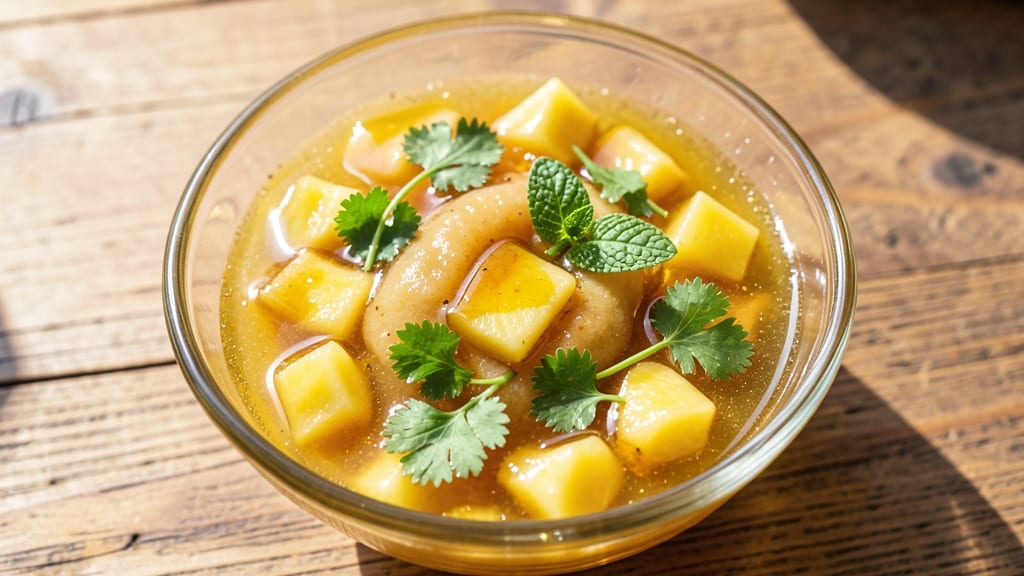
This fresh pineapple salad dressing recipe transforms simple ingredients into a vibrant, tropical elixir that elevates any dish with its bright citrus notes and creamy texture. The secret lies in blending ripe pineapple with lime juice and a touch of honey, creating a balance of sweetness and tang that's impossible to resist. I developed this recipe after craving something lighter than traditional creamy dressings, yet still rich enough to coat every bite.
The dressing comes together in just 10 minutes with minimal effort, making it perfect for busy weeknights or last-minute meal prep. Fresh herbs like mint or cilantro add an aromatic depth, while a splash of coconut milk creates a luxurious, velvety consistency.
What sets this apart is how well it complements both savory and sweet dishes—think grilled chicken, seafood, or even fruit salads.
What you'll end up with is a dressing that's refreshingly light yet deeply flavorful, with a glossy sheen that makes salads look as good as they taste. The pineapple's natural enzymes tenderize greens slightly, while the citrus keeps everything bright and invigorating.
This isn't just a dressing; it's a flavor experience that transforms ordinary meals into something special.
Store it in the fridge for up to 5 days, or make a double batch to have on hand for quick meals. The versatility is its greatest strength—drizzle it over greens, toss it with grains, or use it as a marinade for proteins.
Here's how to make it perfectly every time.
Ingredients for fresh pineapple salad dressing
Nine ingredients blend into a tropical dressing that transforms salads from ordinary to extraordinary.
| Ingredient | Amount | Notes |
|---|---|---|
| Fresh Pineapple Chunks 🍍 | 1 ½ cups | Ripe, juicy, and finely chopped |
| Fresh Lime Juice 🍋 | ½ cup | Strained, seeds removed |
| Extra-Virgin Olive Oil 🫒 | ½ cup | Light, fruity variety preferred |
| Raw Honey 🍯 | 2 tbsp | Local preferred for depth |
| Fresh Cilantro Leaves 🌿 | ¼ cup | Stems removed, loosely packed |
| Fresh Mint Leaves 🌿 | ¼ cup | Optional, for aromatic depth |
| Light Coconut Milk 🥥 | ¼ cup | Full-fat for creamier texture |
| Diamond Crystal Kosher Salt 🧂 | ½ tsp | Fine grain preferred |
| Freshly Ground Black Pepper 🌶️ | ¼ tsp | For subtle heat balance |
| Garlic Cloves 🧄 | 2 cloves | Minced, for subtle depth |
The pineapple is non-negotiable—ripe, juicy chunks from the produce section at Whole Foods or your local farmers' market deliver the best flavor. Look for pineapples with vibrant green leaves and a slightly soft base; these indicate peak ripeness. Trader Joe's carries pre-cut pineapple in convenient packages, saving prep time without sacrificing quality. For the lime juice, use freshly squeezed—bottled versions lack the bright acidity needed to balance the sweetness. The extra-virgin olive oil should be light and fruity, like Colavita or Bertolli, to complement rather than overpower the tropical flavors. Fresh herbs are crucial here, so avoid dried substitutes unless absolutely necessary.
No fresh pineapple? Canned pineapple in juice works in a pinch, but drain it thoroughly to avoid excess liquid. Substitute lime juice with lemon juice, though the flavor profile will shift slightly toward more tartness. For a dairy-free option, almond milk or oat milk can replace coconut milk, though the texture will be lighter. Honey substitutes like maple syrup or agave work well, though they may alter the dressing's delicate balance. The garlic adds subtle depth—skip it if you prefer a purely fruity profile, but trust me, it elevates the dressing significantly. For those avoiding honey, date syrup or agave nectar are excellent alternatives, though they may require slight adjustments to sweetness.
This dressing thrives in the fridge for up to 5 days, maintaining its vibrant color and bright flavors. Store it in an airtight container with a thin layer of olive oil on top to preserve freshness. For longer storage, freeze in ice cube trays—thaw overnight in the refrigerator before use. The coconut milk may separate slightly upon refrigeration; simply whisk vigorously before serving. Double batches are ideal for meal prep, as the dressing only gets better over time as the flavors meld. Use it within 7 days of making for optimal freshness, though it remains safe for up to 2 weeks when properly stored.
Why You'll Love This Recipe
- No-Chopping Needed: I swear by this—just toss pineapple chunks (pre-cut or frozen) into the blender with lime juice, olive oil, and honey. The blender does the work while I sip my coffee, and the dressing’s ready in minutes. No knife skills required.
- Sweet-Tart Magic: That honey-lime-pineapple combo? It’s like a tropical vacation in your mouth. The lime brightens the sweetness, the olive oil smooths it out, and the cilantro adds a fresh kick—no weird aftertaste, just pure, balanced flavor.
- Works Everywhere: Drizzle it on grilled chicken, toss it with shrimp, or mix it into a grain bowl. It’s my go-to for summer BBQs, lazy weeknight salads, or even as a marinade. Honestly, I’ve used it on everything and it never lets me down.
- Lasts All Week: Make a big batch—it keeps in the fridge for up to 5 days without separating. I double the recipe on Sundays so I’m not scrambling for dressing later. Plus, pineapple’s cheap in season, so it’s budget-friendly without sacrificing taste.
Step-by-step instructions for fresh pineapple salad dressing
Blend these tropical ingredients into a vibrant dressing that brightens any salad with zesty citrus and creamy depth.
Blend the Base Ingredients
In a high-speed blender, combine the 1.5 cups fresh pineapple chunks, 0.5 cup fresh lime juice, 0.5 cup extra-virgin olive oil, and 2 tbsp raw honey. The pineapple should be finely chopped to ensure a smooth texture—no fibrous bits should remain. Pulse briefly to break down any large chunks before blending fully.
Blend on high speed for 30-45 seconds until completely smooth. You'll notice the mixture transforms from chunky to silky, with a vibrant golden-yellow hue. This base creates the dressing's signature tropical sweetness while maintaining a balanced acidity from the lime. Taste at this stage—the natural sweetness of the pineapple and honey should complement the bright citrus notes.
Incorporate Herbs and Aromatics
Add the 0.25 cup fresh cilantro leaves, 0.25 cup fresh mint leaves, 2 cloves minced garlic, 0.25 cup light coconut milk, 0.5 tsp diamond crystal kosher salt, and 0.25 tsp freshly ground black pepper to the blender. The herbs should be stems removed and loosely packed, while the garlic should be finely minced for subtle depth without overpowering.
Blend again for 20-30 seconds until the herbs are fully incorporated and no visible pieces remain. The coconut milk adds a luxurious creaminess that balances the dressing's brightness, while the garlic and herbs introduce aromatic complexity. The salt and pepper should be distributed evenly—this is when the dressing truly comes together in flavor. If the mixture appears too thick, add 1-2 tablespoons of water to reach a pourable consistency.
Adjust and Rest for Optimal Flavor
Transfer the dressing to a bowl and taste immediately. The pineapple's natural sweetness should harmonize with the tart lime and subtle heat from the garlic, while the coconut milk adds a velvety finish. If the dressing tastes too sweet, add 1-2 teaspoons more lime juice; if it needs more depth, add 1 teaspoon honey or a pinch of salt. The goal is a balance of tropical sweetness, citrus brightness, and herbal freshness.
Cover the bowl and let the dressing rest at room temperature for 15-20 minutes. This allows the flavors to meld and the coconut milk to fully emulsify with the olive oil, creating a stable, creamy texture. After resting, give it one final taste—you'll notice the flavors have deepened and become more cohesive. The dressing is now ready to elevate any salad with its vibrant tropical profile.
Pro Tips For Making Fresh Pineapple Salad Dressing
- Pulse the Pineapple: I learned this the hard way—blending whole pineapple chunks creates a gluey mess. Instead, roughly chop them (no need to be precise) and pulse in short bursts. You want texture, not a smoothie, and a quick 3-4 second pulse per batch keeps the chunks intact while still breaking them down enough to release flavor.
- Strain the Cilantro: Fresh cilantro leaves add brightness, but stems are bitter and overpowering. Strip them from the leaves, then give the chopped stems a quick 10-second pulse in the blender before straining through a fine-mesh sieve. This extracts just enough flavor without muddying the dressing—trust me, your taste buds will notice the difference.
- Balance the Honey Last: Adding honey early can make the dressing cloyingly sweet before the acidity kicks in. Start with just half the called-for amount, taste, then adjust. The lime juice and pineapple’s natural tartness will mellow as they sit, so you’ll likely need more honey later—but this way, you’re not overdoing it from the start.
- Let It Rest: This isn’t the prettiest method, but it’s the tastiest: blend everything, then let the dressing sit for 15 minutes before serving. The flavors meld, the lime’s acidity softens slightly, and the pineapple’s sweetness becomes more pronounced. I know, I know—it’s hard to wait—but your salad will thank you.
Make-ahead tips for fresh pineapple salad dressing
Prep Ahead Essentials
Make a double batch of this dressing and store it in a glass mason jar with a tight-sealing lid. The pineapple's natural enzymes continue breaking down as it sits, creating a smoother texture over time.
I like to prep this on Sundays so it's ready for quick lunches all week—just shake well before using. 🌿
Freezer-Friendly Tips
Freeze individual portions in ice cube trays for easy single-serving use. Once frozen, transfer cubes to a ziplock bag and flatten to save space. Thaw overnight in the fridge, then whisk with a splash of water to restore creaminess.
This works best for the coconut milk-based version—avoid freezing if you prefer a chunkier texture. ❄️
Herb Substitutions
If fresh herbs aren't available, use 1 tbsp dried cilantro or mint (reduce by ¼ since dried is more concentrated). For a different flavor profile, swap mint for basil or add thinly sliced jalapeño for heat.
I've even used fresh tarragon in a pinch—it adds an anise-like depth that pairs surprisingly well. 🌶️
Texture Control
For a thicker dressing perfect for dipping or coating, reduce the coconut milk to 2 tbsp and add 1 tbsp Greek yogurt. For a lighter version, increase olive oil to ⅔ cup and blend with 1 ice cube for instant chill.
The key is consistency—adjust in 1-tbsp increments until you reach your ideal pourability. 💡
Flavor Boost Hacks
Add ½ tsp ground ginger for warmth or 1 tsp lime zest for extra brightness. For smoky depth, toast 1 tsp smoked paprika in a dry pan, then whisk into the dressing.
I also love adding 1 tsp grated ginger or a pinch of chili powder for complexity. These tweaks work best after the initial resting period when flavors have melded. 🔥
Long-Term Storage
This dressing keeps for up to 2 weeks in the fridge when stored properly. Use an airtight container with a thin layer of olive oil on top to prevent oxidation.
For best results, consume within 5 days—after that, the pineapple's natural sugars may cause slight separation. When in doubt, taste and adjust before using. ✨
Nutrition facts
Frequently asked questions
Can I use canned pineapple instead of fresh?
Yes, but drain the pineapple thoroughly to avoid a watery dressing. Use 1 cup of canned pineapple chunks in juice (not syrup) and reduce the lime juice to 3 tablespoons to balance the extra moisture. The texture will be slightly less vibrant, but the tropical flavor remains.
How do I make this dressing dairy-free?
Replace the coconut milk with ¼ cup unsweetened almond milk or oat milk for a lighter texture. For creaminess, add 1 tablespoon Greek yogurt (dairy-free if needed). The dressing will be thinner but still delicious—adjust olive oil to ⅔ cup for better coating.
What salads pair best with this dressing?
This dressing shines on mango avocado salads, grilled chicken bowls, or seafood platters. It also works beautifully with Asian-inspired salads (like shredded cabbage with edamame) or fruit salads (try it with berries and coconut flakes). Avoid bitter greens like arugula—opt for mild lettuces or spinach.
Why did my dressing separate?
Separation happens when the coconut milk and olive oil aren't fully emulsified. Whisk vigorously or blend briefly to recombine. For prevention, chill the dressing for 1 hour before serving—cold temperatures help stabilize the mixture. If it separates again, add 1 teaspoon Dijon mustard to help bind the ingredients.
Can I make this spicy?
Add ½ teaspoon chili powder or 1 teaspoon sriracha for heat. For smoky depth, toast ½ teaspoon smoked paprika in a dry pan, then whisk it in. Start with small amounts—pineapple's sweetness balances heat beautifully, but you can always add more.