
Side Dishes
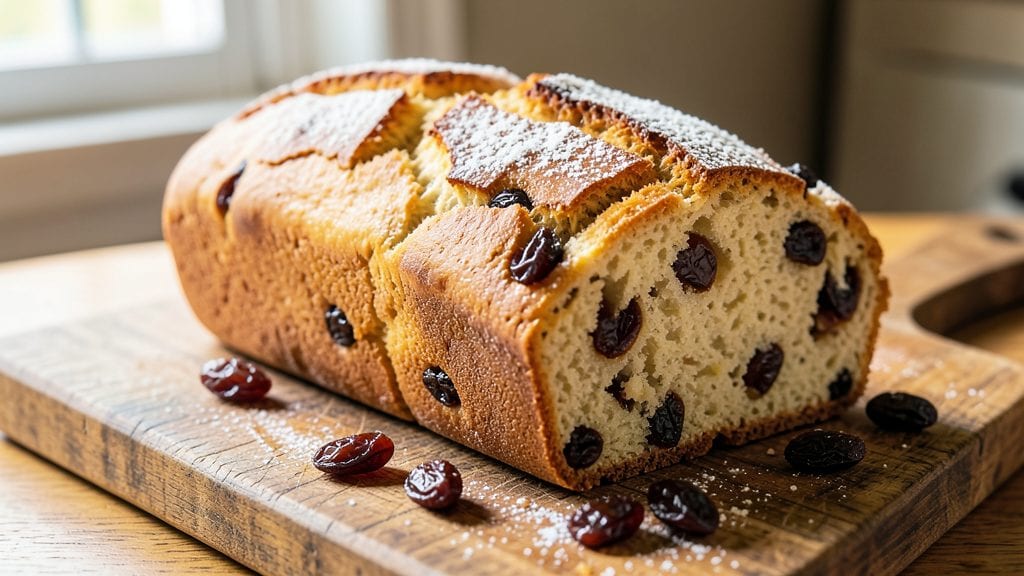
Grandma's raisin bread recipe brings warmth and nostalgia to any kitchen with its signature chewy sweetness and fragrant spices. 🌟 The soft, slightly dense texture and bursts of plump raisins make this loaf perfect for breakfast toast or a comforting side.
I've baked this recipe countless times, adjusting it from my grandmother's original notes to ensure foolproof results every time.
This classic recipe relies on simple ingredients like flour, sugar, and warm spices that create an irresistible aroma while baking. The dough requires just a few minutes of mixing before resting overnight—this slow fermentation develops deep flavor and ensures a tender crumb.
Raisins are soaked in warm water to plump them up, guaranteeing they stay juicy rather than dry.
By the time it emerges from the oven, you'll have a golden-brown loaf with a crackly top and fragrant steam escaping. Each slice reveals a tender crumb studded with sweet raisins, perfect for dipping in coffee or spreading with butter.
The spices—cinnamon, nutmeg, and allspice—add warmth that lingers with every bite.
While this recipe stays true to tradition, you can easily customize it by adding chopped nuts or adjusting the sweetness to your preference. The dough's versatility makes it ideal for holidays or everyday baking. Let's get started on this timeless family recipe that brings comfort to every table.
Ingredients for grandma's raisin bread
Simple pantry staples transform into nostalgic raisin bread with chewy sweetness and fragrant spices.
| Ingredient | Amount | Notes |
|---|---|---|
| All-Purpose Flour 🌾 | 4 ½ cups | Sifted for even texture |
| Granulated Sugar 🍬 | ¾ cup | Light brown sugar for depth |
| Active Dry Yeast 🍞 | 2 ¼ tsp | One packet for convenience |
| Warm Water 💧 | 1 ½ cups | 110°F for yeast activation |
| Unsalted Butter 🧈 | ½ cup | Softened, not melted |
| Large Eggs 🥚 | 2 whole | Room temperature preferred |
| Golden Raisins 🍇 | 1 ½ cups | Soaked in warm water |
| Ground Cinnamon 🌿 | 1 ½ tsp | Freshly ground for warmth |
| Ground Nutmeg 🌿 | ½ tsp | Freshly grated preferred |
| Ground Allspice 🌶️ | ½ tsp | For subtle warmth |
| Salt 🧂 | 1 tsp | Kosher or sea salt |
| Milk 🥛 | ¼ cup | Warm for tender crumb |
The flour is the foundation—King Arthur or Gold Medal brands yield the best texture for this recipe. If you're using a mix of all-purpose and bread flour, stick to 80% all-purpose for that signature chewy quality Grandma loved. The yeast needs to be fresh, so check the expiration date—Bob's Red Mill or Fleischmann's are reliable choices. For the raisins, soak them in warm water for at least 30 minutes (or overnight in the fridge) to plump them up. Drain well before adding to the dough. The spices should be freshly ground if possible—pre-ground spices lose potency quickly, and that warm cinnamon-nutmeg aroma is what makes this bread special.
No golden raisins? Dried cranberries or chopped dates work in a pinch, though the flavor will differ slightly. Short on butter? Substitute with vegetable oil, but the bread will be slightly less tender. Want to add nuts? Chopped walnuts or pecans (about 1 cup) toasted in the oven for 5-10 minutes at 350°F add a lovely crunch. If you're baking at high altitude, reduce the yeast by 25% and increase the flour by 2 tbsp to prevent an overly tall loaf. For a sweeter loaf, add 2 tbsp more sugar or swap in 1/4 cup honey—just adjust the liquid slightly if you do.
This dough is best made a day ahead—cover and refrigerate overnight for deeper flavor development. The raisins will keep their juiciness, and the spices will meld beautifully. Once baked, store the loaf wrapped in a clean kitchen towel at room temperature for up to 3 days. For longer storage, slice and freeze portions—they reheat beautifully in the oven or toaster. The aroma alone as it bakes will fill your kitchen with nostalgia, so bake when you're home to enjoy the experience. Leftovers make perfect toast or French toast, so don't be surprised if this recipe becomes a staple in your household.
Why You'll Love This Recipe
- No-Knead Nightmare Solved: I swear by this dough—just mix, let it rise, and forget it. That warm butter swirled into the flour? It melts into something so tender, you’ll forget you didn’t slave over it.
- Sweet Without Overpowering: The sugar caramelizes just enough to make every bite sing, but the raisins? They soak up the moisture and burst with that classic plumpness—like a hug in bread form.
- Breakfast to Picnic Hero: Toast it for breakfast, pack slices for lunch, or serve warm with butter at a holiday gathering. It’s the one loaf that does it all without needing a fancy occasion.
- Leftovers That Last: A single batch feeds my family for days—sandwiches, French toast, or just straight from the fridge. And honestly? The second day is often better, when the raisins get even juicier.
Step-by-step instructions for Grandma's raisin bread
Follow this classic method for a perfectly spiced loaf with moist crumb and plump raisins.
👨🍳 Step 1: Activate the Yeast and Soak the Raisins
In a small bowl, combine the 1.5 cups warm water (about 110°F) with the 0.75 cup granulated sugar. Sprinkle the 2.25 tsp active dry yeast over the top and let it sit for 5-10 minutes until foamy. This activation step ensures your bread rises properly—if it doesn't foam, your yeast is dead and you'll need to start over.
In a separate bowl, soak the 1.5 cups golden raisins in the 0.25 cup warm milk for 15 minutes. This plumps them up and infuses them with subtle sweetness. Drain any excess milk before adding them to the dough, but don't rinse them—the moisture helps create that signature chewy texture.
🍳 Step 2: Mix the Dough and Knead Until Smooth
In the bowl of a stand mixer fitted with the dough hook, combine the 4.5 cups all-purpose flour, 1.5 tsp ground cinnamon, 0.5 tsp ground nutmeg, 0.5 tsp ground allspice, and 1 tsp salt. Mix on low speed until combined, then add the yeast mixture, 2 whole large eggs, and 0.5 cup softened unsalted butter. Mix on low until the butter incorporates completely.
Switch to medium speed and knead for 5-7 minutes until the dough becomes smooth and elastic. It should pull away from the sides of the bowl and spring back when pressed. If it's too sticky, add 1 tablespoon flour at a time until it reaches the perfect consistency—like playdough but slightly tacky. Real talk: This is where the magic happens, so don't rush it.
⏰ Step 3: First Rise and Shaping for Perfect Texture
Lightly grease a large bowl with butter and place the dough inside. Cover with a clean kitchen towel and let it rise in a warm place for 1-1.5 hours, or until doubled in size. You'll know it's ready when you poke it gently and the indentation stays—this means the gluten has relaxed and your bread will have that signature open crumb.
Once risen, punch down the dough to release air bubbles. Transfer it to a lightly floured surface and fold in the soaked raisins, pressing them gently into the dough. Shape into a round loaf (traditional for raisin bread) and place it seam-side up in a greased 9x5-inch loaf pan. Cover again and let it rise for another 30-45 minutes until it expands slightly above the pan.
🔥 Step 4: Bake Until Golden and Hollow-Sounding
Preheat your oven to 350°F while the dough rises. Bake the loaf for 30-35 minutes until the top is deep golden brown and a toothpick inserted in the center comes out clean. Here's the thing—don't overbake. The bread continues cooking as it cools, and you want that moist crumb, not a dry one.
For extra shine and color, brush the top with milk after 20 minutes of baking. This creates that classic Grandma-style crust. Let the bread cool in the pan for 10 minutes, then transfer to a wire rack. The interior should be warm and slightly sticky, with raisins distributed throughout the tender crumb.
Pro Tips For Making Grandma'S Raisin Bread
- Measure Butter Cold: Take the butter straight from the fridge—no softening needed. I used to melt it into the warm water, thinking it would blend better, but it makes the dough greasier and harder to handle. Just grate or cut it into small cubes and let the heat work its magic during mixing.
- Bloom Yeast First: Mix the yeast with warm water and sugar before adding flour—wait 5 minutes until it’s bubbly and frothy. Skipping this step means your dough might rise slower or unevenly, and that’s when you end up with dense, flat raisin bread instead of light, airy loaves.
- Soak Raisins Properly: Toss the raisins in warm water with a splash of sugar and a pinch of flour—let them sit 10 minutes before folding into the dough. This plumps them up and keeps them from sinking to the bottom like rocks. (Yes, I’ve made that mistake.)
- Punch Down Twice: After the first rise, punch down the dough hard—then let it rise again. I learned this the hard way: one rise leads to uneven texture, but two ensures a consistent crumb. Give it 30 minutes in a warm spot, and you’ll get that classic tender bite.
Serving suggestions for this dish
Breakfast Pairings
This raisin bread shines brightest in the morning—slice it thick and toast it until golden, then slather with cultured butter or cream cheese for a classic combo. I love adding a drizzle of local honey or a sprinkle of cinnamon sugar for extra warmth.
For a hearty breakfast, pair it with scrambled eggs and crispy bacon—the sweetness of the raisin bread balances the savory flavors beautifully. 🍳
Make it a brunch star by serving with Greek yogurt and fresh berries. The tartness of the berries cuts through the bread's sweetness, while the yogurt adds a creamy contrast.
I also recommend a strong cup of coffee or chai tea—the spices in the bread complement the warmth of the tea perfectly.
Afternoon Snacks
For an afternoon treat, spread slices with whipped cream cheese and sliced almonds for a sweet-and-nutty bite. The texture of the bread holds up beautifully against the creaminess, making it perfect for lunchboxes or office snacks.
I often pack a few slices with peanut butter for a protein boost—it's a nostalgic combo that never gets old. 🥜
Create a mini raisin bread pudding by cubing leftover slices, soaking them in vanilla custard, and baking until golden. Top with caramelized bananas and a sprinkle of toasted pecans for a decadent dessert that feels like a hug. This works especially well with vanilla ice cream for scooping.
Holiday Gatherings
This bread is a crowd-pleaser at holiday tables—serve warm slices with butter and a sprinkle of coarse sugar for an elegant touch. I always include it at Thanksgiving alongside mashed potatoes and roasted turkey—the sweetness pairs wonderfully with savory dishes.
For Christmas morning, pair it with eggnog and cheese platters for a festive spread. 🎄
At winter parties, offer it as a dessert bread with spiced whipped cream or dark chocolate ganache. The warm spices in the bread harmonize with the richness of chocolate, creating a sophisticated yet comforting dessert. Guests will love the nostalgic flavor that reminds them of home.
Make-Ahead Serving
Slice the bread and freeze it in airtight containers for quick breakfasts or snacks. When ready to serve, simply toast the slices until warm and crispy. I keep a stash in my freezer for busy mornings—just pop them in the toaster while I pour my coffee.
The bread reheats beautifully without losing its chewy texture. ❄️
For a gourmet touch, serve with homemade jam or fruit compote—the acidity of the jam brightens the bread's sweetness. I especially love blackberry or apricot jam with this recipe. Pair it with sparkling cider or champagne for a festive brunch that feels special without being overly complicated.
Nutrition facts
Frequently asked questions
Why does this raisin bread need to rise overnight?
The overnight rise develops deeper flavor and a tender crumb. The slow fermentation allows the yeast to work gradually, creating a more complex taste and softer texture. For best results, cover the dough tightly and refrigerate it for 8-12 hours before baking.
Can I substitute raisins with dried cranberries or dates?
Yes! For a tart twist, use 1.5 cups dried cranberries (soaked first). For a caramel-like flavor, swap in 1 cup chopped dates (pitted and chopped). Both work well, though the texture may vary slightly. The soaking step is key for juicy results.
How do I know when the bread is fully baked?
Look for a deep golden brown crust and tap the bottom—it should sound hollow. Insert a toothpick too: if it comes out clean (or with a few moist crumbs), it's done. Overbaking dries out the bread, so aim for 30-35 minutes at 350°F.
What if my dough doesn't rise properly?
Check your yeast first—it must be fresh and activated in warm water. If the dough is too cold, place it in a warm oven (off) with a bowl of hot water for 10 minutes to help it rise. Avoid drafty areas, and ensure your yeast packet is within its expiration date.
Can I make this bread without a stand mixer?
Mix the dough by hand in a large bowl, then knead on a floured surface for 8-10 minutes until smooth and elastic. Use the "windowpane test"—stretch a small piece of dough thin enough to see light through it. This ensures proper gluten development for a tender loaf.