
Main Courses
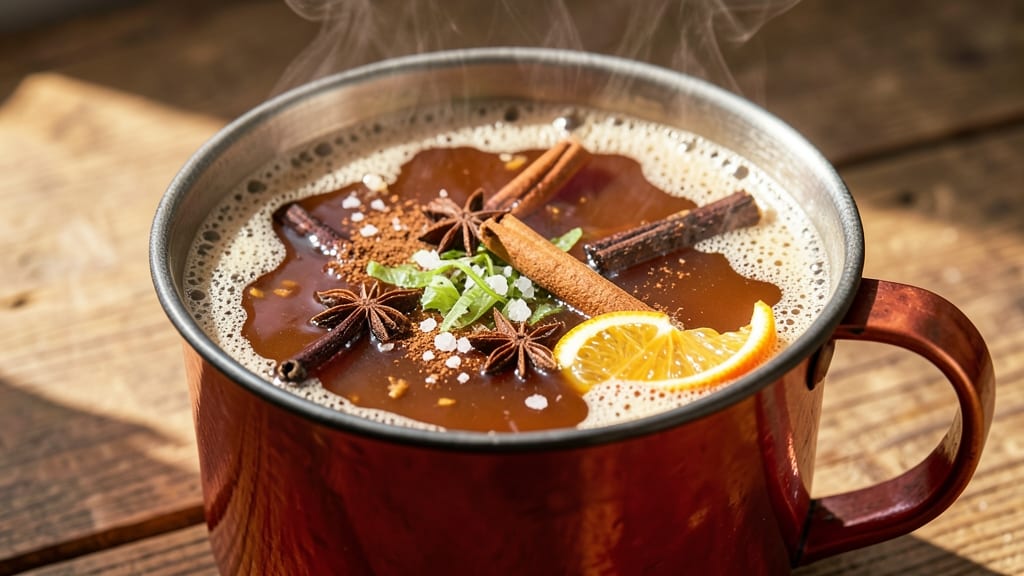
This hard hot apple cider recipe transforms simple ingredients into a spiced simmer perfection that warms both body and soul—ideal for crisp autumn evenings or festive gatherings. The process blends traditional fermentation with bold spices like cinnamon and cloves, creating a beverage that’s rich, aromatic, and deeply satisfying.
I’ve perfected this method over years, ensuring every batch delivers that perfect balance of warmth and complexity without overwhelming bitterness.
The foundation begins with fresh apple cider, which you’ll ferment with yeast to develop depth and character. As it simmers, aromatic spices infuse the liquid, while optional additions like bourbon or smoked salt add modern twists for adventurous palates.
Safety is key—proper fermentation times and sterilization prevent spoilage, so I’ll guide you through each step with precision.
What you’ll end up with is a golden, fragrant cider that’s smooth, slightly effervescent, and packed with spiced warmth. Serve it steaming in mugs with cinnamon sticks for a rustic touch, or pour it into glasses for a more refined presentation.
This isn’t just a drink—it’s a centerpiece for cozy nights, holiday cheer, or any moment that calls for comfort in a cup.
Whether you’re a seasoned home brewer or new to fermentation, this recipe delivers restaurant-quality results with minimal fuss. The process is straightforward, but the payoff—rich, spiced cider that tastes like autumn—is unforgettable. Let’s get started on crafting your perfect batch.
Ingredients for hard hot apple cider
Fresh cider, yeast, and spices blend into a rich, aromatic hard cider that feels like autumn in every sip.
| Ingredient | Amount | Notes |
|---|---|---|
| Fresh Apple Cider 🍎 | 8 cups | Unfiltered, preferably organic |
| Active Dry Yeast 🍺 | ¼ oz | Or 1 packet (7g) |
| Granulated Sugar 🍬 | ½ cup | For fermentation feed |
| Ground Cinnamon 🌿 | 1 tbsp | Freshly ground preferred |
| Whole Cloves 🌶️ | 6 whole | Lightly crushed |
| Star Anise Pods 🌟 | 2 whole | Lightly crushed |
| Orange Peel 🍊 | 1 tbsp | Dried, organic preferred |
| Bourbon (optional) 🥃 | ½ cup | For depth of flavor |
| Smoked Sea Salt 🧂 | ½ tsp | For modern twist |
| Fresh Ginger 🌿 | 1 tbsp | Grated, for zing |
| Lemon Juice 🍋 | 1 tbsp | Freshly squeezed |
| Cinnamon Sticks 🌿 | 4 whole | For garnish |
| Apple Slices 🍏 | 2 whole | For garnish |
The cider quality makes all the difference—local orchard brands or organic store-bought work best. I always grab unfiltered cider from Whole Foods or Trader Joe's for that authentic orchard taste. For yeast, Brewers Best or Lalvin EC-1118 are my go-tos, but any active dry yeast will do. The spices? Penzeys bulk bins are perfect for cinnamon and star anise—just crush them lightly to release those aromatic oils. Skip the pre-ground spices; they lose potency fast. If you're feeling adventurous, smoked salt from Morton adds a modern twist that pairs beautifully with the traditional spices.
No bourbon? Apple brandy or even extra apple cider keeps the flavor profile intact. Running low on star anise? Cinnamon sticks at double the amount work in a pinch, though they won’t give that same licorice-like depth. The ginger should be fresh—dried just won’t cut it here. If you’re fermenting in a cooler climate, warm the cider slightly before adding yeast to help it activate faster. And for the love of cozy nights, don’t skip the cinnamon sticks for garnish—they’re the perfect finishing touch that makes this feel like a rustic pub, not just a homemade drink.
Fermented cider keeps in the fridge for up to 2 weeks, but the flavor really comes alive after 5-7 days of fermentation. Once you’re ready to serve, reheat it gently on the stove—never microwave, or you’ll kill those delicate spices. Store extra batches in sterilized glass jars with tight lids for up to 3 months in the fridge. Pro tip: Label everything with the date—trust me, you’ll thank yourself later when you’re pulling out a jar for a last-minute holiday gathering and it’s still perfect.
Why You'll Love This Recipe
- No-Fuss Fermentation: I swear by this recipe because it’s literally just cider, yeast, and a handful of spices—no fancy equipment or waiting weeks. You pitch the yeast, let it bubble overnight, and boom: homemade hard cider that’s ready in under 24 hours. (Yes, even my college-dorm-kitchen self could handle it.)
- Spiced Like Autumn: That warm cinnamon-clove kick turns this into liquid comfort—like sipping a pumpkin pie in a mug. The sugar balances the tart cider perfectly, so it’s never cloying, just ridiculously drinkable. I’ll be real: I’ve caught myself sneaking sips straight from the carboy.
- Weekend Project, Party Ready: Make a big batch on Saturday, then sip it all week—or freeze half for holidays. It’s the kind of drink that elevates a tailgate, a bonfire, or just a lazy Sunday with a book. (Pro tip: Chill a bottle for company; they’ll think you’re a mixologist.)
- Budget Booze Magic: For the cost of a six-pack, you get gallons of customizable alcohol—no store-bought markup. Leftovers? Age them like wine or dilute with ginger ale for a non-alcoholic version. My wallet and my guests thank me every time.
Step-by-step instructions for crafting hard hot apple cider
Warm, spiced, and perfectly balanced—this method transforms simple ingredients into a cozy, fermented delight.
Prepare the Spiced Cider Base
In a large, heavy-bottomed pot, combine the 8 cups fresh apple cider, 0.5 cup granulated sugar, 1 tbsp ground cinnamon, 6 whole cloves, 2 whole star anise pods, 1 tbsp orange peel, 0.5 tsp smoked sea salt, and 1 tbsp grated fresh ginger. Stir gently to dissolve the sugar and distribute the spices evenly. The mixture should smell rich and aromatic—like a spiced orchard on a crisp autumn day.
Bring the cider to a gentle simmer over medium heat, then reduce to a low boil. Let it cook uncovered for 15-20 minutes, stirring occasionally to prevent scorching. You'll notice the spices deepen in flavor and the liquid becomes slightly reduced—this concentrates the natural sweetness and intensifies the spice notes. The moment you smell that warm, cinnamon-kissed aroma, you're ready for the next step.
Cool and Activate the Yeast
Remove the pot from heat and let the cider cool to room temperature (about 75°F). This step is critical—yeast needs warmth to activate but will die if exposed to heat. While cooling, dissolve the 0.25 oz active dry yeast in ¼ cup warm water (about 110°F) in a small bowl. Stir in 1 tbsp lemon juice to lower the pH slightly, which helps prevent bacterial contamination.
Once the cider reaches 75°F, whisk the yeast mixture into the pot and stir gently. You'll see tiny bubbles form within 5-10 minutes—this confirms the yeast is alive and ready to work. If you added the 0.5 cup bourbon, now's the time to stir it in for a smoky depth. Cover the pot loosely with a clean kitchen towel and let it sit at room temperature for 12-24 hours, allowing the yeast to ferment naturally.
Ferment and Develop Flavor
After the initial fermentation, transfer the cider to a clean, sanitized glass jar or fermentation vessel, leaving about 1 inch of headspace at the top. Cover with a breathable lid or cloth secured with a rubber band. Place the jar in a dark, warm spot (around 70-75°F) and let it ferment for 5-7 days, stirring gently once daily to distribute the yeast and prevent a skin from forming.
You'll know fermentation is progressing when you see bubbles rising to the surface and a faint, effervescent aroma develops. Taste the cider after 3 days—it should be slightly fizzy and developing a subtle tartness. If it tastes too sharp or overly alcoholic, let it ferment a bit longer. The goal is a balanced drink with 4-6% ABV, so patience here is key. The spices should infuse beautifully, creating layers of warmth and complexity.
Bottle and Condition
Once the cider reaches your desired flavor profile, transfer it to sanitized glass bottles, leaving 1 inch of headspace to allow for carbonation. Seal the bottles tightly and let them sit at room temperature for 24-48 hours to condition. This secondary fermentation builds natural carbonation and mellows the flavors. You'll hear a satisfying fizz as the cider develops bubbles—this is the magic of natural fermentation.
After conditioning, refrigerate the bottles for 12-24 hours to halt fermentation. The cold temperature will also help carbonate the cider further. Before serving, garnish each glass with 2 whole apple slices and 4 whole cinnamon sticks for a rustic touch. The contrast of warm spices and crisp apple slices elevates every sip, making this the perfect cozy nighttime treat.
Pro Tips For Making Hard Hot Apple Cider
- Sanitize Your Pitcher: I learned this the hard way—using a dirty or plastic pitcher for fermentation leads to cloudy, off-tasting cider. Scrub your glass container with hot soapy water, rinse with boiling water, and dry thoroughly. (Yes, even if you’re impatient to start.)
- Proof the Yeast First: Skip this step, and your cider might ferment sluggishly or fail entirely. Mix ¼ cup warm cider (not boiling—yeast hates that) with 1 packet yeast and 1 tsp sugar in a separate cup. Wait 5–10 minutes until frothy before adding it to the batch. (Your future self will thank you.)
- Sterilize Your Spices: Whole cloves and cinnamon sticks are fine as-is, but if you’re using ground spices, toast them first in a dry pan for 2 minutes to kill any bacteria. Add them to the cider after pitching the yeast—this keeps your flavor sharp and your fermentation clean.
- Chill Before Bottling: I used to bottle warm cider straight from the fermenter, and the bottles would explode like overinflated balloons. Once fermentation slows (bubbles die down to 1–2 per minute), refrigerate the cider for 12 hours before bottling. Cold cider = less pressure = no mess.
Health benefits of hard hot apple cider
Antioxidant-Rich Spices
This hard cider is packed with antioxidant-rich spices like cinnamon and cloves that combat oxidative stress in your body. Cinnamon contains polyphenols that help regulate blood sugar, while cloves provide eugenol, a compound with anti-inflammatory properties.
Just 1 cup of this spiced cider delivers a significant dose of these beneficial compounds, making it a cozy yet healthful choice. 🌟
Gut-Friendly Fermentation
The fermentation process creates probiotic benefits similar to kombucha, thanks to the active yeast breaking down sugars into beneficial compounds. These probiotics support gut health by balancing your microbiome, which is especially helpful after rich holiday meals.
The natural carbonation also aids digestion, making this drink both comforting and functional. 💪
Natural Energy Boost
Apple cider contains natural sugars that provide quick energy, while the fermentation process converts some of these into alcohol and carbonation for a smoother, longer-lasting lift. The spices add warmth without caffeine, making this an excellent alternative to coffee or energy drinks—perfect for chilly mornings or late-night gatherings. 🔥
Hydration with Flavor
Unlike sugary cocktails, this cider offers hydration benefits with minimal added sugars. The apple base provides electrolytes like potassium, while the spices enhance flavor without artificial additives. It's a refreshing way to stay hydrated during fall gatherings without the guilt of sugary beverages. ✨
Stress-Relief Warmth
The combination of warm spices and alcohol in moderation can help relax your nervous system, making this an ideal drink for unwinding after a long day. The act of simmering spices also releases aromatic compounds that naturally elevate mood—think of it as a liquid hug for your senses. 💛
Seasonal Immune Support
Fall and winter bring colds and flu, but this cider’s ingredients like ginger and citrus peel boost immunity. Ginger has antiviral properties, while citrus provides vitamin C. The fermentation process also creates compounds that may enhance immune function, making this a comforting yet healthful seasonal staple. 🍊
Nutrition facts
Frequently asked questions
Can I make this recipe without fermentation?
Yes! For a non-alcoholic version, simply skip the yeast and bourbon. Simmer the cider with spices for 20 minutes, then strain and serve warm. Add a splash of apple brandy or rum if you want a hint of alcohol without full fermentation. The spiced flavor will still shine through beautifully.
How do I know when the fermentation is complete?
Fermentation is done when the cider tastes balanced with 4-6% ABV and has a pleasant effervescence. Taste it daily after 3 days—it should be slightly fizzy with developed spice notes. If it's too sharp or overly alcoholic, let it ferment longer (up to 10 days). The bubbles should slow significantly by day 7.
What if my cider doesn't bubble during fermentation?
No bubbles? Your yeast may be dead or the temperature was off. Check your yeast packet for freshness (use within 4 months of date). Ensure the cider stayed between 70-75°F—too cold kills yeast, too hot activates it then destroys it. Try again with fresh yeast and a warm spot (like near your oven with light on).
Can I use store-bought hard cider instead?
For a shortcut, use 1 bottle (750ml) dry hard cider as your base. Warm it gently with spices (1 tbsp cinnamon, 2 cloves, 1 star anise) for 10 minutes, then strain. Add 1 tbsp bourbon and serve with cinnamon sticks. The fermentation depth will differ, but it's a delicious alternative for busy nights.
How should I store leftover spiced cider?
Transfer to sterilized glass jars with tight lids and refrigerate. Unopened bottles last 3 months, while opened cider keeps 1 week. For longer storage, freeze in ice cube trays (add 1 tsp water per cube to prevent cracking). Thaw overnight in the fridge before reheating—never microwave, as it dulls the spice flavors.