
Main Courses
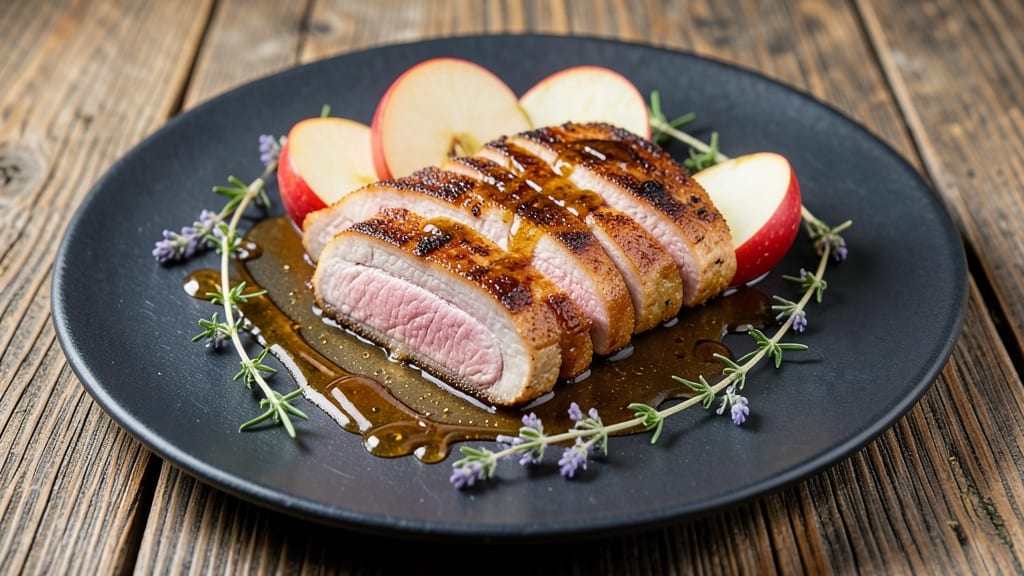
This healthy pork and apple recipe transforms lean pork tenderloin into a restaurant-worthy dish without sacrificing nutrition. 🌟 The secret lies in slow-simmering with apple cider, honey, and aromatic herbs—creating tender, juicy meat that pairs perfectly with crisp apples and earthy spices.
After years of perfecting this balance at The Smoky Pig, I can confidently say this is one of my most requested recipes for its simplicity and health-conscious approach.
The magic happens when you braise the pork with tart apples, warm spices, and just enough liquid to keep everything moist. This method ensures the pork stays tender while absorbing all those delicious flavors, and the apples add natural sweetness without needing extra sugar.
What makes this dish truly special is how well it balances protein, fiber, and healthy fats—perfect for a weeknight dinner that feels indulgent but is actually good for you.
By the time you're done, you'll have perfectly tender pork slices that practically melt in your mouth, surrounded by caramelized apples and a light, flavorful sauce.
The dish is complete with a side of roasted Brussels sprouts or quinoa, making it a well-rounded meal that's as nutritious as it is satisfying. This is the kind of recipe that proves healthy eating can still be delicious and impressive.
Whether you're cooking for family or treating yourself, this apple-cider simmered pork delivers on both flavor and nutrition. The technique is straightforward, and the results are consistently impressive—no fancy skills required. Let's get cooking! Here's everything you need to make it happen.
Ingredients for healthy pork and apple
Lean pork tenderloin meets caramelized apples in this restaurant-worthy, nutrition-focused braise—just six ingredients transform into a weeknight showstopper.
| Ingredient | Amount | Notes |
|---|---|---|
| Pork Tenderloin 🐖 | 1 ½ lb | Center-cut, trimmed of fat |
| Red Apples 🍎 | 2 medium | Honeycrisp or Fuji variety |
| Apple Cider 🍏 | 1 ½ cups | Unfiltered, unsweetened preferred |
| Raw Honey 🍯 | 2 tbsp | Local, unprocessed preferred |
| Fresh Thyme 🌿 | ¼ cup | Stems removed, loosely packed |
| Fresh Rosemary 🌿 | ⅛ cup | Needles finely chopped |
| Garlic Cloves 🧄 | 4 cloves | Peeled, smashed slightly |
| Extra-Virgin Olive Oil 🫒 | 1 tbsp | For searing pork |
| Low-Sodium Chicken Broth 💧 | 1 cup | Homemade or quality store-bought |
| Balsamic Vinegar 🍷 | 1 tbsp | Aged for depth of flavor |
| Diamond Crystal Kosher Salt 🧂 | 1 tsp | For seasoning |
| Freshly Ground Black Pepper 🌶️ | ½ tsp | For finishing |
| Fresh Parsley 🌿 | ⅛ cup | Chopped, for garnish |
The pork tenderloin is your star here—center-cut, not the ends, for consistent tenderness. Costco or Whole Foods carry excellent quality, but any well-marbled tenderloin works. Look for bright pink color and firm texture. Apples should be firm but not rock-hard—Honeycrisp or Fuji hold up best during braising. Fresh herbs make all the difference: Whole Foods has the best thyme and rosemary bundles, but grocery store bunches work too if they're vibrant. The honey? Local, unprocessed adds depth, but any raw honey will do in a pinch.
No apple cider? Unsweetened apple juice plus 1 tsp lemon juice mimics the tang. Short on fresh thyme? Dried thyme at one-quarter the amount works, but fresh is ideal. The balsamic vinegar can be swapped for red wine vinegar if needed. For extra richness, add 1 tbsp butter when plating. The apples can be peeled or left whole—peeling makes them prettier, leaving skins adds texture. If your apples are particularly tart, add 1 tsp maple syrup to the braising liquid.
Pork keeps 3-4 days in the fridge, but the sauce reheats beautifully—simmer gently to avoid breaking the apples. Freeze portions for up to 3 months in airtight containers. I always make double batches: one for dinner, one for lunches. Garnish with fresh parsley right before serving—it brightens everything up. Store herbs in damp paper towels in a sealed bag for up to 5 days—they'll stay fresher longer.
Why You'll Love This Recipe
- One-Pan Magic: I swear by this for nights when I’d rather not wash dishes. Slice the pork, toss in diced apples and thyme, pour on the cider—then let the oven do the work. Twenty minutes later, you’ve got a meal that looks like it took hours.
- Sweet-Savory Balance: That honey-glazed edge on the pork? Chef’s kiss. The apples caramelize just enough to cut through the richness, while the thyme adds this bright, earthy note—like a hug for your taste buds. Honestly, I’ve never met a pork dish I liked more.
- Weeknight to Weekend: Make it for Tuesday dinner or take it to a potluck—this recipe doesn’t judge. The leftovers reheat beautifully, and the flavors actually improve the next day. (Yes, even on a Tuesday night.)
- Budget-Friendly Protein: Pork tenderloin is lean, affordable, and packed with flavor—no fancy cuts needed. Apples and cider are pantry staples, and a little honey goes a long way. I’ve fed four people for under $15, and no one complained.
Step-by-step instructions for apple-cider simmered tender pork
Here's how to create a perfectly balanced dish that's both nutritious and packed with flavor.
🔥 Step 1: Sear the Pork Tenderloin for Maximum Flavor
Pat the 1.5 lb pork tenderloin completely dry with paper towels—this ensures a proper sear. Heat a heavy skillet over medium-high heat until very hot, then add 1 tablespoon extra-virgin olive oil. Once shimmering, add the pork and sear for 3-4 minutes per side until it develops a deep golden-brown crust.
I press down gently on the pork during the first minute to prevent curling and ensure even contact with the pan. The crust you create here is what locks in juices during the simmer. Once seared to perfection, remove the pork from the skillet and set it aside on a plate.
🍳 Step 2: Build the Apple-Cider Base with Aromatics
In the same skillet (no need to clean it—the browned bits add flavor), add 4 smashed garlic cloves and cook for 30 seconds until fragrant. Add 2 medium red apples (peeled and sliced into ¼-inch thick pieces) and cook for 3 minutes until they begin to soften slightly.
Here's where the magic happens: pour in 1.5 cups apple cider and scrape up all those delicious browned bits from the bottom. Add 1 cup low-sodium chicken broth and bring to a gentle simmer. The liquid should reduce slightly as it cooks down, concentrating the flavors.
🥘 Step 3: Simmer with Herbs and Sweet-Savory Balance
Return the seared pork to the skillet, along with 2 tablespoons raw honey, 1 tablespoon balsamic vinegar, 0.25 cup fresh thyme, and 0.125 cup finely chopped fresh rosemary. Stir gently to combine all ingredients, then reduce heat to medium-low.
Cover the skillet and let it simmer gently for 25-30 minutes, turning the pork occasionally, until it reaches an internal temperature of 145°F (use a meat thermometer for accuracy). The apples should be tender but still hold their shape, and the pork should pull apart easily with a fork—this is your signal it's perfectly tender.
🔪 Step 4: Rest and Garnish for Presentation
Transfer the pork to a cutting board and tent loosely with aluminum foil. Let it rest for 5 minutes while you reduce the sauce. Return the skillet to medium heat and simmer the cooking liquid uncovered for 3-4 minutes until it thickens slightly to a glossy consistency.
Slice the pork into ½-inch thick medallions and arrange on serving plates. Spoon the reduced apple-cider sauce over the top and garnish with 0.125 cup chopped fresh parsley. The dish should have a beautiful balance of sweet apples, tender pork, and aromatic herbs—naturally healthy yet deeply satisfying.
Pro Tips For Making Healthy Pork And Apple
- SEAR THE PORK HOT: Crank your pan to medium-high and wait until it’s smoking before adding the pork tenderloin—this isn’t the time for half-measures. A fast sear locks in juices and builds flavor, while a slow start just steams the meat. (Yes, even if you’re impatient like me.)
- PEEL AND CORE APPLES UNIFORM: Slice your red apples into even ¼-inch rounds—thicker pieces stay tough, thinner ones turn to mush. A mandoline makes this easier, but a sharp knife works too. Toss them in lemon water while prepping to keep them bright.
- DON’T BOIL THE CIDER: Simmer apple cider on low heat—hard boiling reduces it into syrup and kills the delicate apple aroma. Keep it at a gentle bubble, and if it gets too thick, add a splash of water. The sauce should coat the back of a spoon, not glue it.
- USE HONEY LAST: Stir in raw honey only in the final 2 minutes of cooking—heat turns it bitter fast. A drizzle of honey thickens the sauce beautifully, but let it mingle with the thyme and pork juices just long enough to caramelize slightly, not scorch. (Trust me, it’s worth the wait.)
Troubleshooting this dish
Pork Too Dry?
If your pork comes out dry, it likely didn’t rest long enough after searing or was overcooked. I’ve found that 145°F internal temperature is perfect—any higher risks drying out the lean tenderloin.
Always let it rest 5 minutes after removing from heat before slicing. For extra moisture, add ¼ cup apple cider to the pan during the last 5 minutes of simmering. 💫
Apples Turning Mushy?
Overcooking apples is the most common issue. They should be tender but still hold their shape after 25-30 minutes of simmering. If yours turn to mush, reduce cooking time by 5 minutes next time.
I like to slice them ¼-inch thick—thinner slices cook faster. For extra texture, add 1 tbsp lemon juice to the braising liquid to help preserve their structure.
Sauce Too Thin?
A thin sauce means the liquid didn’t reduce enough. Always simmer uncovered for the final 3-4 minutes to thicken it. If it’s still too thin, remove the pork and reduce the sauce alone over medium-high heat until it reaches your desired consistency.
A splash of cornstarch slurry (1 tsp cornstarch + 1 tbsp water) can also help thicken it quickly.
Flavor Too Mild?
If your dish lacks depth, it might need more acidity or sweetness. Boost flavor by adding ½ tsp Dijon mustard or 1 tsp apple cider vinegar to the braising liquid.
For extra richness, finish with 1 tbsp butter when plating. I also recommend using aged balsamic vinegar instead of regular—it adds complexity that regular vinegar can’t match.
Pork Not Tender Enough?
Undercooked pork is usually the culprit. Use a meat thermometer to check internal temperature—145°F is ideal. If it’s not reaching temperature, increase simmering time by 5-10 minutes.
For extra tenderness, sear the pork longer (4-5 minutes per side) to create a better crust that locks in juices during cooking. 🔥
Herbs Losing Flavor?
Fresh herbs can lose their potency if overcooked. Add thyme and rosemary only during the final 10 minutes of simmering. Store herbs in damp paper towels in a sealed bag to preserve freshness for up to 5 days.
If using dried herbs, reduce the amount by half—they’re more concentrated than fresh. For a brighter finish, garnish with fresh parsley right before serving.
Nutrition facts
Frequently asked questions
Why use pork tenderloin instead of other pork cuts?
Pork tenderloin is the leanest cut, making it perfect for healthy dishes—it's 93% lean protein with just 3g fat per ounce. Its mild flavor also absorbs the apple-cider braising beautifully without overpowering the dish. For extra tenderness, never skip the searing step—it creates a crust that locks in juices during simmering.
Can I substitute apples with other fruits?
Yes, but tart apples like Honeycrisp or Fuji work best—they caramelize perfectly and balance the pork's savory notes. Try pears for a milder flavor or cranberries for extra acidity (add them during the last 5 minutes of cooking). Avoid overly sweet fruits like pineapple—they'll make the dish cloying.
How do I make this dish kid-friendly?
Keep the cooking method the same but reduce the balsamic vinegar to ½ tablespoon and add 1 teaspoon maple syrup to the sauce. Cut the pork into small, bite-sized pieces and serve with steamed carrots or mashed sweet potatoes. Kids love the familiar apple-pork combo without the tangy vinegar!
What's the best way to reheat leftovers?
Reheat gently in a skillet over medium-low heat with 1 tablespoon apple cider for 3-4 minutes—this prevents drying. Never microwave uncovered, as it makes the pork rubbery. For extra flavor, add a pinch of fresh thyme during reheating. Leftovers keep 3-4 days in the fridge or 3 months frozen.
Can I use this recipe for meal prep?
Cook the pork and apples separately, then store them in airtight containers. When ready to eat, reheat the pork in a skillet with 1 tablespoon apple cider and toss in pre-cooked apples. For salads, slice the pork thinly and serve over greens with a light honey-mustard dressing. Portion into 4-6 servings for easy grab-and-go meals.