
Sauces & Condiments
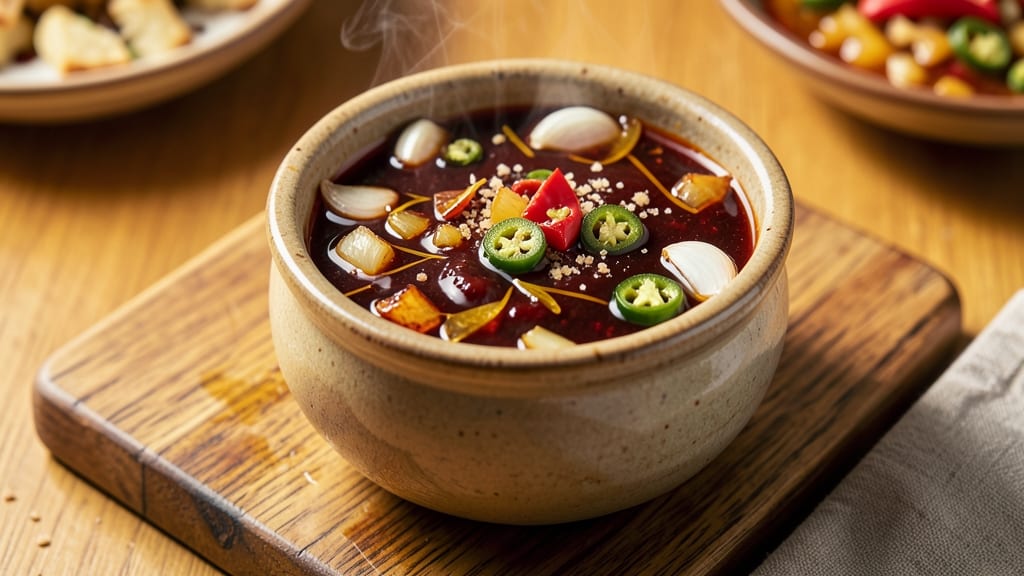
Mastering a hot sauce recipe with apple cider vinegar transforms simple ingredients into a versatile condiment that bridges bold heat and sweet complexity. The vinegar’s tangy backbone tames the fire of peppers while adding depth, creating a sauce that’s perfect for dipping, drizzling, or cooking.
This isn’t just another hot sauce—it’s a customizable, shelf-stable flavor bomb that elevates everything from tacos to roasted vegetables.
The secret lies in balancing heat and acidity through precise ingredient ratios and a slow reduction process. You’ll start with fresh peppers (jalapeños or serranos work beautifully), then build layers of flavor with garlic, onion, and a touch of honey or brown sugar to soften the edge.
The apple cider vinegar ensures bright acidity that cuts through richness, while spices like smoked paprika or mustard add complexity without overpowering.
What you’ll end up with is a glossy, vibrant sauce with a smooth texture and a heat profile that’s both intense and approachable. The reduction process concentrates flavors, leaving you with a condiment that’s rich enough for marinades but bright enough to stand alone as a dip.
Best of all, it keeps for months in the fridge, ready to transform any dish with a single drizzle.
Whether you’re a home cook looking to elevate weeknight meals or a seasoned chef refining your pantry staples, this hot sauce delivers restaurant-quality results with minimal effort. Let’s get started on creating your own fiery-sweet masterpiece.
Ingredients for hot sauce recipe apple cider vinegar
Nine ingredients. One pot. A fiery-sweet sauce that keeps for months.
| Ingredient | Amount | Notes |
|---|---|---|
| Fresh Jalapeño Peppers 🌶️ | 1 lb | Seeds removed for milder heat |
| Fresh Serrano Peppers 🌶️ | ½ lb | For extra heat intensity |
| Yellow Onion 🧅 | 1 whole | Diced, medium size |
| Garlic Cloves 🧄 | 6 cloves | Peeled, roughly chopped |
| Apple Cider Vinegar 🍎 | 1 cup | Raw, unfiltered preferred |
| Light Brown Sugar 🍚 | ½ cup | For sweet balance |
| Smoked Paprika 🌶️ | 1 tbsp | For smoky depth |
| Ground Mustard 🌿 | 1 tbsp | Adds tangy complexity |
| Salt 🧂 | 1 tsp | Kosher or sea salt |
| Extra-Virgin Olive Oil 🫒 | ¼ cup | For glossy finish |
The peppers are your flavor foundation. Jalapeños and serranos give you that perfect heat balance—milder but still punchy. Grab fresh ones from Whole Foods or your local farmers market if you can; they’ve got more vibrancy than those sad grocery store peppers. If you want extra heat, swap in some habaneros but use half the amount. The apple cider vinegar? Raw, unfiltered is ideal—it’s got more flavor complexity. Bragg or Texas Pete are solid choices if you’re in a pinch. Just make sure it’s real apple cider vinegar, not that sweetened stuff.
No jalapeños? Serranos or Thai chilies work beautifully—just adjust the amount based on heat preference. The brown sugar can be swapped for honey or maple syrup if you’re avoiding refined sugar. Smoked paprika is non-negotiable for that depth, but if you’re out, liquid smoke at half the amount gets you close. The olive oil matters here—use something fruity and high-quality. California Olive Ranch is my go-to, but any extra-virgin works. And if you’re worried about the sauce being too sweet, just add a pinch more vinegar at the end.
This sauce gets better with time—honestly, it’s at its peak after 2-3 days in the fridge. Store it in a glass jar with a tight seal to keep it fresh. It’ll last for 3-4 months if you keep it refrigerated. Want to make a big batch? Double everything and freeze half in ice cube trays—just thaw what you need. And if you’re giving it as a gift, a small jar makes a fantastic present—just label it with the heat level!
Why You'll Love This Recipe
- Pantry Staple Magic: I swear by this recipe because it uses stuff I already have—no special shopping trips. That tangy apple cider vinegar cuts through the heat while the jalapeños and serranos bring the fire, but honestly? The onion and garlic make it sing without needing fancy ingredients.
- Fridge to Table Speed: Between us, I’ve made this in 15 minutes flat. Just chop the peppers (no seeds if you hate heat), caramelize the onion until it’s sweet and jammy, toss everything in vinegar, and let it sit. No blender, no straining—just raw, bright flavor waiting for you.
- Every Meal Upgrade: This sauce turns bland rice into a fiesta, dull roasted chicken into a standout, and even a sad salad into something worth eating. I keep a jar in the fridge for when I’m lazy or when I need that quick punch of flavor—like when my kids’ friends show up and I’m scrambling for snacks.
- Lasts and Saves: A batch stretches for weeks, so I make it big and freeze half. The vinegar preserves the heat and depth, and I’m always reaching for it when I’m low on time or cash. Plus, the more it sits, the better it gets—like a secret weapon for lazy days.
Step-by-step instructions for homemade apple cider vinegar hot sauce
Here's how to craft a perfectly balanced hot sauce with sweet, smoky, and fiery layers.
Prep and Cook the Peppers and Onion
Start by cutting the 1 lb fresh jalapeño peppers and 0.5 lb fresh serrano peppers in half lengthwise and remove the seeds and membranes for milder heat. Chop them into coarse pieces and transfer to a large saucepan. Add the diced 1 whole yellow onion and the 6 peeled garlic cloves. I like to use a heavy-bottomed pan to prevent scorching.
Pour in the 0.25 cup extra-virgin olive oil and stir to coat everything evenly. Cook over medium heat for 8-10 minutes, stirring occasionally, until the onions become translucent and the peppers begin to soften. You'll know it's ready when the mixture smells intensely aromatic and the peppers lose their raw bite—this is where all the flavor develops.
Here's the thing—don't rush this step. The peppers need time to release their natural oils and develop that deep, caramelized flavor that makes homemade hot sauce so much better than store-bought. If you see any pieces sticking to the bottom, add a splash of water to deglaze and scrape up those flavorful browned bits.
Simmer with Vinegar and Sweetener
Once the peppers and onions are softened, pour in the 1 cup apple cider vinegar and add the 0.5 cup light brown sugar. Stir well to combine, then increase the heat to medium-high and bring the mixture to a boil. Once boiling, reduce the heat to maintain a gentle simmer and let it cook uncovered for 20-25 minutes.
During this time, the vinegar will help extract more color and flavor from the peppers while the sugar caramelizes slightly, creating that beautiful amber hue. You'll notice the mixture reduces and thickens—this is normal. Stir occasionally to prevent sticking, and taste after 15 minutes to check the balance between heat and sweetness. If you want more heat, add a pinch of cayenne; if it needs more sweetness, add a little more brown sugar.
I keep a small bowl nearby to catch any splatter—the vinegar can be aggressive when it first hits the heat. A splash guard or lid held at an angle helps too. The sauce should reduce until it's thick enough to coat the back of a spoon but still pourable.
Blend and Season to Perfection
Remove the sauce from heat and let it cool for 5-10 minutes—this prevents steam burns when blending. Transfer the mixture to a blender or food processor and blend until completely smooth. If you prefer some texture, pulse briefly instead of blending fully. Here's where you'll add the 1 tbsp smoked paprika, 1 tbsp ground mustard, and 1 tsp salt. Blend again just to incorporate these spices evenly.
The smoked paprika adds that deep, woodsy note that ties everything together, while the mustard brings a subtle tang that cuts through the sweetness. The salt isn't just for flavor—it helps balance the acidity of the vinegar. Taste the sauce now and adjust seasoning if needed. I usually add another pinch of salt or a bit more sugar to achieve that perfect sweet-heat balance.
Real talk: If your blender isn't powerful enough, you might need to strain the sauce through a fine-mesh sieve afterward to remove any fibrous bits. This ensures a silky-smooth texture that's perfect for dipping or drizzling.
Bottle and Rest for Maximum Flavor
Transfer the hot sauce to clean, sterilized bottles or jars. I use glass jars with tight-sealing lids—they preserve the sauce's quality and make it easy to store in the refrigerator. Let the sauce rest at room temperature for 1-2 hours before refrigerating. This resting period allows all the flavors to meld together and the heat to develop fully.
Once cooled, store the hot sauce in the refrigerator where it will keep for up to 3 months. The flavors actually improve over time, so don't be afraid to make a big batch. This sauce is incredibly versatile—drizzle it over tacos, mix it into marinades, or use it as a dip for fried foods. The apple cider vinegar base gives it a bright acidity that cuts through rich dishes beautifully.
Don't skip the resting step. I've learned the hard way that impatiently using the sauce right after blending can leave it tasting flat. The flavors need time to marry, just like a good wine. After resting, you'll notice a deeper complexity that makes this homemade version truly special.
Pro Tips For Making Hot Sauce Recipe Apple Cider Vinegar
- CHAR THE PEPPERS FIRST: I learned this the hard way—roasting the jalapeños and serranos until their skins blacken in spots before chopping makes the sauce deeper and smokier. Toss them on a baking sheet at 425°F for 8-10 minutes, then peel under running water. The char adds complexity that raw peppers just can’t match.
- USE RAW ONIONS, COOKED GARLIC: Sauté the diced yellow onion until soft but not browned—you want it to melt into the sauce, not add bitterness. Meanwhile, mince the garlic cloves raw and stir them in at the very end. Cooked garlic turns bitter; raw garlic keeps its bright punch. Sounds counterintuitive, but it works every time.
- STRAIN OUT SEEDS AND MOST PULP: Serrano and jalapeño seeds pack heat, but they also make the sauce grainy and unbalanced. After blending your peppers, onion, and vinegar, strain through a fine-mesh sieve or cheesecloth to remove seeds and excess pulp. This gives you a cleaner, more professional texture—no one wants to chew their hot sauce.
- LET IT REST BEFORE BOTTLING: Pour the hot sauce into a clean jar and walk away for at least 24 hours. The flavors need time to marry, and the vinegar’s acidity will mellow slightly. Skipping this step means you’ll end up with a harsh, one-note sauce. Patience here guarantees a well-rounded finish.
Common mistakes when making great hot sauce recipe apple cider vinegar
Overcooking Peppers
Peppers are delicate—cooking them too long turns them bitter and destroys their natural oils that carry flavor. I’ve ruined batches by letting them simmer beyond 8-10 minutes in the oil.
Watch closely: they should soften but retain their vibrant color. If they darken too much, toss in a splash of vinegar to brighten them back up. 🌶️
Skipping the Resting Step
This is a big one! Blending the sauce and diving right in is tempting, but flavors need time to meld. I’ve made this mistake—using the sauce immediately makes it taste flat and one-dimensional.
Let it sit for 1-2 hours at room temp before refrigerating. The magic happens during this time as the heat and sweetness harmonize. Patience pays off here.
Ignoring Vinegar Quality
Not all apple cider vinegar is created equal. Using the sweetened, diluted kind from the salad dressing aisle will leave your sauce tasting artificial. Always opt for raw, unfiltered vinegar like Bragg or Texas Pete.
The cloudiness and sediment in these brands mean more flavor complexity. I’ve compared them side by side—there’s no contest. The difference is night and day.
Underseasoning Early
Taste as you go, but don’t overcorrect early. Adding too much salt or sugar upfront masks the natural balance of the peppers. Instead, adjust gradually during the 20-25 minute simmer.
I like to taste after 15 minutes and make small tweaks—maybe a pinch of cayenne for heat or a spoonful of sugar for sweetness. The final adjustments come after blending when all flavors are fully integrated.
Using Low-Quality Oil
Cheap olive oil burns easily and lacks the fruity depth needed for a premium hot sauce. I’ve learned this the hard way—once, I used a generic bottle of "olive oil" from the discount bin, and the sauce tasted flat.
Invest in a good extra-virgin olive oil like California Olive Ranch. The higher quality means better flavor extraction from the peppers and onions during the initial cooking. 🫒
Forgetting to Sterilize Jars
This one’s about food safety. Skipping sterilization can lead to mold or spoilage, especially since this sauce has a high vinegar content that preserves but doesn’t fully sterilize. Run your jars and lids through a quick cycle in the dishwasher or boil them for 10 minutes before filling.
I keep a batch of sterilized jars ready whenever I make sauce—it’s a small step that prevents big headaches later. ⚡
Nutrition facts
Frequently asked questions
Can I substitute apple cider vinegar with another vinegar?
While you can use other vinegars like white or red wine vinegar, apple cider vinegar adds a unique fruity depth that balances the heat beautifully. For a similar tang, try raw apple vinegar or white balsamic vinegar, but expect a slightly different flavor profile. Avoid distilled white vinegar—it lacks the complexity your sauce needs.
How do I adjust the heat level in this recipe?
Remove pepper seeds and membranes for milder heat, or keep them for extra spice. For more intensity, add 1-2 habanero peppers (use half the amount) or a pinch of cayenne. Always taste as you go—you can't take heat out, only add more! Start with small adjustments and blend thoroughly to distribute heat evenly.
What's the best way to use this hot sauce?
This versatile sauce works as a dip for fried chicken or fish, a marinade for grilled meats, or a finishing touch for tacos, eggs, and roasted veggies. The apple cider vinegar base makes it perfect for cutting through rich dishes. For extra drama, drizzle over pizza or popcorn—the sweet-spicy balance is addictive!
Can I make this sauce without a blender?
Yes! If you don't have a blender, strain the cooked pepper mixture through a fine-mesh sieve after simmering. The texture will be slightly chunkier but still delicious. For a smoother result, use a food mill or immersion blender if available. Just be patient—manual straining takes a bit more effort but works perfectly.
How do I store and preserve this hot sauce?
Store in clean, sterilized glass jars in the fridge where it'll keep for 3-4 months. For longer storage, freeze in ice cube trays—thaw what you need as needed. The vinegar acts as a natural preservative, but proper sealing is key. If you notice any mold or off smells, discard it immediately. Pro tip: Label your jars with the date and heat level!